
The market is flooded with them: sleek, comforting AI companions, toys that learn your child's preferences, and emotional AI promising to fill voids in our lives. They speak of connection, of personalized care, of a future where no one is truly alone. But here in Ghana, as I observe these trends from my home in Accra, a deep unease settles within me. We need to talk about this, because what looks like innovation in one part of the world can feel like a new form of cultural erosion or economic exploitation in another.
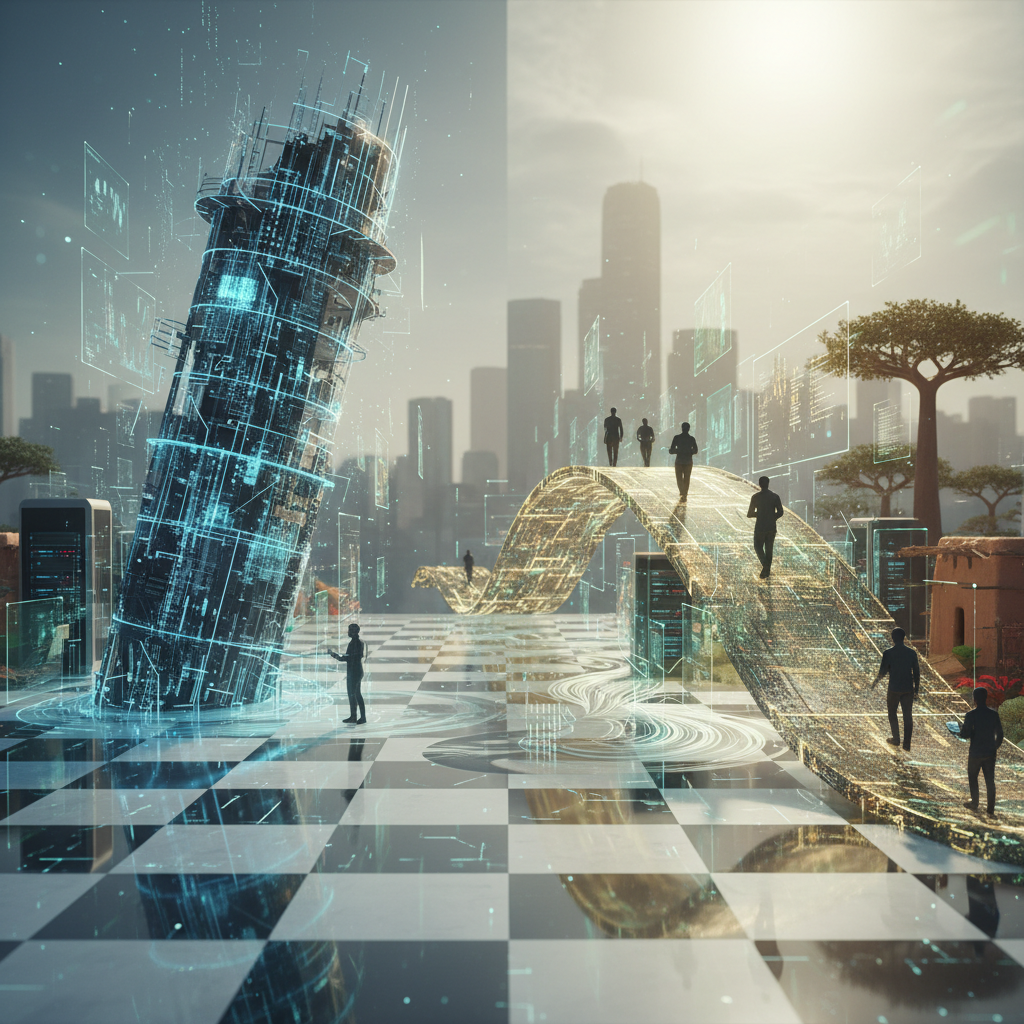
These technologies, often developed in Silicon Valley or European tech hubs, are designed for contexts far removed from our daily realities. They are built on datasets that rarely, if ever, include the rich tapestry of Ghanaian languages, our unique social dynamics, or the nuances of Akan philosophy. When an AI companion is trained primarily on Western data, how can it truly understand or respect the communal spirit of ubuntu or the importance of family ties that define us? It cannot. It will, by its very design, subtly push us towards a more individualistic, data-driven existence that may not serve our collective well-being.
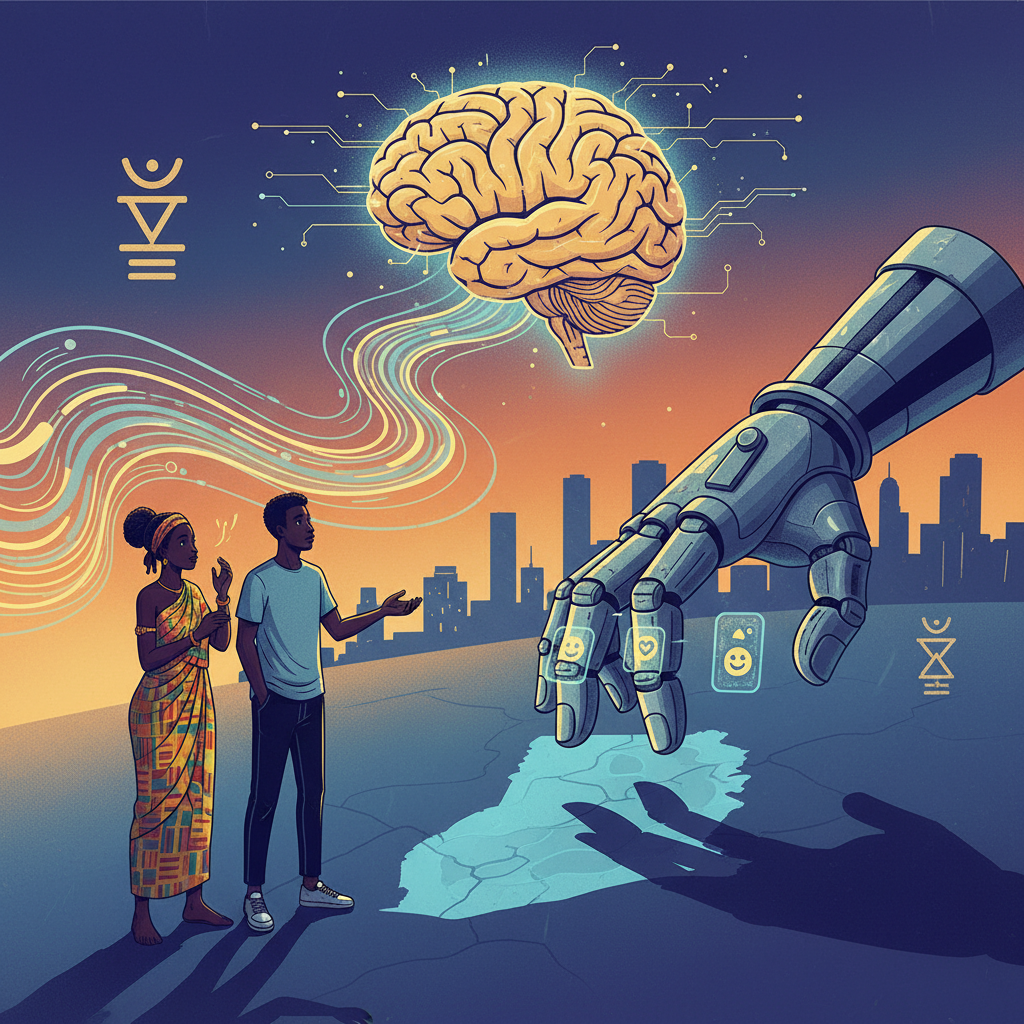
Consider the emotional AI companions. Companies like OpenAI and Anthropic are pouring billions into creating models that can mimic human empathy and understanding. They promise to be there for the lonely, the elderly, the stressed. But what happens when these companions become primary sources of emotional support, especially for our children? "We are already seeing a worrying trend where children are forming deep attachments to digital entities that cannot reciprocate genuine human connection," says Dr. Ama Nsiah, a child psychologist based at the University of Ghana. "This could have profound implications for social development, fostering a generation that prefers algorithmic comfort to the complexities of real relationships within the family and community. It is a dangerous path." Her concerns are not just theoretical, they are grounded in the observations of a society grappling with rapid technological change.
Furthermore, the data these emotional AIs collect is incredibly intimate. Our fears, our joys, our vulnerabilities, all fed into algorithms owned by foreign corporations. Who owns this data? How is it protected? And more importantly, how might it be used against us? The idea that our deepest emotions could become commodities, or worse, tools for manipulation, is deeply unsettling. "The privacy implications alone are staggering," states Kwesi Botwe, a digital rights advocate with the Ghana Internet Governance Forum. "These systems are designed to learn our emotional triggers and responses. Without robust, locally-tailored regulatory frameworks, we risk handing over our psychological sovereignty to entities whose primary allegiance is to profit, not to the well-being of the Ghanaian people. Silence is complicity when our data is at stake."
Some might argue that these technologies offer undeniable benefits. For instance, an AI companion could assist the elderly in remote villages, providing information or even basic health reminders in their local dialect, if properly trained. Or perhaps, for children with certain developmental challenges, an AI toy could offer a consistent, predictable interaction that a human might struggle to maintain. I acknowledge these potential upsides. The promise of digital inclusion and access, particularly in underserved areas, is compelling. However, the current trajectory of development suggests that these benefits are often secondary to commercial interests, and the potential for harm far outweighs the current, often theoretical, good.
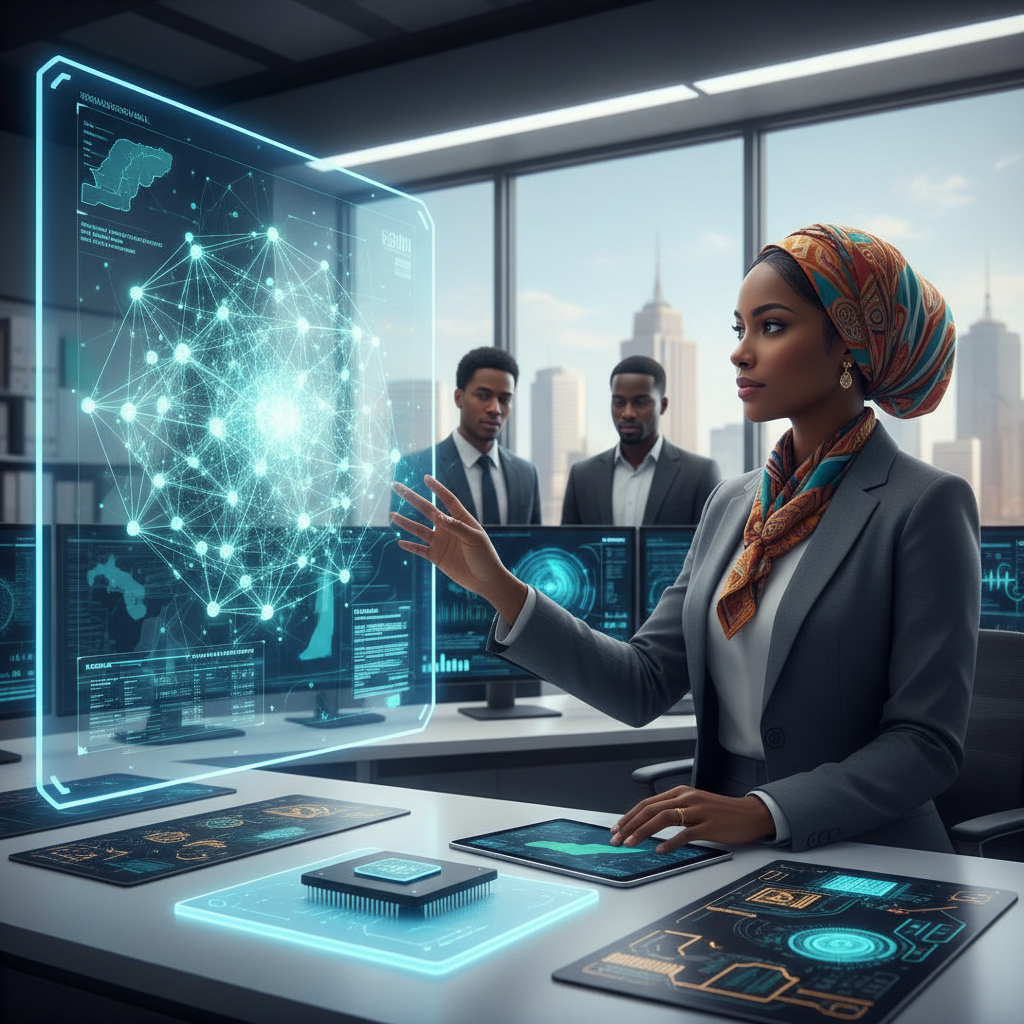
My rebuttal is this: the benefits are often framed through a Western lens, addressing problems that may not be our most pressing. While an AI toy might soothe a child in London, a child in Tamale might benefit more from access to clean water, quality education, or a robust community support system. We must be wary of solutions looking for problems, especially when those solutions come with hidden costs. The investment in developing these complex emotional AIs could, for example, be redirected towards building localized AI solutions that address Ghana's specific needs, such as agricultural optimization, improved healthcare diagnostics, or preserving our endangered languages through advanced natural language processing tailored to Twi, Ewe, Ga, and others.
Moreover, the economic implications cannot be ignored. These AI toys and companions are not cheap. They represent a significant financial outlay for families in a country where disposable income is a luxury for many. Are we creating a new class divide, where emotional support and companionship become yet another privilege for the wealthy? And what of the jobs that might be displaced? The human touch of caregivers, teachers, and community elders cannot and should not be replaced by algorithms. We should be investing in strengthening those human connections, not outsourcing them to machines.
Ghana has always valued its rich oral traditions, its storytelling, and the wisdom passed down through generations. Our culture is built on interaction, shared experiences, and the profound understanding that we are all interconnected. To introduce AI companions that encourage isolation or replace genuine human connection feels like a betrayal of these core values. We must ask ourselves if we are truly building a future that honors our heritage, or one that passively accepts technologies that could unravel it.
We must demand that the development of such sensitive technologies be inclusive, ethical, and culturally informed. This means not just translating interfaces, but embedding our values, our languages, and our philosophical frameworks into the very core of these AI systems. It means investing in local AI research and development, empowering Ghanaian innovators to build solutions that reflect our unique needs and aspirations. It means robust regulation that protects our data and our psychological well-being, not just our economic interests. The conversation around AI must shift from simply adopting what is given to us, to actively shaping what is built for us. We cannot afford to be passive consumers in this technological revolution; our future, our very identity, depends on our active participation. For more on the global implications of AI, you can always check out reports on MIT Technology Review. The path forward demands critical thought and decisive action, not quiet acceptance of whatever the global north deems beneficial. We must secure our place at the table, not just as users, but as architects of our digital destiny, ensuring that AI serves humanity in its diverse forms, rather than diminishing it. The time to act is now, before these digital companions become our silent masters. For further reading on the societal impact of AI, articles on Wired often provide valuable perspectives. This affects every single one of us, and our collective vigilance is our strongest defense against a future we did not choose. We must also look at how other nations are grappling with these issues, for example, the discussions around Belgium's quiet alarm over emotional AI toys [blocked] highlight a shared concern across different cultures.
Ultimately, the question is not whether AI toys and emotional companions can exist, but whether they should exist in their current form, and what role we, as Ghanaians, want them to play in our society. Our ancestors built a society on strong community bonds and shared wisdom. Let us not allow the allure of digital companionship to dismantle what took generations to build. Let us instead harness technology to strengthen those bonds, not replace them.