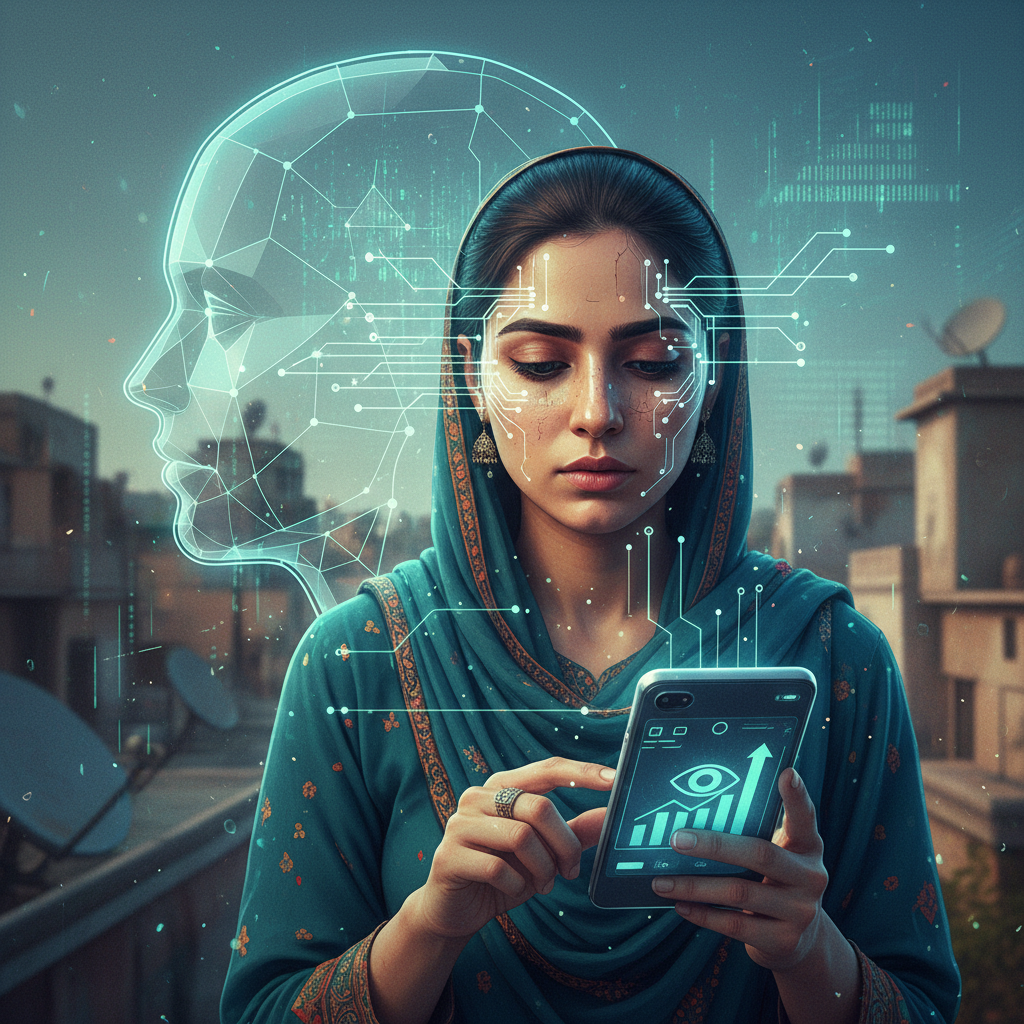
Let us be honest, for years the promise of AI in healthcare felt like a distant mirage, a tech bro's fever dream perpetually five years away. We heard the whispers, read the white papers, and saw the glossy presentations. Yet, in the bustling, often chaotic, reality of Indian hospitals, it remained largely theoretical, a topic for seminars, not daily practice.
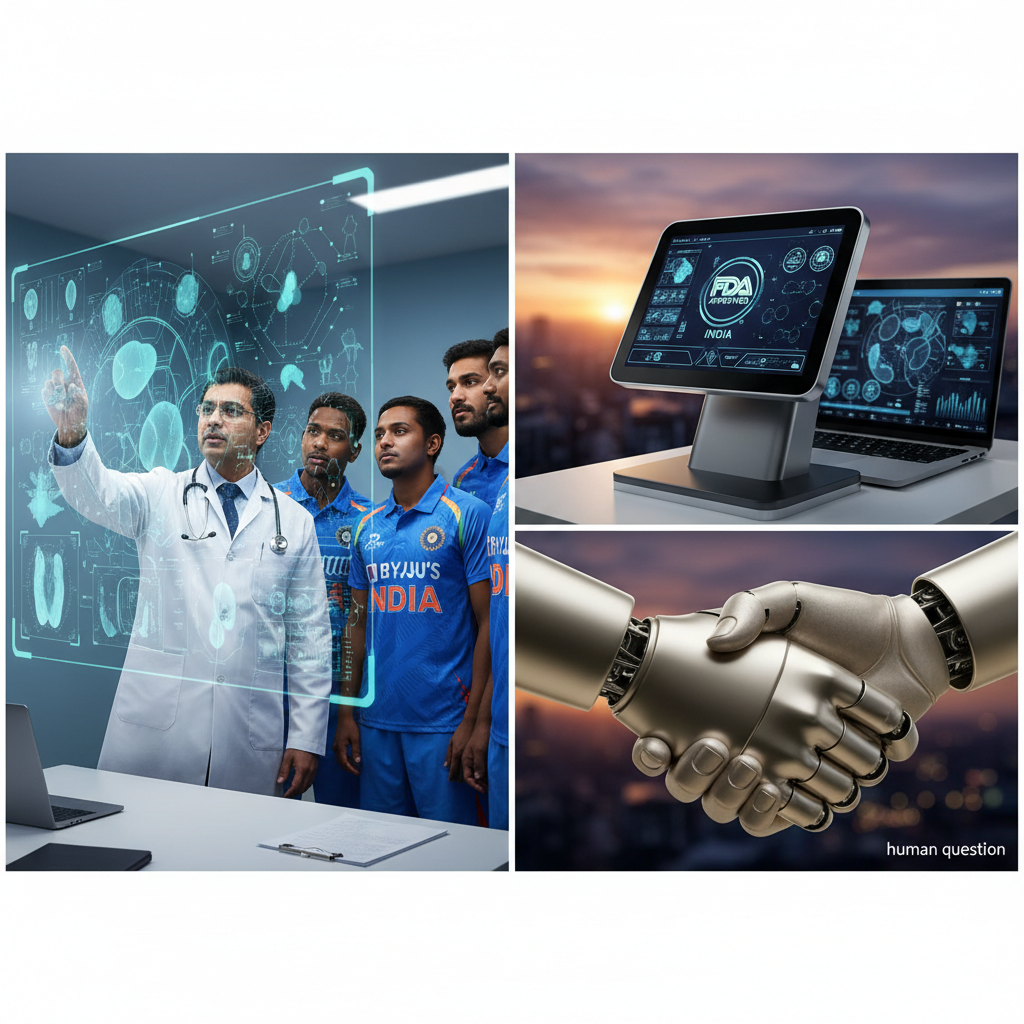
But something has shifted, and it is not just the monsoon winds. We are now seeing a very tangible, very real wave of FDA-approved AI diagnostic tools, particularly for detecting cancer and heart disease, making their way into clinics and hospitals globally, and yes, even here in India. This is not just about a fancy algorithm; it is about algorithms that have passed the most stringent regulatory hurdles in the world, suggesting a level of reliability that even the most skeptical among us cannot easily dismiss.
Take, for instance, the advancements in radiology. Companies like Qure.ai, an Indian startup, have been making waves with their AI solutions for interpreting X-rays and CT scans, particularly for tuberculosis and lung abnormalities. While not all their tools have FDA approval for every application, their work highlights the local ingenuity in this space. Meanwhile, US-based giants are pushing the envelope with FDA-cleared products. For example, Viz.ai has an AI-powered stroke detection and triage system that has received FDA clearance, allowing it to analyze CT scans and alert specialists to suspected large vessel occlusions. This means faster treatment decisions, which for stroke patients, can literally be the difference between life and death.
Then there is the cancer detection front. Google Health, for instance, has been working on AI models for breast cancer screening, showing promising results in identifying malignancies from mammograms. While their specific FDA-approved products are still evolving, the broader trend is clear. Companies like Paige.AI have already secured FDA clearance for their AI-powered pathology solutions, designed to assist pathologists in detecting prostate cancer in biopsies. This is not about replacing the human expert, mind you, but augmenting their capabilities, offering a second, tireless pair of digital eyes.
Oh, the irony. For years, we have been told that AI would automate away factory jobs or customer service roles. Now, it is stepping into the hallowed halls of medicine, performing tasks that require immense precision and expertise. It is a bit like expecting your chaiwallah to suddenly start performing open heart surgery; except, in this case, the chaiwallah has been trained on millions of medical images and can spot anomalies faster than a human eye, especially when fatigue sets in.
Dr. Suresh Kumar, a leading cardiologist at Apollo Hospitals in Chennai, recently articulated this shift. He told a medical conference,