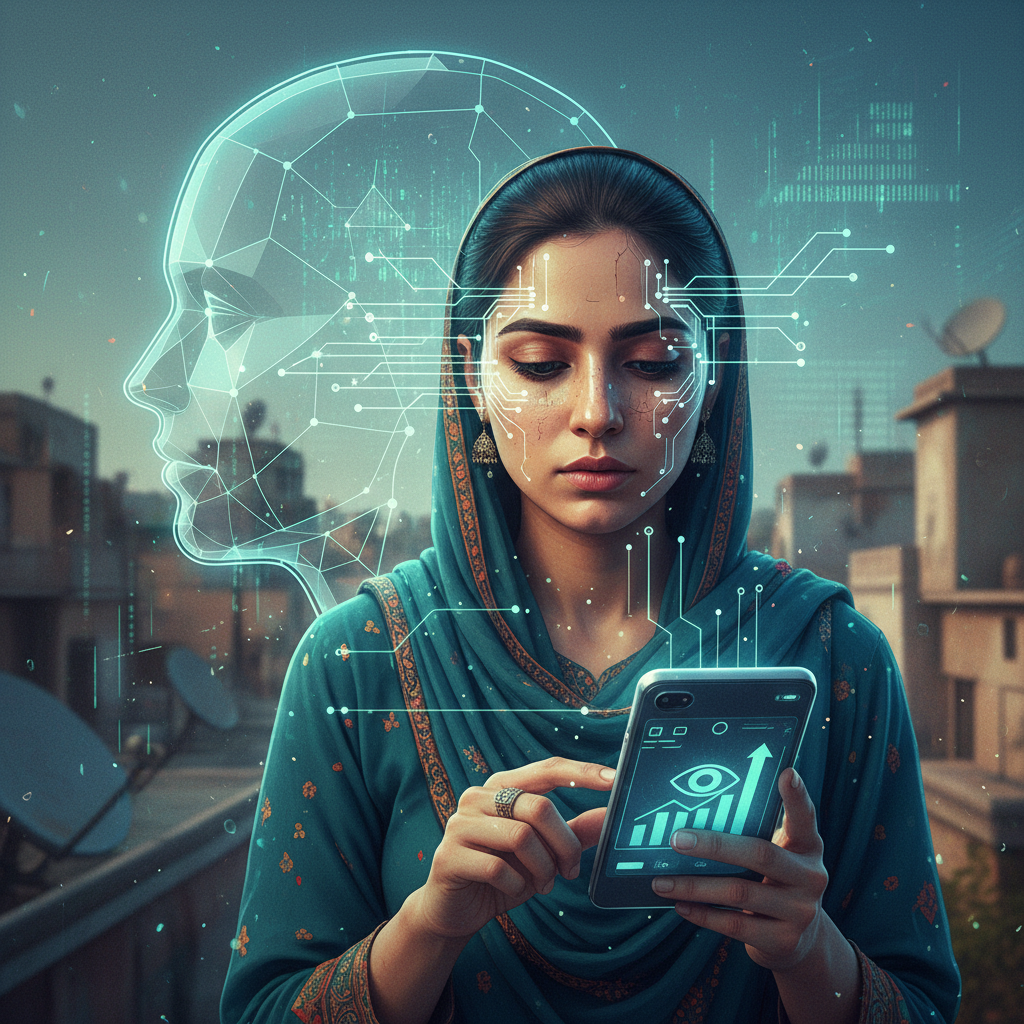
The whispers of a new dawn in medicine echo across the globe, carried on the digital currents of artificial intelligence and the biological precision of Crispr gene editing. We are told of a future where diseases once deemed incurable, from cystic fibrosis to sickle cell anemia, might be eradicated, where human suffering is alleviated through the elegant dance of algorithms guiding molecular scalpels. Companies like Google DeepMind and NVIDIA are pouring billions into accelerating this frontier, with their advanced AI models sifting through genomic data at speeds unimaginable just years ago, promising to unlock therapies tailored to an individual's unique genetic code. But as the scientific community celebrates these breakthroughs, a chilling question lingers in the air, particularly for those of us in places like Afghanistan: who will truly benefit from this monumental leap, and at what cost?
For generations, our people have endured conflicts, poverty, and a healthcare system perpetually on the brink. We have seen medical advancements arrive decades late, if at all, often as charitable gestures rather than equitable access. Now, as AI-powered gene editing, a field poised to redefine human biology, gains momentum, the chasm between the technologically advanced nations and the developing world threatens to widen into an abyss. This is not merely a scientific debate; it is a profound ethical and humanitarian challenge. Behind every algorithm is a human story, and for millions, that story is one of struggle for basic survival, let alone access to cutting-edge genetic therapies.
Consider the promises: AI, leveraging vast datasets and machine learning, can identify optimal Crispr targets with unprecedented accuracy, predict off-target effects, and even design novel gene therapies. Researchers at institutions collaborating with tech giants are reporting breakthroughs in identifying genetic markers for complex diseases and developing personalized treatment protocols. "The speed at which AI can analyze genomic sequences and propose therapeutic interventions is revolutionizing drug discovery," explains Dr. Omar Safi, a bioethicist and former advisor to the Afghan Ministry of Public Health, speaking from his current post in Geneva. "What once took years of laboratory work can now be simulated and optimized in months, sometimes weeks, thanks to models from companies like Anthropic and OpenAI." He cites preliminary data suggesting AI can reduce the development time for gene therapies by up to 30 percent, potentially bringing treatments to market faster.
Yet, the practical implications for a country like Afghanistan are stark. Our hospitals struggle with basic medical supplies, reliable electricity, and a severe shortage of trained personnel. The idea of deploying sophisticated AI platforms requiring immense computational power, coupled with the highly specialized infrastructure for gene editing, feels like a cruel jest. Who will build and maintain these facilities? Who will train the geneticists and bioinformaticians? More critically, who will pay for treatments that are projected to cost hundreds of thousands, if not millions, of dollars per patient? Will gene editing become another luxury commodity, available only to the global elite, further entrenching health disparities?
Some argue that the benefits, once proven, will eventually trickle down. They point to the historical trajectory of medical innovations, from antibiotics to vaccines, which eventually became more accessible. "We must not stifle innovation by focusing solely on immediate accessibility for all," stated Dr. Lena Hansen, a lead researcher at a prominent European biotech firm, during a recent virtual conference on precision medicine. "The initial stages of any transformative technology are always expensive. As the science matures and scales, costs will inevitably decrease, making these therapies more widely available, perhaps even through philanthropic initiatives or global health programs." This perspective, while perhaps well-intentioned, often overlooks the systemic barriers that prevent such a 'trickle-down' from reaching the most vulnerable populations in a timely manner, if at all.
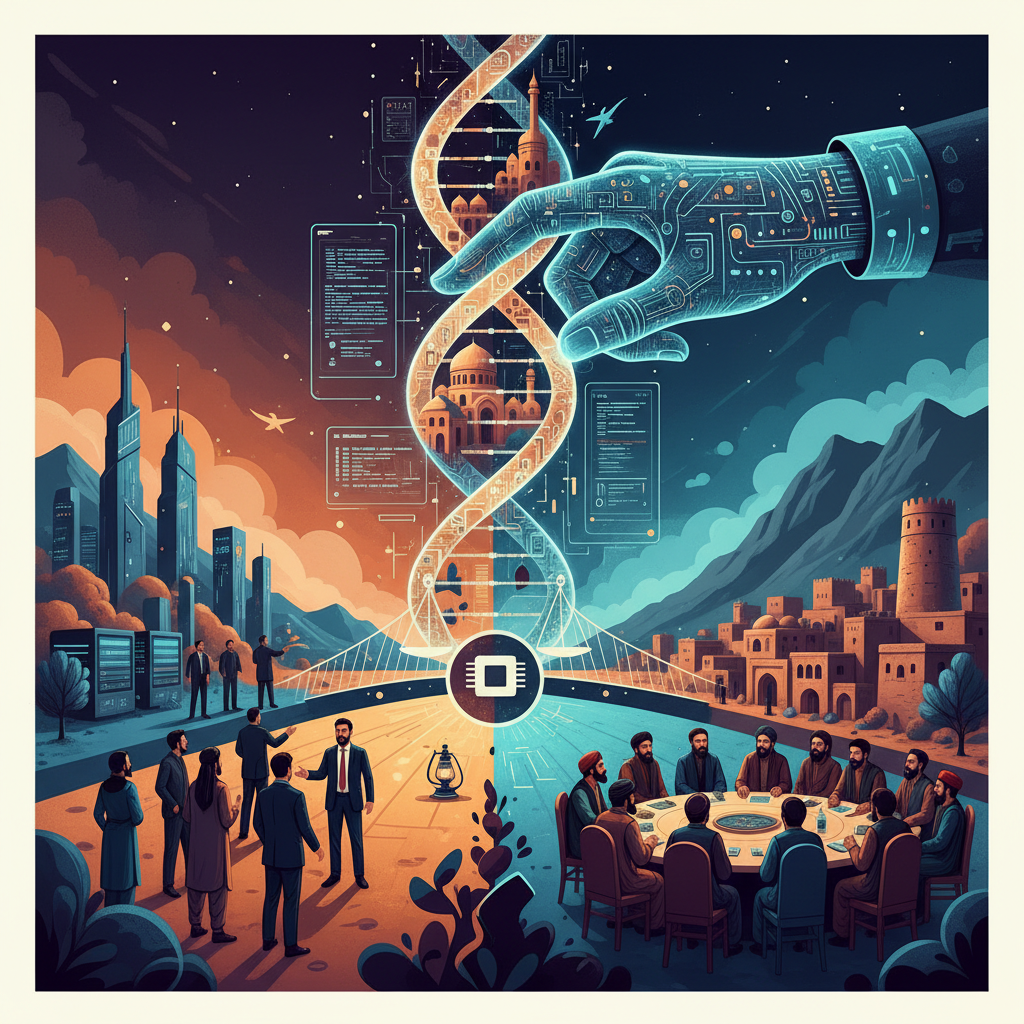
My rebuttal is rooted in lived experience. The 'trickle-down' effect in healthcare often takes decades, and for many, decades mean death. We cannot afford to wait. The ethical frameworks for these technologies are being developed primarily in Western capitals, often without meaningful input from nations that will experience the most profound impacts of inequitable access. When decisions about altering the human germline, about what constitutes a 'disease' worthy of genetic intervention, are made in boardrooms far removed from the daily realities of Kabul or Kandahar, a dangerous precedent is set. This is about dignity, the inherent right of every human being to benefit from scientific progress, not just those born into privilege. Technology should serve the most vulnerable, not exacerbate their marginalization.
The potential for AI-powered gene editing to address genetic disorders prevalent in certain populations, including those in Afghanistan, is undeniable. For instance, specific inherited blood disorders are a significant health burden here. Imagine the hope that such therapies could offer. But hope without access is a torment. We must demand that the development of these technologies includes a robust, proactive strategy for global equity from its very inception. This means investing in local research capacity, fostering international collaborations that genuinely empower developing nations, and establishing global funds dedicated to ensuring equitable access to these life-altering treatments.
Organizations like the World Health Organization and the United Nations must play a far more assertive role in shaping the ethical and access guidelines for AI-driven gene editing. They must convene diverse voices, including those from Afghanistan, to ensure that the future of human biology is not dictated by a privileged few. We need transparent pricing models, technology transfer initiatives, and a commitment from major tech and pharmaceutical companies to make these therapies affordable and available worldwide. The current trajectory, where cutting-edge medical science remains largely confined to wealthy nations, is morally indefensible and ultimately unsustainable.
The promise of precision medicine is immense, but its realization must be a shared endeavor, not a further stratification of humanity. As AI continues to accelerate scientific discovery, let us remember that true progress is measured not just by what we can achieve in the lab, but by how broadly its benefits are shared across our interconnected world. The time for proactive, equitable planning is now, before the genetic divide becomes an unbridgeable canyon. For more insights into the ethical considerations of AI in healthcare, one might consult articles on MIT Technology Review or Wired. The conversation around AI ethics is global, and we must ensure all voices are heard, particularly those that have historically been silenced. We have seen how AI can impact education and access, as explored in From Kabul's Labs: How Dr. Zahra Ahmadi's 'Nur' Slm Challenges OpenAI's Giants for Afghanistan's Future [blocked], and this same lens of equity must be applied to gene editing. The future of our very biology hangs in the balance.