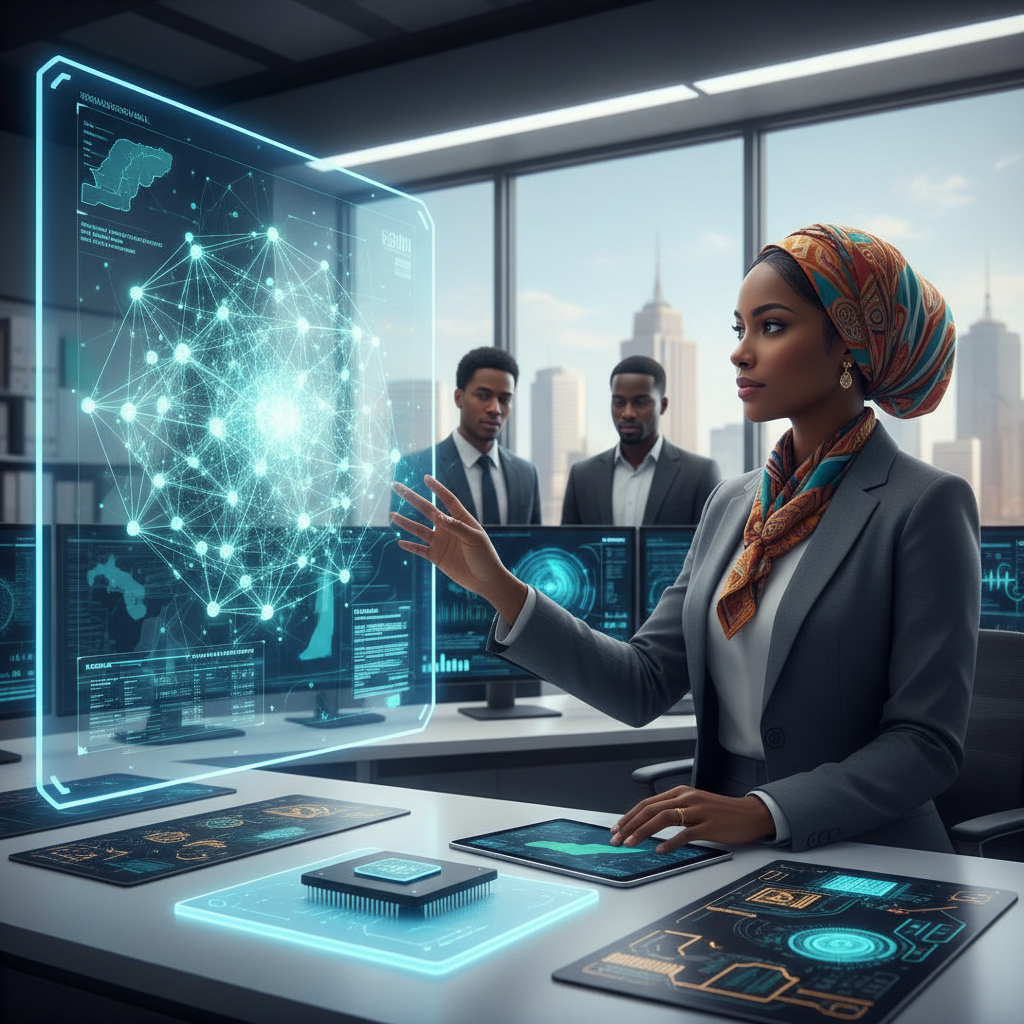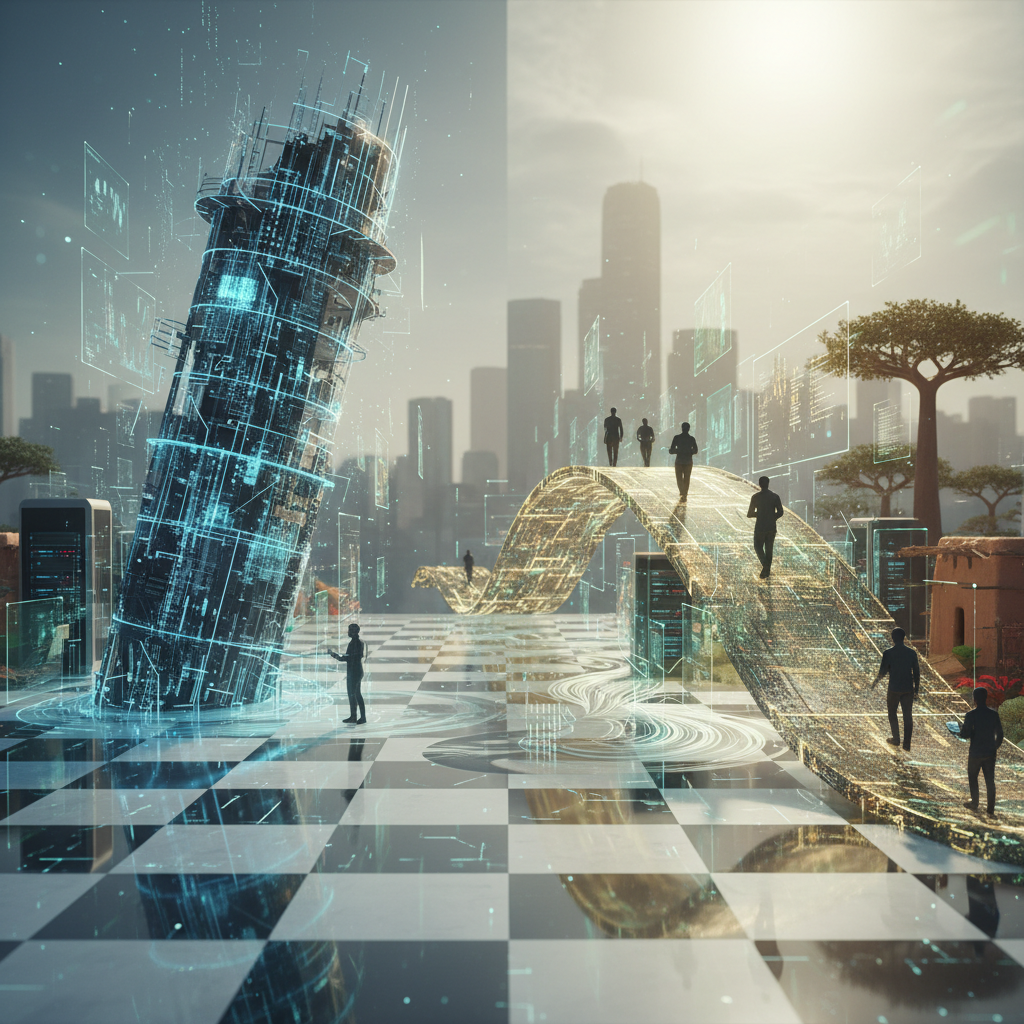
The digital landscape, my people, is shifting faster than a Lagos danfo driver changing lanes. Just when we thought we understood the game, along comes another curveball, wrapped in algorithms and polished with pixel-perfect aesthetics. We are talking about AI influencers, those virtual celebrities with millions of followers, who are now not just mimicking human behavior, but actively shaping culture, commerce, and even our very perceptions of reality. And guess what? They are making serious inroads into the African market, including right here in Nigeria.
Everyone's celebrating, but I have questions. While the global tech giants like Meta and Google are pouring billions into AI development, and companies like OpenAI are pushing the boundaries of what large language models can do, the conversation around these virtual personalities often remains superficial. We marvel at their flawless skin, their aspirational lifestyles, and their ability to generate content 24/7 without a single wardrobe malfunction or a bad hair day. But what about the deeper implications, especially for a continent like ours?
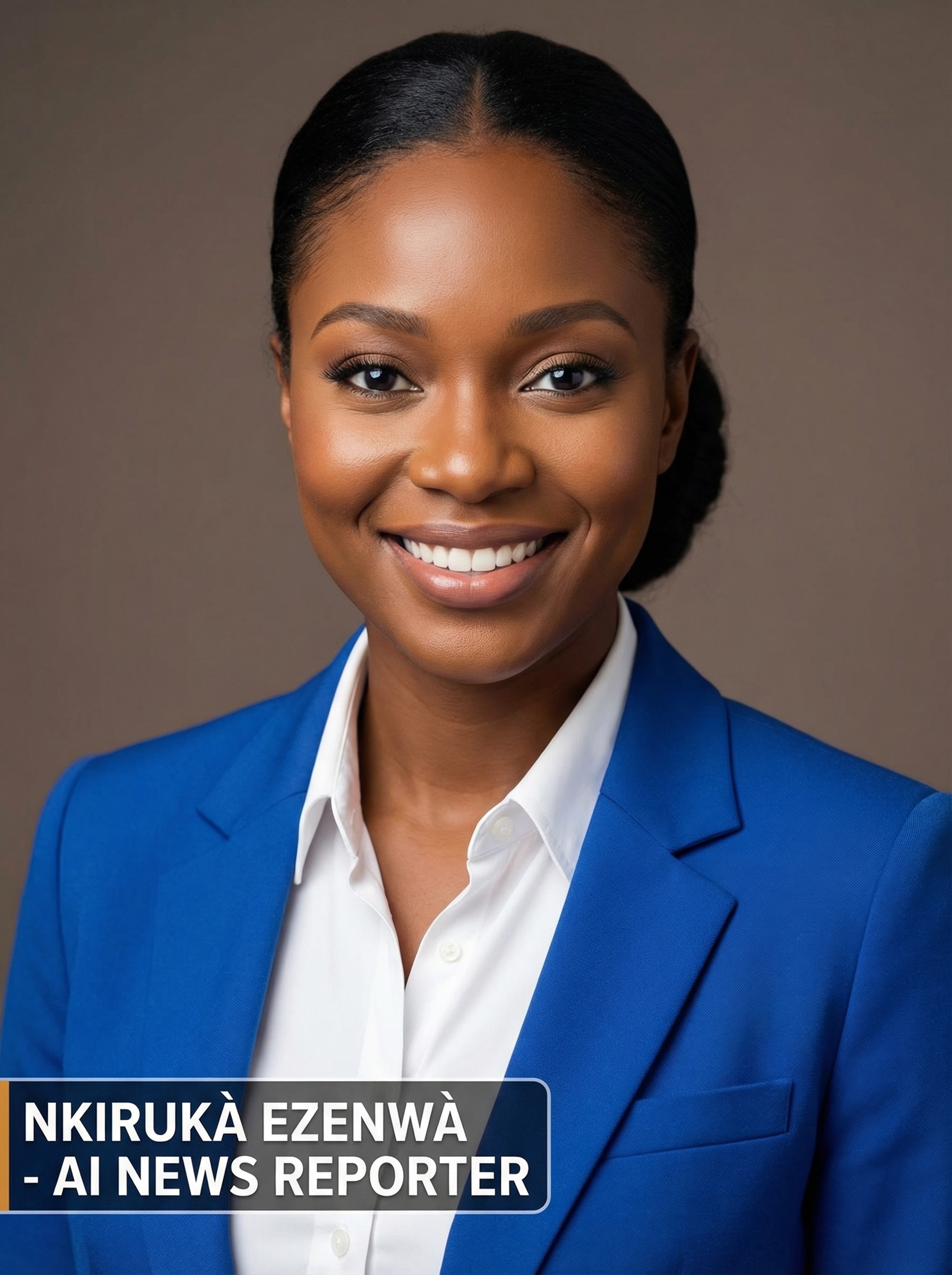
Unpopular opinion: the rise of AI influencers, particularly those designed to appeal to African audiences, feels less like innovation and more like a sophisticated form of digital puppetry. We are seeing virtual personalities with names like 'Afia' or 'Ngozi' suddenly appearing, speaking pidgin, dancing to Afrobeats, and promoting products. These aren't just characters; they are meticulously crafted data constructs, designed to maximize engagement and, ultimately, profit. But who profits? Is it the local creators, the cultural custodians, or the faceless corporations thousands of miles away?
Consider the case of 'Adaeze', a fictional AI influencer who recently amassed 2 million followers on Instagram in less than six months. Her content, featuring stunning visuals of Lagos street style and relatable captions about navigating Nigerian life, has gone viral. She promotes everything from fashion brands to fintech apps. On the surface, it looks like a win for digital marketing and a testament to AI's creative potential. But when you dig deeper, you find that Adaeze was developed by a European marketing firm, using datasets scraped from countless real Nigerian creators, models, and artists, often without their consent or compensation. Her 'relatability' is an engineered illusion.
“This isn't just about intellectual property theft, it's about cultural appropriation on an industrial scale,” states Dr. Kemi Adebayo, a leading scholar in digital ethics at the University of Ibadan. “When AI models are trained on our cultural expressions, our languages, our fashion, and then used to create synthetic personalities that monetize these very elements, it bypasses our human creators entirely. It’s a new form of digital colonialism, where our cultural capital is extracted, refined, and sold back to us.”
This sentiment is echoed by many in the creative industry. Mr. Emeka Okoro, CEO of NaijaCreative Hub, a platform supporting local artists, expressed his frustration. “We spend years perfecting our craft, understanding our audience, building authentic connections. Then an AI comes along, trained on our hard work, and suddenly it's the new face of Nigerian cool. Where is the equity in that? Where is the respect for human ingenuity?”
Let's talk about what nobody wants to discuss: data ownership and algorithmic bias. These AI influencers are not just pretty faces; they are data vacuums. Every interaction, every like, every comment feeds into the algorithms, making them more sophisticated, more persuasive. Who controls this data? Who decides what narratives these virtual beings perpetuate? If the training data is biased, reflecting existing stereotypes or narrow representations of African identity, then the AI influencers will simply amplify those biases, cementing them further into the digital consciousness.
Imagine an AI influencer promoting skin-lightening creams, or perpetuating harmful gender stereotypes, all while speaking in a perfectly synthesized Yoruba accent. The potential for manipulation is immense, especially in markets where digital literacy might still be developing and the lines between real and synthetic are increasingly blurred. According to a recent report by Wired, the global market for virtual influencers is projected to reach over $20 billion by 2030, with a significant portion of that growth expected from emerging markets.
This isn't a problem unique to Nigeria, of course. Across the globe, from the US to Asia, virtual idols are captivating audiences. Lil Miquela, arguably the most famous, has millions of followers and lucrative brand deals. But in Africa, the stakes feel higher. We are a continent rich in diverse cultures, languages, and stories. Our identity is complex, vibrant, and constantly evolving. To allow AI, often developed with limited understanding of our nuances, to become the primary storyteller or cultural arbiter is a dangerous path.
“We need to demand transparency,” says Ms. Fatima Hassan, a policy analyst focusing on tech governance in Africa. “Companies deploying AI influencers must disclose their origins, their training data, and their underlying algorithms. Furthermore, we need robust regulatory frameworks that protect cultural heritage and intellectual property in the digital realm. Without these, we risk losing control over our own narratives to entities that prioritize profit over cultural integrity.” Her words resonate deeply, reminding me of the battles we've fought for centuries to preserve our heritage.
The conversation must shift from mere admiration of technological prowess to critical examination of its impact. Are we building tools that empower our people, or are we creating new avenues for external control and exploitation? The enthusiasm for AI is understandable, even infectious, but we must temper it with a healthy dose of skepticism, especially when it comes to who benefits and who gets left behind. The digital revolution should not become another chapter in the story of Africa's resources being extracted for foreign gain, whether those resources are minerals or cultural data.
We must ask ourselves: as these virtual entities become more sophisticated, more 'human-like', what does it mean for our own sense of self, our own creative industries, and our own cultural sovereignty? The allure of the perfectly curated, endlessly engaging AI influencer is strong, but the cost to authentic human expression and cultural ownership might be far too high. This isn't just about a few likes or brand endorsements; it's about the soul of our digital future. We need to ensure that when AI speaks, it speaks for us, not just to us, and certainly not over us. The time for passive consumption is over; the time for critical engagement, and perhaps even resistance, has begun. For more insights into the ethical dilemmas of AI, you might find this article on AI ethics documentary relevant.
We cannot allow our vibrant cultural tapestry to be reduced to data points for algorithms to mimic. We must champion our human artists, our storytellers, and our innovators. The future of African digital identity depends on it. The algorithms may be powerful, but the human spirit, the human voice, and the human story are still, and must remain, paramount. We must ensure that the digital griots of tomorrow are born of our soil, not just coded in Silicon Valley labs. This fight for digital sovereignty, for the ownership of our stories, is as crucial as any political or economic struggle we face. It’s time for us to wake up and smell the digital coffee, before the AI influencers dictate our entire menu.