Akwaaba, my friends, and welcome back to DataGlobal Hub, where we are always peering into tomorrow, especially when tomorrow is already here and making waves right here in Ghana. Today, we are diving deep into a topic that touches the very core of our digital lives: how artificial intelligence, particularly from giants like Google and Meta, is becoming the ultimate arbiter of what we see, hear, and say online. It is a conversation about power, freedom, and the future of expression, especially vital in our rapidly digitizing continent.
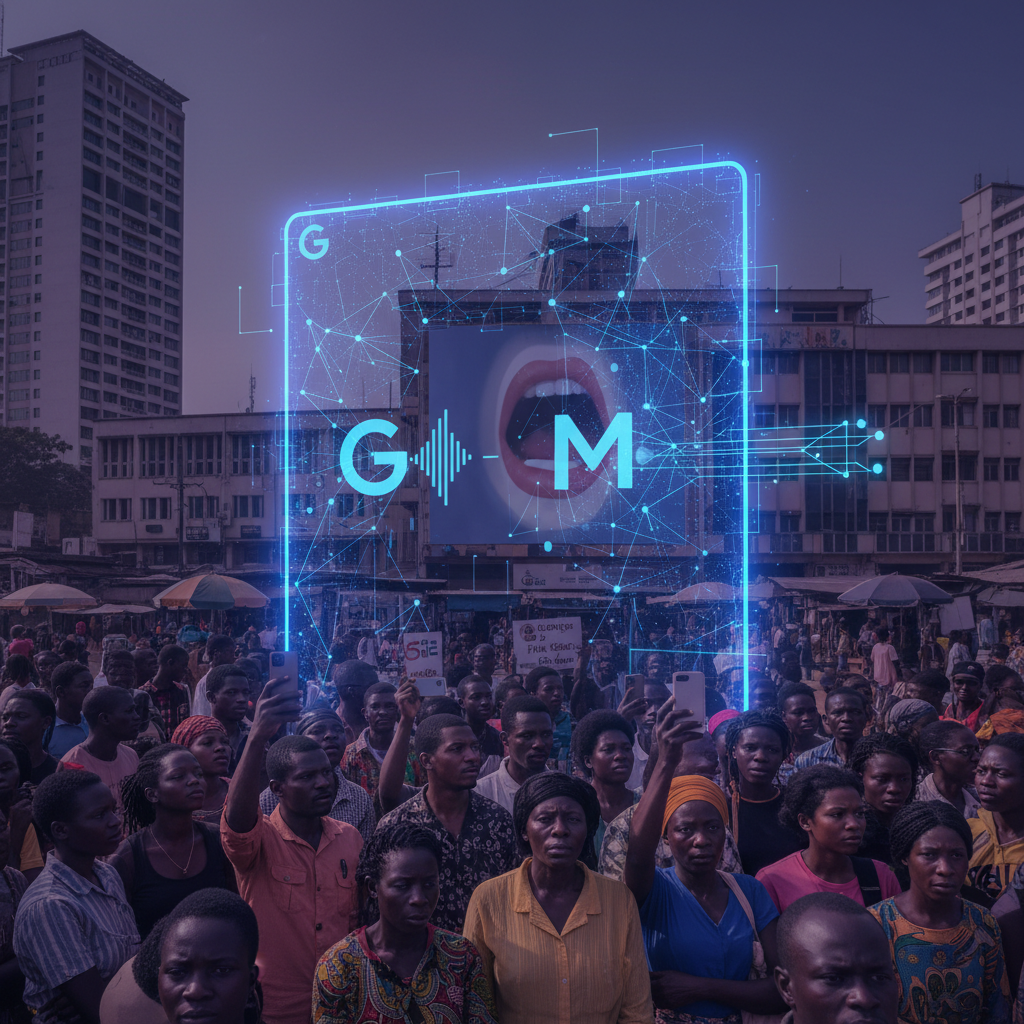
Imagine the bustling markets of Makola or Kejetia, overflowing with voices, opinions, and spirited debate. Now, translate that energy to the digital realm, where billions connect daily. Who decides what is heard and what is silenced? Increasingly, it is not a human elder or a community leader, but an algorithm, a complex system of AI designed to moderate content at an unprecedented scale. This is not just a theoretical discussion; it is a lived reality for millions, and the stakes could not be higher.
Africa, with its youthful population and soaring internet penetration, is a critical battleground in this evolving landscape. According to DataReportal, internet users in Ghana alone increased by 2.2 million between 2023 and 2024, reaching 19.49 million. That is over 57% of our population online, a massive jump. Across the continent, digital adoption is exploding, with mobile internet subscriptions projected to exceed 600 million by 2025. This means platforms like Facebook, YouTube, and X are not just social networks; they are primary sources of news, commerce, and political discourse. And their AI systems are the silent, often invisible, gatekeepers.
Google's YouTube, for instance, relies heavily on AI to flag and remove content that violates its community guidelines. In the first quarter of 2023 alone, YouTube reported that over 93% of the videos removed were first flagged by automated systems, not human reviewers. Of these, 36% were removed before a single view. While this efficiency is lauded for tackling spam, hate speech, and misinformation, particularly around sensitive topics like elections or public health, it also raises concerns. What if the AI gets it wrong? What if its training data, predominantly from Western contexts, misinterprets local nuances, satire, or even legitimate political dissent?
Meta, the parent company of Facebook, Instagram, and WhatsApp, faces similar challenges. Their AI models process billions of pieces of content daily. In their Q4 2023 Community Standards Enforcement Report, Meta stated that AI proactively detected 99.7% of hate speech content removed on Facebook and 99.4% on Instagram. These are staggering figures, showcasing the indispensable role of AI. However, critics argue that these systems often lack the cultural competency to accurately moderate content in diverse linguistic and social contexts, including many African languages and dialects. A joke in Twi or Ga could be misinterpreted as harmful content by an AI trained on English data, leading to unfair censorship.
Dr. Nii Quaynor, often called the 'Father of the Internet in Africa,' has voiced these concerns eloquently. He once remarked,