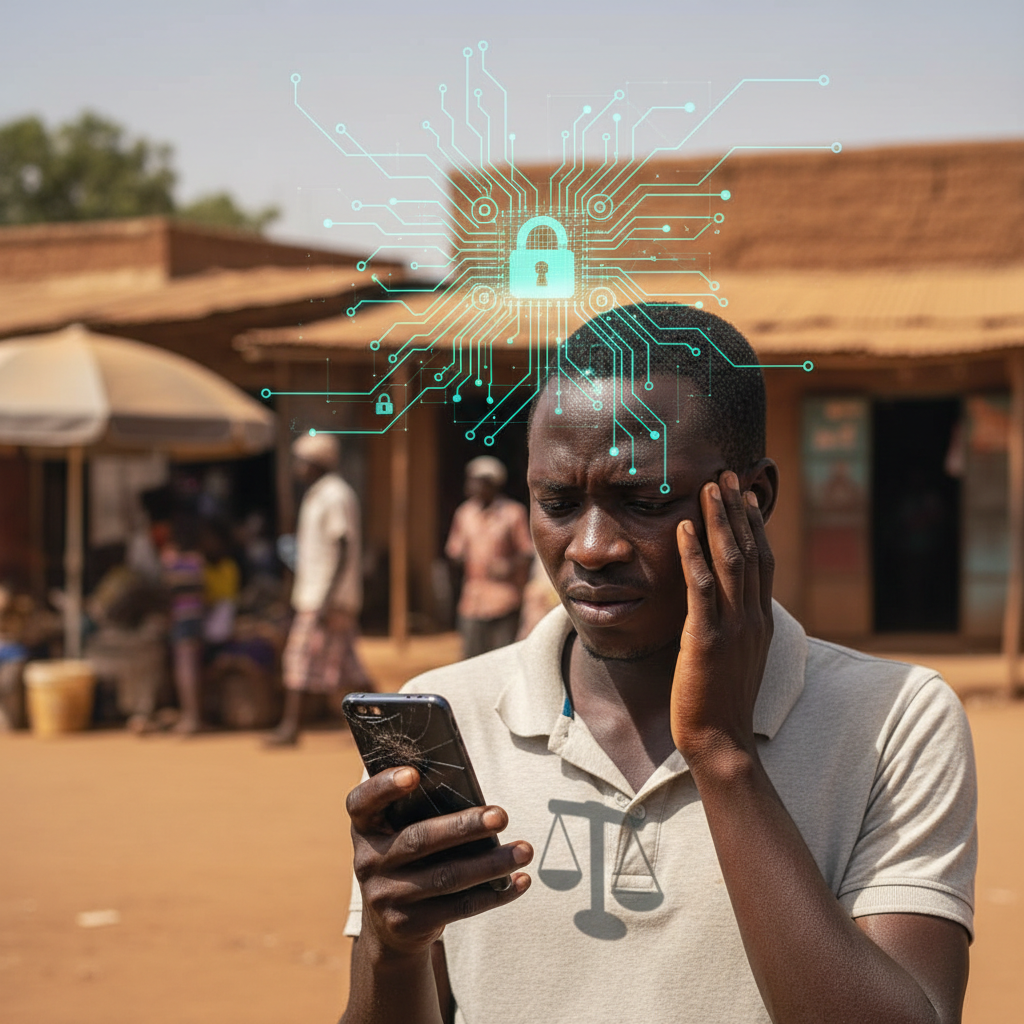

The scorching Lagos sun beat down, but inside the bustling Ikeja City Mall, the air conditioning offered little relief to Ngozi. Her phone, a lifeline to her small fashion business, had suddenly gone dead. No network. Again. This was not just an inconvenience, it was a threat to her livelihood. She braced herself for the usual ordeal: a long queue at the MTN service center, a frustrated conversation with a human agent who might or might not solve the problem, and hours wasted. But this time, something was different. A quick chat with the MTN chatbot, powered by the latest AI from a company like Google's DeepMind, quickly diagnosed a localized outage and offered a credit for her troubles. No queue, no shouting, just a swift, almost eerily efficient resolution. Ngozi was back online, bewildered but relieved. This isn't a futuristic fantasy, my friends, this is April 2026, and it is happening right now across Nigeria.
We are living through a profound shift, one that is quietly but fundamentally altering our relationship with technology, and by extension, with each other. AI in telecommunications is not just about faster internet or smarter customer service, it is about reshaping our cognitive landscapes, recalibrating our patience, and subtly influencing our expectations of instant gratification. For years, Nigerians have endured the 'African time' stereotype, a cultural acceptance of delays and inefficiencies. But with AI now optimizing networks, predicting traffic surges, and personalizing every interaction, that old rhythm is being challenged. Are we becoming less tolerant of human error, less patient with the analog world, simply because our digital interactions are becoming so flawlessly efficient?
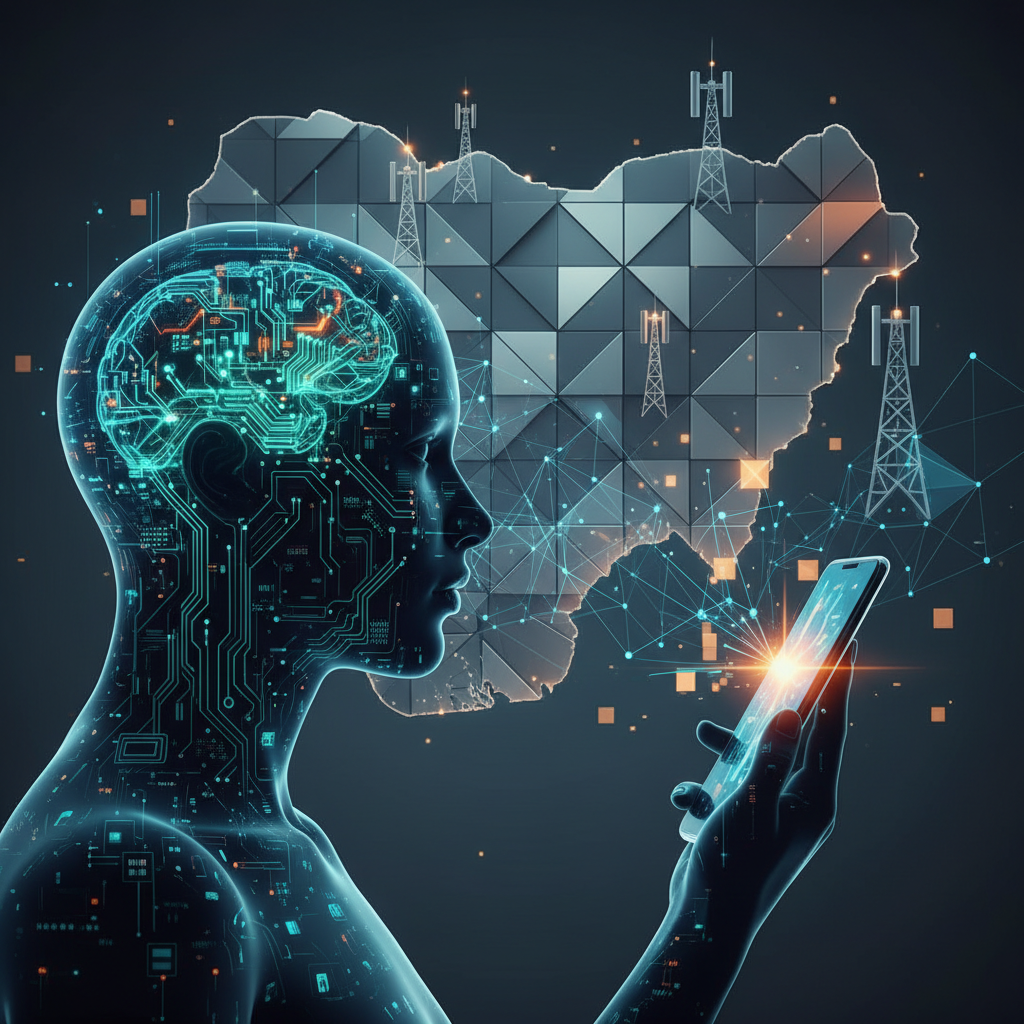
Consider the sheer scale of the transformation. Nigeria, with its youthful population and insatiable appetite for connectivity, is a prime battleground for telecom innovation. Companies like MTN, Glo, and Airtel are pouring billions into infrastructure, and AI is the secret sauce. From optimizing 5G and the nascent 6G network rollouts to predicting where and when network congestion will occur, AI algorithms are working tirelessly behind the scenes. They are analyzing petabytes of data, forecasting demand, and rerouting traffic in milliseconds. This means fewer dropped calls, faster downloads, and a smoother experience for millions. According to a recent report by Reuters, global telecom operators are expected to invest over $20 billion in AI solutions by 2028, with a significant portion targeting emerging markets like ours.
But what does this relentless efficiency do to us, the users? Dr. Emeka Okoro, a cognitive psychologist at the University of Ibadan, has been studying the effects of ubiquitous AI interaction on Nigerian youth. "We are observing a noticeable shift in cognitive processing," he told me during a recent interview. "The expectation of immediate answers, the seamless resolution of issues by AI chatbots, it's subtly eroding our capacity for sustained problem-solving and our tolerance for ambiguity. When an AI resolves your issue in seconds, waiting five minutes for a human agent feels like an eternity. This isn't necessarily bad, but it's a profound change in our psychological makeup." Mark my words, this is a generation being raised on instant digital gratification, and it will have long-term implications for how we interact with the world.
The impact extends beyond mere impatience. AI driven personalization in customer service, for example, creates a sense of being understood, even anticipated. When you call your telecom provider and an AI assistant already knows your recent data usage, your common issues, and even suggests a plan upgrade tailored to your habits, it's incredibly convenient. But it also fosters a new kind of dependency. We outsource the mental load of remembering account details or navigating complex menus to the AI. While this frees up cognitive resources for other tasks, it also risks dulling certain faculties. Are we becoming less adept at navigating bureaucracy, less skilled at articulating our needs, because AI is doing it for us?
Moreover, the very nature of our relationships is evolving. When AI helps optimize network stability, it means more consistent video calls with family abroad, more reliable streaming of Afrobeats concerts, and smoother online gaming sessions. These are undeniably positive for maintaining social bonds across distances. However, the mediation of these interactions by ever-smarter algorithms also raises questions. Are we becoming more comfortable with AI as an intermediary in our most personal communications? Is the seamlessness of the connection making us less aware of the technological scaffolding that supports it, leading to a kind of digital 'magical thinking' where complex processes simply 'work' without our understanding?
Consider the massive undertaking of 5G and 6G planning. In a country as diverse and geographically challenging as Nigeria, deploying these advanced networks is a logistical nightmare. AI is stepping in to analyze terrain, predict optimal tower locations, manage spectrum allocation, and even simulate network performance before a single cable is laid. This means faster, more equitable access to high-speed internet, which can unlock unprecedented opportunities in education, healthcare, and commerce. "AI is democratizing access to cutting-edge connectivity," remarked Dr. Amina Yusuf, a telecommunications engineer and CEO of ConnectAfrica, a Nigerian startup leveraging AI for rural broadband deployment. "It allows us to extend the reach of 5G to remote villages, bridging the digital divide more efficiently than ever before. This has profound implications for social equity and economic empowerment." This is where the future is already here because it's just not evenly distributed, and AI is helping to spread it.
However, the psychological implications of this hyper-optimized, AI-driven connectivity are still being explored. There is a growing body of research, particularly from institutions like MIT Technology Review, suggesting that constant, seamless digital immersion can affect attention spans and deep thinking. When every query is answered instantly, and every connection is flawless, do we lose the mental muscle for sustained focus and critical inquiry? The human brain is incredibly adaptable, but also susceptible to its environment. If our environment is one of perpetual, AI-mediated efficiency, our brains will adapt to that, for better or worse.
So, what is the practical advice for us, the digital citizens of Nigeria? First, cultivate digital mindfulness. Recognize when you are interacting with AI versus a human, and understand the different cognitive demands each interaction places on you. Second, intentionally seek out moments of 'slow' engagement. Read a physical book, engage in face-to-face conversations without the constant interruption of notifications, or tackle a complex problem that requires sustained, independent thought. Third, demand transparency. As AI becomes more embedded in our telecom infrastructure, we need to understand how our data is being used for optimization and personalization. Companies like MTN and Airtel have a responsibility to educate their users, not just about the benefits, but about the cognitive trade-offs.
The AI revolution in telecommunications is a double-edged sword. It promises to connect us faster, more reliably, and more personally than ever before. It is a powerful engine for economic growth and social inclusion, especially in a dynamic market like Nigeria. But it also subtly reshapes our minds, our expectations, and our very human capacity for patience and independent thought. As we embrace this future, we must do so with open eyes, understanding that while AI optimizes the network, we must optimize our own minds to thrive within it. Nigeria will lead this revolution, but we must also lead the conversation about its human impact.