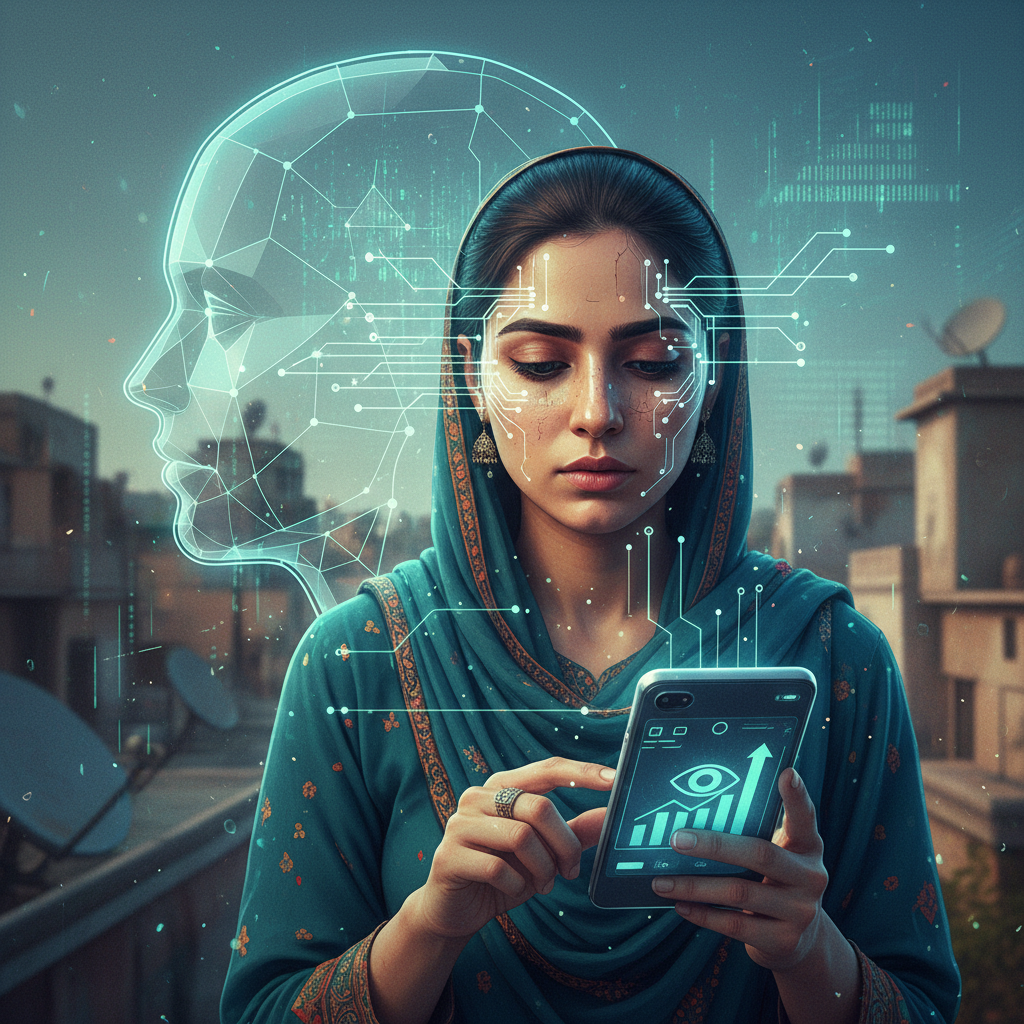

The global fashion industry, a tapestry woven with threads of creativity, commerce, and fleeting trends, is undergoing a profound transformation. At its loom, artificial intelligence is re-spinning the very fabric of how garments are conceived, produced, and consumed. From my vantage point in Japan, a nation where the meticulous artistry of a kimono maker meets the relentless efficiency of automated manufacturing, this integration of AI into fashion is not merely an innovation; it is a critical evolution, a necessary step toward a more intelligent and sustainable future.
For too long, the fashion industry has operated on intuition and often, wasteful excess. Designers, buyers, and retailers have grappled with the elusive beast of trend prediction, often leading to overproduction, unsold inventory, and immense environmental cost. This is where AI, like a master artisan with an infinite memory, steps in. Algorithms are now capable of analyzing vast datasets, from social media chatter and celebrity endorsements to macroeconomic indicators and historical sales figures, to forecast demand with unprecedented accuracy. Companies like Stitch Fix and Zalando have already demonstrated the power of AI in personalizing recommendations and optimizing inventory, but the true potential extends far beyond individual consumer preferences.
Consider the intricate dance of seasonal collections. Traditionally, this involves significant risk, with brands betting millions on designs months, sometimes a year, in advance. AI offers a data-driven compass. "The precision in forecasting that AI provides is fundamentally altering our supply chain strategies," explains Dr. Akari Tanaka, Head of AI Innovation at Fast Retailing, the parent company of Uniqlo. "We are seeing a 15% reduction in overproduction for our core lines, directly attributable to AI-driven demand sensing. This is not just about profit; it is about responsibility." This kind of data-driven insight, honed by machine learning models, allows for more agile production cycles, reducing waste and increasing responsiveness to market shifts. Reuters has reported extensively on this paradigm shift.
Then there is the captivating realm of virtual try-on. For centuries, the tactile experience of fabric against skin, the mirror's honest reflection, has been paramount in clothing selection. Yet, the digital age demands new paradigms. Virtual try-on technologies, powered by advanced computer vision and augmented reality, are rapidly maturing. Imagine a customer in Osaka effortlessly trying on a bespoke suit from a Parisian atelier, seeing how it drapes, how the colors play against their complexion, all from their smartphone. Early iterations, such as those offered by Amazon and Google, have sometimes felt rudimentary, akin to a child's dress-up game. However, the engineering is remarkable now, with companies leveraging sophisticated 3D body scanning and cloth simulation to create hyper-realistic experiences. This not only enhances the online shopping experience but also drastically reduces returns, a significant logistical and environmental burden for retailers.
However, the most profound impact of AI in fashion, from my perspective, lies in its capacity to foster sustainable design. Japan has been quietly building a reputation for its commitment to sustainability and circular economy principles, and AI is poised to accelerate these efforts. Sustainable design is not merely about using recycled materials; it encompasses the entire lifecycle of a garment, from raw material sourcing and manufacturing processes to consumer use and end-of-life disposal. AI can optimize fabric cutting to minimize waste, identify suppliers with ethical practices, and even design garments with modular components for easier repair and recycling. "We are developing AI models that can analyze material composition and suggest optimal recycling pathways, or even predict the longevity of a garment based on its design and intended use," states Mr. Kenji Sato, Director of Textile Innovation at Toray Industries, a leading Japanese textile manufacturer. "This moves us beyond merely 'less bad' to truly 'good' design." The potential for AI to guide designers toward more environmentally conscious choices, predicting the carbon footprint of various material combinations or manufacturing techniques, is immense.
Some might argue that relying too heavily on algorithms stifles creativity, that the unpredictable spark of human genius is what truly drives fashion forward. They might contend that the human element, the nuanced understanding of culture and emotion that informs design, cannot be replicated by code. This is a valid concern, one that echoes the broader debate about AI's role in creative industries. However, I believe this perspective misunderstands AI's true function. AI is not a replacement for human creativity; it is an amplification tool, a sophisticated assistant that liberates designers from mundane tasks and provides unprecedented insights.
Consider a chef. Does a precise kitchen scale or a perfectly calibrated oven diminish their culinary artistry? No, these tools empower them to achieve new levels of perfection and consistency. Similarly, AI can handle the laborious data analysis, the pattern recognition, and the optimization calculations, allowing designers to focus on their core strength: imaginative expression. It provides a deeper understanding of consumer desires, material properties, and environmental impacts, enabling designers to create with greater purpose and impact. The human touch, the intangible 'wabi-sabi' of a perfectly imperfect garment, remains irreplaceable, but AI can ensure its journey from concept to closet is more efficient, ethical, and sustainable.
Precision matters in every aspect of manufacturing, and fashion is no exception. From the intricate stitching of a traditional 'sashiko' pattern to the mass production of contemporary apparel, accuracy minimizes waste and maximizes quality. AI brings this precision to the abstract world of design and prediction. It is not about turning fashion into a cold, calculated exercise; it is about injecting intelligence into a system that desperately needs it. The future of fashion, particularly here in Japan where innovation and tradition often intertwine, is not merely digital; it is intelligently digital. It is a future where algorithms and artisans collaborate, creating beauty that is both visionary and responsible. We are on the cusp of a new era where technology does not just change what we wear, but how we wear it, and the very planet we wear it on. For further insights into the technological advancements driving this change, one might consult MIT Technology Review.
This is not a utopian vision, but a pragmatic imperative. The fashion industry, responsible for an estimated 10% of global carbon emissions and a significant portion of wastewater, cannot afford to ignore the tools that AI offers. The challenge now is for brands, designers, and consumers alike to embrace this intelligent transformation, to demand transparency, and to foster a collaborative environment where technology serves humanity and the planet. The threads of innovation are being woven; it is up to us to ensure the resulting garment is one of lasting beauty and enduring value.