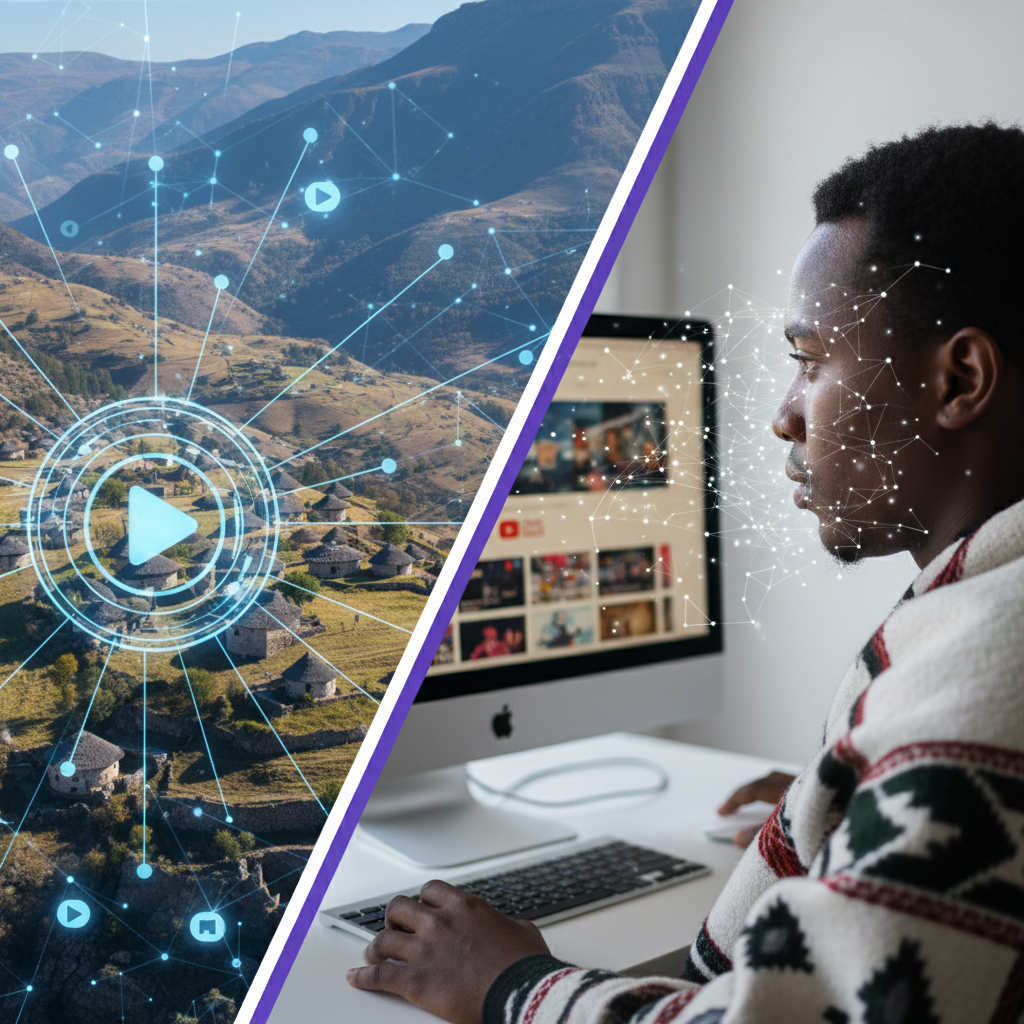
The digital landscape, much like the rugged terrain of Lesotho, is often perceived as a frontier of boundless opportunity. For content creators across our mountain kingdom, YouTube has emerged as a crucial platform, a digital marketplace where stories, music, and cultural expressions can reach a global audience. However, beneath the surface of viral videos and burgeoning channels lies a sophisticated, often opaque, ecosystem powered by Google's artificial intelligence. This is not merely about making videos; it is about understanding the unseen forces that dictate visibility, revenue, and ultimately, the very livelihoods of our creators.
My investigation into YouTube's AI-powered content creation tools reveals a system designed with dual objectives: to streamline production for creators and to optimize engagement for viewers, all while serving Google's overarching advertising model. What they're not telling you, however, is the extent to which these tools, while seemingly empowering, also centralize control and demand a conformity that can stifle genuine innovation and cultural nuance.
The Big Picture: A Digital Shepherd for Content
At its core, YouTube's AI system acts as a digital shepherd. It guides creators towards content likely to succeed and nudges viewers towards videos they are most likely to watch. For Basotho creators, this means their traditional stories, unique music, or educational content must now contend with an algorithm that prioritizes watch time, click-through rates, and audience retention. The promise is efficiency; the reality is a subtle but powerful shaping of creative output. "These tools are a double-edged sword," explains Dr. Nthabiseng Moleko, a prominent economist at the National University of Lesotho. "They offer unprecedented reach but also impose a certain homogeneity, pushing creators towards what the algorithm 'likes' rather than what is authentically innovative or locally relevant." Her concern echoes a broader sentiment about algorithmic influence on cultural production.
The Building Blocks: Key AI Components Explained Simply
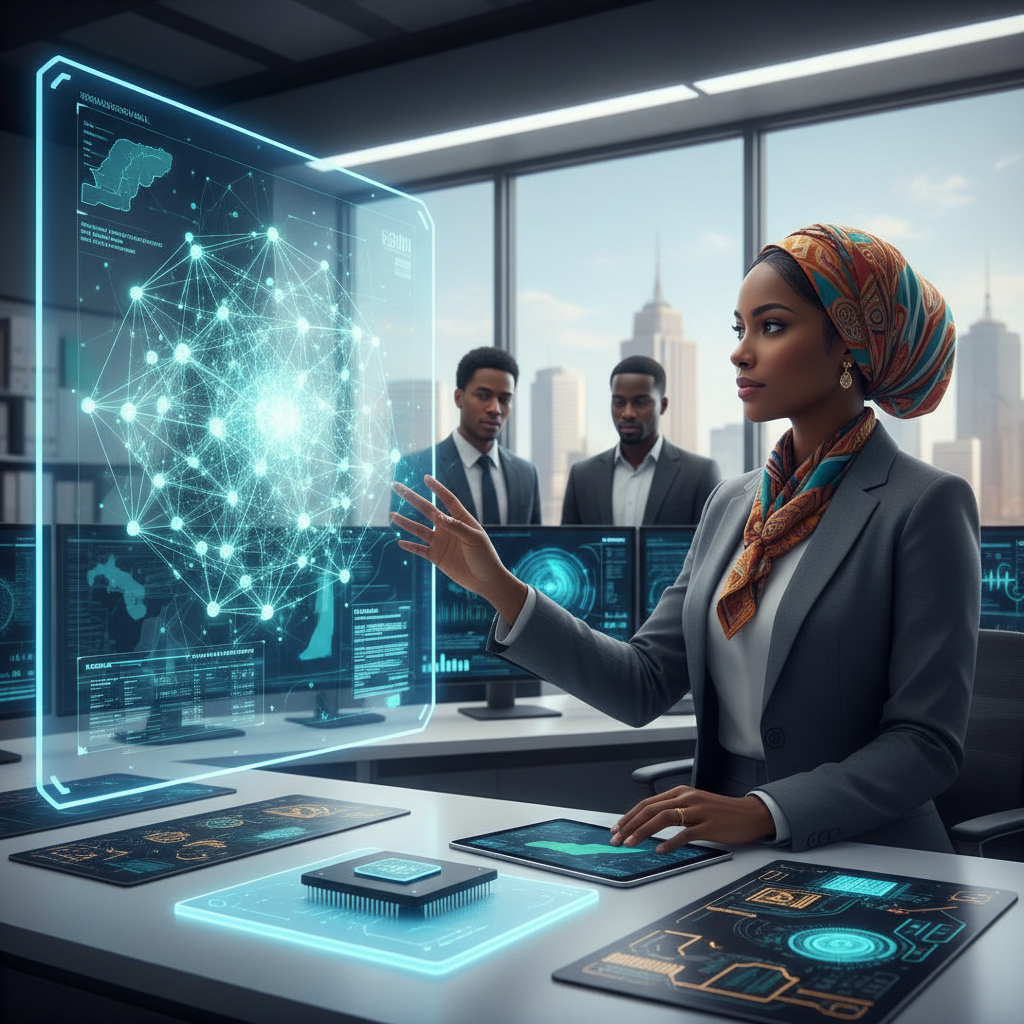
YouTube's content creation AI is not a single entity but a suite of interconnected machine learning models. Think of it as a series of specialized workshops, each handling a specific task:
- Content Analysis Engines: These are deep learning models, often based on transformer architectures similar to those used in large language models, that 'understand' video content. They transcribe speech, identify objects and scenes within frames, recognize faces, and even detect emotions or themes. For a video showcasing traditional Basotho weaving, this engine would identify the weaving patterns, the type of fabric, and the cultural context, categorizing it for discoverability.
- Metadata and SEO Optimizers: These tools suggest optimal titles, descriptions, and tags based on trending topics and search queries. They analyze vast datasets of successful content to recommend keywords that will maximize a video's chances of appearing in search results or recommended feeds. This is where a creator might be advised to use terms like "African crafts" or "traditional art" to broaden their appeal.
- Audience Engagement Predictors: These models analyze viewer behavior, predicting which content will keep viewers engaged. They learn from billions of watch sessions, identifying patterns in when viewers click away, fast-forward, or share. These insights are then fed back to creators, often through YouTube Studio analytics, guiding them on optimal video length, pacing, and even thumbnail design.
- Copyright and Moderation Bots: Crucially, these AI systems scan uploaded content for copyright infringement and policy violations. They compare new uploads against a vast database of copyrighted material and community guidelines, automatically flagging or even removing content. For creators using traditional music or imagery, navigating these automated systems can be a minefield, often leading to disputes that are difficult to resolve without human intervention.
Step by Step: How a Creator's Video Navigates the AI System
Imagine a young Mosotho filmmaker, 'Masechaba, uploading a documentary about the annual Morija Arts & Culture Festival. Here is how YouTube's AI processes her work:
- Upload and Initial Scan: As 'Masechaba uploads her video, the Content Analysis Engines immediately begin processing it. They transcribe the Sesotho dialogue, identify the festival scenes, the traditional attire, and the performances. They also check for any explicit content or policy violations.
- Metadata Suggestion: The Metadata and SEO Optimizers then spring into action. Based on the content analysis and trending searches, they might suggest titles like "Morija Arts Festival 2026: Lesotho's Cultural Heartbeat" and recommend tags such as "Basotho culture," "African festivals," "traditional music," and "Lesotho travel." 'Masechaba can accept or modify these suggestions.
- Thumbnail and Engagement Analysis: As the video goes live, the Audience Engagement Predictors start gathering data. They track how many people click on her video from various recommendations, how long they watch, and if they interact with the comments or share the video. If viewers drop off quickly, the AI might subtly reduce the video's visibility in recommendations.
- Monetization Review: If 'Masechaba has enabled monetization, the AI further scrutinizes the content for advertiser-friendliness, ensuring it aligns with brand safety guidelines. If any traditional elements are misinterpreted as controversial, it could affect ad revenue.
- Feedback Loop: 'Masechaba receives detailed analytics in YouTube Studio, showing her audience demographics, watch time, and traffic sources. These metrics, heavily influenced by the AI's initial categorization and subsequent promotion, guide her future content decisions.
A Worked Example: The Case of the Litema Artist
Consider Thabo, a talented artist from Berea, who creates intricate litema patterns, traditional Basotho murals. He decides to start a YouTube channel demonstrating his craft. Initially, his videos gain little traction, despite their artistic merit. The AI, lacking sufficient data on this niche, struggles to categorize and recommend it effectively.
Thabo then uses the AI's suggested keywords, adding terms like "African art tutorials," "geometric patterns," and "cultural heritage." He also optimizes his thumbnails, using vibrant close-ups of his litema work, as recommended by the platform's analytics. Slowly, the AI begins to understand his content better. It identifies viewers who watch other art tutorials or documentaries on African culture and starts recommending Thabo's videos to them. His watch time increases, and his subscriber count grows. The AI has learned, and Thabo has adapted, but at the cost of potentially diluting the pure cultural message with broader, more searchable terms.
Why it Sometimes Fails: Limitations and Edge Cases
Despite their sophistication, these AI systems are not infallible. Their primary limitation lies in their reliance on historical data and their inherent bias towards established patterns. For unique cultural content from regions like Lesotho, this can be problematic. The AI may struggle with:
- Cultural Nuance: A gesture or phrase perfectly innocent in Sesotho might be misinterpreted by an AI trained predominantly on Western datasets, leading to incorrect flagging or demonetization.
- Language Barriers: While speech-to-text has improved, less common languages or regional dialects may not be accurately transcribed, hindering content analysis.
- Niche Content Discoverability: If a topic is truly novel or has very little existing data, the AI may not know how to effectively categorize or promote it, leaving creators in obscurity.
- Algorithmic Bias: As Dr. Palesa Mphunyane, a digital anthropologist based in Maseru, points out, "The algorithms reflect the biases of the data they are trained on. If that data is predominantly from one cultural context, it will inevitably struggle with others, creating an uneven playing field for diverse voices." This is a critical concern for equitable representation online.
Furthermore, the constant pressure to conform to algorithmic preferences can lead to content creators producing what is popular rather than what is authentic. This can result in a homogenization of content, where unique cultural expressions are sidelined in favor of globally palatable, algorithm-friendly formats. The drive for virality can overshadow artistic integrity.
Where This is Heading: The Future of Algorithmic Creativity
The trajectory of YouTube's AI tools points towards even greater integration and sophistication. We can anticipate more advanced personalized recommendations, real-time content optimization suggestions during recording, and perhaps even AI-assisted editing. Google's continued investment in AI research, particularly in multimodal models that can process text, audio, and video simultaneously, suggests a future where the AI understands content with even greater depth and nuance. For example, Google DeepMind is constantly pushing the boundaries of what AI can perceive and generate.
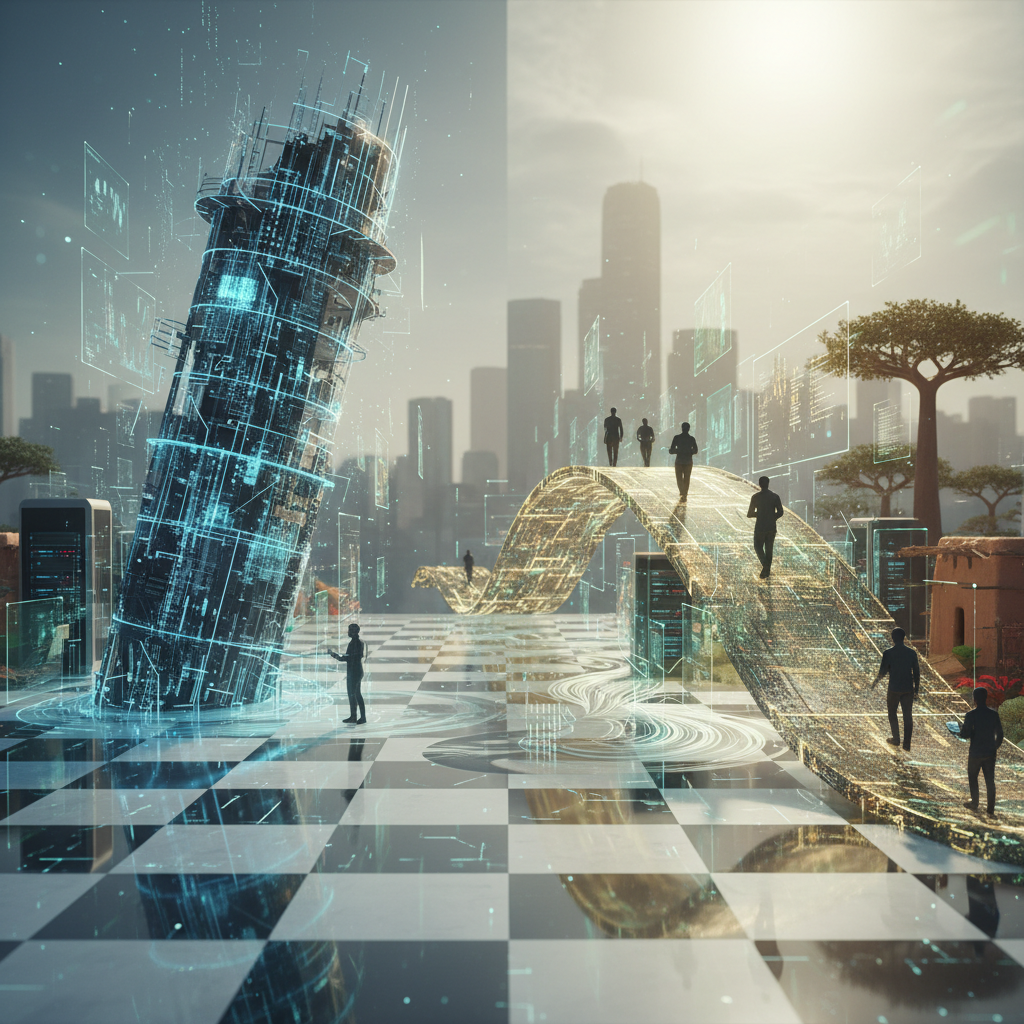
However, the fundamental questions remain: Who benefits most from this technological advancement? Is it the platform, which gains more engaged users and advertising revenue? Is it the creators, who find new audiences but must navigate an increasingly complex algorithmic maze? Or is it the viewer, who receives highly personalized content but may be trapped in a filter bubble, exposed only to what the AI predicts they will like?
Sources close to the matter confirm that Google is exploring ways to make its AI more culturally sensitive, particularly for diverse global markets. Yet, the path to truly equitable algorithmic systems is fraught with challenges. For Basotho creators, the imperative is clear: understand the machine, adapt where necessary, but never lose sight of the authentic voice and unique stories that only they can tell. The digital future demands both technological literacy and unwavering cultural resilience. As the digital drumbeat grows louder, we must ensure our own rhythms are not lost in the algorithmic echo chamber. For more insights into the broader impact of AI on global digital economies, one might look to analyses provided by TechCrunch or Wired. The conversation about who controls the narrative in the age of AI is only just beginning. ```