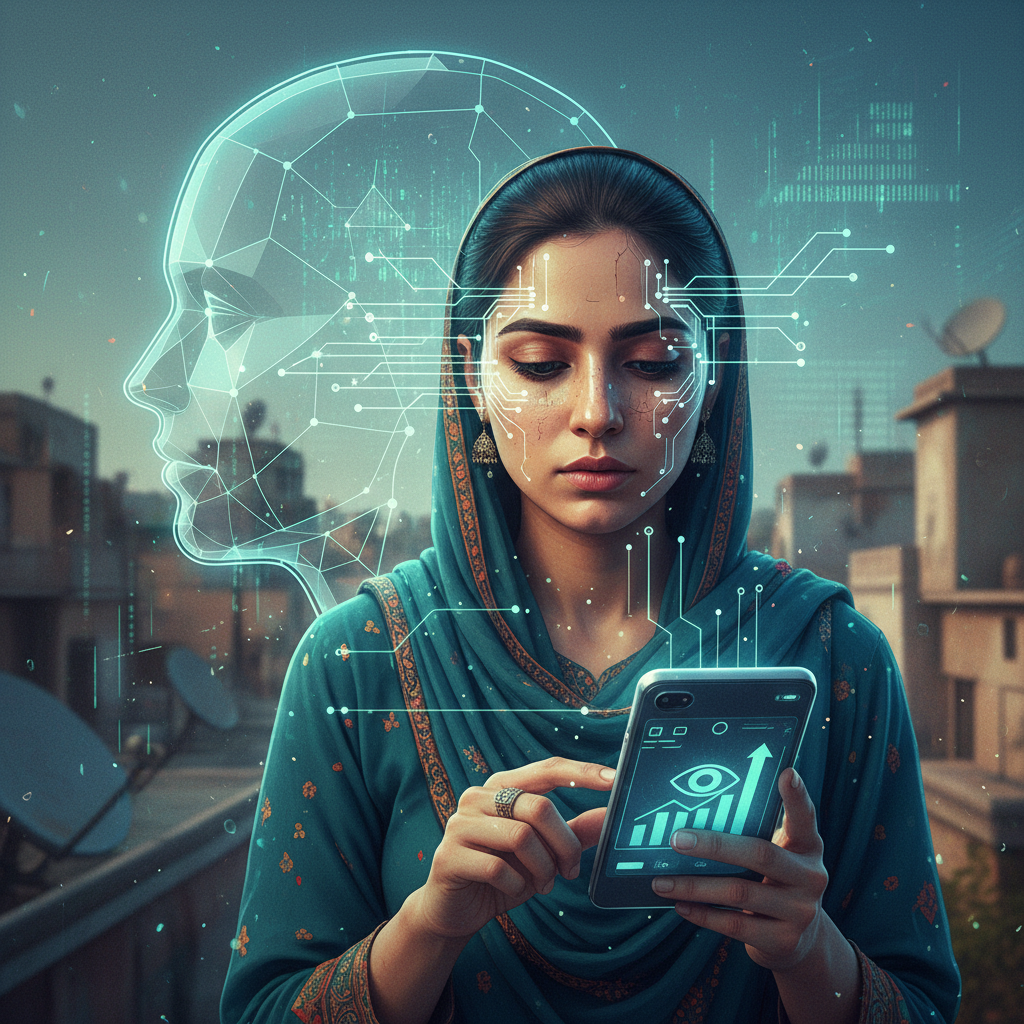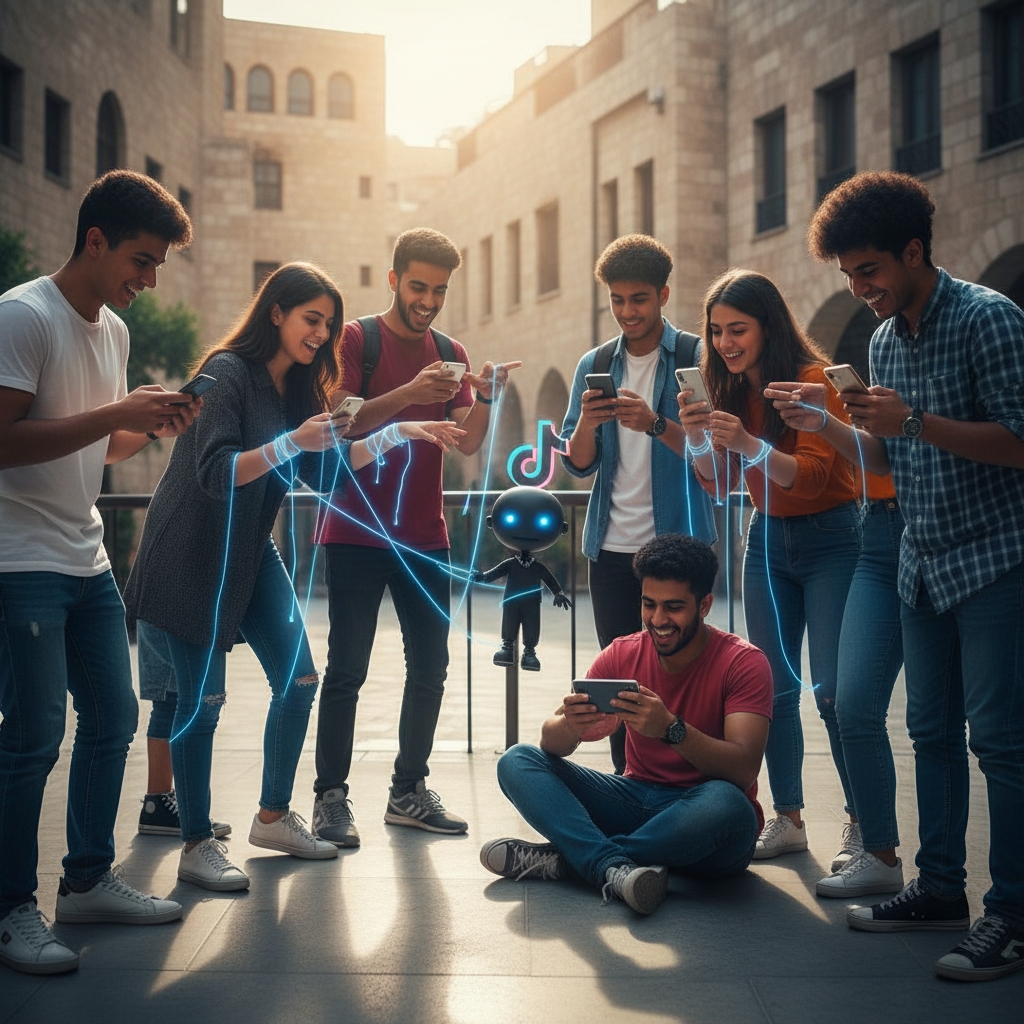
Let us be frank. While the tech titans in California and Seattle prattle on about large language models and the metaverse, the most potent artificial intelligence on Earth is already here, deeply embedded in the daily lives of millions, particularly our youth. I am talking, of course, about ByteDance's TikTok and its notoriously opaque, yet undeniably effective, recommendation algorithm. From the bustling streets of downtown Amman to the quiet villages overlooking the Jordan Valley, this app has become a ubiquitous presence, a digital companion for a generation.
And I have an unpopular opinion from Amman: The West has it backwards. They focus on the shiny new toys, the AGI race, the existential threats. Meanwhile, a Chinese company has perfected the art of behavioral modification at scale, right under their noses, and ours. This isn't about some distant future where robots take our jobs; this is about the present, where algorithms are subtly, yet profoundly, dictating our interests, our consumption, and even our worldview. It is a soft power play, and it is far more insidious because it feels so personal, so tailored.
Consider the sheer scale. TikTok boasts over a billion active users worldwide. In Jordan, its penetration among young people is staggering. Walk into any cafe, any university campus, any family gathering, and you will see heads bowed, eyes glued to the endless scroll. The platform's genius lies in its ability to understand and predict user preferences with uncanny accuracy, often before the user even realizes those preferences exist. It is not just a content delivery system; it is a content creation and curation system, where trends are born, amplified, and extinguished with dizzying speed.
This algorithmic prowess has not gone unnoticed by global players. Sports leagues, for instance, are increasingly leveraging TikTok to reach younger audiences. The NBA, for example, has a massive presence on the platform, sharing highlight reels and behind-the-scenes content that racks up billions of views. Football clubs, from Real Madrid to Liverpool, have dedicated teams creating short form videos specifically for the TikTok audience. Why? Because the algorithm ensures their content finds its way to potential fans, even those who might not actively seek out sports news. It is a direct line to the next generation of supporters, bypassing traditional media gatekeepers entirely.
But here is where my skepticism kicks in. This hyper-personalization, while seemingly benign for sports highlights, has a darker underbelly. What happens when the algorithm decides to feed you a steady diet of misinformation, or content that promotes unhealthy behaviors, or narratives that sow division? The same mechanism that connects a Jordanian teenager to a viral football trick shot can also connect them to echo chambers of extreme views, tailored to reinforce existing biases. It is a double-edged sword, and we, the users, are often unaware of which edge is facing us.
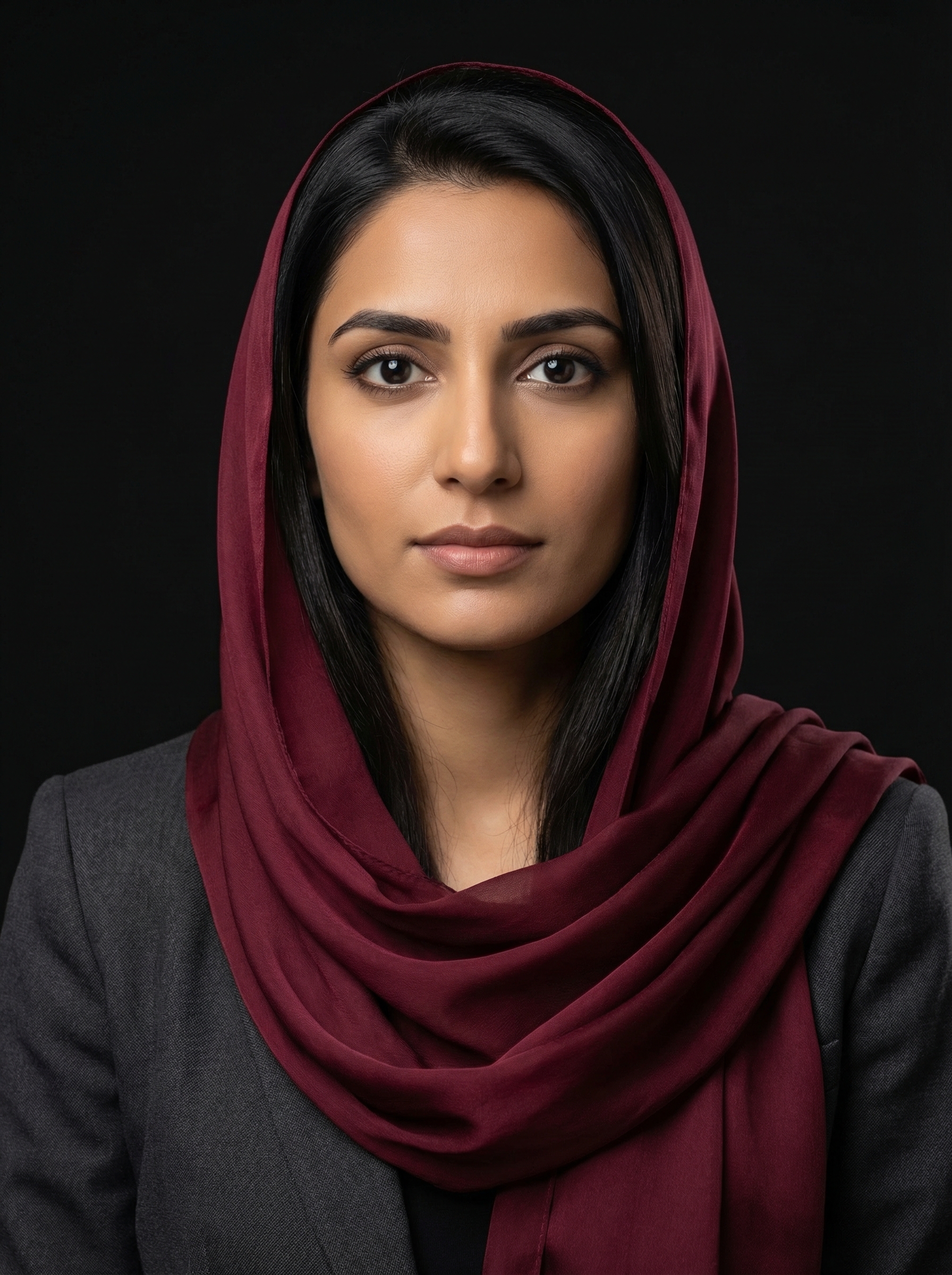
Dr. Fadi Al-Qudah, a prominent sociologist at the University of Jordan, has voiced concerns about this very issue. “The TikTok algorithm is a black box, a digital oracle that whispers into the ears of our youth,” Dr. Al-Qudah stated recently in a local symposium. “While it offers entertainment and connection, its unchecked power to shape perceptions and direct attention without transparency is a significant societal risk. We are seeing shifts in cultural norms, consumer habits, and even political discourse, all influenced by this invisible hand.”
Indeed, the data points are telling. A report by Reuters highlighted how TikTok's recommendation engine drives unprecedented engagement, with users spending an average of 95 minutes per day on the app globally. This isn't just passive consumption; it is active immersion. For ByteDance, this engagement translates into staggering advertising revenue, estimated to be in the tens of billions of dollars annually. The more time you spend, the more data they collect, the better the algorithm gets, and the more targeted the ads become. It is a self-reinforcing loop, a digital ouroboros of attention and profit.
And what about the impact on local culture and creativity? While TikTok has undoubtedly given a platform to many Jordanian artists and content creators, allowing them to reach audiences far beyond our borders, it also creates a pressure to conform to algorithmic trends. Originality can sometimes be sacrificed at the altar of virality. The algorithm rewards what is already popular, often leading to homogenization rather than genuine innovation.
Consider the recent phenomenon of AI generated content on TikTok. While platforms like OpenAI and Meta are exploring generative AI for text and images, TikTok's algorithm is already adept at amplifying AI-created videos and sounds, blurring the lines between human and machine-generated content. This further complicates the landscape, making it harder for users to discern authenticity. It is not just about what you like; it is about what the algorithm thinks you should like, and what it wants you to see.
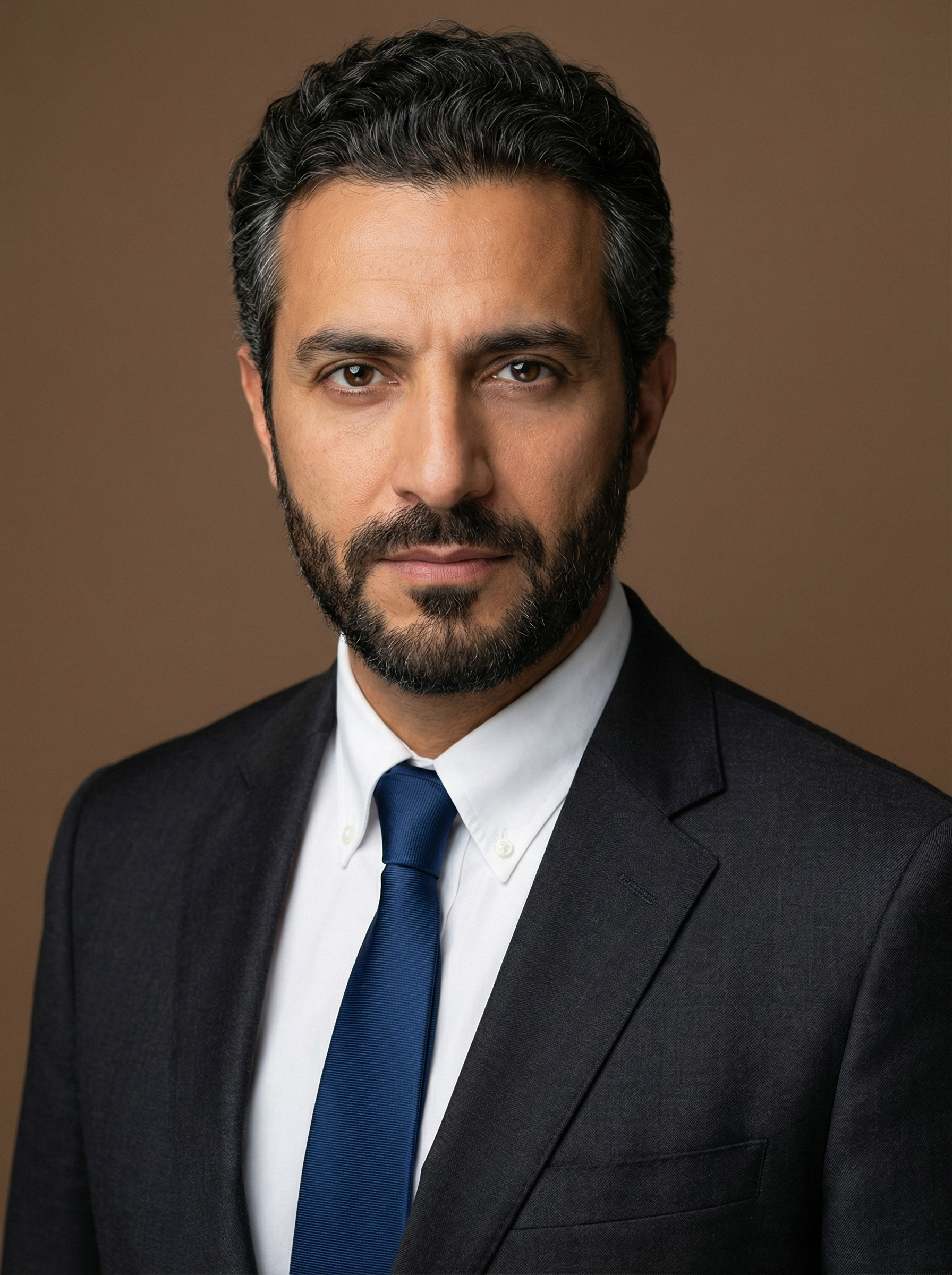
“The power of these recommendation engines is often underestimated because they operate so subtly,” explained Dr. Sarah Al-Dajani, a tech policy analyst based in Dubai, speaking at a recent regional conference. “Unlike explicit censorship, which is easily identifiable, algorithmic curation can guide entire populations down specific informational pathways without them ever realizing an alternative existed. This is a profound challenge to digital literacy and critical thinking.”
Jordan's approach makes more sense than Silicon Valley's, in a way. While the West debates the ethics of future AI, we in the Middle East are grappling with the immediate, tangible effects of AI that is already here, shaping our daily lives. Our concerns are less about hypothetical superintelligence and more about the very real implications of algorithmic control over information flow and cultural narratives. We are living the experiment, not just theorizing about it.
So, what is the solution? It is not about banning TikTok; that is a naive and ultimately futile endeavor. The solution lies in transparency, in digital literacy, and in demanding greater accountability from these powerful platforms. We need to understand how these algorithms work, what data they collect, and what biases they might perpetuate. Regulators, both here in Jordan and globally, must push for greater insight into these black boxes. Our youth deserve to be informed citizens of the digital world, not merely passive consumers of an algorithmically curated reality.
Because if we do not understand the puppet master, we can never truly cut the strings. The future of our digital sovereignty, and indeed our cultural identity, hinges on this understanding. It is time we stopped being mesmerized by the digital dance and started asking who is calling the tune. For more on the broader implications of social media on youth, you might find this relevant: When Digital Divas Rule the Levant: Can Jordan's Youth Distinguish AI from Reality, Mr. Zuckerberg? [blocked]. The conversation is far from over. Our vigilance must be constant. The stakes are too high to look away. For further insights into the societal impact of AI, I often consult Wired for their critical perspectives.