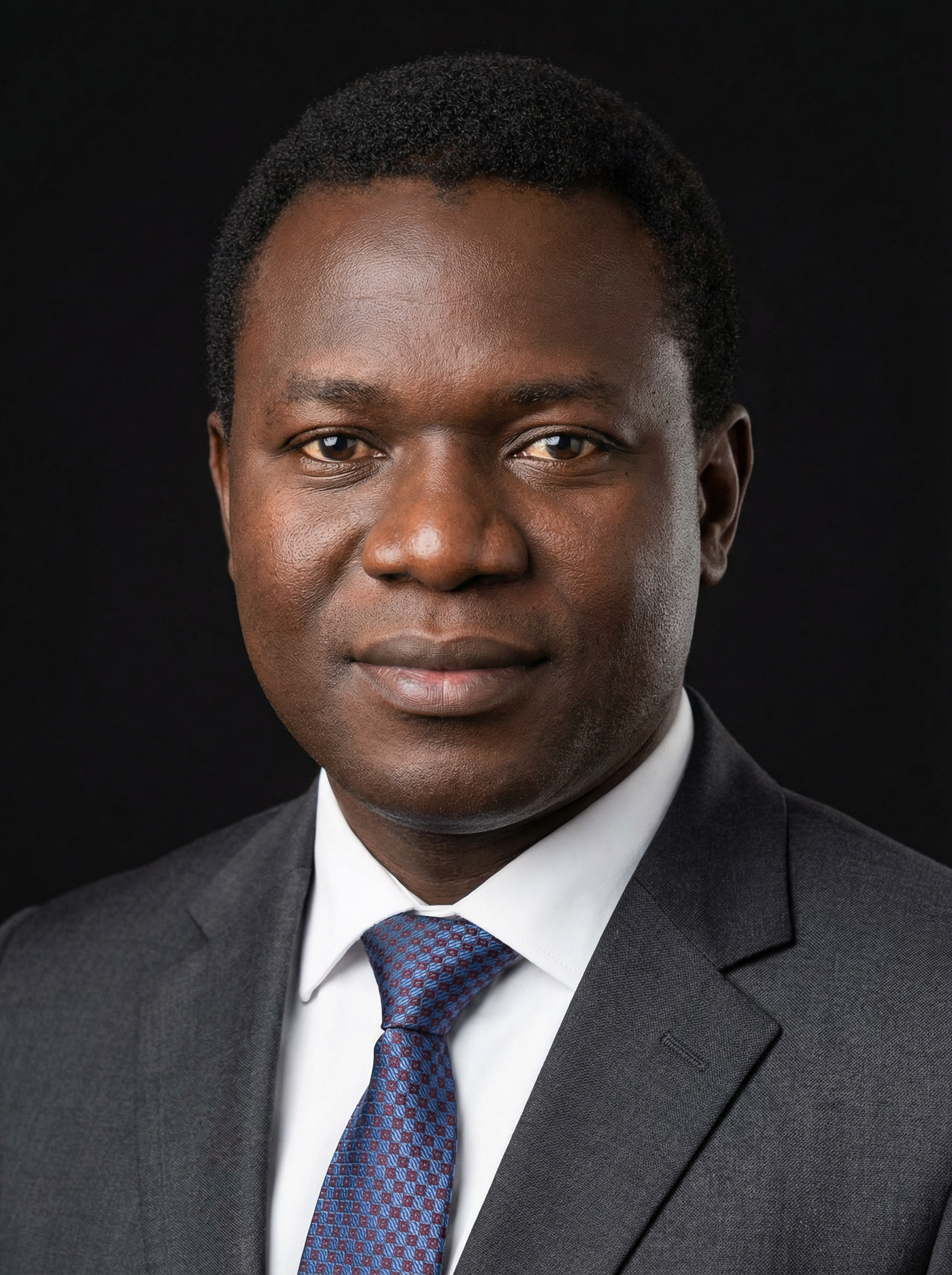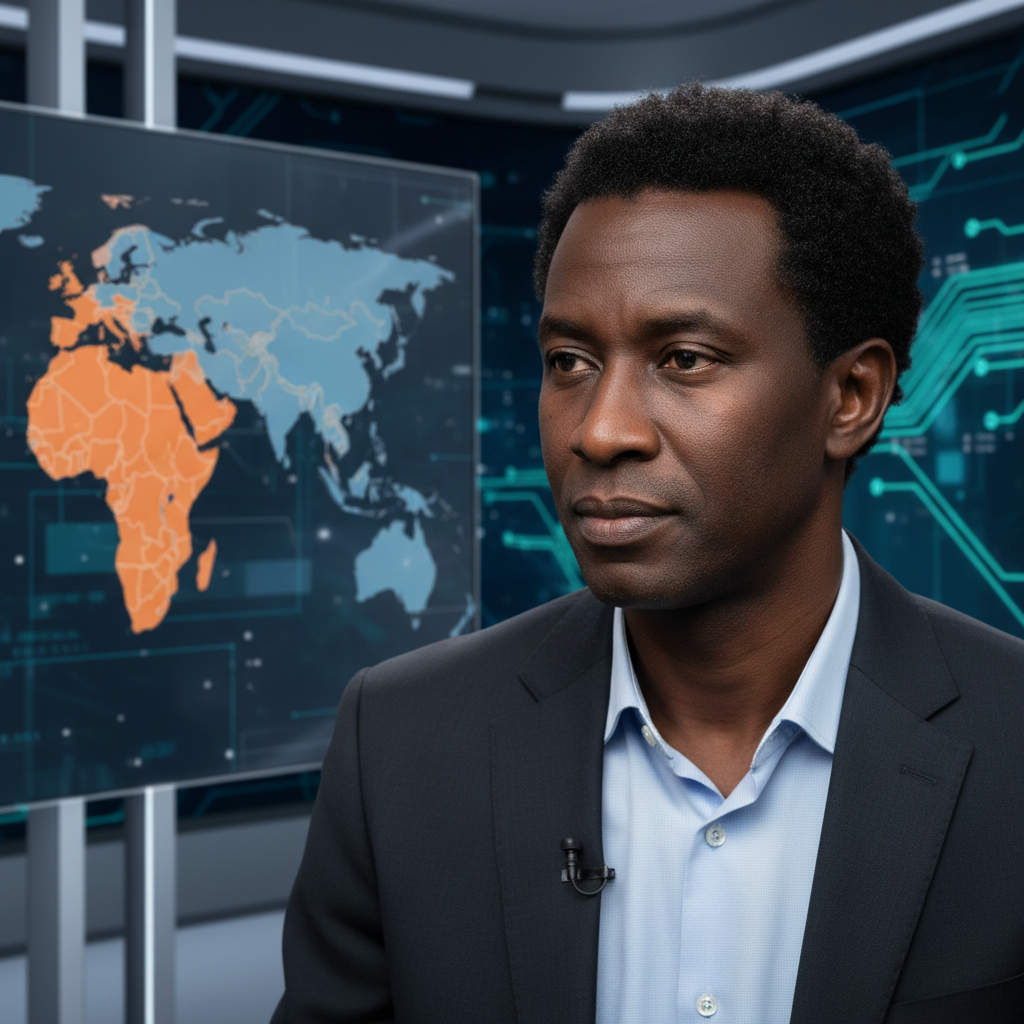
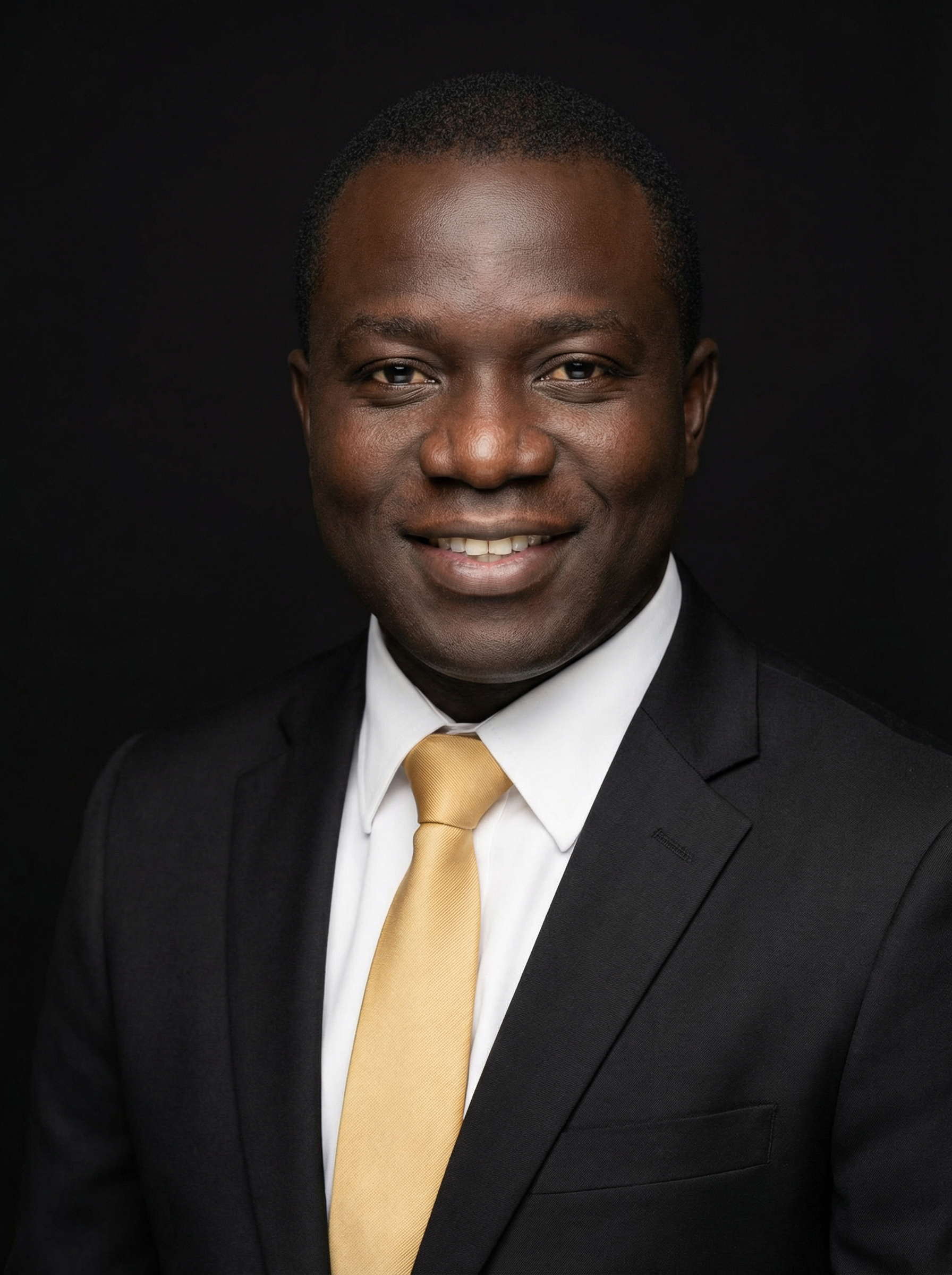
The air in Dakar, much like the political climate surrounding artificial intelligence, is thick with a palpable tension. Superpowers, both East and West, are engaged in an accelerating technological arms race, a contest for AI supremacy that promises to redefine global power structures. For nations like Guinea, nestled within the broader African continent, this grand geopolitical chess match is not a distant spectacle, it is a looming reality with profound implications for our sovereignty, our development, and our very future. I traveled to Senegal, a short flight from Conakry, to speak with a man who understands these dynamics intimately: Dr. Moustapha Cissé, the founder and director of Google DeepMind's AI Center in Accra, Ghana, and a leading voice for ethical and localized AI development in Africa.
Dr. Cissé, a Senegalese native with a formidable academic and industry background, has long advocated for Africa to be an active participant, not merely a consumer, in the AI revolution. His work at Google DeepMind and his broader engagement with the African AI community position him uniquely to comment on the escalating AI cold war. "The competition between major powers, particularly the United States and China, over AI is undeniable," Dr. Cissé observed, his voice measured yet firm, during our recent conversation. "It is a competition for data, for talent, for computing power, and ultimately, for influence. Africa, with its vast human potential and diverse data sets, finds itself caught in the middle, a prize to be won or a battleground to be exploited."
This sentiment resonates deeply with my own observations from Guinea. We have seen the overtures, the promises of technological transfer, and the investments from both sides. But here's the catch: these engagements are rarely altruistic. They come with implicit, and sometimes explicit, expectations of alignment, of access, and of influence. The question for us, as Guineans and as Africans, is how to harness these opportunities without surrendering our digital autonomy.
Dr. Cissé emphasized the critical need for Africa to develop its own AI capabilities and governance frameworks. "If we do not define our own path, others will define it for us," he stated, echoing a concern I have voiced repeatedly in my reports for DataGlobal Hub. "We must invest in our local talent, build our own infrastructure, and establish robust regulatory bodies that reflect our values and priorities. This is not just about economic development, it is about digital sovereignty and national security."
His words bring to mind the historical parallels, the scramble for resources that defined colonial eras. Today, the resource is data, the new oil, and the battleground is the digital sphere. The major AI players, whether it is OpenAI with its powerful large language models, Google with its vast research apparatus, or Chinese tech giants like Baidu and Tencent, are all vying for global reach. Their products, their platforms, and their underlying ideologies are being exported worldwide, often with little consideration for local contexts or ethical implications. According to a report by MIT Technology Review, the global investment in AI research and development has skyrocketed, with much of it concentrated in these competing geopolitical blocs.
I dug deeper and found something troubling: the very definition of 'AI safety' or 'AI ethics' often varies dramatically between these competing powers, reflecting their distinct political systems and societal norms. What one nation deems acceptable in terms of surveillance or data usage, another might find abhorrent. This divergence creates a complex landscape for African nations. Do we align with the Western liberal democratic model, with its emphasis on individual privacy and open-source principles, or with the more state-centric, control-oriented approach often associated with Eastern powers? Or can we forge a third way, one rooted in our own communal values and developmental aspirations?
Dr. Cissé believes the latter is not only possible but imperative. He pointed to initiatives across the continent, such as the African Union's efforts to develop a continental AI strategy, as crucial steps. "We need to foster pan-African collaboration," he explained. "A fragmented approach will only make us more vulnerable. By pooling our resources, sharing our knowledge, and presenting a united front, we can negotiate more effectively on the global stage and ensure that AI serves our people, not just external interests." This resonates with the spirit of ubuntu, a philosophy that emphasizes interconnectedness and community, which is deeply ingrained in many African cultures.
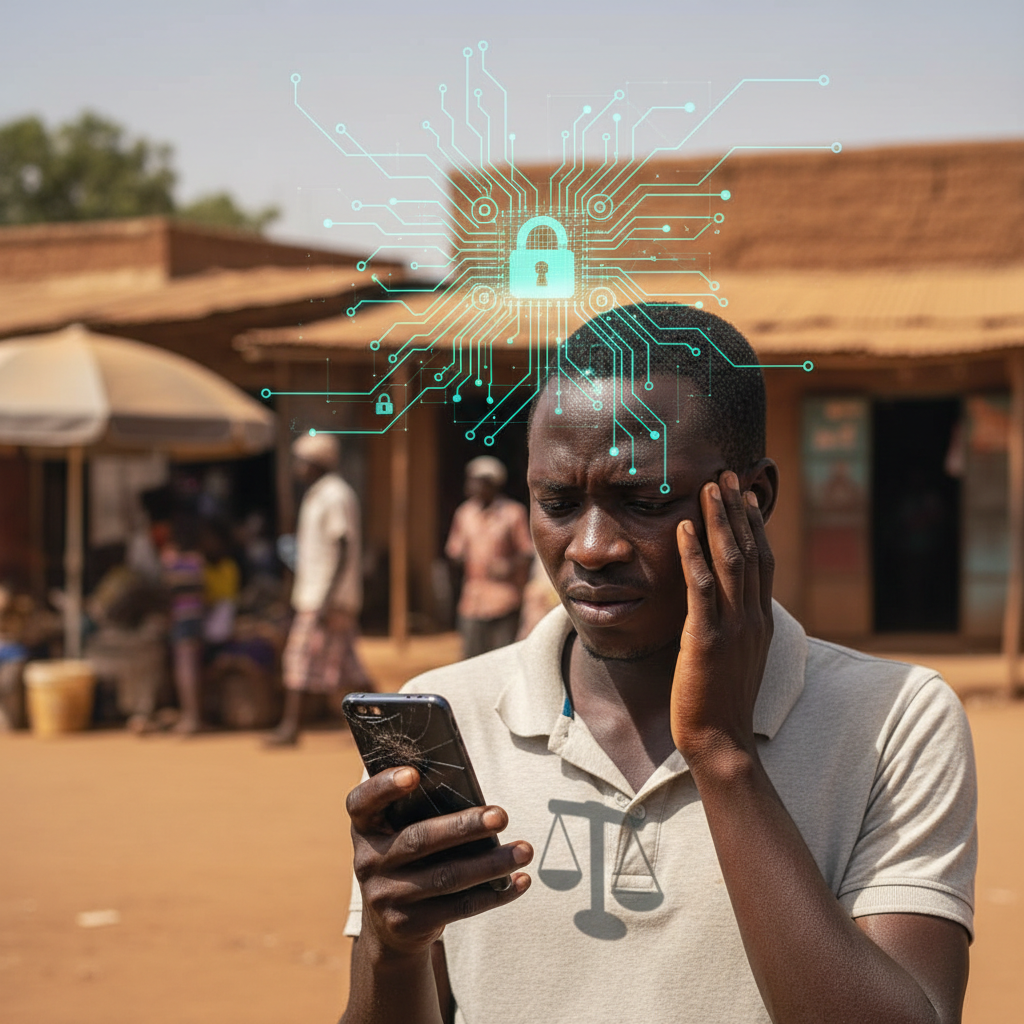
He also highlighted the importance of data governance. "Our data is a precious asset," Dr. Cissé asserted. "It reflects our societies, our languages, our unique challenges. Allowing it to be indiscriminately collected and processed by foreign entities, without proper oversight or benefit to our communities, is a profound mistake." This is a concern that hits close to home in Guinea, where the collection of biometric data and the expansion of digital infrastructure by foreign companies often raise questions about data sovereignty and potential misuse. The devil is in the details of these agreements, often opaque and negotiated far from public scrutiny.
The geopolitical tensions manifest in various ways, from export controls on advanced semiconductors, dominated by companies like NVIDIA, to restrictions on technology transfer and the active recruitment of top AI talent. African researchers, often trained in Western or Eastern institutions, become valuable commodities in this global competition. While this can offer opportunities for individual advancement, it also risks a brain drain, further hindering Africa's ability to build its own robust AI ecosystem. "We must create environments where our best minds can thrive here, on the continent," Dr. Cissé urged, "where they can contribute to solving African problems with African solutions."
Looking ahead, Dr. Cissé's vision for Africa is one of self-determination in the digital age. He envisions a future where AI is a tool for empowerment, addressing critical issues from healthcare to agriculture, from education to climate change, all while upholding ethical principles and respecting human rights. This requires not just technological prowess but also strong institutions, transparent governance, and an informed citizenry. "The choices we make today regarding AI will shape the destiny of our continent for generations," he concluded, a stark reminder of the gravity of the situation. "We cannot afford to be passive observers. We must be active architects of our digital future."
As I reflect on our conversation, the path forward for Guinea and Africa appears fraught with both peril and promise. The AI cold war is not merely a contest of algorithms and computing power, it is a struggle for influence, for values, and for the very soul of the digital age. Our ability to navigate this complex terrain, to assert our agency, and to build an AI future that serves our people will be the defining challenge of our time. It is a task that demands vigilance, collaboration, and an unwavering commitment to our own interests. For more on how AI is shaping global politics, one might consult Reuters' technology section. The stakes, as Dr. Cissé so clearly articulated, could not be higher.