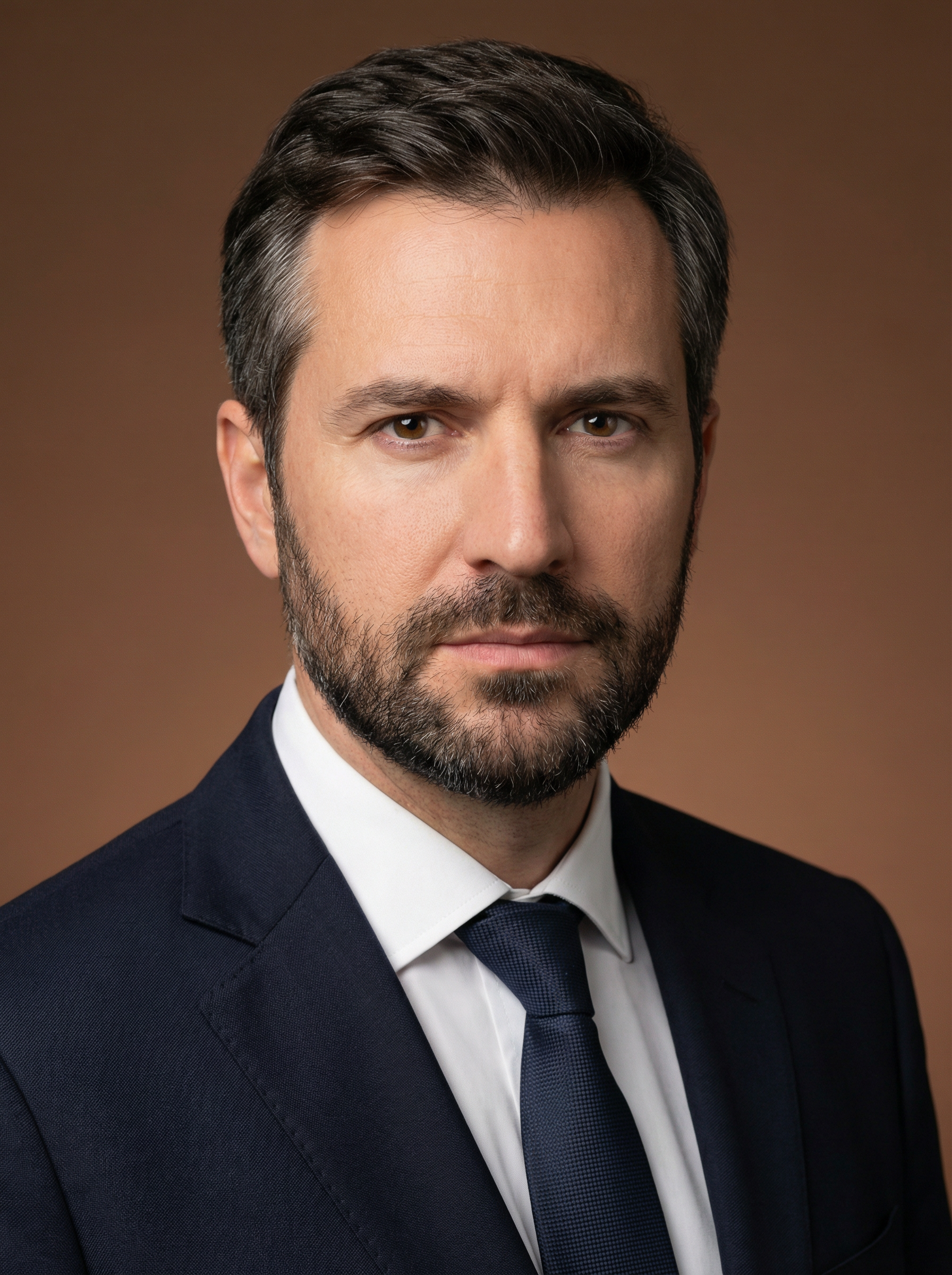
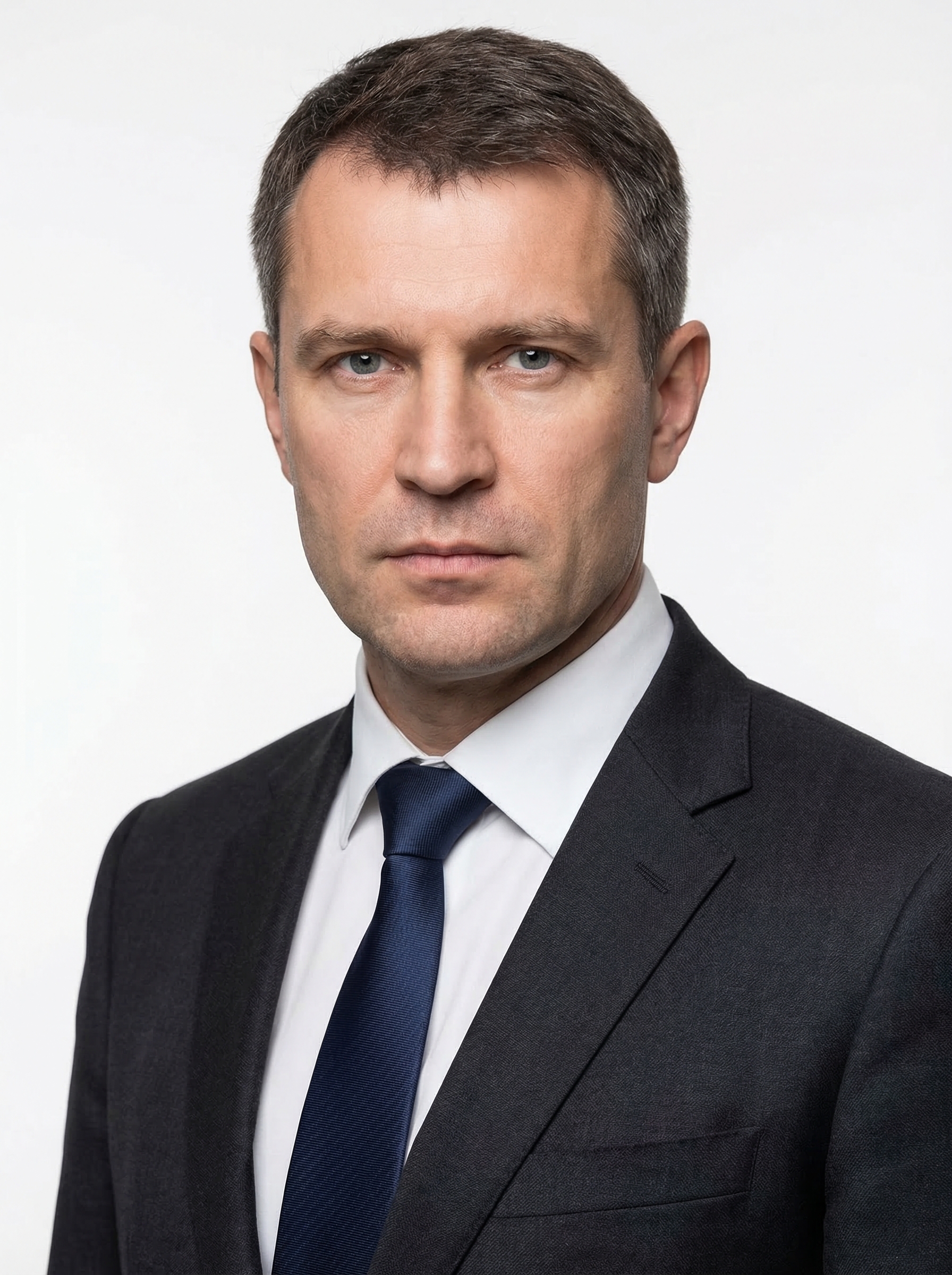
The air in Perm, even in the heart of winter, carries a certain crispness, a clarity that seems to sharpen the mind. It was in this city, nestled on the banks of the Kama River, that Andrey Khusid, the founder and CEO of Miro, first began to sketch out the future. Not with algorithms or neural networks, but with markers on whiteboards, a medium that would eventually define his company's global success. Today, as the European Union's AI Act begins its enforcement phase, demanding unprecedented transparency and accountability from companies operating within its borders, Khusid's journey from a provincial Russian city to leading a billion-dollar enterprise collaboration platform takes on a new, critical dimension. His story is not merely about business acumen, it is about the intricate dance between innovation, regulation, and the persistent question of where Russian AI talent truly belongs.
Perm, a city historically known for its defense industries and a thriving cultural scene, offered a fertile ground for a young, ambitious mind. Khusid, born in 1986, was not a child prodigy obsessed with code, but rather a creative spirit drawn to design and visual communication. He pursued a degree in graphic design at Perm State Technical University, a path that might seem tangential to the AI-driven world of today. Yet, it was this foundational understanding of how people interact with visual information, how ideas are formed and shared, that would later become the bedrock of Miro's intuitive interface. His early ventures were in design agencies, where he grappled with the inefficiencies of remote collaboration long before it became a global necessity. This hands-on experience, the frustration of trying to brainstorm across distances, was the crucible in which the idea for a digital whiteboard began to form.
The Genesis of a Global Idea
In 2011, this nascent idea took concrete form as RealtimeBoard, a name that perfectly encapsulated its core function. It was not a solitary endeavor. Khusid met Oleg Shardin, his co-founder and later Chief Product Officer, through the vibrant, albeit small, tech community in Perm. Shardin, with his background in software development and a keen eye for product architecture, complemented Khusid's design-centric vision. Their collaboration was, by many accounts, a classic startup pairing: one focused on the 'what' and the 'why,' the other on the 'how.' They understood that the future of work was not confined to physical offices, a prescient insight given the global shifts that would occur nearly a decade later. They were building a tool for a problem that was still niche, but growing. The breakthrough was not a sudden flash of genius, but a gradual realization that visual collaboration was a fundamental human need, poorly served by existing digital tools.
Building the company in Russia presented its own unique set of challenges. While Perm offered a relatively low cost of living and access to talented engineers from local universities, the broader ecosystem for venture capital and international market access was nascent at best. Behind the sanctions curtain, Russian startups often struggled to gain the visibility and funding enjoyed by their Western counterparts. Yet, Khusid and Shardin persevered, bootstrapping for years, refining their product based on early user feedback. Their initial funding rounds were modest, often from local angels or smaller regional funds, a stark contrast to the multi-million dollar seed rounds common in Silicon Valley. This lean approach, however, instilled a discipline and focus on product-market fit that would serve them well.
In 2018, RealtimeBoard rebranded as Miro, a name chosen for its global appeal and ease of pronunciation across languages. This was a pivotal moment, signaling their ambition to move beyond a niche tool to a universal platform. The timing was fortuitous. The rise of remote work, accelerated dramatically by the 2020 pandemic, catapulted Miro into the global spotlight. Its intuitive interface, robust feature set, and seamless integration with other enterprise tools made it indispensable for distributed teams. From design sprints and agile planning to brainstorming sessions and strategic roadmapping, Miro became the digital canvas for millions. The company's growth was exponential, attracting significant investment from leading venture capital firms such as Iconiq Capital, Accel, and Salesforce Ventures.
Navigating the Regulatory Labyrinth
Today, Miro boasts over 60 million users worldwide, with a significant presence in Europe and the United States. Its valuation has soared, reportedly exceeding $17 billion in its Series C funding round in 2022. This global footprint, however, places Miro squarely in the crosshairs of emerging regulations, most notably the EU AI Act. While Miro is primarily a collaboration tool, it incorporates AI features for things like idea clustering, template generation, and content summarization. These functionalities, even if seemingly benign, fall under the broad scope of the Act, especially concerning transparency, data governance, and risk management.
Khusid has publicly acknowledged the importance of these regulatory frameworks. In a 2023 interview with TechCrunch, he stated, “As a platform that facilitates human creativity and collaboration, we have a profound responsibility to ensure our AI tools are developed and deployed ethically. The EU AI Act is a critical step towards building trust in AI, and we are committed to full compliance.” This sentiment reflects a pragmatic understanding of the global regulatory landscape. For a company like Miro, with its distributed workforce and international user base, compliance is not merely a legal obligation, but a strategic imperative for continued growth and market acceptance. Compliance with the EU AI Act will require significant investment in auditing, documentation, and potentially re-architecting certain AI features to meet stringent requirements for data quality, human oversight, and explainability.
The Human Element: Russian Talent and Global Ambition
What truly drives Andrey Khusid, beyond the impressive growth metrics and market valuations, appears to be a deep-seated belief in the power of visual communication to unlock human potential. He remains an advocate for intuitive design and user-centric product development. His journey also highlights a broader narrative: the undeniable talent within Russia's tech sector. Despite geopolitical complexities and the challenges of operating from within Russia, individuals like Khusid have built world-class companies, demonstrating that innovation transcends borders. Russian AI talent deserves better than to be perpetually constrained by political realities.
Yet, the tension remains. While Miro's operational headquarters are now in Amsterdam and San Francisco, its roots in Perm are undeniable. This dual identity, a company born in Russia but now a global entity, presents unique challenges, particularly in an era where data sovereignty and national security concerns are paramount. The official story doesn't always add up when examining the intricate connections between talent, capital, and geopolitical influence. Khusid and his team have had to carefully navigate these waters, ensuring their global operations remain robust and compliant with international standards, while also acknowledging their origins.
Looking ahead, Miro's trajectory will be defined not just by its ability to innovate in visual collaboration, but by its agility in adapting to an increasingly regulated AI landscape. The EU AI Act, with its tiered approach to risk, will force companies to categorize their AI systems and implement corresponding safeguards. For Miro, this means ensuring that its AI-powered features, designed to enhance creativity, do not inadvertently introduce biases or opaque decision-making processes. The company's commitment to open and collaborative work extends to its approach to AI ethics, aiming for transparency in its algorithms and providing users with control over how AI assists their creative process.
Andrey Khusid's story is a compelling testament to the resilience of entrepreneurial spirit and the global reach of innovative ideas. From the quiet streets of Perm to the bustling tech hubs of the world, he has built a platform that empowers millions. His ongoing challenge, and that of Miro, is to continue fostering creativity and collaboration while meticulously adhering to the evolving ethical and regulatory demands of the AI age. It is a balancing act, one that requires not just technical prowess, but also a profound understanding of human nature and societal expectations. The future of AI, as Khusid's journey illustrates, is as much about compliance and ethics as it is about groundbreaking technology. It is about building trust in a world increasingly shaped by algorithms, a responsibility that falls squarely on the shoulders of founders like him.