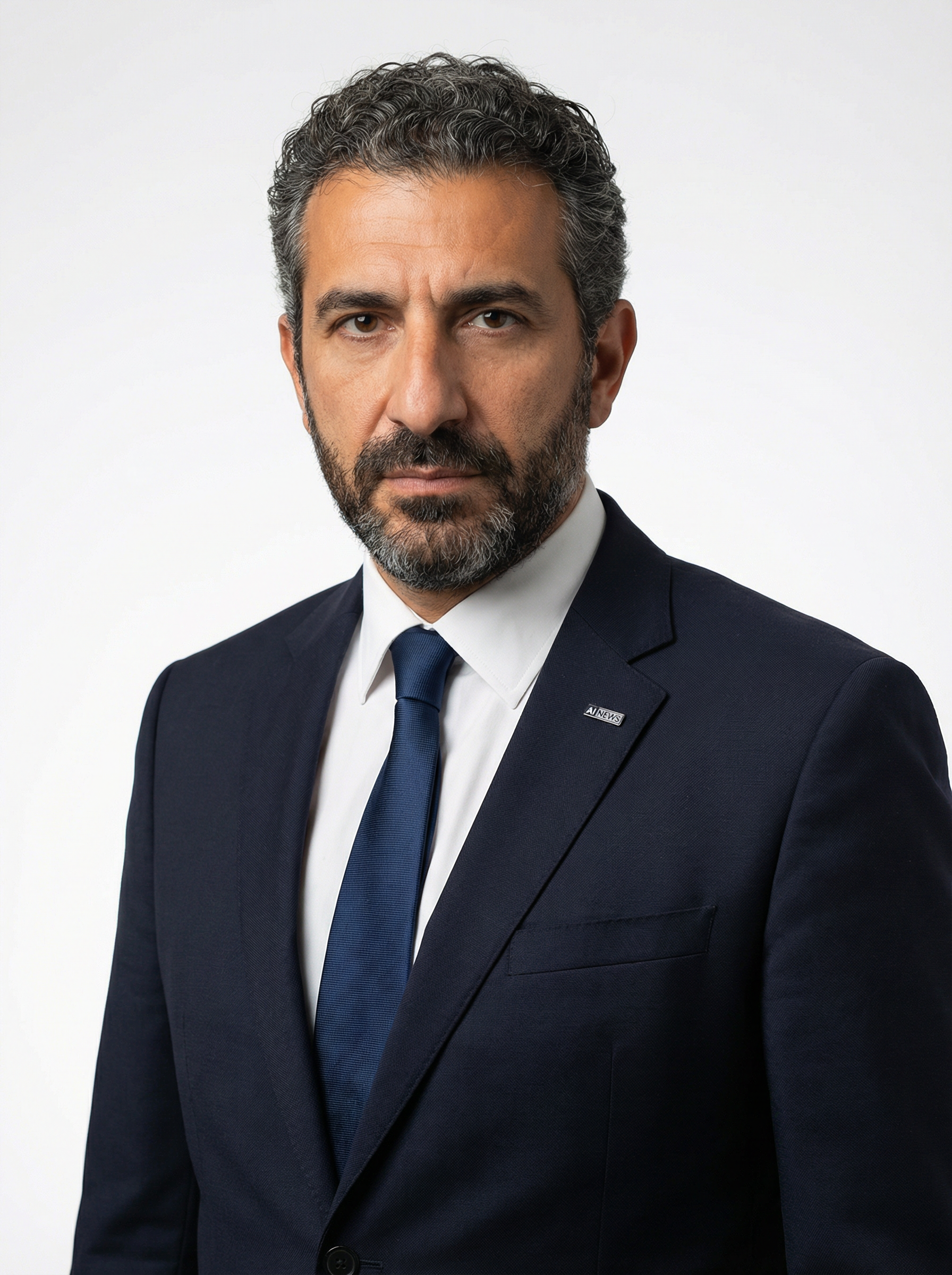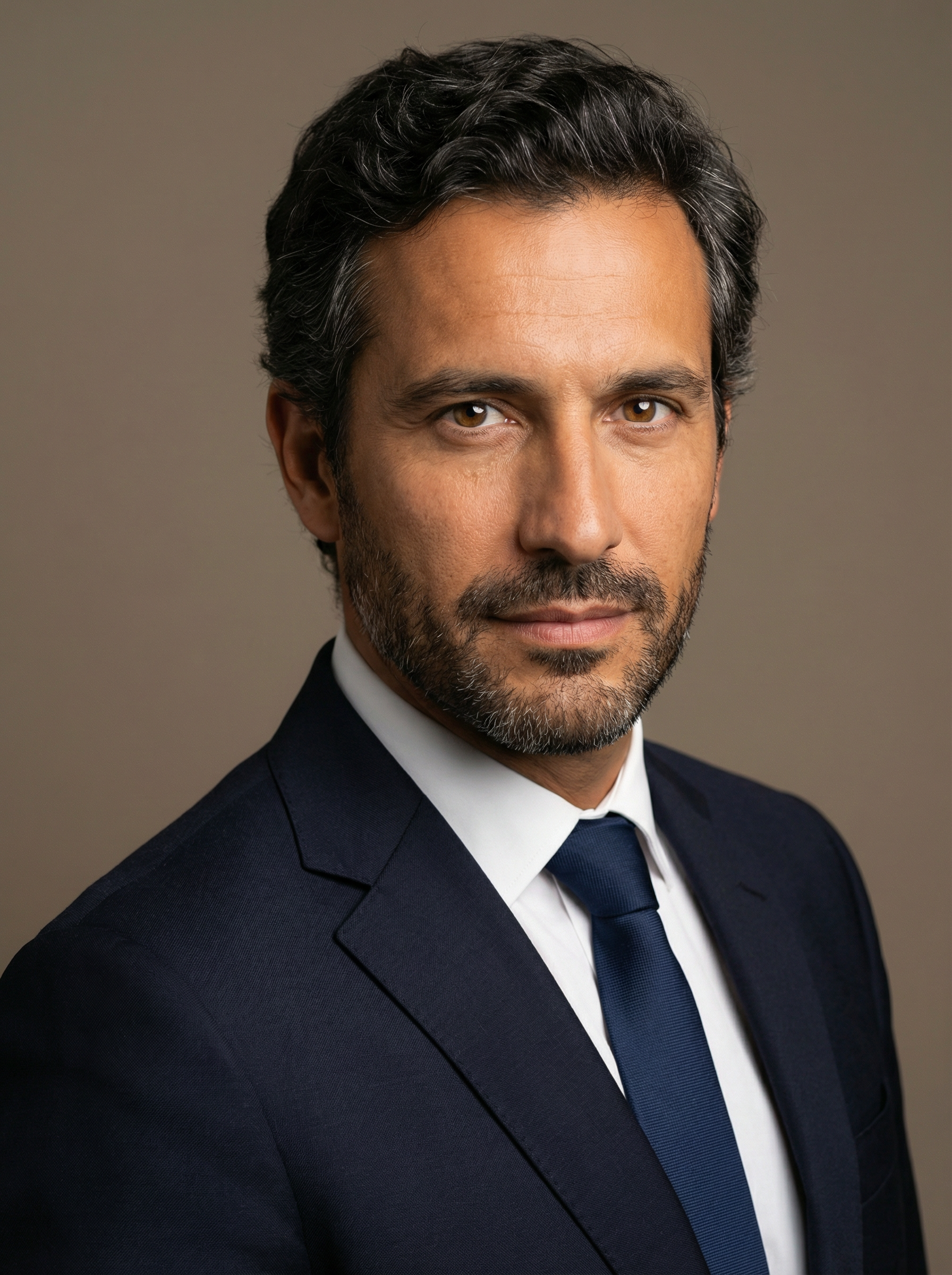

The scent of pierogi and the distant echo of a Chopin nocturne might seem a world away from the sterile labs of pharmaceutical research, yet for Jakub Chmielniak, the two are inextricably linked. This is not just a story about algorithms and molecules, but about a Polish visionary whose relentless pursuit of knowledge is transforming one of humanity's greatest challenges: finding cures for diseases. Jakub, the co-founder of Benevolent AI, is at the forefront of a revolution, using artificial intelligence to cut pharmaceutical research and development timelines from years to mere months. It is a bold claim, but one he is steadily proving true, making him a beacon of innovation that truly excites me. Poland's tech talent is Europe's best-kept secret, and Jakub is a shining example.
I remember meeting Jakub years ago at a tech conference in Warsaw. He had this quiet intensity, a spark in his eyes that spoke of grand ambitions. He was talking about AI, not as a futuristic fantasy, but as a practical tool to unlock biological mysteries. He spoke with a passion that was infectious, painting a picture of a future where diseases like Alzheimer's and Parkinson's might finally meet their match. It was clear even then that he wasn't just building a company, he was building a legacy.
Jakub's journey began not in a Silicon Valley garage, but in the academic halls of Poland. He studied at the AGH University of Science and Technology in Kraków, a city steeped in history and now buzzing with technological innovation. His early career was marked by a deep dive into data science and machine learning, long before these terms became everyday buzzwords. He wasn't content with theoretical knowledge alone; he wanted to apply it, to solve real world problems. This drive, this innate curiosity, is what sets true innovators apart. He honed his skills in various roles, gaining a comprehensive understanding of complex data systems, a foundation that would prove invaluable for his future endeavors.
Before Benevolent AI, Jakub was already making waves in the tech scene. He co-founded a company that developed a platform for semantic analysis, demonstrating his early expertise in making sense of vast amounts of unstructured data. This experience was crucial, as the pharmaceutical world is awash in data, from scientific papers and clinical trial results to patient records and genomic sequences. The challenge was not a lack of information, but the inability of humans to process it all efficiently. Jakub saw this as an opportunity, a canvas for AI to paint a new future for medicine.
The genesis of Benevolent AI is a fascinating tale of convergence. Jakub, with his deep technical expertise, met Ken Mulvany, a seasoned entrepreneur with a vision for applying AI to drug discovery. Their collaboration was a perfect synergy. Mulvany provided the strategic direction and industry insight, while Chmielniak brought the foundational AI and data science prowess. Together, they formed a formidable team, united by a shared belief that AI could revolutionize how new medicines are discovered. They officially founded Benevolent AI in 2013, with a clear mission: to use AI to transform drug discovery and development.
The breakthrough moment for Benevolent AI was not a single 'eureka' but a gradual realization of AI's potential to accelerate the early stages of drug discovery. Traditional drug discovery is a long, arduous, and incredibly expensive process. It can take over a decade and cost billions of dollars to bring a single drug to market, with a staggering 90 percent failure rate in clinical trials. Jakub and his team realized that AI could drastically improve these odds by identifying novel drug targets, predicting compound efficacy, and even designing new molecules with greater precision. Their platform, the Benevolent Platform, leverages machine learning and natural language processing to analyze vast biomedical datasets, uncovering hidden connections and insights that human researchers might miss.
Building Benevolent AI was not without its challenges. Attracting top talent in both AI and life sciences, two highly specialized fields, required a unique approach. Jakub emphasized a culture of collaboration, curiosity, and impact. He understood that to tackle such ambitious goals, they needed a diverse team of brilliant minds, from computational biologists to machine learning engineers. He fostered an environment where scientific rigor met technological innovation, a true melting pot of expertise. The company grew steadily, establishing its headquarters in London but maintaining strong ties to its European roots, including the talent pools in Central Europe.
Funding was another critical aspect. Benevolent AI has successfully raised significant capital from a range of investors, demonstrating confidence in their groundbreaking approach. They secured substantial investments from prominent venture capital firms and strategic partners, allowing them to scale their operations and expand their research efforts. Their Series C funding round, for instance, was one of the largest for a European AI company at the time, underscoring the market's belief in their vision. This funding has enabled them to build state of the art computational infrastructure and attract world class scientists.
Today, Benevolent AI is a publicly traded company, a testament to its growth and impact. They have forged partnerships with major pharmaceutical companies, including AstraZeneca, to accelerate drug discovery programs across various therapeutic areas. Their platform has already identified novel drug candidates and targets for diseases ranging from amyotrophic lateral sclerosis (ALS) to ulcerative colitis. This is not just theoretical science; it is real progress, impacting real patients. As Jakub himself has been quoted saying, "We believe that the future of drug discovery lies in the intelligent synthesis of vast amounts of data, and AI is the key to unlocking that potential."
What truly drives Jakub is the profound impact his work can have on human health. He is not motivated by mere technological advancement, but by the tangible benefits for humanity. He often speaks about the patients waiting for new treatments, and that sense of urgency fuels his innovation. His perspective, perhaps shaped by the resilience and ingenuity often found in Poland, is one of pragmatic optimism. He sees obstacles not as roadblocks, but as puzzles to be solved, each solution bringing us closer to a healthier future.
What is next for Jakub Chmielniak and Benevolent AI? The horizon is vast and filled with promise. They are continuously refining their AI models, expanding their data sources, and exploring new therapeutic areas. The goal remains the same: to make drug discovery faster, more efficient, and ultimately, more successful. Imagine a world where a devastating diagnosis is met not with despair, but with the hope of a quickly developed, targeted treatment. That is the future Jakub is building, one algorithm at a time. It is a future that makes me incredibly excited, and I believe it is a future where European innovation, particularly from places like Poland, will play an increasingly vital role. For more insights into the evolving landscape of AI in healthcare, you can explore resources like MIT Technology Review. The journey of Benevolent AI is a powerful reminder that groundbreaking innovation can emerge from anywhere, especially when brilliant minds like Jakub Chmielniak dare to dream big and build bigger. For more on how AI is transforming various industries, check out TechCrunch. The revolution is here, and it is being led by visionaries like Jakub.
When we talk about the future of medicine, we often think of advanced surgical techniques or gene therapies. But the quiet revolution happening behind the scenes, powered by AI and driven by minds like Jakub's, is arguably even more transformative. It is about fundamentally changing how we approach disease, moving from trial and error to precision and prediction. This Polish startup just might change the world, and I for one, cannot wait to see what they discover next. The potential for AI to accelerate drug discovery is truly immense, a topic often covered in depth by publications like Reuters Technology News. The impact of their work will resonate for generations, offering hope and healing where once there was only uncertainty.