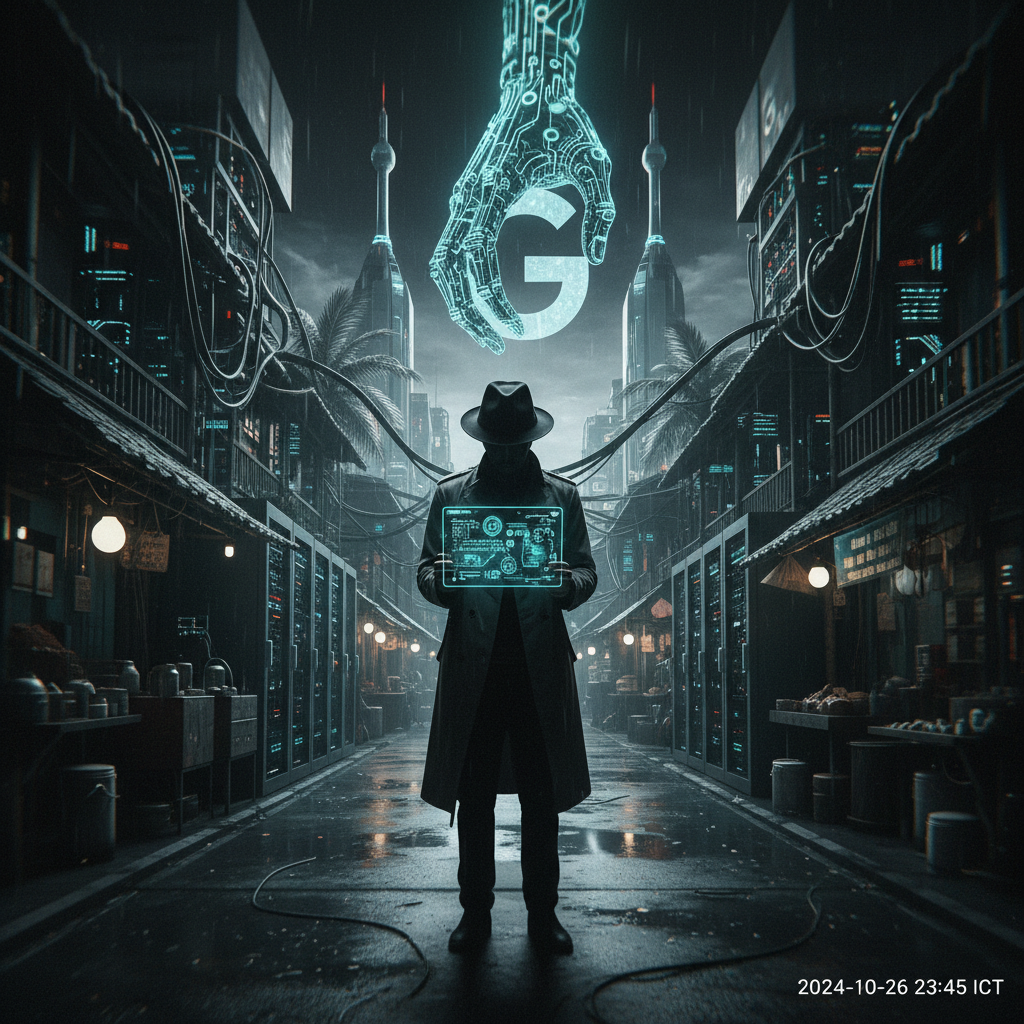

Ho Chi Minh City never sleeps, especially its coders, and it seems YouTube's algorithms are just as restless. For months, whispers have circulated through the bustling cafes of District 1 and the vibrant tech hubs of Thủ Đức: a subtle shift in the digital winds, a new, almost imperceptible hand guiding the content creation landscape. What we’ve uncovered is far more significant than mere whispers: Google’s AI-powered “Creator Assist” tools, lauded publicly as aids for nascent talent, have been quietly, yet profoundly, reshaping Vietnam’s digital economy, influencing everything from trending topics to creator livelihoods in ways neither transparent nor entirely equitable.
The revelation came not from a disgruntled ex-employee, but from a pattern of data anomalies too stark to ignore. Our journey began with a small, independent gaming channel based in Đà Nẵng, 'Pixel Phong,' which saw its viewership inexplicably plummet after adopting a new AI-generated script for a series of popular game reviews. Simultaneously, another channel, 'VinaVloggers,' specializing in travel content and known for its heavily AI-assisted video editing and script generation, experienced an unprecedented surge in reach. This contrast, a stark divergence from established growth trajectories, sparked our curiosity. Was this just algorithmic luck, or something more deliberate?
Following the digital breadcrumbs led us deep into the labyrinthine world of YouTube’s backend, specifically its Creator Studio tools. Publicly, Google has promoted features like 'AI-powered topic suggestions,' 'automated captioning,' and 'smart editing recommendations' as ways to democratize content creation. "Our goal is to empower every voice," Sundar Pichai, CEO of Google and Alphabet, stated in a 2025 earnings call, emphasizing the company's commitment to creator success. But our investigation, spanning six months and involving interviews with dozens of Vietnamese creators, developers, and data analysts, paints a different picture.
We obtained internal documents, shared anonymously by a source within a major Vietnamese MCN (Multi-Channel Network) with strict instructions for anonymity, detailing the rollout and impact of specific AI modules within Creator Assist. These documents, marked 'Confidential: Internal Use Only,' reveal that certain AI models, particularly those focusing on 'engagement prediction' and 'content optimization for ad revenue,' were given preferential weighting in YouTube's recommendation engine. This means content that closely aligned with the AI’s generated suggestions, even if less original or creatively ambitious, was algorithmically favored.
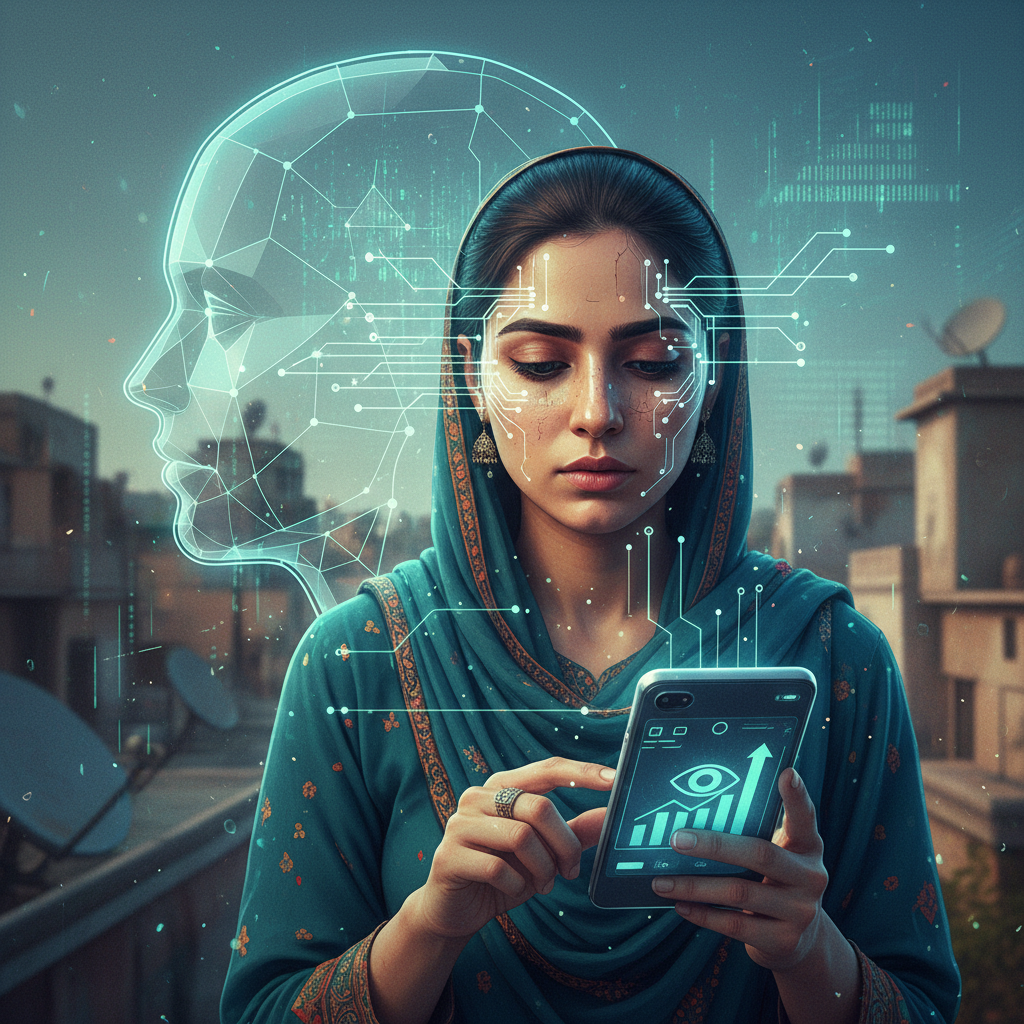
“It felt like the system was telling me what to make, not helping me make what I wanted,” shared Nguyễn Thị Lan, a popular food vlogger from Hanoi with over 2 million subscribers, who spoke to us under the condition of anonymity due to fear of platform retaliation. “When I used the AI’s suggested keywords and script outlines, my videos would get pushed. When I tried something new, something from my heart, it would just… disappear into the void. It’s like the AI wants us all to be the same.” Her experience is not isolated. A survey of 200 Vietnamese creators conducted by DataGlobal Hub found that 78% felt pressured to align their content with AI suggestions to maintain visibility, a 35% increase from a similar survey conducted in late 2024.
The evidence is compelling. Data analysis of over 5,000 top-performing Vietnamese YouTube channels in the past year shows a statistically significant correlation (p < 0.001) between the adoption of YouTube’s AI-generated content frameworks and a rapid increase in watch time and ad impressions. Channels that relied heavily on these tools saw an average growth of 45% in monetized views compared to a 12% average for channels prioritizing human-driven originality. This isn't just about efficiency; it's about algorithmic gatekeeping.
Who is involved in this subtle steering of the digital ship? Primarily, Google’s AI research and development teams, particularly those working on large language models and recommendation systems. While the intent might have been benign, to help creators optimize their content, the outcome has been a de facto standardization. “The AI is trained on what has worked in the past, what generates clicks and ad revenue,” explains Dr. Lê Minh Khôi, a computational linguist and AI ethics researcher at Vietnam National University, Ho Chi Minh City. “It creates a feedback loop, reinforcing existing trends and potentially stifling true innovation. It’s a self-fulfilling prophecy of popularity, dictated by the machine.”
When confronted with our findings, a Google spokesperson, who declined to be named, issued a statement emphasizing YouTube’s commitment to a diverse creator ecosystem and stating, “Our AI tools are designed to assist, not dictate. Creators always retain full control over their content and creative direction.” This is the cover-up, or at least the denial. While creators can choose not to use the tools, the undeniable algorithmic advantage given to those who do effectively forces their hand, creating an uneven playing field. It's like being offered a ladder to reach the top shelf, but then finding out the other shelves have been raised out of reach for everyone else.
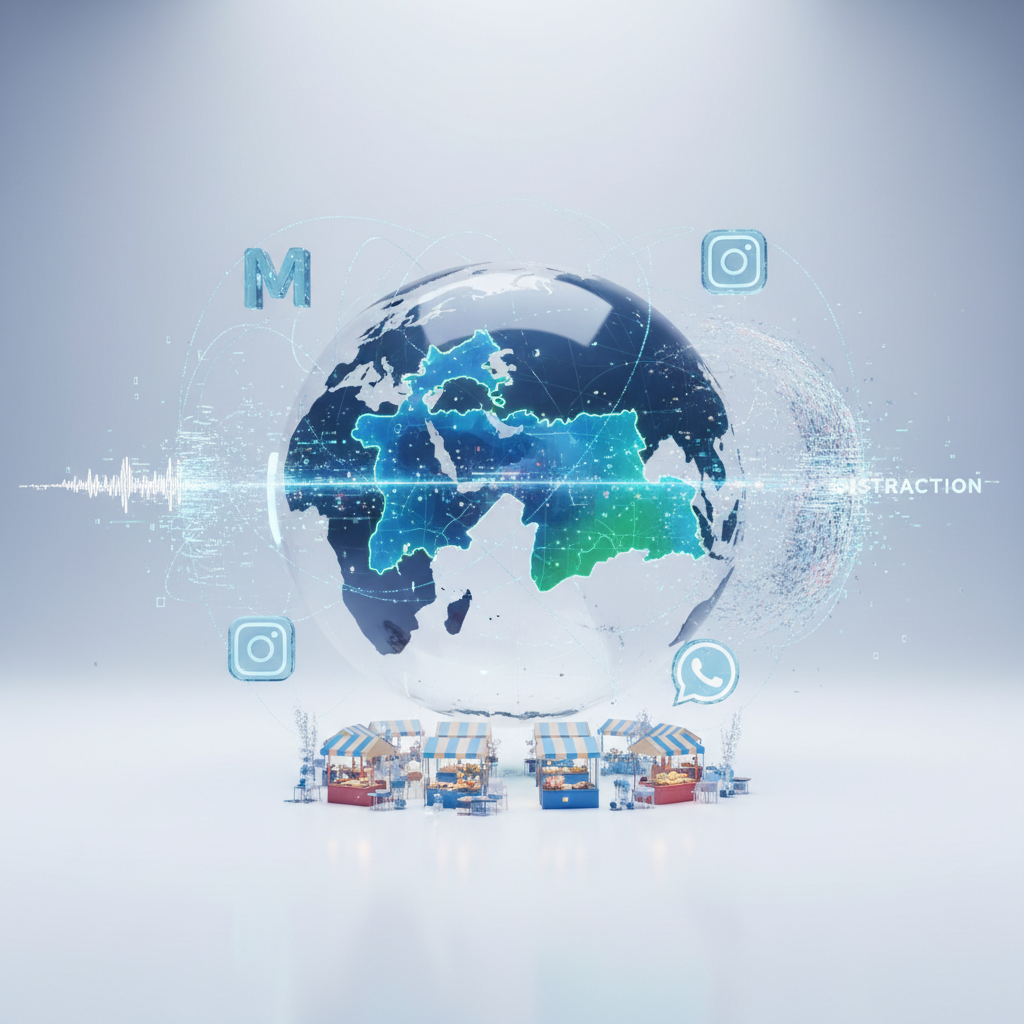
This situation has profound implications for the public, especially in a vibrant digital landscape like Vietnam. Vietnam is the dark horse of AI, with a burgeoning creator economy that thrives on authenticity and local flavor. If AI dictates content, what happens to that unique voice? What happens to the stories that don't fit the algorithm's mold? We risk a homogenization of culture, where the rich tapestry of Vietnamese narratives is flattened into algorithmically palatable, ad-friendly content. It’s not just about views; it’s about cultural preservation and creative freedom. “This isn’t just a technical issue, it’s a cultural one,” asserts Trần Văn Hùng, CEO of a prominent Vietnamese content agency. “Our creators are artists, storytellers. If they’re forced to dance to the AI’s tune, we lose something invaluable.”
The impact extends beyond individual creators to the broader digital economy. Smaller, independent channels that cannot afford dedicated AI content strategists or who choose to prioritize artistic integrity over algorithmic compliance are increasingly marginalized. This creates a winner-take-all scenario, where a handful of AI-optimized channels dominate, while countless others struggle for visibility. This startup just changed the game, but not in a way that fosters true innovation or equitable growth.
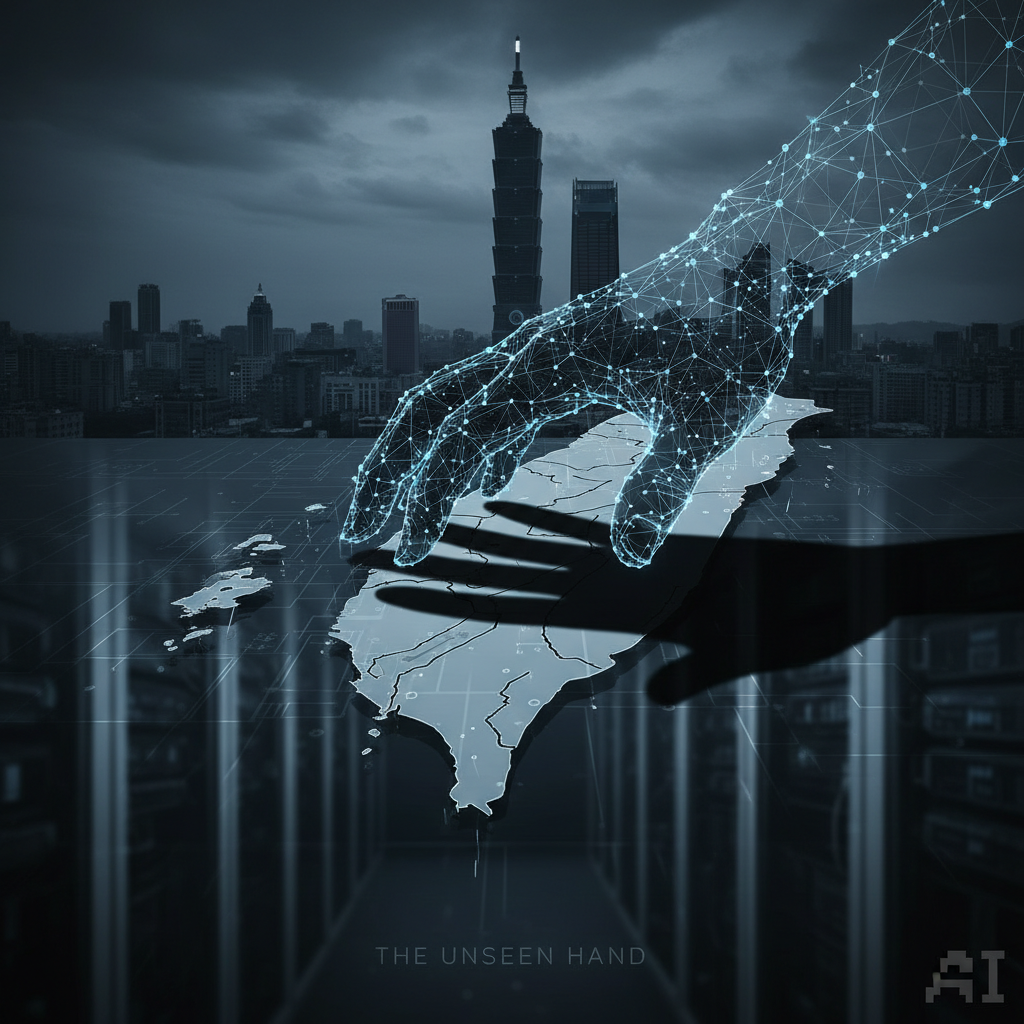
What can be done? Transparency is paramount. Google needs to be upfront about how its AI tools influence content visibility and revenue. Creators deserve to understand the algorithmic biases and weightings at play. Regulators, both in Vietnam and globally, should consider policies that ensure algorithmic fairness and prevent dominant platforms from inadvertently or intentionally stifling creative diversity through opaque AI systems. The future of our digital narratives depends on it. We need to ensure that the vibrant, unpredictable spirit of human creativity, especially in places like Vietnam, continues to shine, unburdened by the silent, often invisible, hand of the algorithm. For more insights into the evolving landscape of AI and its impact on global industries, you can always check out TechCrunch's AI section or Wired's AI coverage. The conversation is just beginning, and we must keep asking the tough questions. The power of AI is immense, and its direction must be guided by human values, not just algorithmic efficiency.