The sun beats down on the red earth of Côte d'Ivoire, a familiar warmth that has sustained generations. But lately, this warmth feels different, carrying with it a growing unease. Our seasons, once as predictable as the rhythm of a drum, have become erratic. The rains either fail us entirely, leaving our precious cocoa and coffee crops parched, or they arrive with a vengeance, unleashing floods that sweep away homes and livelihoods. This is not just a scientific abstract; it is the daily struggle of our people, from the farmers in Divo to the fishermen along the Ebrié Lagoon.
Picture this: a small village near Grand-Lahou, its homes precariously close to the encroaching Atlantic. For years, the elders have spoken of the sea's slow, relentless march inland. Now, with rising sea levels and more intense storms, that march has accelerated into a sprint. How do communities like these prepare, adapt, and survive when the very ground beneath their feet is shifting? This is where the promise of artificial intelligence, or AI, enters our narrative, not as a distant Silicon Valley dream, but as a potential lifeline for our communities.
Globally, the conversation around AI in climate science is booming. Major players like Google DeepMind and NVIDIA are pouring resources into developing sophisticated models that can predict weather patterns, monitor deforestation, and even optimize energy grids. According to a recent report highlighted by MIT Technology Review, investments in climate AI startups surged by 40% last year, reaching an estimated $3.5 billion worldwide. But here in Côte d'Ivoire, our focus is more immediate, more personal. We are not just talking about abstract data points; we are talking about protecting our families, our farms, and our future.
One of the most compelling applications I have seen is in predictive modeling for agriculture. Our nation is the world's largest producer of cocoa, a crop incredibly sensitive to climate fluctuations. Erratic rainfall and rising temperatures threaten the very foundation of our economy and the livelihoods of millions. I met with Dr. Aminata Koné, a lead agronomist at the National Center for Agronomic Research (cnra) in Bingerville. She told me something I'll never forget: "For too long, our farmers have relied on ancestral knowledge and hope. While invaluable, hope alone cannot fight a changing climate. AI gives us a new tool, a new kind of foresight."
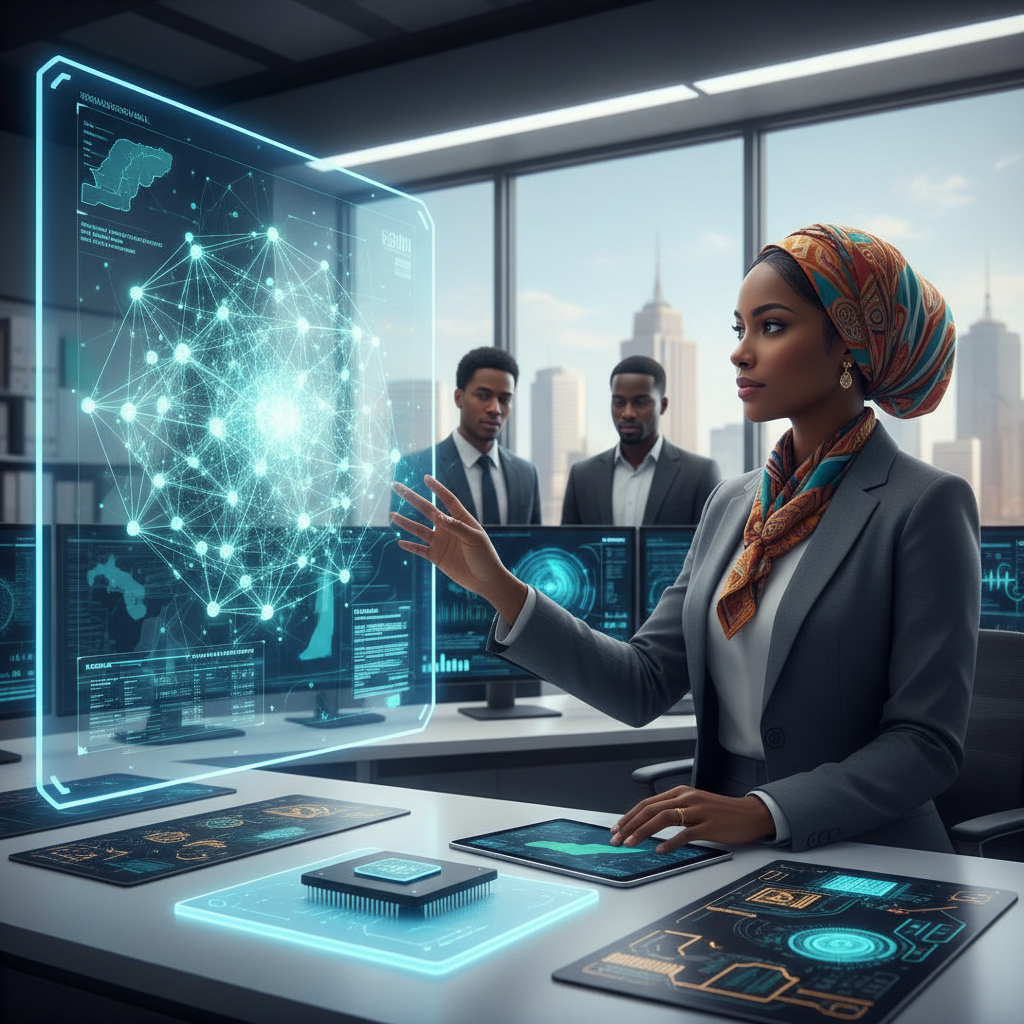
Dr. Koné’s team is collaborating with a local startup, 'AgriPredict AI,' which uses satellite imagery, drone data, and ground sensors to feed machine learning models. These models analyze historical climate data, soil conditions, and crop health indicators to predict drought risks, optimal planting times, and even potential pest outbreaks with remarkable accuracy. "Last year, our models predicted an unusually dry spell in parts of the central region three months in advance," Dr. Koné explained, her eyes alight with passion. "This allowed us to advise farmers to plant more drought-resistant varieties or adjust their irrigation schedules. We saw a 15% reduction in crop loss in those areas, a significant win for thousands of families."
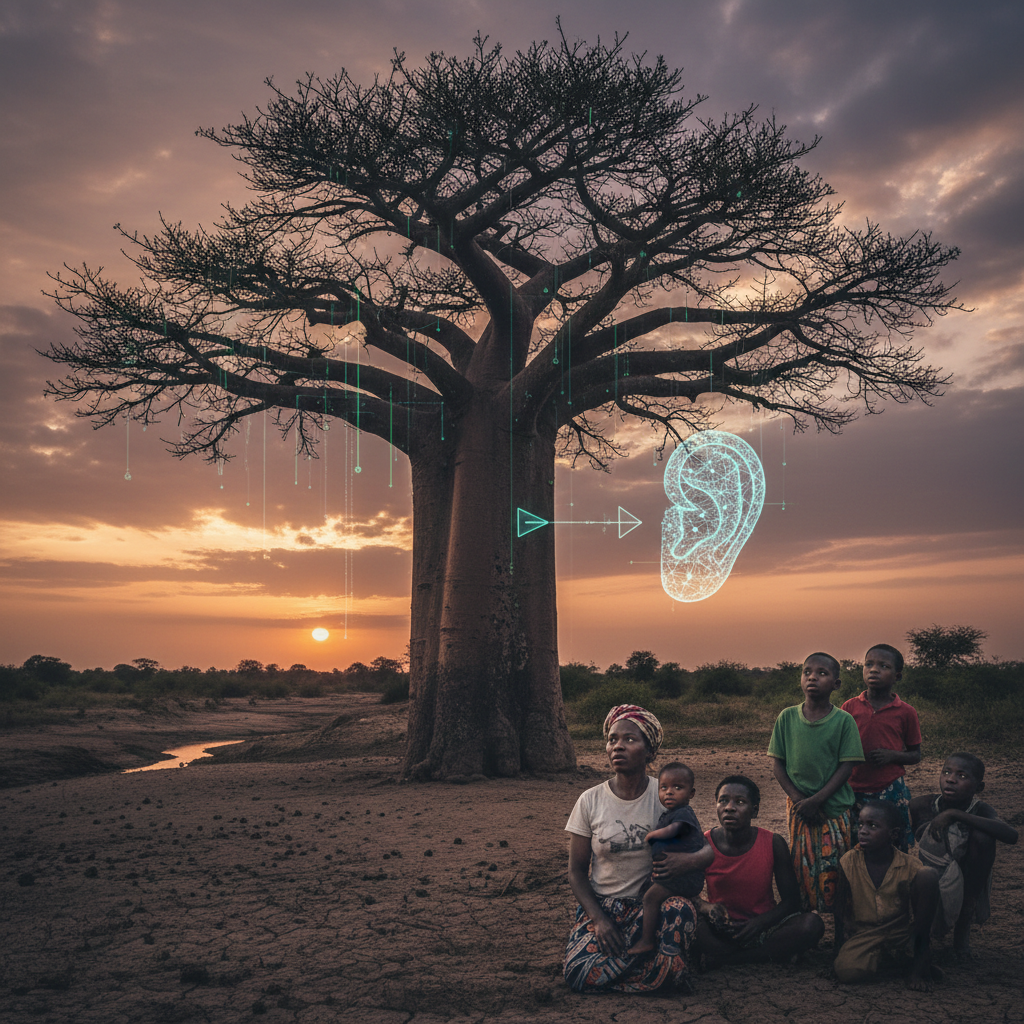
Beyond agriculture, AI is also being deployed to monitor our precious forests, particularly those threatened by illegal logging and agricultural expansion. Côte d'Ivoire has lost over 80% of its forest cover since 1960, a truly heartbreaking statistic. The Tai National Park, a Unesco World Heritage site, is a biodiversity hotspot, but it remains vulnerable. Teams are now using AI-powered acoustic sensors to detect chainsaws and vehicle movements in real-time, alerting park rangers to potential illegal activities. This is the story they don't want you to hear, the quiet battle being fought daily against environmental destruction, often with limited resources.
I spoke with Marc Ouattara, a park ranger who has dedicated his life to protecting Tai. "Before, it was like searching for a needle in a haystack, a very big haystack," he told me, wiping sweat from his brow. "Now, the AI is like having a thousand extra pairs of ears in the forest. It doesn't replace us, but it makes our work so much more effective. We've seen a 25% decrease in detected illegal logging incidents since we implemented the system last year."
Another critical area is urban planning and disaster preparedness. Abidjan, our bustling economic capital, is a vibrant metropolis, but its rapid growth has led to challenges, including informal settlements in flood-prone areas. AI models are now being used to analyze urban development patterns, identify high-risk zones, and simulate flood scenarios. This data helps local authorities make more informed decisions about infrastructure development and evacuation plans. Imagine the difference this makes when the heavy rains come, turning streets into rivers. Early warnings, powered by AI, can save lives.
However, the path is not without its challenges. Access to reliable data, particularly historical climate data, can be patchy in many parts of Africa. The computational power needed for advanced AI models is also a significant investment. Furthermore, there is the crucial question of digital literacy. For AI to truly serve our communities, people need to understand how to use these tools and trust the insights they provide. This requires investment not just in technology, but in education and community engagement.
"The digital divide is a real concern," commented Dr. Fatoumata Diallo, a sociologist at Félix Houphouët-Boigny University, during a recent panel discussion on technology and development. "We can have the most sophisticated AI models, but if the farmer in the village cannot access the information or does not understand its implications, then we have failed. We must ensure these innovations are inclusive and accessible to all, not just a privileged few."
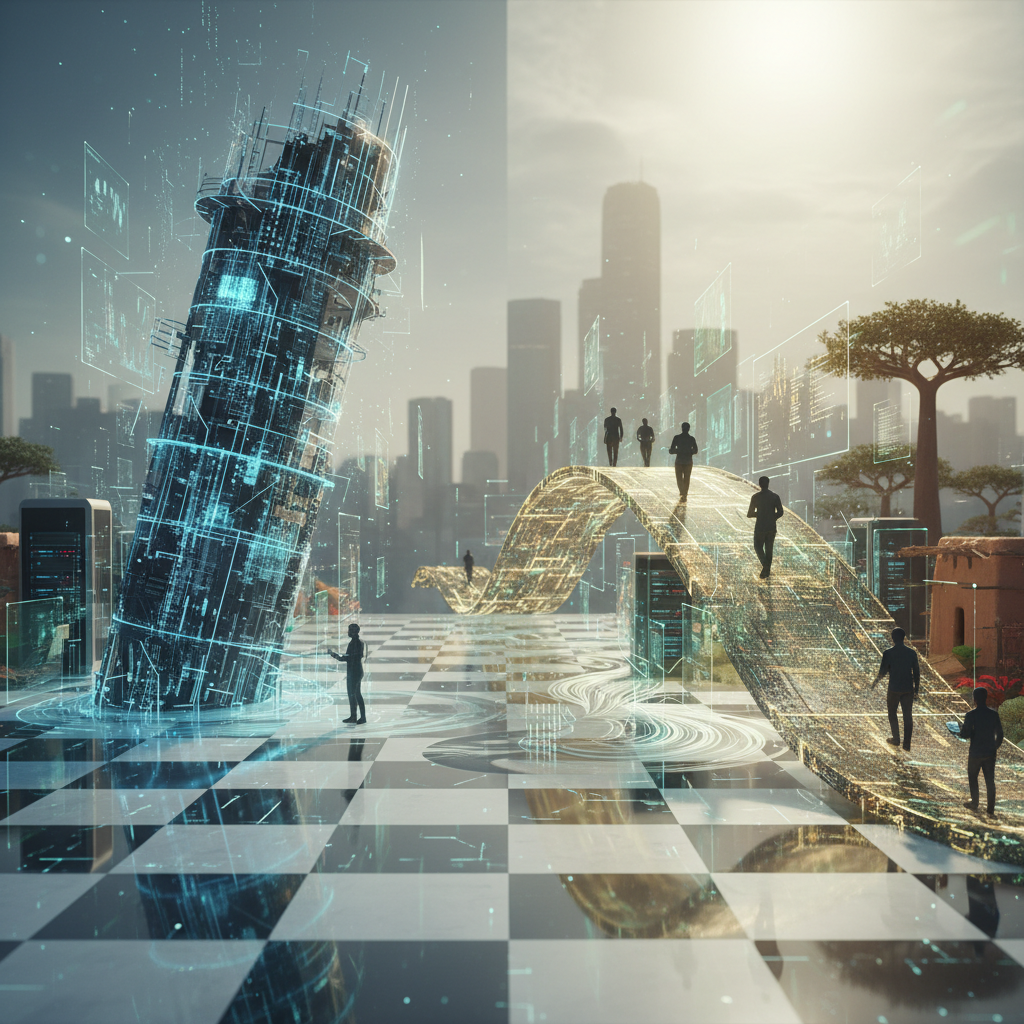
Indeed, the success of AI in climate monitoring here in Côte d'Ivoire, and across Africa, hinges on our ability to bridge this gap. Initiatives like the 'Digital Village' project, which provides solar-powered internet access and digital training to rural communities, are vital. They are helping to create a foundation where AI-driven insights can actually reach the people who need them most. You can learn more about similar efforts to bridge the digital divide in The Digital Echo Chamber: How Lesotho's Unchecked Social Media Fuels a Crisis of Truth [blocked].
As I reflect on the stories of Dr. Koné and Marc Ouattara, and the countless others working tirelessly on the front lines, I feel a cautious optimism. The challenges are immense, and the climate clock is ticking. But with human ingenuity, collaboration, and the intelligent application of tools like AI, we are beginning to write a new chapter. It is a chapter where the ancient wisdom of the baobab tree, deeply rooted in our land, can be amplified by the whispers of algorithms, helping us to hear and respond to the urgent cries of our changing climate. The future of Côte d'Ivoire, and indeed much of our continent, depends on our ability to harness this power wisely and empathetically. For us, AI is not just about data; it is about dignity, resilience, and survival. We are not merely observing the climate crisis; we are actively fighting it, one algorithm, one community, one hopeful step at a time.
For more on global AI developments, you can visit TechCrunch's AI section. The conversation is global, but the impact, for us, is profoundly local.