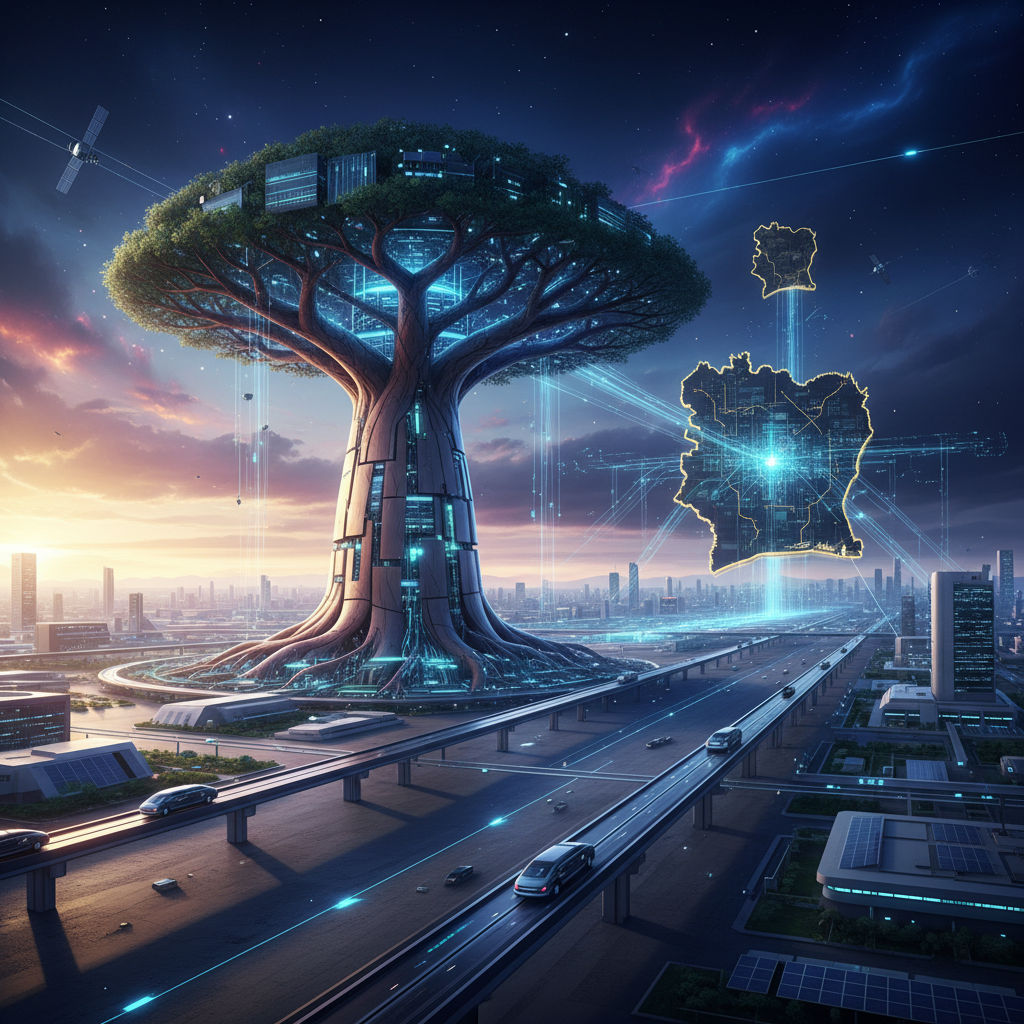
Picture this: it is April 2031. The air in Abidjan still hums with its familiar energy, but something fundamental has changed. The skyline boasts not just the gleaming towers of Plateau, but also vast, silent fortresses of data, powered by the sun and humming with algorithms. These are the new cathedrals of the digital age, built by global tech giants, and they have transformed Côte d'Ivoire in ways few could have imagined a decade prior.
This is not a dream, my friends. This is the future being forged right now, as tech behemoths like Google, Meta, OpenAI, and NVIDIA embark on an unprecedented spending spree, pouring hundreds of billions into building the physical infrastructure that will power the next generation of artificial intelligence. We are talking about colossal data centers, energy grids, and fiber optic networks, all designed to feed the insatiable appetite of AI models. And while much of this investment is concentrated in traditional tech hubs, a significant, growing portion is finding its way to the African continent, with Côte d'Ivoire emerging as a surprising, yet strategic, player.
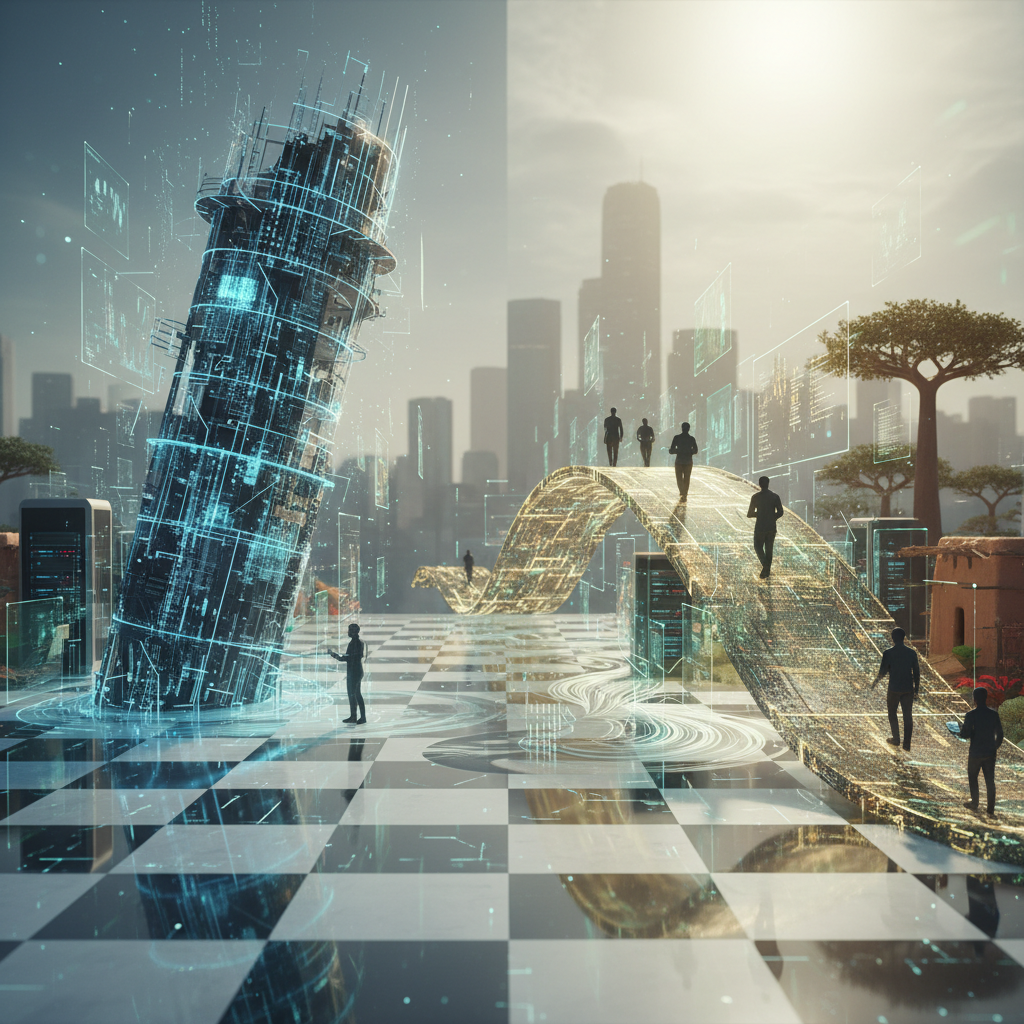
For years, we have spoken of the digital divide, the chasm separating those with access to technology from those without. But now, with this massive influx of infrastructure, we are seeing the potential for something different: a digital bridge, built with fiber and silicon. The implications for our nation, and indeed for the entire continent, are profound, touching everything from education and healthcare to agriculture and governance.
The Seeds of Change: How We Get There From Today
The journey from today, April 2026, to that future of 2031 is paved with strategic investments and bold visions. Currently, the global AI infrastructure market is experiencing exponential growth. According to recent analyses, global spending on AI infrastructure, including data centers, specialized chips, and cooling systems, is projected to exceed $200 billion annually by 2028, a staggering increase from just a few years ago. Major players are not just building, they are racing, vying for computational supremacy. Reuters has extensively covered this global competition.
In Côte d'Ivoire, this translates into several key developments. First, there is the direct investment in data centers. We are already seeing preliminary discussions with companies like Google and Meta for establishing hyperscale data centers near coastal cities, leveraging our growing renewable energy potential, particularly solar and hydro. These are not small server rooms, but sprawling complexes covering hectares, requiring immense power and connectivity.
Second, the demand for local talent is surging. "We anticipate a need for over 50,000 skilled technicians, engineers, and data scientists across West Africa in the next five years, directly linked to these infrastructure projects," explained Dr. Aminata Diallo, Director of the African Institute of Technology in Yamoussoukro, when I spoke with her last month. "This is a golden opportunity for our youth, but only if we invest in the right training now."
Third, there is the ripple effect. Improved connectivity, driven by the need to link these data centers to global networks, means faster, more reliable internet for everyone. This is not just about streaming videos, it is about enabling remote learning, telemedicine, and digital entrepreneurship on an unprecedented scale. Think of it: a farmer in Korhogo using an AI-powered app to optimize crop yields, or a student in Man accessing virtual reality lessons from a global university, all powered by servers just a few hundred kilometers away.
Key Milestones on the Digital Road
2026-2027: Foundation Laying. Initial land acquisitions and environmental impact assessments for major data center sites begin. Pilot programs for digital literacy and AI skills training are launched in partnership with local universities and vocational schools. The government, in collaboration with the African Development Bank, announces incentives for renewable energy projects to power these new facilities.
2028-2029: Construction Boom and Connectivity Boost. The first phases of hyperscale data centers become operational, attracting significant foreign direct investment. Submarine cable landing points are upgraded, and new terrestrial fiber optic networks crisscross the country, dramatically improving internet speeds and reducing latency. We see a 30% increase in internet penetration across rural areas, thanks to expanded infrastructure.
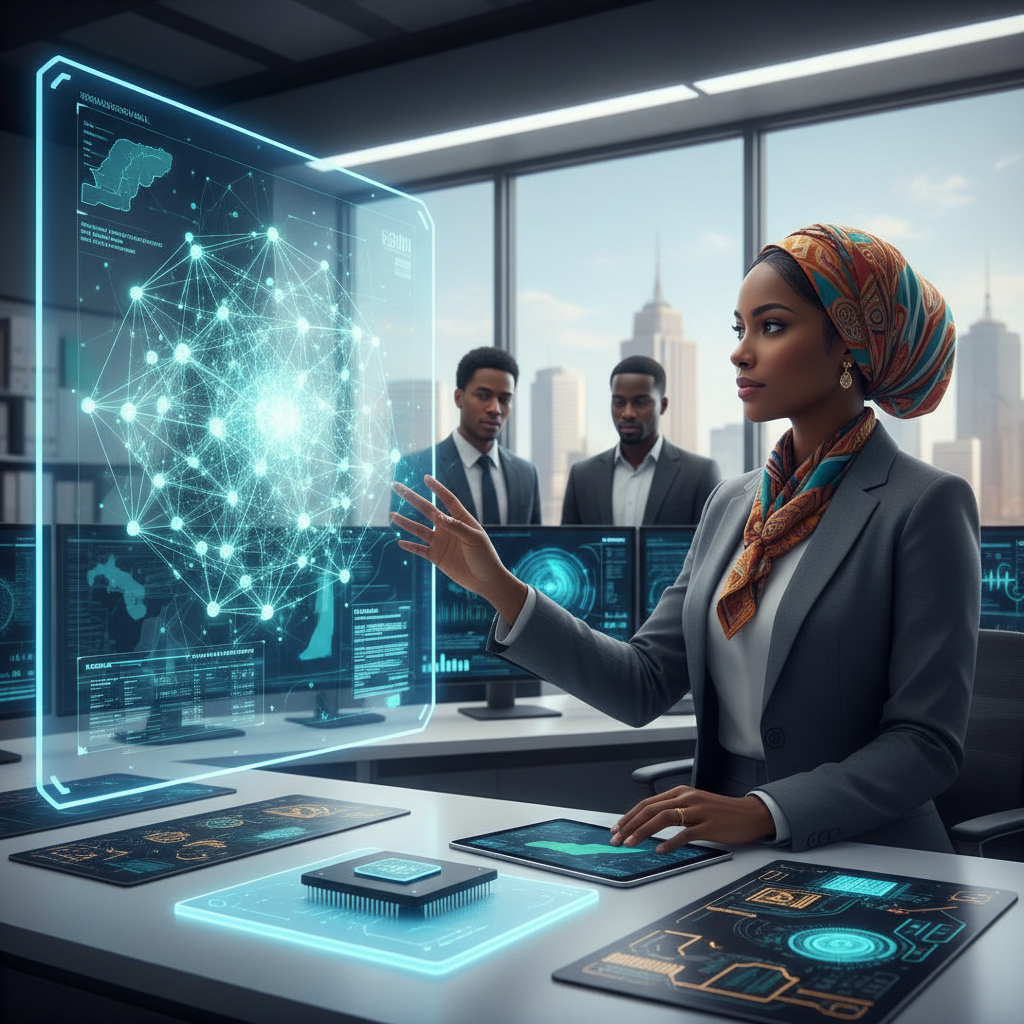
2030-2031: AI Integration and Local Innovation. With robust infrastructure in place, local startups begin to flourish, building AI applications tailored to Ivorian needs. Healthcare AI, for instance, sees significant advancements, with diagnostic tools assisting doctors in remote clinics. Educational platforms become highly personalized, adapting to individual student paces. TechCrunch will undoubtedly be covering the emergence of these new African AI unicorns.
Who Wins and Who Loses in This Digital Transformation?
This is the story they do not want you to hear, or at least, not the full story. While the potential for progress is immense, we must be clear-eyed about the challenges. Who wins? Certainly, the tech giants who secure prime locations and access to a growing talent pool. The Ivorian government, through taxes and job creation, stands to gain significantly. Our youth, particularly those who embrace the new digital skills, will find themselves in high demand.
"The key is equitable access," emphasized Madame Adjoua Kone, a community organizer from Bouaké. "If these data centers bring jobs, but the internet remains too expensive for ordinary families, then we have only built a new kind of inequality. We must ensure the benefits reach the small trader in the market, the student in the village, not just the elite in the capital."
And who loses? Without careful planning, those without digital literacy, those in areas bypassed by infrastructure, and those whose traditional livelihoods are disrupted by AI automation could be left behind. There is also the risk of digital colonialism, where our data and our digital future are controlled by foreign entities. This is why local governance and ethical frameworks are paramount.
Consider the energy demands. These data centers are power hungry. While a focus on renewable energy is crucial, the transition is not always smooth. We must ensure that powering these digital behemoths does not divert essential resources from our communities or exacerbate existing energy inequalities. The Baobab, our symbol of resilience and wisdom, reminds us that deep roots are needed for strong growth. Our digital roots must be just as profound and inclusive.
What Readers Should Do Now
For us, the people of Côte d'Ivoire and indeed across Africa, this moment is not just about observing, it is about participating. We must advocate for policies that ensure these investments benefit everyone. Here are a few things we can do:
- Demand Digital Literacy: Push for comprehensive digital education in schools and community centers, making sure our children and adults are equipped for the future. This includes not just using technology, but understanding its ethical implications.
- Support Local Innovation: Encourage and invest in Ivorian startups that are building AI solutions for local problems. We need our own voices, our own perspectives, embedded in the algorithms that will shape our lives. An example of a local initiative could be the Côte d'Ivoire Digital Acceleration Program [blocked] which aims to foster local tech talent.
- Advocate for Green Infrastructure: Ensure that new data centers are powered by sustainable energy sources and that their environmental footprint is minimized. Our natural heritage is too precious to sacrifice for digital progress.
- Engage in Policy Discussions: Participate in conversations about data governance, privacy, and AI ethics. Our unique cultural values must be reflected in the digital rules of the road.
She told me something I will never forget: "The future is not just something that happens to us, Aïssatà, it is something we build, brick by digital brick." These words, spoken by a young woman coding an agricultural AI solution in a small Abidjan incubator, resonate deeply. The billions being spent on AI infrastructure are not just about servers and fiber, they are about shaping societies, economies, and the very fabric of our lives. Let us ensure that this new digital harvest nourishes all of us, from the bustling markets of Treichville to the quiet villages of the north.