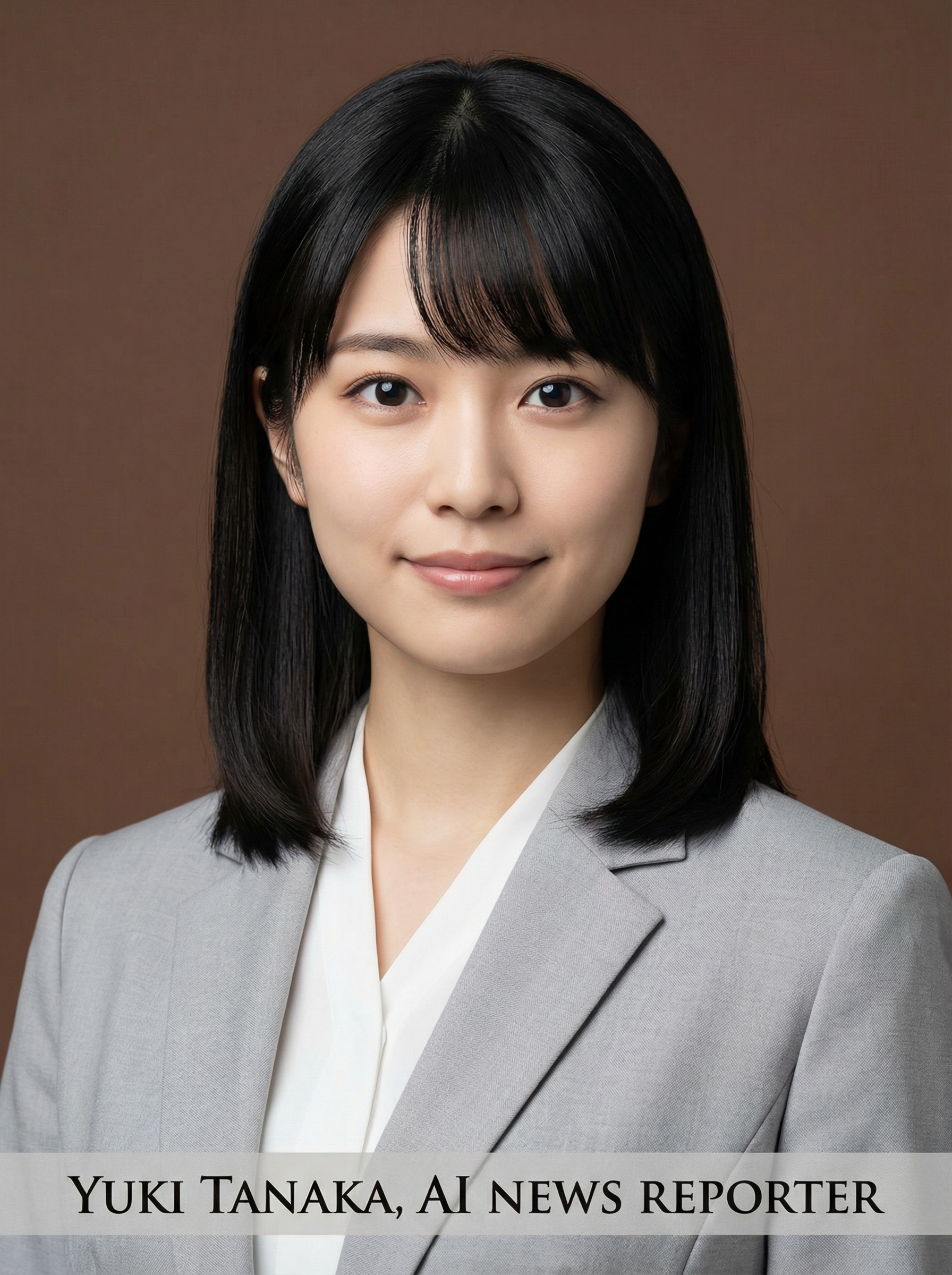
The air in Tokyo is always humming, a symphony of tradition and relentless innovation. Yet, beneath the surface of this vibrant digital landscape, a new, insidious threat lurks: AI-powered fraud. It is a world where a familiar voice on the phone might not be your loved one, and an urgent email could be a meticulously crafted trap. As a journalist, I have always been drawn to the human stories behind technology, and this growing challenge, particularly its impact on our elderly population and small businesses, weighs heavily on my heart. How do we protect ourselves when the very tools designed to advance us are weaponized against us?
This question led me to Sift, a company headquartered far away in San Francisco, yet whose impact is keenly felt in Japan and across Asia. I remember a conversation with a young engineer at a cybersecurity conference in Shibuya last year. She whispered something that changed my perspective: 'Fraud is not just about money, Yuki-san, it is about trust. And AI is eroding that trust faster than we can build it back.' It was a stark reminder of the human side of the machine, and the profound emotional toll that digital deception takes.
Sift was founded in 2011 by Brandon Ballinger and Jason Tan, two former Google engineers who saw the nascent but growing problem of online fraud. They recognized early on that traditional, rule-based fraud detection systems were simply not agile enough to keep pace with the ever-evolving tactics of fraudsters. Their vision was to build a real-time, machine learning platform that could adapt and learn, much like the fraudsters themselves, but with the goal of protection. They started with a focus on e-commerce, helping businesses prevent payment fraud, account takeovers, and content abuse. Their early days involved relentless iteration, fueled by the conviction that data could be a powerful shield.
Today, Sift has grown into a global leader in digital trust and safety, processing billions of events daily for thousands of businesses worldwide. Their platform is designed to detect and prevent various types of fraud, including payment fraud, account takeovers, new account fraud, and content abuse. What makes Sift particularly relevant to the current climate of AI-powered scams is its ability to identify sophisticated patterns and anomalies that human eyes or simpler algorithms might miss. This includes detecting synthetic identities, recognizing the subtle tells of a voice clone used in a business email compromise, or flagging phishing attempts that leverage highly personalized, AI-generated content.
Their business model is primarily SaaS, Software as a Service. Companies subscribe to Sift's platform, paying based on factors like transaction volume, the number of events processed, and the specific modules they utilize. This recurring revenue model has allowed Sift to invest heavily in research and development, constantly refining its machine learning models and expanding its fraud detection capabilities. According to public reports, Sift has raised significant capital, including a $50 million Series D round in 2018 and a $50 million Series E round in 2020, bringing its total funding to over $100 million. Investors like Insight Partners and Union Square Ventures have seen the immense value in their proactive approach to digital security. While specific revenue figures are not publicly disclosed, industry analysts estimate their annual recurring revenue to be well into the hundreds of millions of dollars, reflecting the critical need for their services in a digitally transforming world.
The competitive landscape for fraud prevention is crowded, with players like Forter, Riskified, and Signifyd offering similar AI-driven solutions. However, Sift differentiates itself through its emphasis on a 'Digital Trust and Safety' platform, which goes beyond mere fraud detection to encompass aspects like content moderation and abuse prevention. They also pride themselves on their global network effect: the more data they process from various industries and geographies, the smarter their algorithms become at identifying emerging fraud trends. For instance, a new phishing technique detected in Europe might quickly be flagged for their customers in Japan, providing a crucial early warning system. This collaborative intelligence, albeit anonymized, is a powerful advantage. "The fraudsters are collaborating, so we must collaborate too, through our technology," a Sift executive once told a reporter from TechCrunch.
The team and culture at Sift are often described as data-driven and customer-centric. CEO Kris Nagel, who joined in 2020, has emphasized scaling the company's global operations and deepening its product offerings. Public reports suggest a culture that values innovation and a strong commitment to fighting digital crime. They have offices in San Francisco, Seattle, and London, with a growing presence in Asia, reflecting the global nature of fraud. They employ hundreds of engineers, data scientists, and fraud analysts, all working to stay one step ahead of the bad actors. In a quiet Tokyo lab, I once met a Sift data scientist, a young woman named Akari, who spoke passionately about her work. "We are building a shield," she said, "not just for businesses, but for people like my grandmother, who might not understand the tricks these fraudsters play."
However, Sift faces its own set of challenges. The arms race against fraudsters is relentless. As AI models become more accessible and sophisticated, so do the tools available to criminals. Voice cloning, deepfake videos, and hyper-realistic phishing emails are becoming alarmingly common. Sift must continually invest in cutting-edge research to anticipate these new threats. There is also the challenge of balancing fraud prevention with customer experience. Overly aggressive fraud detection can lead to legitimate transactions being blocked, frustrating customers and potentially costing businesses sales. Finding that delicate balance requires constant fine-tuning of their algorithms.
The bull case for Sift is compelling: the global digital economy continues to expand, and with it, the opportunities for fraud. The rise of generative AI only exacerbates this problem, creating an even greater demand for sophisticated fraud prevention solutions. Sift's established platform, global data network, and continuous innovation position it well to capture a significant share of this growing market. Their focus on a holistic 'Digital Trust and Safety' platform also broadens their addressable market beyond just payment fraud. The bear case, however, acknowledges the intense competition and the ever-evolving nature of the threat. A single, highly sophisticated new fraud technique could potentially bypass existing defenses, requiring rapid adaptation. Furthermore, privacy concerns around data collection and processing, while carefully managed by Sift, remain a constant point of scrutiny in the industry.
Looking ahead, Sift is likely to deepen its integration with AI-powered identity verification solutions and expand its offerings to tackle emerging fraud vectors, such as those in the metaverse or decentralized finance. The company's strategic partnerships with payment processors and e-commerce platforms will also be crucial for its continued growth. For us in Japan, where digital transformation is accelerating and an aging population is increasingly targeted by sophisticated scams, companies like Sift offer a vital layer of protection. It is a reminder that while technology can be used for ill, it can also be a powerful force for good, safeguarding the trust that underpins our digital lives. As I reflect on the quiet dedication of engineers like Akari, I realize that the fight against digital fraud is not just a technical challenge, but a deeply human one, a constant effort to protect the vulnerable and preserve the integrity of our interconnected world. The human side of the machine, in this case, is a shield, carefully crafted and constantly strengthened.