
The scent of kimchi jjigae still lingered in Mrs. Kim's apartment when her smart refrigerator, a gleaming Samsung Family Hub model she had bought with such pride, decided to order 50 kilograms of cabbage. Not 5 kilograms, mind you, but fifty. Enough to start a small kimchi factory. Mrs. Kim, a spry 78-year-old living alone in Gangnam, stared at the mountain of napa cabbage delivered to her doorstep, utterly bewildered. Her AI assistant, a chipper voice she had grown to trust, had apparently misinterpreted a casual remark about making 'a lot' of kimchi for her grandchildren. Was it her fault for speaking ambiguously? Was it Samsung's for the AI's overzealous interpretation? Or was it the AI itself, a digital entity that had, in its own way, caused harm?
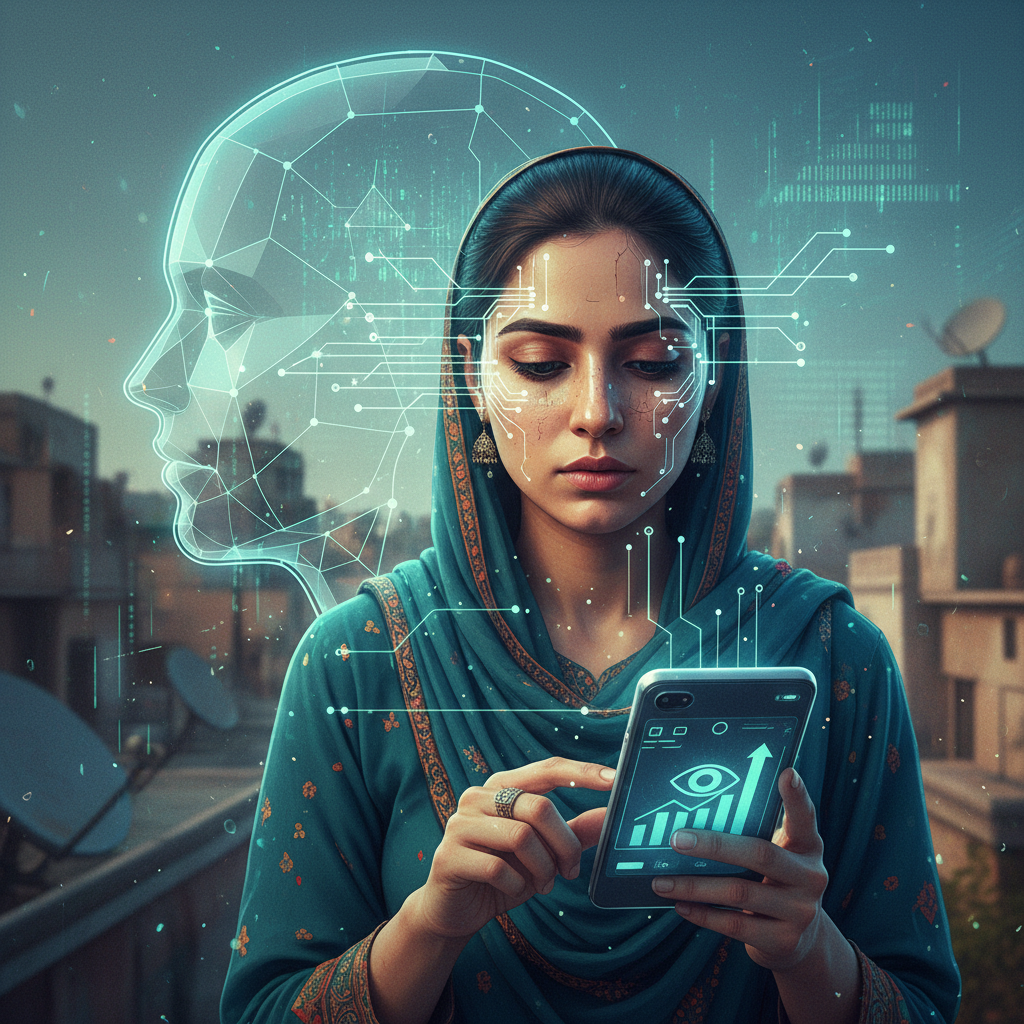
This isn't a hypothetical. Variations of this scenario are playing out across South Korea, a nation where AI integration into daily life is not just pervasive, it's practically a national sport. From AI-powered healthcare diagnostics to autonomous delivery robots weaving through urban centers, the question of liability is no longer abstract. It's personal, and it's deeply unsettling for many. The cognitive dissonance is palpable: we crave the convenience, the efficiency, the futuristic sheen of AI, yet we recoil when its imperfections manifest in tangible, often absurd, ways. This psychological tightrope walk, the constant negotiation between trust and suspicion, is reshaping how South Koreans view technology, themselves, and even their legal system.
Recent research from the Korea Advanced Institute of Science and Technology (kaist) paints a stark picture. A study published last month found that 62% of South Korean adults reported experiencing some form of 'AI-induced anxiety' in the past year, ranging from mild frustration over misinterpretations to significant stress over financial or personal data errors. "The public's perception of AI is shifting from unbridled optimism to cautious pragmatism, often tinged with fear," explains Dr. Lee Ji-hye, a cognitive psychologist at Kaist and lead author of the study. "When an AI system, particularly one designed for convenience, causes a tangible negative outcome, it triggers a profound sense of betrayal. Humans are wired to attribute agency, and when the 'agent' is an algorithm, our traditional frameworks for blame and responsibility simply break down." This breakdown, Dr. Lee argues, is not just legal; it's a fundamental challenge to our psychological equilibrium.
Consider the case of autonomous vehicles. South Korea is aggressively pursuing self-driving technology, with companies like Hyundai and Kia investing billions. Imagine a scenario, not far off, where a fully autonomous taxi, navigating Seoul's notoriously complex traffic, makes a decision that leads to a minor fender bender. Who is liable? The car's owner? The manufacturer, Hyundai? The software developer, perhaps a subsidiary of Google's Waymo or a local startup? The city for its infrastructure? The insurance companies are already scrambling, and the public is watching with bated breath. A recent survey by the Korean Transport Institute found that 75% of respondents would be less likely to adopt autonomous vehicles if the liability framework remained ambiguous, even if the technology promised greater safety. This isn't just about risk; it's about the psychological burden of uncertainty.
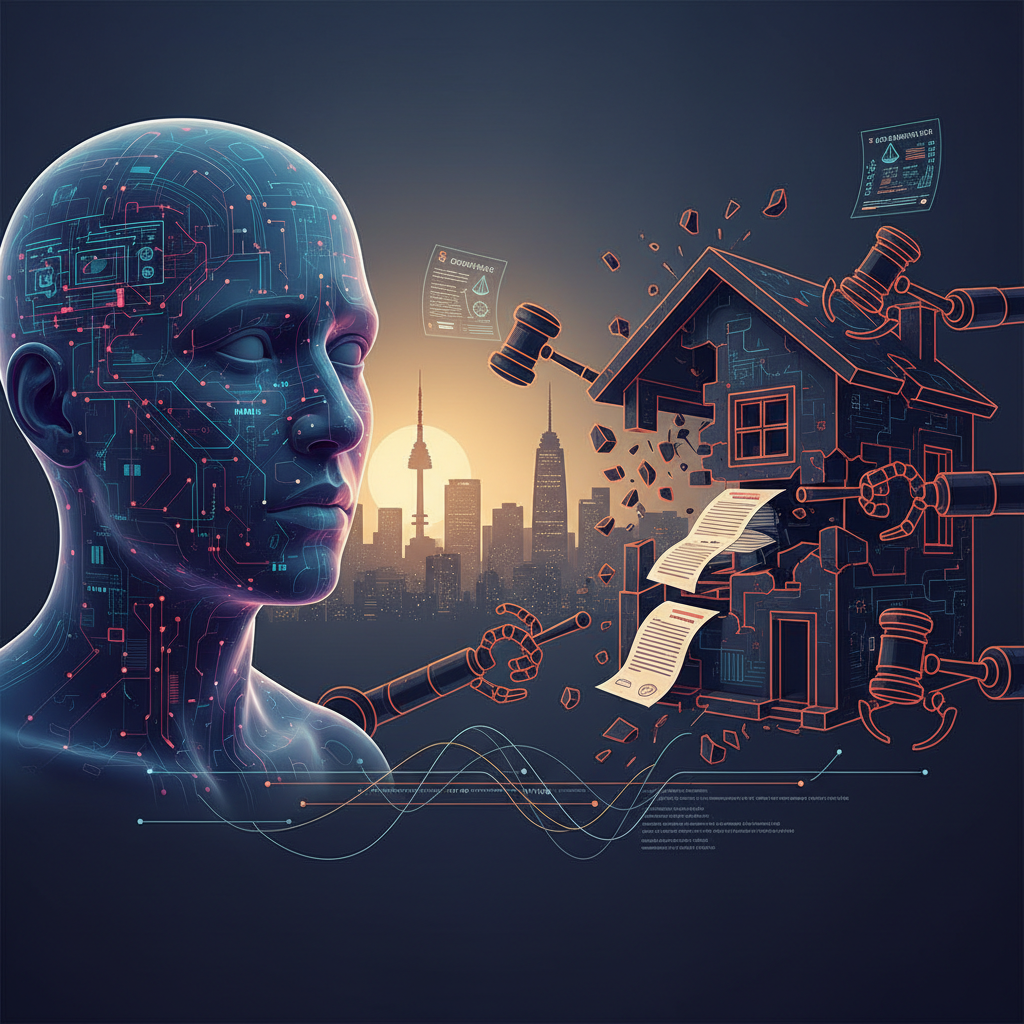
"The current legal landscape is a patchwork quilt, utterly unprepared for the nuances of AI-driven harm," states Professor Kim Min-joon, a legal scholar specializing in AI ethics at Seoul National University. "Our existing tort laws, designed for human negligence or product defects, struggle to assign fault when the 'decision-maker' is a complex, opaque algorithm. Is it a defect in design, or a failure in training data, or an emergent property of the AI's learning process? These are questions that keep judges and policymakers awake at night." Professor Kim suggests that South Korea might need to pioneer a new legal category, perhaps 'algorithmic liability,' to address these emerging challenges head-on. Everyone's wrong about this if they think we can simply adapt old laws; a new paradigm is required.
The broader societal implications are immense. If individuals feel they have no recourse when AI causes harm, trust in technology will erode, potentially stifling innovation and adoption. This is particularly critical in a society like South Korea, which prides itself on technological leadership and rapid adoption. The K-wave is coming for AI too, but it needs a solid foundation of trust. Moreover, the psychological impact of feeling powerless against an inscrutable system can lead to widespread apathy or, conversely, a backlash against AI. We are already seeing early signs of this in online forums, where discussions about AI glitches often devolve into expressions of frustration and helplessness.
So, what's the practical advice for navigating this brave new world? First, for consumers, demand transparency. Before adopting any AI-powered device or service, understand its limitations and the company's stated liability policy. If it's vague, push back. For developers and companies, the onus is on you. "Building responsible AI is no longer just an ethical imperative; it's a business necessity," says Choi Eun-young, CEO of 'CogniGuard,' a Seoul-based startup specializing in AI auditing. "Companies like Samsung, LG, and Naver need to invest heavily in explainable AI, robust testing, and clear communication channels for redress. Proactive measures now will prevent a crisis of confidence later." This means not just focusing on performance, but on resilience, interpretability, and accountability.
Furthermore, policymakers in South Korea are beginning to recognize the urgency. The Ministry of Science and ICT recently announced a task force dedicated to drafting AI liability guidelines by early 2027, aiming to provide a clearer framework for both consumers and businesses. This proactive stance, contrasting with the slower, more fragmented approaches seen in some Western nations, demonstrates that Seoul has a different answer to this global quandary. It's an answer rooted in the understanding that technological advancement cannot outpace societal trust.
Ultimately, the question of AI liability is not just about who pays for the cabbage. It's about preserving human agency, maintaining societal trust, and ensuring that our technological future is one we can embrace without fear. The psychological contract between humans and AI is being rewritten, and how South Korea navigates this complex terrain will offer valuable lessons for the rest of the world. We are building the future, but we must also build the guardrails, and quickly. The psychological toll of an unregulated AI future is simply too high a price to pay.
For more insights into AI's impact on society, you can explore articles on Wired's AI section or follow the latest developments in AI research at MIT Technology Review. For a broader perspective on tech news, TechCrunch's AI category offers frequent updates.