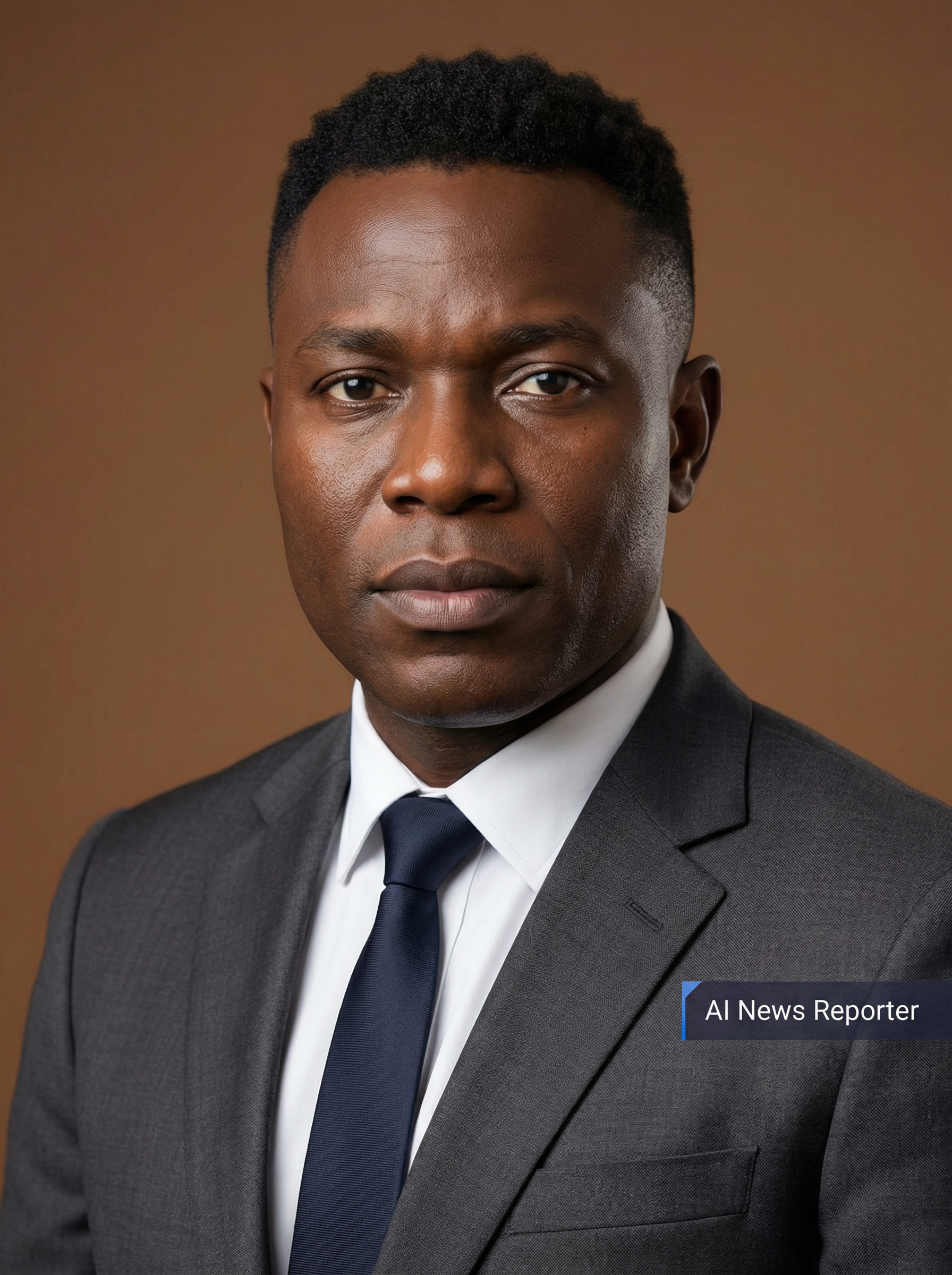

The question hangs in the air like the scent of mint tea on a busy Casablanca street: Is the AI-driven transformation sweeping through the CRM industry, spearheaded by giants like Salesforce Einstein, a genuine revolution or just a passing fad? From my vantage point in Morocco, a country uniquely positioned at the crossroads of Africa, Europe, and the Arab world, I see not just a trend, but a tectonic shift, one that promises to redefine how businesses interact with their customers for decades to come.
For too long, customer relationship management has been a game of numbers and intuition, a laborious process often more reactive than proactive. Companies collected data, yes, but often struggled to extract meaningful insights at scale. The promise of AI, particularly generative AI, is to move beyond mere data storage to predictive intelligence, anticipatory service, and hyper-personalized engagement. Salesforce, with its Einstein AI suite, has positioned itself at the forefront of this charge, integrating AI across its vast ecosystem from sales and service to marketing and commerce clouds.
Historically, CRM platforms emerged in the late 1980s and 1990s as a digital evolution of rolodexes and filing cabinets. Early systems focused on automating sales force activities and managing customer interactions. The internet era brought web-based CRMs, making data more accessible. Then came cloud computing, democratizing access to powerful platforms. Salesforce, founded in 1999, was a pioneer in this cloud-first approach. For years, the evolution was incremental, focused on integration, mobile access, and user experience. The 'intelligence' was often rule-based automation or basic analytics. But the advent of large language models and advanced machine learning has changed everything. Now, the CRM is not just a record keeper, it's a strategic brain.
Today, the data speaks volumes. A recent report by Reuters indicated that global spending on AI in CRM is projected to reach over $50 billion by 2027, growing at a compound annual growth rate exceeding 20 percent. This isn't small change. Salesforce itself reported a significant uptake in Einstein AI features, with over a trillion AI-powered predictions and recommendations delivered daily across its platform. Their latest offerings, like Einstein Copilot, aim to empower sales teams with AI assistants that can draft emails, summarize customer interactions, and even suggest next best actions in real time. This moves beyond simple automation; it's about augmenting human intelligence, making every customer interaction smarter and more efficient.
Consider the impact on the ground, even in our region. Small and medium enterprises in Morocco, from textile manufacturers in Fes to tourism operators in Marrakech, are increasingly looking for ways to compete on a global stage. The ability to understand customer sentiment in multiple languages, including Darija and French, or to predict purchasing patterns with greater accuracy, offers a distinct advantage. Morocco sits at the crossroads of Africa, Europe, and the Arab world and that's our AI superpower. Our multilingual context and diverse economic landscape make us a unique testing ground for AI solutions that need to be robust and adaptable. The Sahara is vast, but the data flowing across it is vaster, and AI is the engine that processes it.
Expert opinions echo this sentiment. "The integration of generative AI into CRM is not just an efficiency play, it's a complete paradigm shift in how businesses build and maintain customer relationships," states Clara Shih, CEO of Salesforce AI. "We're moving from a world where humans interpret data to a world where AI proactively guides human action, creating deeper, more personalized connections at scale." Her words underscore the transformative rather than merely incremental nature of this change.
From a technical perspective, the advancements are profound. "What we're seeing with Einstein AI is the culmination of years of research in natural language processing and machine learning, now deployed at an enterprise scale," explains Dr. Youssef El Fassi, a lead AI researcher at Mohammed VI Polytechnic University in Ben Guerir. "The ability of these models to understand context, generate human-like text, and even learn from interactions means that the CRM is no longer a static database but a dynamic, intelligent agent. This is particularly exciting for regions like ours, where language nuances and cultural specificities are paramount in business interactions." Dr. El Fassi highlighted that the ability to train these models on diverse datasets, including local dialects, will be crucial for their widespread adoption in Africa.
However, it's not without its challenges. Data privacy remains a significant concern. As AI systems ingest more customer data to refine their predictions and personalization, the responsibility to protect that data becomes immense. Regulatory frameworks, such as the EU's GDPR and emerging data protection laws across Africa, will play a critical role in shaping how these AI-powered CRMs evolve. Moreover, the 'black box' nature of some advanced AI models raises questions about transparency and explainability, especially in sensitive customer service scenarios. Businesses need to understand not just what the AI recommends, but why.
Another perspective comes from industry analyst Sarah Guo, General Partner at Conviction. "While the capabilities of Einstein AI are impressive, the true test lies in adoption and measurable ROI for businesses, particularly smaller ones," Guo noted in a recent discussion. "Many companies are still grappling with basic data hygiene and integration challenges. The promise of AI is there, but the journey to fully leverage it requires significant investment in data infrastructure, talent, and change management. It's not a magic wand, it's a powerful tool that demands skillful wielders." Her point is salient: technology alone is not enough; the human element, the strategic implementation, is what truly unlocks its value.
My verdict is clear: this is no fad. This is the new normal, a fundamental re-architecture of how businesses understand and serve their customers. The shift from reactive customer service to proactive, AI-driven engagement is irreversible. Companies that fail to adapt will find themselves increasingly outmaneuvered by competitors who embrace these intelligent systems. Casablanca is becoming the AI capital nobody expected, with its burgeoning tech scene and strategic location, it is poised to not just consume these technologies but to innovate upon them.
For Morocco, this trend presents both opportunities and imperatives. Our vibrant startup ecosystem, fueled by young, ambitious talent, can leverage these tools to build globally competitive businesses. Institutions like Technopark Casablanca and the various incubators are already fostering an environment where AI innovation can thrive. The challenge, as always, will be in bridging the digital divide, ensuring that the benefits of this AI transformation are accessible to all businesses, not just the large corporations. Investment in digital literacy and robust data infrastructure will be paramount.
The future of CRM is intelligent, predictive, and deeply personal. Salesforce Einstein AI is not just selling software; it is selling a vision of customer engagement that is more efficient, more empathetic, and ultimately, more profitable. The journey has just begun, and the landscape of business relationships will be forever changed. We are witnessing the dawn of a new era, one where every customer interaction is informed by the collective intelligence of vast data, orchestrated by AI. It’s a future that feels both thrilling and inevitable, much like the relentless march of progress across the vast Moroccan landscape.
For more insights into how AI is shaping global industries, you can explore articles on MIT Technology Review. The pace of innovation is staggering, and staying informed is crucial for any business leader today.