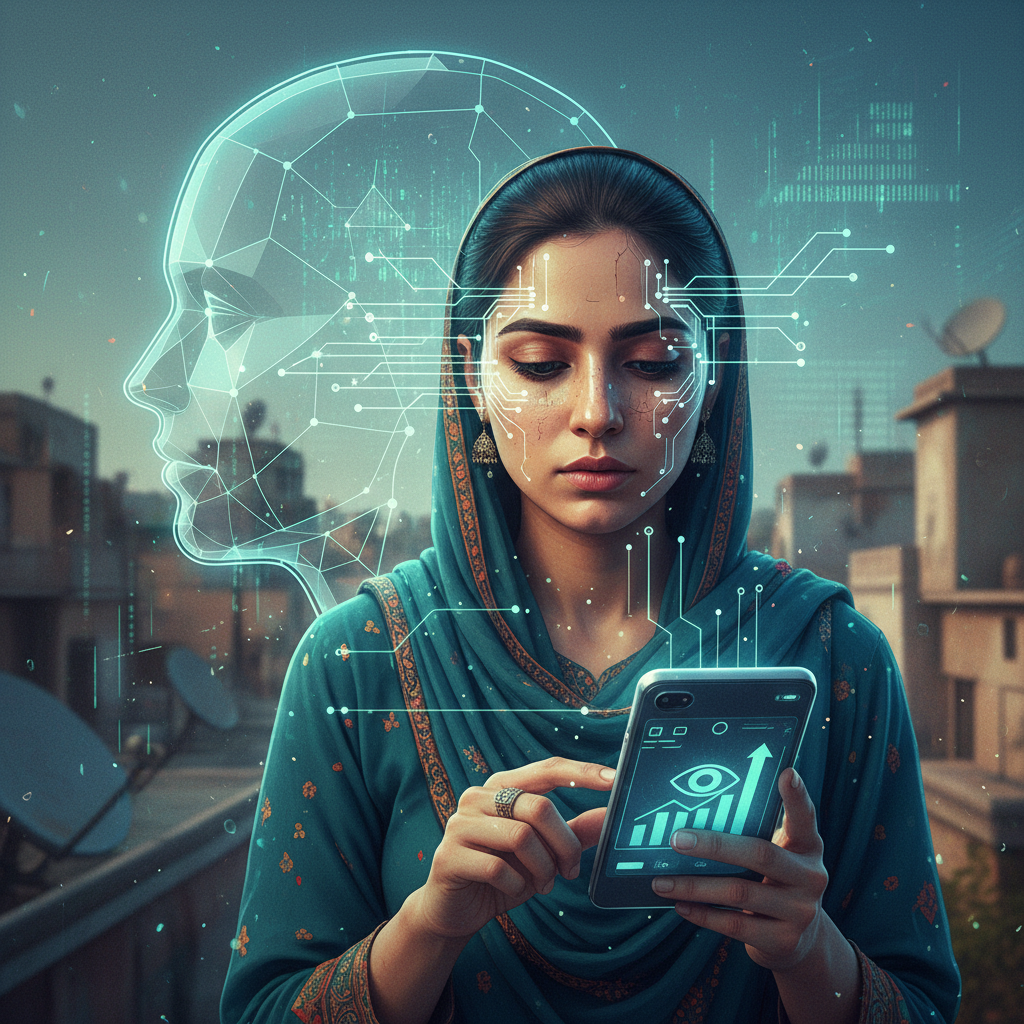

The scent of freshly brewed kopi o and the distant murmur of Kuala Lumpur traffic usually accompany my morning, but today, my mind is miles away, traversing the digital soundstages of Hollywood. We are talking about Runway ML, a company that has quietly, yet profoundly, begun to reshape how stories are told on screen. It is not just about fancy algorithms; it is about empowering creators, from the blockbuster studios in Los Angeles to the indie filmmakers in Penang, to conjure visuals that were once confined to the most expensive post-production houses.
Imagine a world where you can type a few words, and a fully rendered, cinematic video clip appears before your eyes, ready for editing. This is not science fiction anymore, it is the daily reality for many using Runway ML’s suite of generative AI tools. Their platform is like a digital wayang kulit master, allowing anyone to animate shadows into vibrant, moving narratives with unprecedented ease. Let me explain why this matters for Southeast Asia, a region rich in storytelling traditions but often constrained by production budgets.
The Company Today: A New Dawn for Digital Storytelling
Right now, Runway ML is buzzing. Their tools, particularly Gen-1 and Gen-2, have become almost synonymous with AI video generation. Just last month, I saw a short film produced by a young Malaysian director, a graduate from Universiti Malaya, that used Runway ML to create stunning, fantastical creatures for a fraction of the cost it would have taken traditionally. It was a revelation, a testament to how these technologies are leveling the playing field. The company, co-founded by Cristóbal Valenzuela, Anastasis Germanidis, and Alejandro Matamala, started with a vision to make complex creative tools accessible. They are not just building software; they are building a new creative language.
Their headquarters, though far from our tropical shores, operates with a global outlook. Valenzuela, their CEO, often speaks about democratizing creativity, a sentiment that resonates deeply in a region where access to high-end technology can be a significant barrier. “Our goal has always been to remove the technical hurdles from creative expression,” Valenzuela stated in a recent interview with TechCrunch, “We want artists to focus on their vision, not on the complexity of the tools.” This philosophy is embedded in their product design, making it intuitive enough for a novice, yet powerful enough for a seasoned professional.
The Origin Story: From Academia to Hollywood
Runway ML did not spring fully formed from a venture capital incubator. Its roots are in academia, specifically New York University’s AI research labs. The founders, then graduate students, were deeply immersed in machine learning and its application to creative fields. They saw the potential of generative adversarial networks (GANs) and later diffusion models, not just for research papers, but for practical artistic endeavors. They launched Runway ML in 2018, initially as a platform for artists to experiment with machine learning models without needing to code. It was a sandbox for the creatively curious.
Their early offerings were more experimental, allowing users to manipulate images and generate short, abstract video clips. But the real breakthrough came with their focus on video generation. They understood that video, the most complex and resource-intensive medium, was ripe for disruption. Their journey from a niche academic project to a company reportedly valued at over $1.5 billion, with significant backing from investors like Felicis Ventures and Coatue Management, is a classic Silicon Valley tale, albeit one with a distinctly artistic twist.
The Business Model: Subscriptions and Scale
Runway ML operates on a tiered subscription model, a familiar sight in the software-as-a-service (SaaS) world. They offer various plans, from free tiers with limited features to professional and enterprise subscriptions that unlock higher resolution, longer generation times, and advanced editing capabilities. This model allows them to cater to a broad spectrum of users, from hobbyists and students to independent filmmakers and large production studios. Their revenue primarily comes from these recurring subscriptions, supplemented by custom enterprise solutions for larger clients who might require specialized models or dedicated support.
They also generate revenue through API access, allowing other developers to integrate Runway ML’s generative capabilities into their own applications. This strategy is smart, extending their reach beyond their direct platform and embedding their technology deeper into the creative ecosystem. It is like selling the spices to many different chefs, not just cooking in your own kitchen.
Key Metrics: Powering the Creative Economy
While exact revenue figures are not publicly disclosed, industry analysts estimate Runway ML’s annual recurring revenue (ARR) to be in the tens of millions of dollars, with significant growth potential. Their user base reportedly spans millions globally, with a strong presence in film, advertising, and digital content creation. The company has secured over $200 million in funding across multiple rounds, indicating strong investor confidence in their long-term vision. This capital fuels their research and development, allowing them to continually push the boundaries of what AI can do in video.
Their growth is not just financial; it is also in influence. They are frequently cited in discussions about the future of filmmaking, and their tools are becoming standard in many creative workflows. This kind of organic adoption, driven by genuine utility, is far more valuable than any marketing campaign.
The Competitive Landscape: A Race for Visual Supremacy
Runway ML operates in an increasingly crowded and competitive space. Their primary competitors include well-established players and emerging startups. OpenAI, with its highly anticipated Sora model, is a significant contender, promising even more photorealistic and longer video generations. Google’s Imagen Video and Meta’s Emu Video are also in the mix, leveraging their vast data resources and research capabilities. Adobe, a giant in creative software, is integrating AI features into its Creative Cloud suite, offering tools like Project Blink and Firefly for video and image generation.
What differentiates Runway ML? Their focus on the artist workflow is key. While others might prioritize raw fidelity or scale, Runway ML has built a platform that feels like a creative studio, not just a model API. They offer a suite of tools beyond just generation, including inpainting, outpainting, and motion brush, which allow for granular control and iterative refinement. The architecture is fascinating; it is not just about generating pixels, but about understanding motion, composition, and artistic intent. This user-centric approach has garnered them a loyal following among professional artists and filmmakers.
The Team and Culture: A Blend of Art and Algorithm
Runway ML’s team is a unique blend of machine learning engineers, artists, and product designers. This interdisciplinary approach is crucial for building tools that are both technically advanced and creatively intuitive. Valenzuela, known for his artistic background and technical acumen, fosters a culture of experimentation and collaboration. Employees often speak of a vibrant, innovative environment where art and science continually inform each other. This culture is vital for attracting top talent in a competitive AI landscape, where engineers often have their pick of companies.
Challenges and Controversies: The Ethical Canvas
No revolutionary technology comes without its challenges. The ethical implications of generative AI, particularly deepfakes and misinformation, are a constant concern. Runway ML, like its peers, faces the challenge of ensuring its technology is used responsibly. They have implemented safeguards and usage policies, but the broader societal impact remains a complex issue. There are also ongoing discussions about intellectual property, especially concerning the training data used for these models. Artists worry about their work being used without consent or fair compensation.
Another challenge is the sheer computational cost. Generating high-quality video is incredibly resource-intensive, requiring massive GPU power. This translates to operational costs and a need for continuous optimization. The rapid pace of AI development also means constant innovation is required to stay ahead of competitors and meet evolving user demands.
The Bull Case and the Bear Case
The bull case for Runway ML is compelling. They are at the forefront of a paradigm shift in content creation. As video consumption continues to soar across platforms like TikTok, YouTube, and Netflix, the demand for efficient, high-quality video production tools will only grow. Their strong market position, artist-centric approach, and continuous innovation could see them become the dominant platform for AI-powered video. The potential for expansion into virtual production, gaming, and even educational content is immense. Malaysia is positioning itself perfectly to leverage such advancements, with initiatives like the Malaysia Digital Economy Corporation (mdec) actively promoting AI adoption in creative industries.
The bear case, however, cannot be ignored. The entry of tech behemoths like OpenAI and Google, with their immense resources and talent pools, poses a significant threat. If these giants can match Runway ML’s artistic sensibility and workflow integration, they could quickly capture market share. The ethical and legal challenges surrounding AI-generated content could also lead to restrictive regulations, impacting their business model. Furthermore, the rapid commoditization of generative AI models means that differentiation will become increasingly difficult, forcing companies to innovate at an unsustainable pace.
What’s Next: The Future Unfolds
Looking ahead, Runway ML will likely continue to refine its core generative models, pushing for greater realism, longer sequences, and more precise control. We can expect deeper integrations with existing creative software ecosystems, making their tools even more seamless for professionals. They might also explore new modalities, perhaps even interactive storytelling or real-time rendering for live events.
For us in Southeast Asia, companies like Runway ML represent a powerful tool for cultural expression. Imagine historical epics, folklore, or contemporary Malaysian narratives brought to life with production values that rival Hollywood, all without breaking the bank. This technology has the potential to unlock a new wave of local content creators, allowing our unique stories to reach a global audience. The creative revolution is here, and Runway ML is handing out the brushes. It is up to us to paint the future. For more insights into the broader AI landscape, you might find this overview of AI research and analysis useful. The canvas is vast, and the possibilities are truly limitless. We are not just watching the future; we are generating it. For a deeper dive into how AI is impacting various industries, including creative fields, the BBC's technology section offers regular updates and analyses.