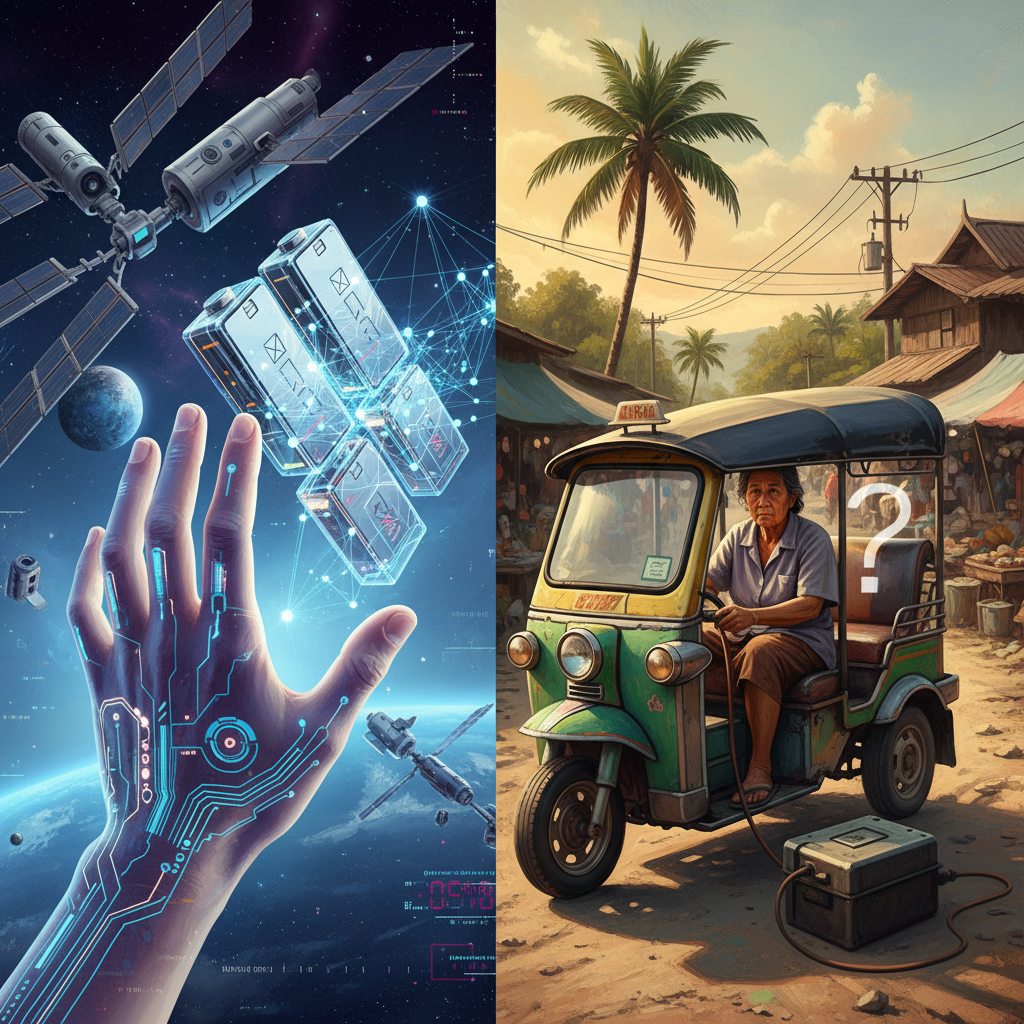

Let's be real. Silicon Valley has a blind spot the size of Texas when it comes to who benefits from its shiny new toys. Every other week, some startup announces a jaw-dropping funding round for an AI solution that promises to change everything. This week, it's Poolside AI, which just raked in a cool $500 million to build foundation models specifically for coding. Half a billion dollars, folks, for AI that writes code. The tech world is buzzing, hailing it as the dawn of hyper-efficient software development. But here's what the tech bros don't want to talk about: who is this really for, and what does it mean for the millions of developers, especially those from marginalized communities, who are already struggling to get a fair shake in this industry?
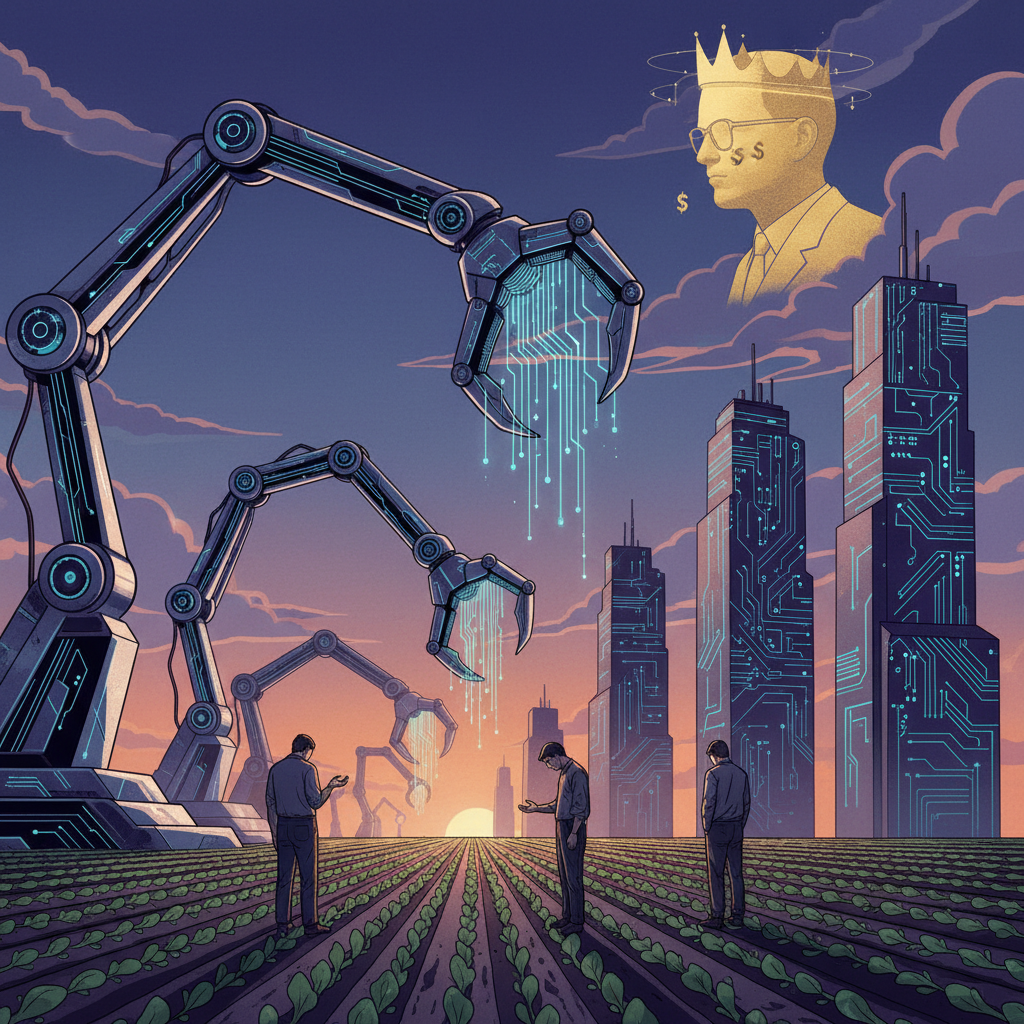
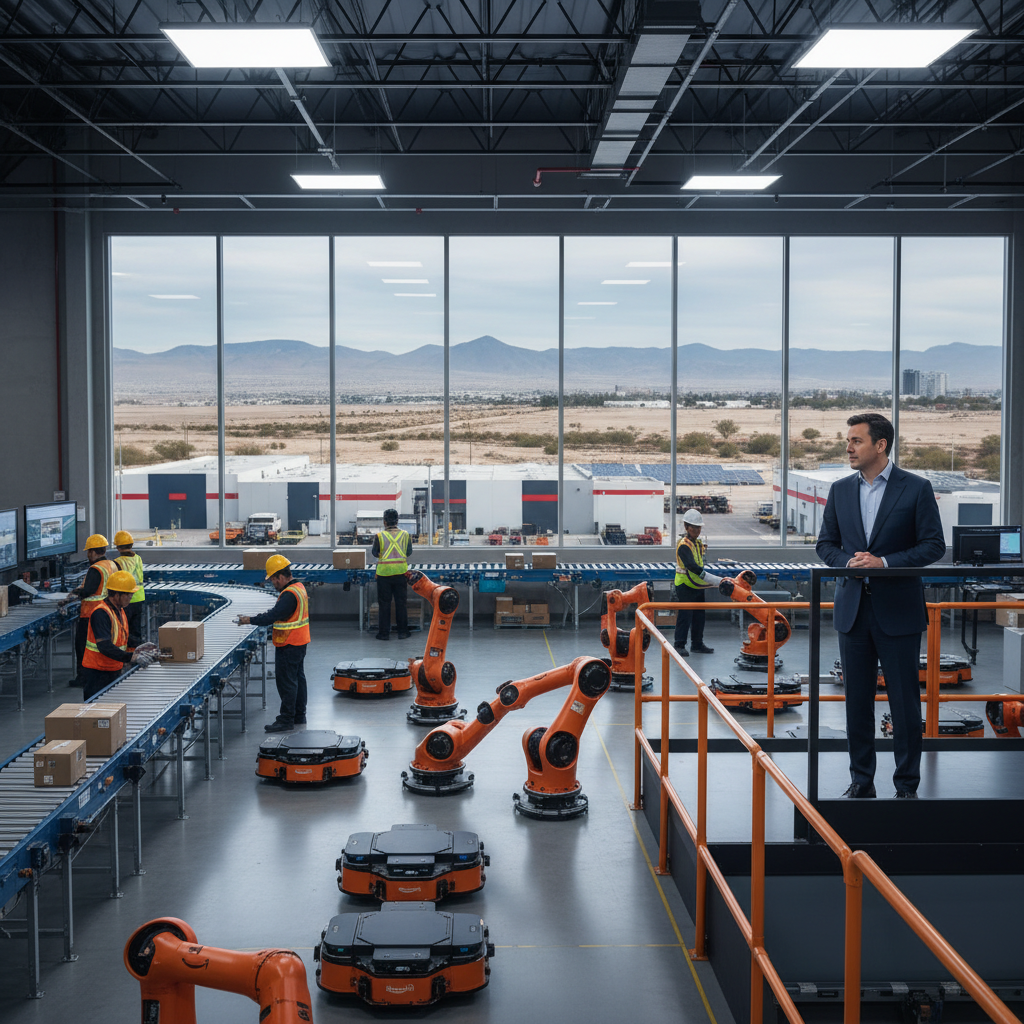
This isn't a new story, just a new chapter. For years, the promise of automation has been dangled like a carrot, always just out of reach for the masses, while benefiting a select few. We've seen it with low code, no code, and now, AI-generated code. The idea is seductive: imagine a world where complex software practically writes itself, freeing up human developers for higher-level, more creative tasks. Sounds great on paper, right? But history teaches us that 'efficiency' in tech often translates to 'job displacement' for some, and 'power consolidation' for others. Think about the manufacturing jobs that vanished from the Rust Belt, or the customer service roles outsourced overseas. Technology is a tool, and like any tool, its impact depends entirely on who wields it and for what purpose.
The current AI boom, particularly in generative models, has been nothing short of explosive. Companies like OpenAI with their GPT series, Google's Gemini, and Anthropic's Claude have shown us what's possible with large language models. They can write essays, compose music, and yes, even generate snippets of code. But the general purpose nature of these models means they often struggle with the nuanced, context-specific demands of professional software engineering. That's where Poolside AI and similar ventures like Cursor, or even GitHub Copilot which leverages OpenAI's Codex, aim to carve out their niche. They promise models trained on vast repositories of high-quality code, designed to understand programming logic, debug, and even refactor with a precision that general LLMs can't match. The market is clearly buying into this vision. Reports from Reuters indicate a significant surge in investments for specialized AI applications, with coding tools being a prime target.
So, is this a fad or the new normal? The data suggests a strong lean towards the latter, at least in terms of adoption. GitHub Copilot, for instance, reported that over 1.8 million developers were using it as of late 2023, claiming it helped them code 55% faster. That's a staggering figure. Enterprises are rushing to integrate these tools, hoping to boost productivity and cut development costs. "The demand for highly specialized AI models that can integrate seamlessly into existing workflows is immense," stated Satya Nadella, CEO of Microsoft, during a recent earnings call. "We are seeing a clear shift towards domain-specific intelligence, and coding is at the forefront of that transformation." He's not wrong about the demand, but the question remains: transformation for whom?
Uncomfortable truth time: the tech industry's diversity problem isn't going to magically disappear because AI can write boilerplate code. In fact, it might get worse. If AI tools become indispensable, who gets to define what 'good code' looks like? Who trains these models, and whose biases are embedded in their vast datasets? If the training data primarily reflects the coding styles and practices of a homogenous group, say, predominantly white male developers from elite institutions, then the AI will perpetuate those norms. This could further marginalize developers from diverse backgrounds whose approaches might differ, or whose contributions are simply not represented in the training data. We've seen this play out with facial recognition AI that struggles to identify people of color, or hiring algorithms that disadvantage women. The same pitfalls await code-generating AI if we're not vigilant.
Dr. Timnit Gebru, a leading voice in ethical AI and founder of the Distributed AI Research Institute, has repeatedly warned against the uncritical adoption of powerful AI systems. "If we are not intentional about the data we use and the values we encode, these systems will simply amplify existing inequalities," she once remarked in an interview with Wired. Her words resonate deeply here. This isn't just about lines of code; it's about the future of work, access, and opportunity in an industry that already struggles with equitable representation. Black and Latinx individuals are still severely underrepresented in tech leadership and engineering roles across the USA, a fact that remains stubbornly true despite years of 'diversity initiatives.'
Consider the impact on entry-level positions. If AI can handle routine coding tasks, what happens to junior developers who rely on those tasks to learn and grow? Will the barrier to entry for a software engineering career become even higher, requiring a more advanced skill set from day one? This could disproportionately affect individuals from underserved communities who may not have access to the same educational resources or mentorship opportunities. The pipeline problem, as it's often called, could become a chasm. We've already seen how the pursuit of 'efficiency' in other sectors has led to a hollowing out of the middle class. We cannot afford for that to happen in tech, which is supposed to be an engine of upward mobility.
My verdict? Specialized code-generating AI is definitely here to stay, and it will undoubtedly change how software is built. The half-billion dollar investment in Poolside AI is a clear signal of that. It's not a fad. But whether it becomes a force for broad empowerment or just another tool for consolidation and exclusion depends entirely on the conscious choices we make now. We need to demand transparency in training data, push for diverse teams building these tools, and critically examine the societal implications beyond just productivity metrics. Otherwise, this 'new normal' will look a lot like the old one, just with fancier algorithms. We need to ensure that the benefits of this technological leap are shared broadly, not hoarded by a select few in Silicon Valley. The future of coding, and indeed the future of economic opportunity in America, depends on it.