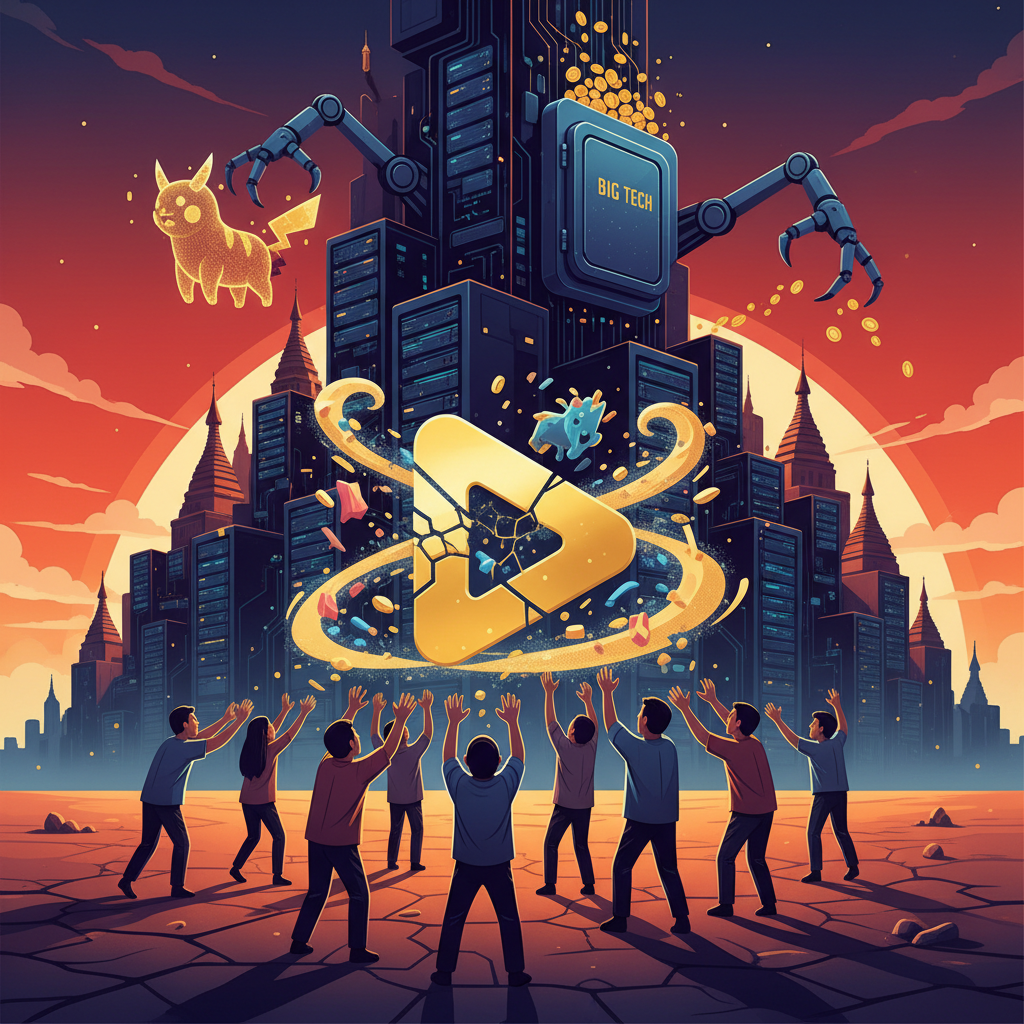

From my vantage point in Yangon, where the internet itself is a fragile, often weaponized commodity, the endless chatter from Silicon Valley about the 'democratization of creativity' through AI tools like Pika Labs sounds, at best, naive and, at worst, deeply cynical. They speak of a future where anyone can conjure cinematic visions from mere text prompts, a world where the barriers to video production crumble. But when I hear these grand pronouncements, I cannot help but ask: Democratized for whom, and at what cost to those of us living on the margins of this digital dream?
Pika Labs, alongside competitors like RunwayML and the behemoth Google DeepMind, is indeed making impressive strides in text-to-video generation. Imagine typing a few words, 'a golden pagoda at sunset, monks walking peacefully,' and having a short, moving clip appear before your eyes. It is a technological marvel, no doubt. The buzz is palpable, with investors pouring millions into these startups, all vying to be the 'YouTube of AI-generated content.' They promise a future where independent creators, small businesses, and even ordinary people can produce high-quality video without expensive equipment, complex software, or specialized skills. This is the narrative being sold, a compelling vision of empowerment.
However, in Myanmar, the stakes are different. Here, access to stable, high-speed internet is a luxury, not a given. Electricity is intermittent, and the devices capable of running such sophisticated AI models are often out of reach for the majority. When I hear about the 'democratization' of anything, my mind immediately goes to the practicalities: Who can actually use these tools? What are the hidden costs? And whose narratives will ultimately be amplified by this new technology?
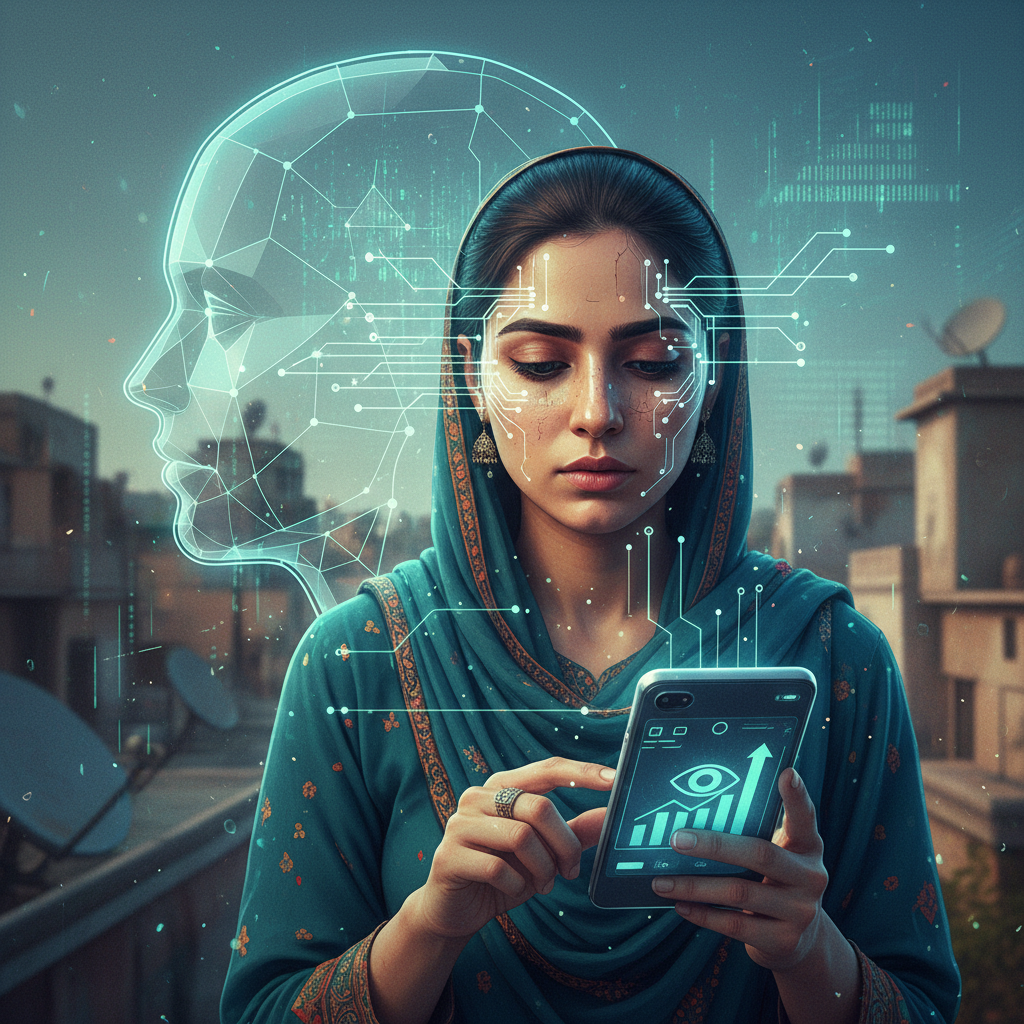
The current race to build the ultimate AI video platform, often spearheaded by well-funded startups like Pika Labs, which reportedly raised significant capital to accelerate its development, seems less about truly empowering a global community and more about consolidating a new form of digital control. The algorithms that power these tools are trained on vast datasets, often scraped from the internet without explicit consent, raising profound questions about intellectual property, cultural appropriation, and bias. If these models are predominantly trained on Western aesthetics, narratives, and visual styles, what does that mean for the rich tapestry of global storytelling? Will our stories, our unique visual identities, be flattened and homogenized by an algorithm that does not understand the nuance of a thanakha adorned face or the intricate patterns of a longyi?
Consider the implications for local content creators. In Myanmar, many rely on mobile phones and basic editing software to tell their stories, to document injustices, or simply to share their culture. These are often stories that would never make it to mainstream media. Technology can be a lifeline for these individuals, providing a means to bypass traditional gatekeepers. But if the most powerful video creation tools are locked behind high computational requirements, subscription fees, or simply an internet connection that is perpetually throttled or shut down, then what 'democratization' are we truly talking about? It becomes another barrier, another layer of exclusion.
Some might argue that these tools are still in their infancy, and that with time, they will become more accessible, more localized, and more equitable. They might point to the open-source movement within AI, where models are shared freely, allowing for adaptation and customization. Indeed, initiatives like Meta's Llama models show a commitment to broader access, at least in some forms. They might say that the market will naturally drive down costs and improve accessibility, just as it did with personal computers and smartphones. This is a common refrain, a belief in the inherent fairness of technological progress.
But I have seen enough to be skeptical of such an optimistic, hands-off approach. The market, left unchecked, often exacerbates existing inequalities. The initial training data, the computational power required, the ethical frameworks embedded within the algorithms, these are all shaped by those who hold the most power and resources. As Dr. Timnit Gebru, a prominent AI ethics researcher, has repeatedly highlighted, the biases in AI systems are not accidental; they are reflections of the biases in the data and the people who create them. If the 'YouTube of AI video' is built on a foundation of unexamined biases, it will simply replicate and amplify those biases on a global scale.
My concern is not just about the technical hurdles, but about the philosophical underpinnings. The rush to create a 'YouTube of AI video' often frames creativity as an output, a product to be generated, rather than a deeply human process of expression, struggle, and connection. It risks turning storytelling into a commodity, easily manufactured and consumed, rather than a vital act of cultural preservation and resistance. For us, this is about survival, not convenience. The ability to tell our own stories, in our own way, is paramount, especially when our voices are often suppressed or distorted by external forces.
We need to demand more from these tech giants and startups. We need to ask for transparency in their training data, for ethical guidelines that prioritize global equity, and for tools that are truly accessible and adaptable to diverse cultural contexts. We need to ensure that the 'democratization of creativity' is not just a marketing slogan, but a tangible reality for everyone, not just those in privileged digital enclaves. Otherwise, this new wave of AI video will simply become another tool for the powerful to shape narratives, further marginalizing those whose stories desperately need to be heard. The race to build the YouTube of AI-generated video should not be a race to replicate existing power structures; it should be an opportunity to dismantle them and build something truly inclusive. The world is watching, and for many of us, our future depends on it. You can read more about the broader implications of AI in creative fields on TechCrunch's AI section.