
Ciao, my friends. Mattèo Ferrarì here, and today we are talking about something that touches the very fabric of our society, something that often operates in the shadows, yet shapes the world we live in. We are going to explore Palantir, a name that conjures images of powerful algorithms and government contracts, and understand what its AI platforms truly are and why they stir so much debate.
What is Palantir's AI Platform?
At its heart, Palantir is a data integration and analytics company. Think of it like this: imagine you have thousands of different pieces of information, scattered across countless documents, databases, and systems. Some are in Italian, some in English, some are videos, some are spreadsheets. It is a mess, a true babel of data. Palantir's platforms, primarily Gotham and Foundry, are designed to bring all this disparate information together, clean it up, and make it understandable. Then, they apply advanced analytics and artificial intelligence to find patterns, connections, and insights that a human eye could never spot alone. It is not just about storing data, it is about making sense of it, finding the needle in the digital haystack, and presenting it in a way that allows decision-makers to act quickly.
Why Should You Care?
Now, you might be thinking, 'Mattèo, this sounds like technical jargon. Why should I, a person who enjoys my morning cappuccino and an evening stroll, care about this?' My dear reader, you should care because these platforms are often used by governments, intelligence agencies, and law enforcement around the world. This means they can impact everything from national security and counter-terrorism efforts to public health responses and even how our cities are managed. The insights derived from Palantir's AI can lead to decisions that affect your privacy, your safety, and your freedom. When such powerful tools are at play, understanding their capabilities and limitations becomes a civic duty. It is about the balance between security and liberty, a conversation we Italians, with our rich history, understand deeply.
How Did It Develop?
Palantir Technologies was co-founded in 2003 by Peter Thiel, Alex Karp, and others, with initial investment from In-Q-Tel, the venture capital arm of the CIA. Yes, you heard that right, the CIA. Their early work was deeply rooted in counter-terrorism efforts post-9/11. The idea was to create software that could help intelligence analysts connect the dots between seemingly unrelated pieces of information to prevent future attacks. Over the years, their technology evolved, moving beyond just intelligence to serve various government agencies, and eventually, large corporations. They built a reputation for tackling some of the most complex data challenges, often in highly sensitive environments. From the very beginning, their story has been intertwined with state power and national security, setting the stage for the controversies that would follow.
How Does It Work in Simple Terms?
Imagine you are a detective in a classic Italian mystery, like those wonderful Montalbano stories. You have clues everywhere: a witness statement, a discarded receipt, a Cctv camera footage, a phone record, a social media post. Normally, you would painstakingly piece these together, often missing subtle connections. Palantir's AI is like having a super-powered assistant who can instantly read every document, watch every video, and cross-reference every name and date from all your sources. It then highlights potential suspects, maps their relationships, and even predicts their next moves, all in real-time. It does not make the decision, but it presents the most comprehensive picture possible, allowing the human detective to make a more informed choice.
One of the platform's key strengths is its ability to integrate structured data, like database entries, with unstructured data, like text documents, images, and audio files. It uses machine learning algorithms to identify entities, extract relationships, and build comprehensive profiles or networks. For instance, if a government agency is tracking a public health crisis, Palantir's Foundry platform could ingest hospital records, travel data, social media trends, and even anonymized mobile phone location data. It would then identify hotspots, predict resource needs, and model the spread of the disease. It is a powerful lens through which to view complex problems.
Real-World Examples
Palantir's platforms have been deployed in various high-stakes scenarios, often with significant public scrutiny.
-
Counter-Terrorism: This is where Palantir began. Agencies have used Gotham to analyze vast datasets to identify terrorist networks, track financing, and predict potential threats. The aim is to connect fragmented intelligence to prevent attacks before they happen.
-
Immigration and Border Control: In the United States, Palantir has contracts with Immigration and Customs Enforcement (ICE). Their software, reportedly known as Investigative Case Management (ICM), helps agents analyze data from various sources, including public records, social media, and law enforcement databases, to identify and track individuals for deportation. This particular application has drawn considerable criticism from civil liberties groups.
-
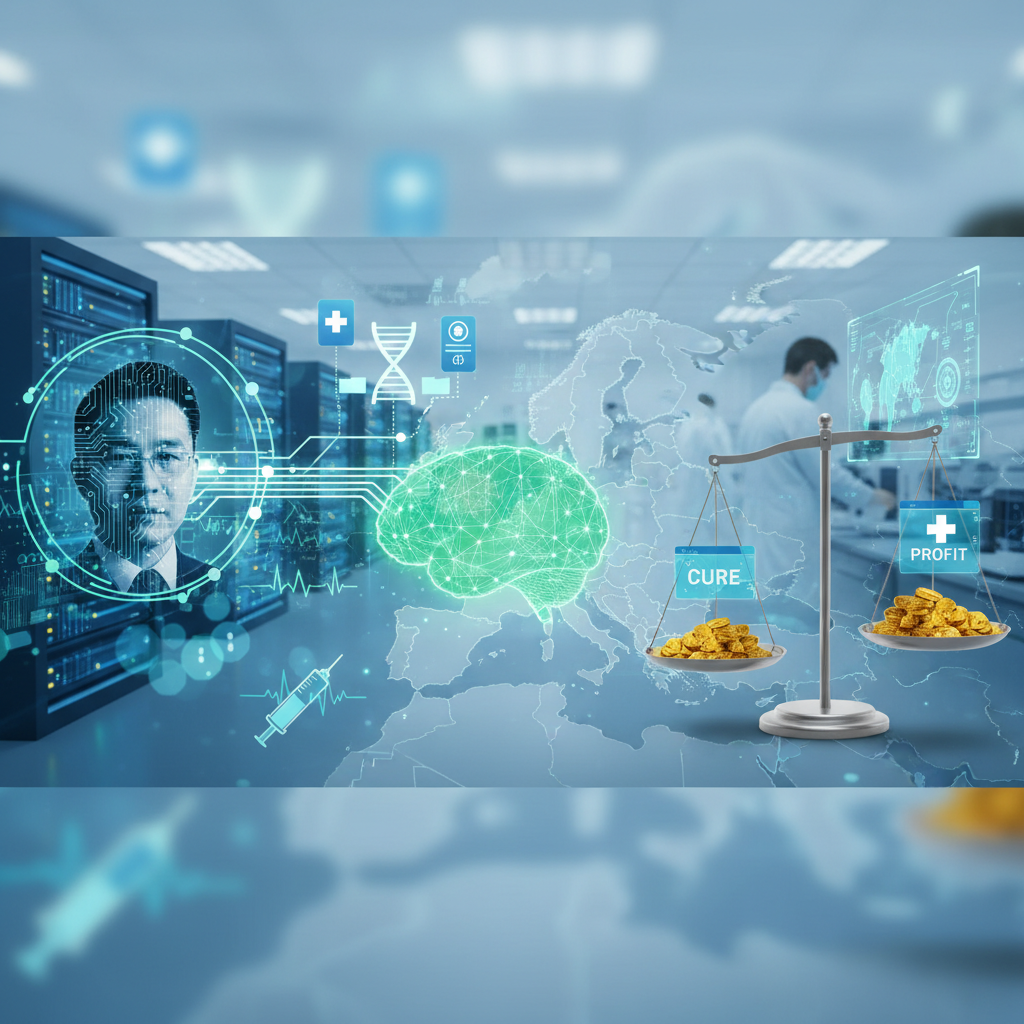
Public Health: During the Covid-19 pandemic, Palantir's Foundry platform was used by several governments, including the UK's National Health Service (NHS), to manage supply chains, allocate resources, and track the spread of the virus. This helped optimize hospital capacity and vaccine distribution, demonstrating a less controversial application of their technology in a crisis.
-
Military Operations: Palantir's software is also used by defense departments for intelligence analysis, logistics, and strategic planning. It helps military analysts understand complex battlefield environments, track enemy movements, and optimize resource deployment. The U.S. Army, for example, has reportedly used Palantir's tools for various operations.
Common Misconceptions
Many people misunderstand what Palantir's AI actually does. It is not a sentient being making decisions on its own. It is a tool, albeit a very sophisticated one. It does not replace human analysts or decision-makers, but rather augments their capabilities. The AI identifies patterns and presents them, but humans are still responsible for interpreting those patterns and making the final judgment. The danger, of course, lies in the potential for algorithmic bias, where the data fed into the system reflects existing societal prejudices, leading to unfair or inaccurate outcomes. As Professor Luciano Floridi, a leading Italian philosopher of information, often reminds us, technology is never neutral; it reflects the values embedded by its creators and users.
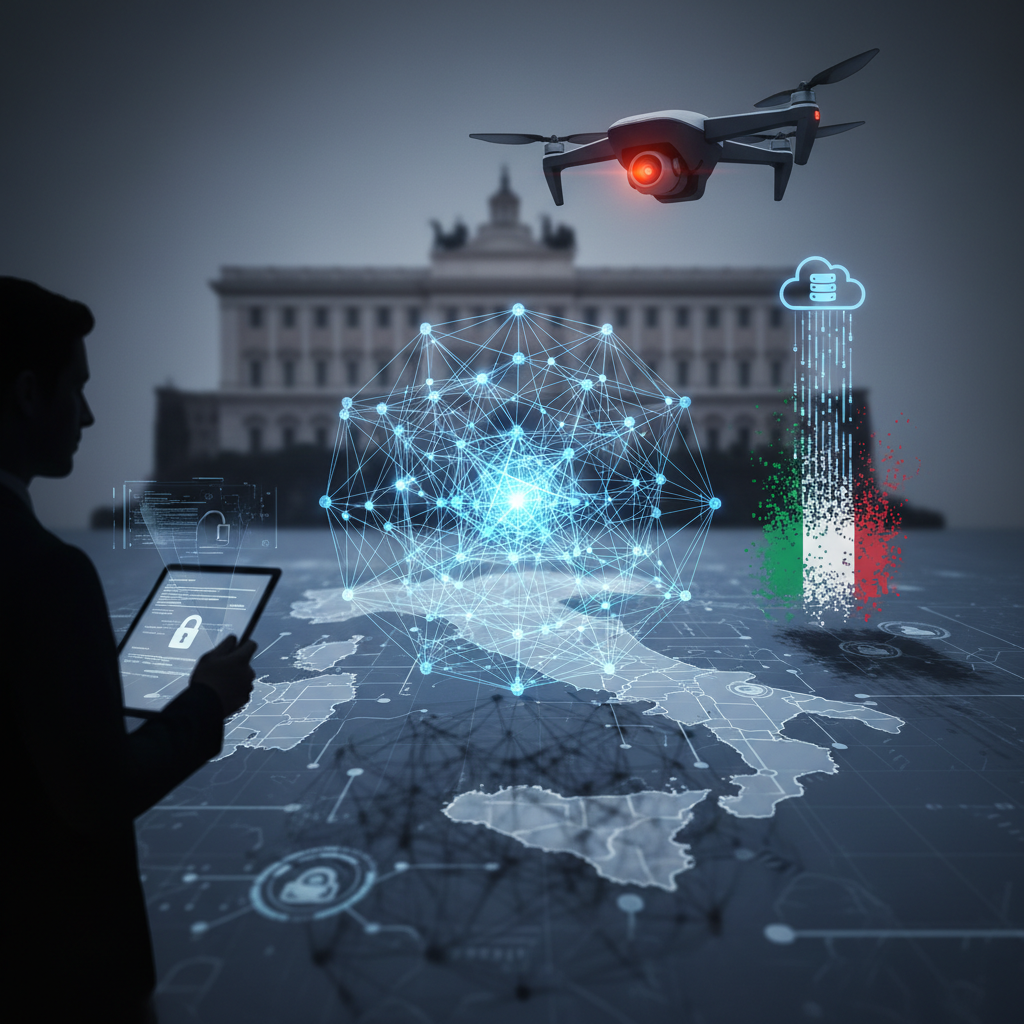
Another misconception is that Palantir is a data-gathering company. They do not typically collect the data themselves. Instead, they provide the software that helps organizations integrate and analyze their own existing data. The privacy implications arise from how much data these organizations possess and how they choose to use Palantir's powerful tools to process it.
What to Watch For Next
The future of Palantir, and similar AI platforms, will continue to be shaped by the ongoing tension between security needs and civil liberties. As AI becomes more sophisticated, the ethical questions surrounding its use in government become even more pressing. We must ask: Who has access to this data? How is it being used? What oversight mechanisms are in place? And importantly, how do we ensure transparency and accountability when these systems operate behind closed doors?
Here in Europe, with our strong emphasis on data protection and privacy, exemplified by GDPR, the debate around such platforms is particularly vibrant. Italy does AI differently, with style, and often with a deep consideration for human values. The European Union is actively working on AI regulations, and how companies like Palantir will operate within these new frameworks will be crucial. We are seeing a global push for more ethical AI, and the conversations happening in Brussels and Rome will undoubtedly influence how these powerful tools are deployed worldwide. According to a recent article in MIT Technology Review, the push for explainable AI and robust ethical guidelines is gaining significant traction, particularly in the public sector.
As these technologies become more pervasive, we, the citizens, must remain vigilant. We must demand transparency from our governments and the companies they contract with. The digital age brings immense power, and with it, immense responsibility. It is up to all of us to ensure that this power is wielded wisely, protecting our la dolce vita and our fundamental rights, not eroding them. The conversation around AI and state power is not just for technologists or politicians; it is for every one of us who values a free and open society. For more insights into the broader implications of AI in government, you might find this article on When Algorithms Wear the Robes: Palantir's Gotham and the Unseen Hand in Asia's Justice Systems [blocked] interesting, as it explores similar themes in a different context. We must continue to ask the tough questions and hold power to account, ensuring that technology serves humanity, not the other way around. For further reading on the business side of AI and its impact on various sectors, Reuters Technology offers excellent coverage.