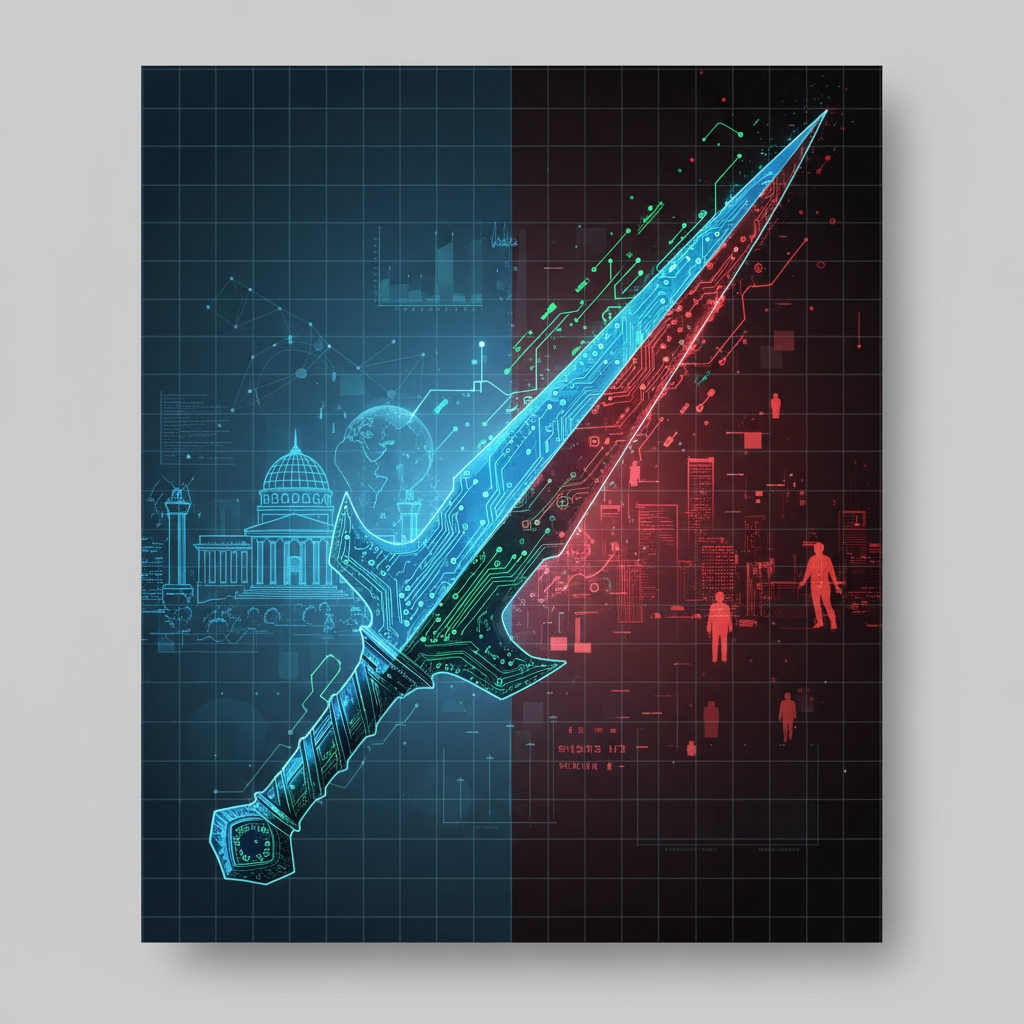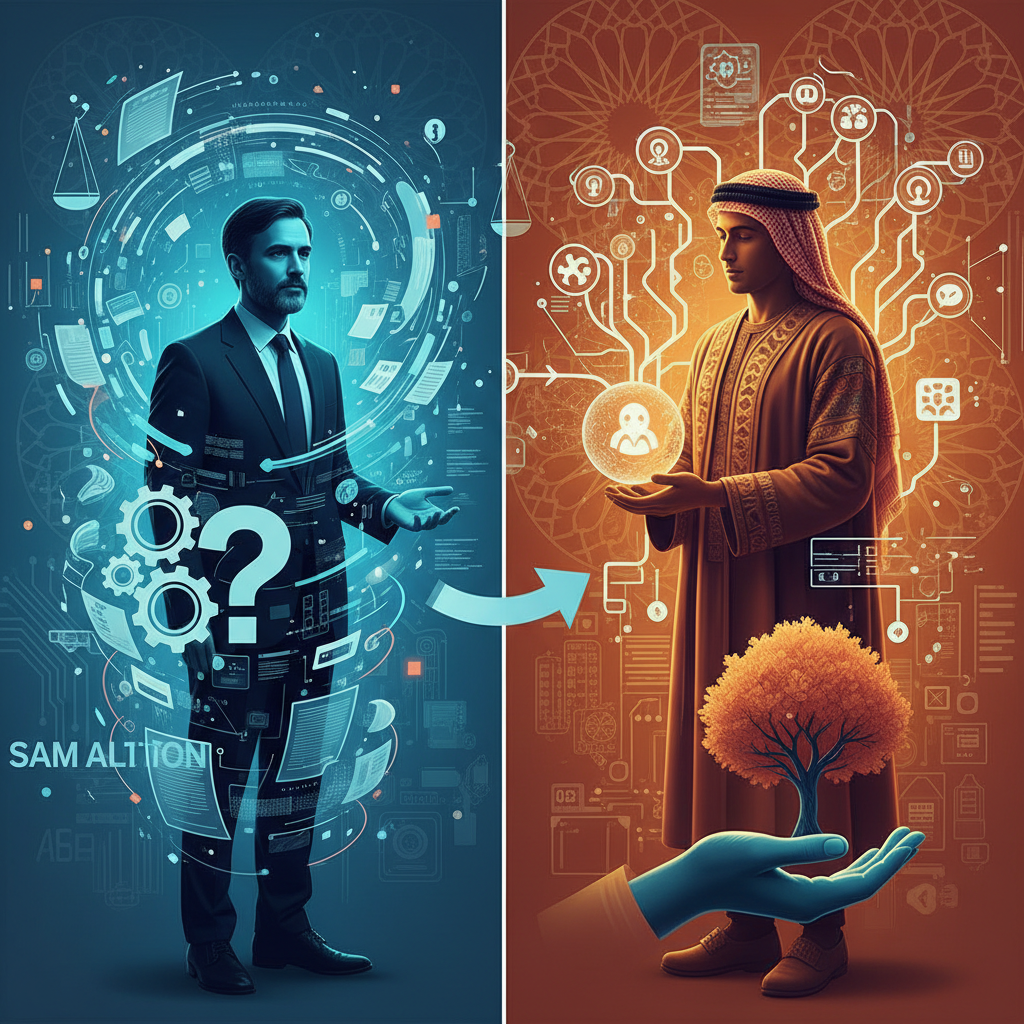
The question of who owns what an AI creates is not merely a legal quibble for the ivory towers of American law schools, it is a foundational challenge to creativity, commerce, and culture worldwide. Here in Amman, we watch the legal battles unfold in the West with a mixture of fascination and exasperation. OpenAI, Google, Meta, and their ilk are locked in a high-stakes game of intellectual property poker, and the chips are the livelihoods of artists, writers, musicians, and innovators. Is this trend a fleeting legal headache, or is it the new normal that will reshape how we value human endeavor in the digital age?
Let us rewind a little. For centuries, intellectual property laws were relatively straightforward, albeit complex in their application. A human created something, a human owned it. The concept of authorship was sacrosoluble, tied directly to human ingenuity and effort. Then came the internet, and suddenly, copying became effortless. Now, with generative AI, the very act of creation is being outsourced, or at least, augmented to an unprecedented degree. Large language models like OpenAI's GPT-4 and Google's Gemini are trained on colossal datasets, often scraped from the open web without explicit consent or compensation to the original creators. When these models then produce text, images, or code that bears a striking resemblance to existing works, the lines blur into an impenetrable fog.
Historically, the West has leaned heavily on concepts like 'fair use' or 'fair dealing' to permit limited use of copyrighted material without permission for purposes such as criticism, comment, news reporting, teaching, scholarship, or research. This legal doctrine, however, was never designed for machines ingesting trillions of data points to generate new content that directly competes with the originals. It is a legal framework from a bygone era, struggling to contain a technological tsunami. We are seeing a fundamental mismatch between 20th-century laws and 21st-century capabilities.
Today, the landscape is a minefield of lawsuits and legislative proposals. Major media outlets, including The New York Times, have sued OpenAI and Microsoft, alleging copyright infringement on a massive scale. Artists are organizing, demanding compensation and control over their digital likenesses and styles. The Authors Guild in the US has filed a class-action lawsuit against OpenAI, claiming their works were used without permission to train AI models. These are not isolated incidents, they are the opening volleys in a war for the soul of intellectual property. A recent report by Reuters indicated that over 70% of creative professionals surveyed globally believe their work has been used by AI without proper attribution or compensation.