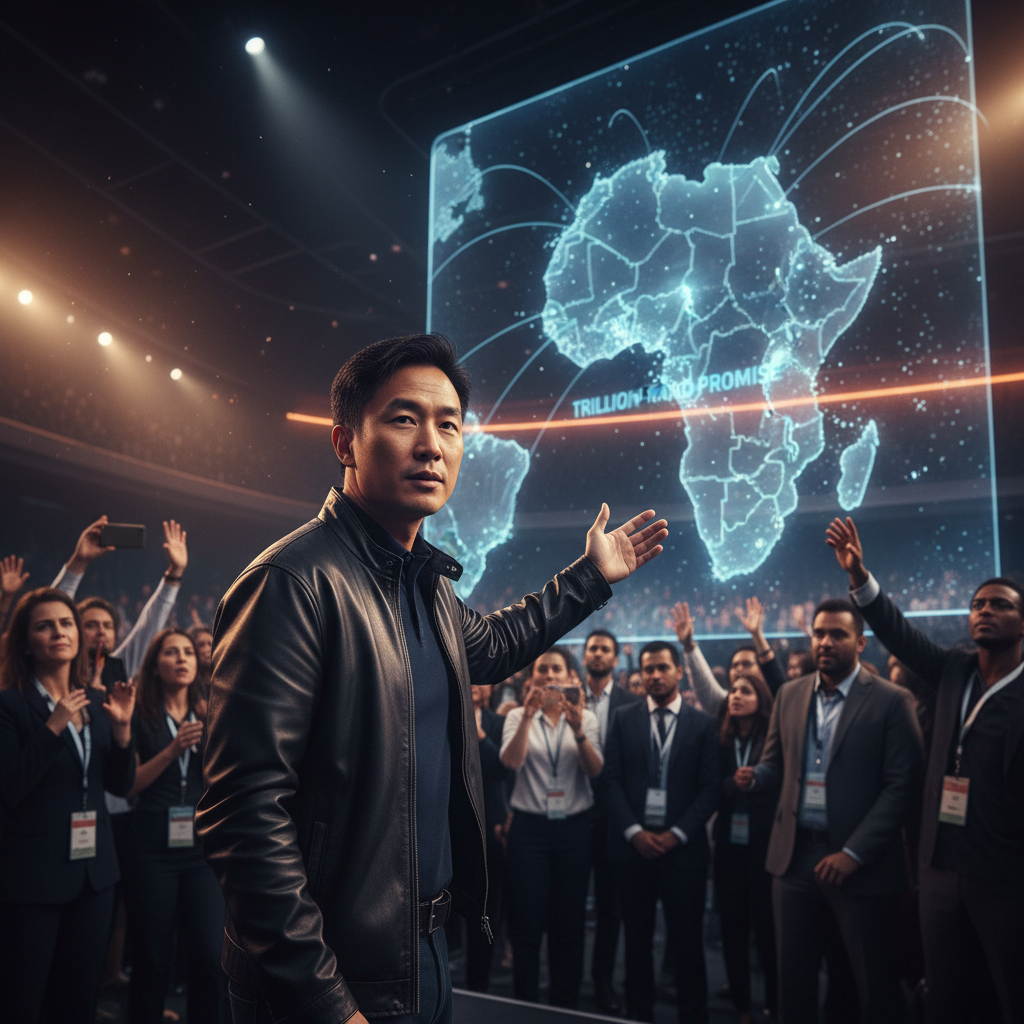

The morning sun was already beating down on the bustling streets of Sandton, Johannesburg, when my phone buzzed with the news. Jensen Huang, the visionary at the helm of NVIDIA, had just wrapped up another keynote, painting a picture of an AI-driven future so vivid, so powerful, it felt almost tangible. The headlines screamed about new Blackwell GPUs, accelerated computing platforms, and a trillion-dollar ecosystem poised to reshape industries. For many, it was a moment of awe, a glimpse into the next frontier. But for me, sitting here in the heart of Africa, it immediately sparked a different kind of question: What does this mean for us, for the millions striving for a better life on this continent, for the entrepreneurs and innovators who often feel like they are building castles with sand in a global silicon race? Let that sink in. This isn't just a tech story because it's a justice story. It always is.
NVIDIA's ascent has been nothing short of meteoric. From its roots in graphics processing, it has become the undisputed kingmaker of the AI era, its GPUs the very engines that power the large language models and complex algorithms defining our present and future. Huang's latest announcements, delivered with his characteristic blend of technical prowess and almost evangelical fervor, cemented NVIDIA's position at the core of this revolution. He spoke of democratizing AI, of making these powerful tools accessible to all. Yet, the reality on the ground in places like South Africa often tells a different tale.
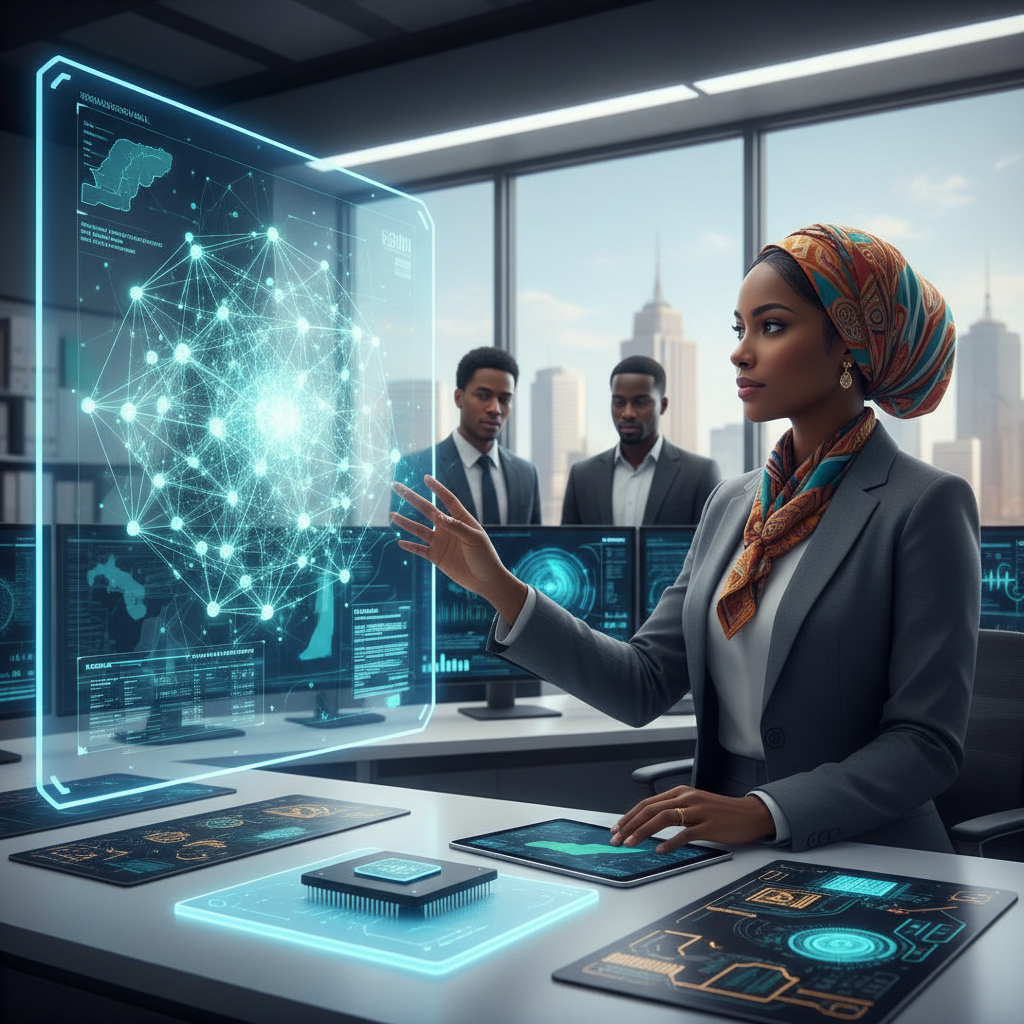
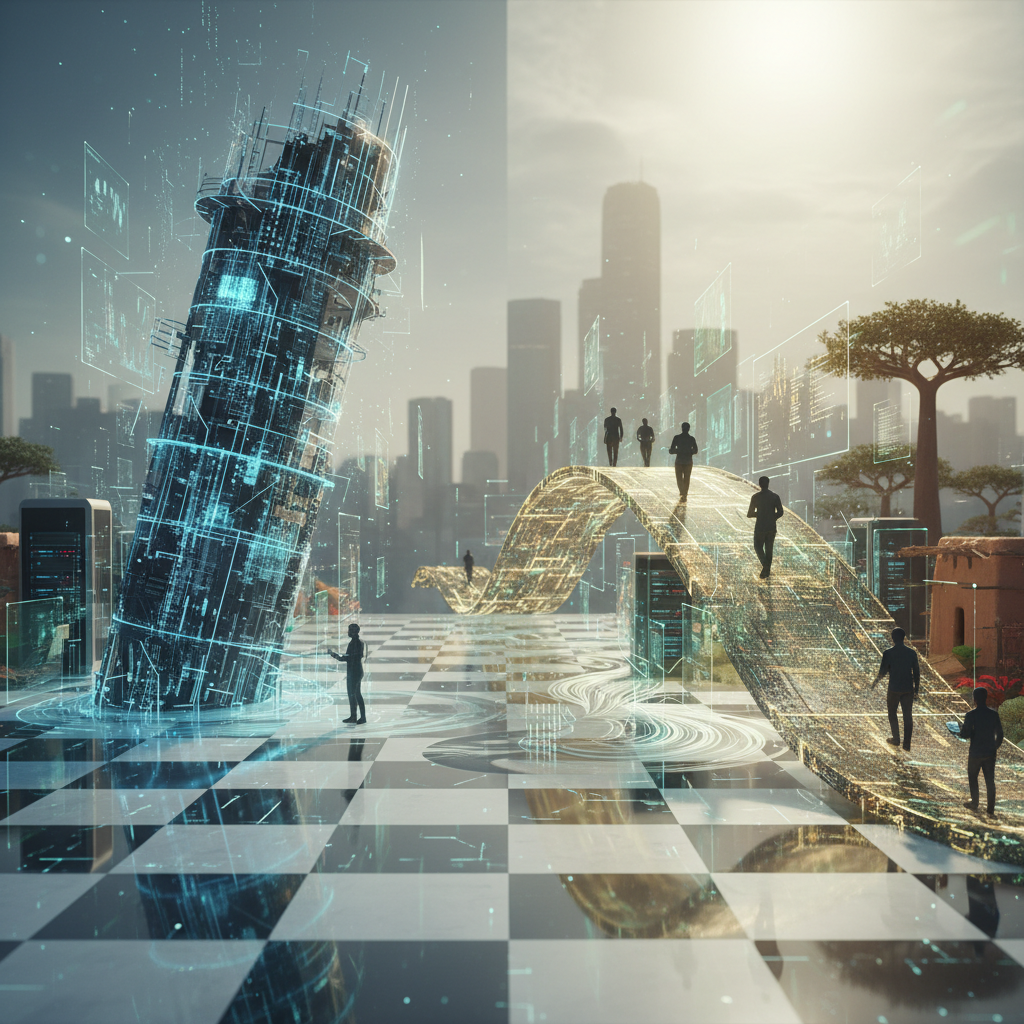
We hear the whispers of a new digital gold rush, but the entry fee, the cost of these cutting-edge GPUs and the infrastructure to support them, remains astronomical. For a startup in Cape Town or a research lab in Nairobi, acquiring a single NVIDIA Blackwell B200 GPU, reportedly costing tens of thousands of dollars, is not just a financial hurdle; it is a chasm. This disparity creates a critical bottleneck, threatening to relegate African innovation to the sidelines, perpetually playing catch-up.
“The rhetoric of democratizing AI is potent, but the practicalities of hardware access remain a significant barrier for developing nations,” stated Dr. Naledi Pandor, South Africa's Minister of International Relations and Cooperation, in a recent address on technological sovereignty. “We must ensure that the tools of the future are not exclusively held by a privileged few, or we risk a new form of digital colonialism.” Her words echo a growing sentiment across the continent. We have the talent, the ideas, the pressing problems that AI could help solve, from healthcare to agriculture, but the foundational infrastructure is often out of reach.
Here's the thing nobody's talking about enough: while the world marvels at NVIDIA's market capitalization, which has soared past the trillion-dollar mark, the energy demands of this AI ecosystem are staggering. Training a single large AI model can consume as much electricity as hundreds of homes for a year. For a country like South Africa, already grappling with persistent load shedding and an urgent need to transition to sustainable energy sources, this presents a complex challenge. How do we participate in this global AI race without exacerbating our energy crisis or deepening our carbon footprint?
I spoke with Professor Sizwe Nxasana, a leading expert in digital economics at the University of Johannesburg. He emphasized the need for strategic investment and collaboration. “NVIDIA's technology is undeniably transformative, but its impact in Africa will depend on how we integrate it into our existing ecosystems,” Professor Nxasana explained. “We need local data centers, renewable energy solutions to power them, and robust educational programs to build the human capital necessary to leverage these tools. Without these, the benefits will remain largely theoretical for many.” He pointed to initiatives like the Square Kilometre Array, a massive radio telescope project in the Karoo, as an example of what Africa can achieve with global collaboration and local investment in high-tech infrastructure.
The announcements from Jensen Huang also highlighted NVIDIA's push into sovereign AI initiatives, where nations can build and control their own AI infrastructure. This is a crucial point for Africa. The idea of owning our data, training models on our unique datasets, and developing AI solutions tailored to our specific challenges, rather than relying solely on models trained on Western data, is incredibly appealing. It speaks to the spirit of Ubuntu, of interconnectedness and community, where technology serves the collective good.
However, the path to sovereign AI is paved with significant investment. It requires not just the GPUs, but also the talent to build and maintain these complex systems. South Africa has made strides in developing its tech talent, with vibrant startup scenes in cities like Cape Town and Johannesburg, and initiatives like the Tshimologong Digital Innovation Precinct fostering a new generation of developers. Yet, the scale of NVIDIA's vision demands an even greater acceleration of these efforts.
Looking ahead, the immediate future will likely see a continued scramble for NVIDIA's latest hardware by the continent's larger data centers and cloud providers, many of whom are already partnering with global tech giants. Companies like Google and Microsoft, with their vast cloud infrastructure, will likely be the primary conduits for African businesses to access these powerful new capabilities. But the real test will be how far these capabilities trickle down, how accessible they become to the small and medium enterprises, the grassroots innovators, and the public sector initiatives that truly need them.
There are glimmers of hope. Organizations like the African Union are increasingly prioritizing digital transformation and AI strategy. Local venture capital is slowly but surely flowing into AI startups. We are seeing innovative solutions emerge, from AI-powered diagnostic tools for rural clinics to machine learning models optimizing crop yields for smallholder farmers. These are the stories that need to be amplified, the voices that need to be heard.
Jensen Huang’s vision is compelling, a technological marvel that promises to unlock unprecedented capabilities. But as we stand on the precipice of this new AI era, we must ask ourselves: Will this trillion-dollar ecosystem truly be for everyone, or will it further entrench existing inequalities? The answer, I believe, lies not just in the power of the chips, but in the collective will to ensure equitable access, sustainable growth, and a genuine commitment to an inclusive digital future for all. The conversation cannot end with the keynote; it must begin here, in the communities and countries that stand to gain so much, or lose even more, depending on how we navigate this powerful tide. For more insights into the broader implications of AI, you can often find compelling analysis on MIT Technology Review. For specific AI business news, Reuters Technology is a good resource. The challenge is immense, but so is our potential. We must demand that this technology serves humanity, not just profit margins. The time for action is now.