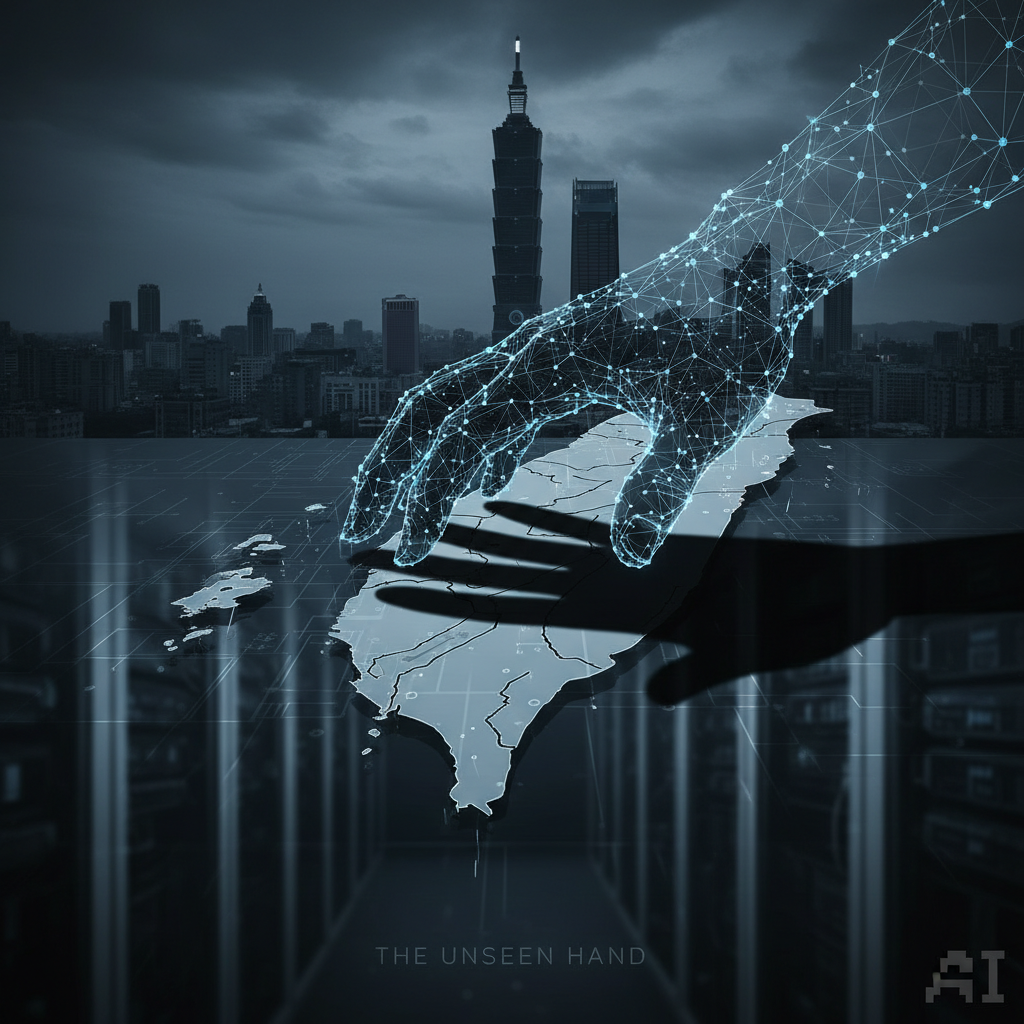

The global AI landscape, much like the intricate dance of geopolitical power, is undergoing a profound transformation. At its epicenter, NVIDIA, the semiconductor titan, is not merely selling chips; it is actively shaping national strategies through its 'sovereign AI' initiatives. Is this a shrewd business maneuver by Jensen Huang, designed to entrench NVIDIA's dominance, or a genuine effort to foster technological self-reliance for nations? As a journalist from South Korea, a nation acutely aware of the delicate balance between technological ambition and strategic autonomy, this question resonates deeply.
Historically, technological leadership has often been synonymous with economic and military might. Think of the post-war industrial boom in the West, or more recently, the rise of Silicon Valley. For decades, nations relied on a relatively open global market for advanced computing infrastructure. South Korea, for instance, built its formidable electronics and semiconductor industries by mastering manufacturing and integrating global technologies, albeit with a strong domestic R&D component. Our chaebols like Samsung and SK Hynix became world leaders in memory chips, a foundational element for any advanced computing system. This historical context is crucial, as it highlights a shift from a largely commercial procurement model to one increasingly driven by national strategic imperatives.
NVIDIA's sovereign AI strategy is not a subtle one. It involves direct partnerships with governments and national research institutions to build AI supercomputers and develop domestic AI ecosystems. The promise is alluring: national control over sensitive data, local talent development, and the ability to train large language models (LLMs) and other advanced AI systems within national borders. This is particularly attractive to countries wary of relying solely on foreign cloud providers or proprietary AI models, especially given the geopolitical tensions surrounding data privacy and technological espionage.
Consider the numbers. NVIDIA's data center revenue, primarily driven by its Graphics Processing Units (GPUs) essential for AI training, has surged dramatically. In its fiscal year 2024, data center revenue reached approximately $47.5 billion, a staggering increase from previous years. This growth is not just from private enterprises; a significant portion is attributed to government-backed projects. For example, countries like Japan, France, and India have announced multi-billion dollar investments in AI infrastructure, often with NVIDIA as a key technology provider. Japan's Ministry of Economy, Trade and Industry, for instance, has earmarked significant funds to boost its domestic AI computing power, with NVIDIA's H100 GPUs at the core of planned supercomputers. This is not a trivial investment; it signifies a national commitment to establishing AI sovereignty.
Here's the technical breakdown: these sovereign AI initiatives typically involve a full stack solution from NVIDIA. This includes not only their powerful GPUs, but also their networking solutions like InfiniBand, their Cuda software platform, and their AI Enterprise software suite. It's a vertically integrated ecosystem designed to make it difficult for nations to switch providers once they've committed. It's akin to building a magnificent hanok (traditional Korean house) but being reliant on a single, foreign supplier for all the specialized timber and tools. While the hanok stands proudly, its future maintenance and evolution are tied to that supplier.
Expert opinions on this trend are varied. Dr. Lee Sang-hoon, a leading AI policy analyst at the Korea Advanced Institute of Science and Technology (kaist), notes,