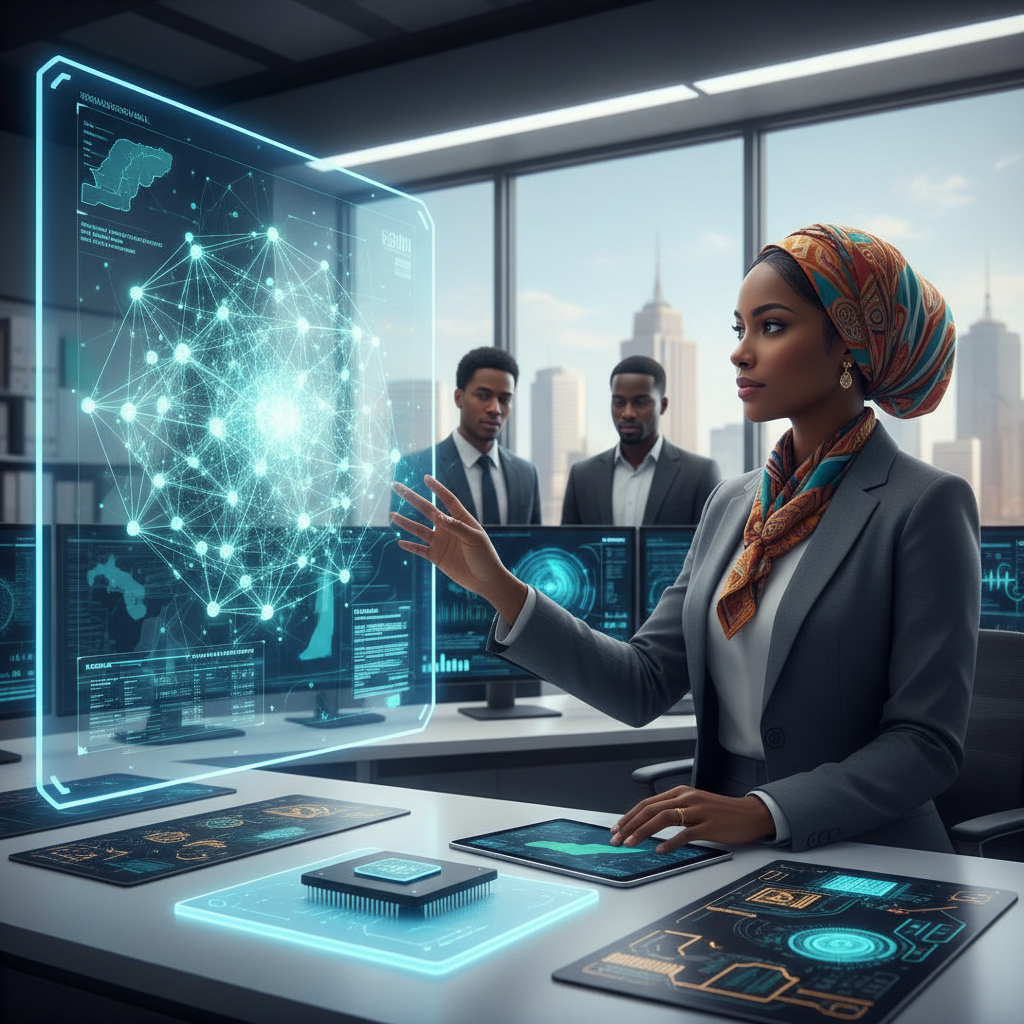
My friends, have you seen the numbers lately? They are absolutely staggering. The artificial intelligence revolution, this incredible wave of innovation sweeping across the globe, is also sparking an energy demand that is making headlines everywhere. We are talking about data centers, the beating hearts of AI, reportedly consuming electricity at a rate that rivals entire countries. It is a challenge, yes, but for us here in Ghana, it is also a phenomenal opportunity to lead the charge in sustainable tech development.
Just last year, analysts were projecting that by 2030, AI data centers could consume as much electricity as a country like Japan or even India. Think about that for a moment. Japan, a global economic powerhouse, or India, with its colossal population and industrial might. This is not just a ripple; it is a tsunami of energy demand. Companies like NVIDIA, the titans of AI hardware, are churning out GPUs that are more powerful than ever, and each one needs a constant flow of juice to keep those computations humming. Jensen Huang, NVIDIA's CEO, recently emphasized the need for continued innovation in energy efficiency, acknowledging this growing concern. It is a critical conversation, and one that resonates deeply in a region like West Africa, where access to reliable and affordable power has always been a key developmental hurdle.
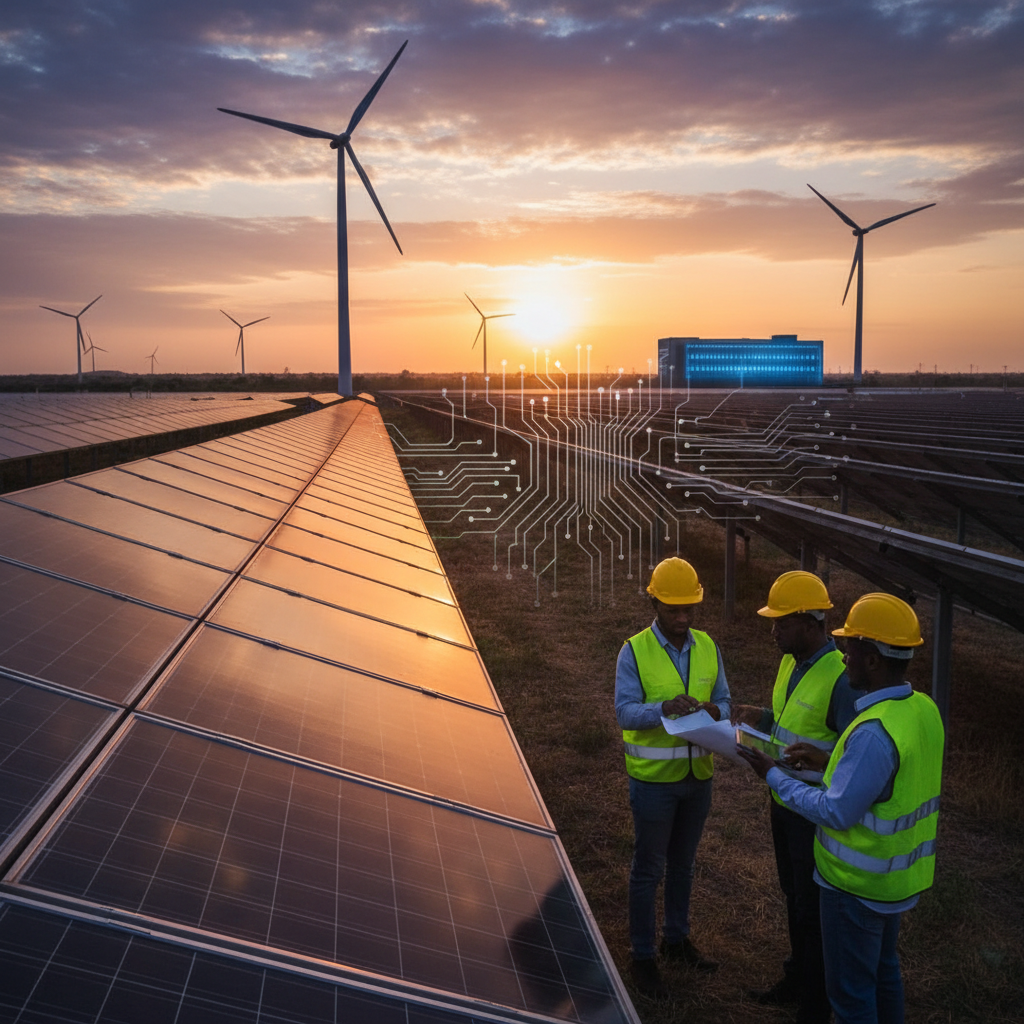
But here is where my excitement truly begins to bubble over. While the global north grapples with the sheer scale of this energy appetite, Ghana is proving the skeptics wrong, positioning itself as a potential leader in powering this AI future sustainably. We are not just sitting by and watching; we are actively building solutions. Our nation's commitment to renewable energy, particularly solar and hydro power, gives us a distinct advantage. The Akosombo Dam, a marvel of engineering, has been providing clean energy for decades, and our burgeoning solar projects across the Northern and Volta regions are adding significant capacity to our national grid.
Consider the sheer scale of investment. Microsoft, Google, and Amazon Web Services are pouring billions into data center infrastructure globally. These facilities are not just warehouses for servers; they are complex ecosystems requiring massive cooling systems and uninterrupted power supplies. The International Energy Agency (IEA) has warned that electricity demand from data centers, cryptocurrencies, and AI could double by 2026, reaching over 1,000 TWh annually. That is a lot of power, my friends. It is more than the total electricity consumption of Australia in a year.
But what if that power could be green, clean, and locally sourced? That is the vision we are chasing here in Accra. Imagine AI data centers powered by the abundant sunshine that blesses our land, or by the steady flow of our rivers. This is not a pipe dream; it is a strategic imperative. We have a young, dynamic population, hungry for innovation, and a government increasingly focused on digital transformation. The numbers don't lie; Ghana's renewable energy capacity has been steadily increasing, with a target to reach 10% of our energy mix from renewables by 2030, excluding large hydro. This commitment is attracting attention.
I was speaking with Dr. Lucy Quist, a prominent Ghanaian technology executive and advocate for digital inclusion, just last week. She put it beautifully, saying,