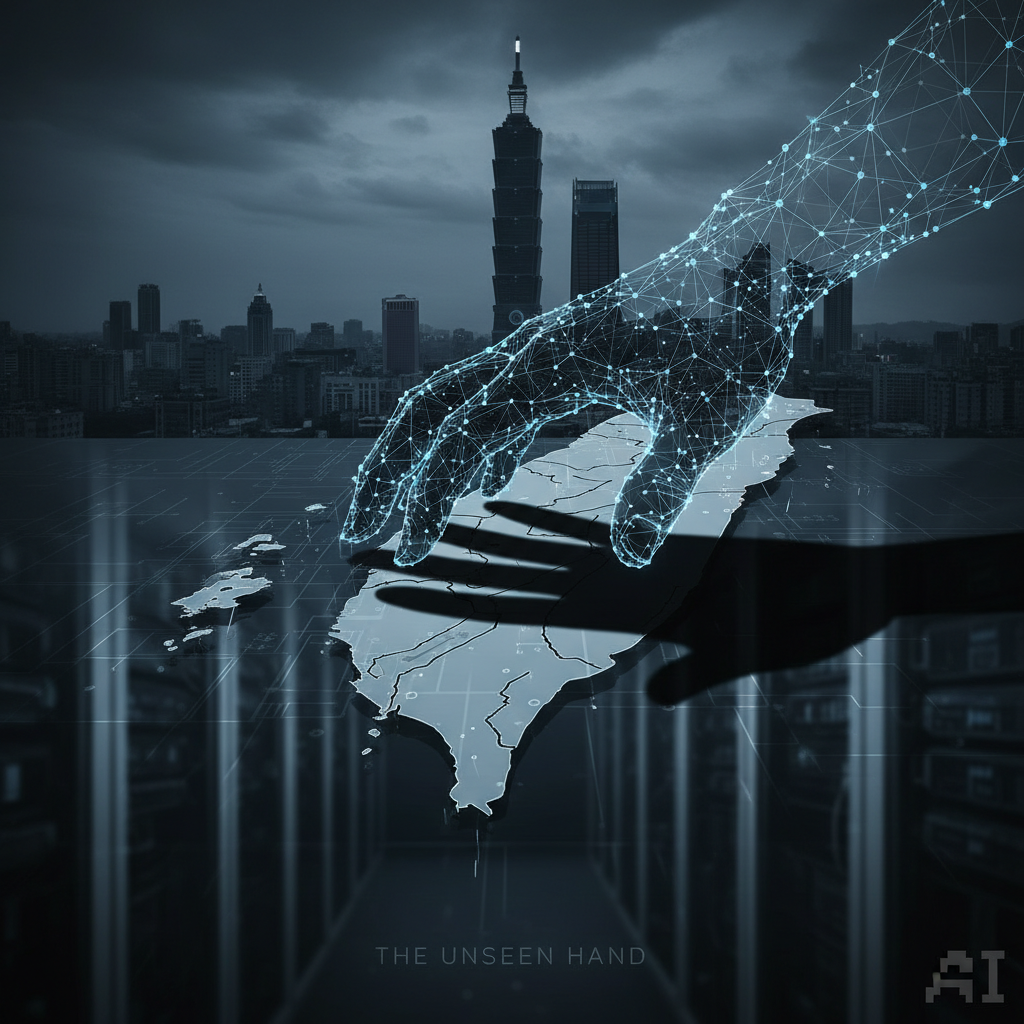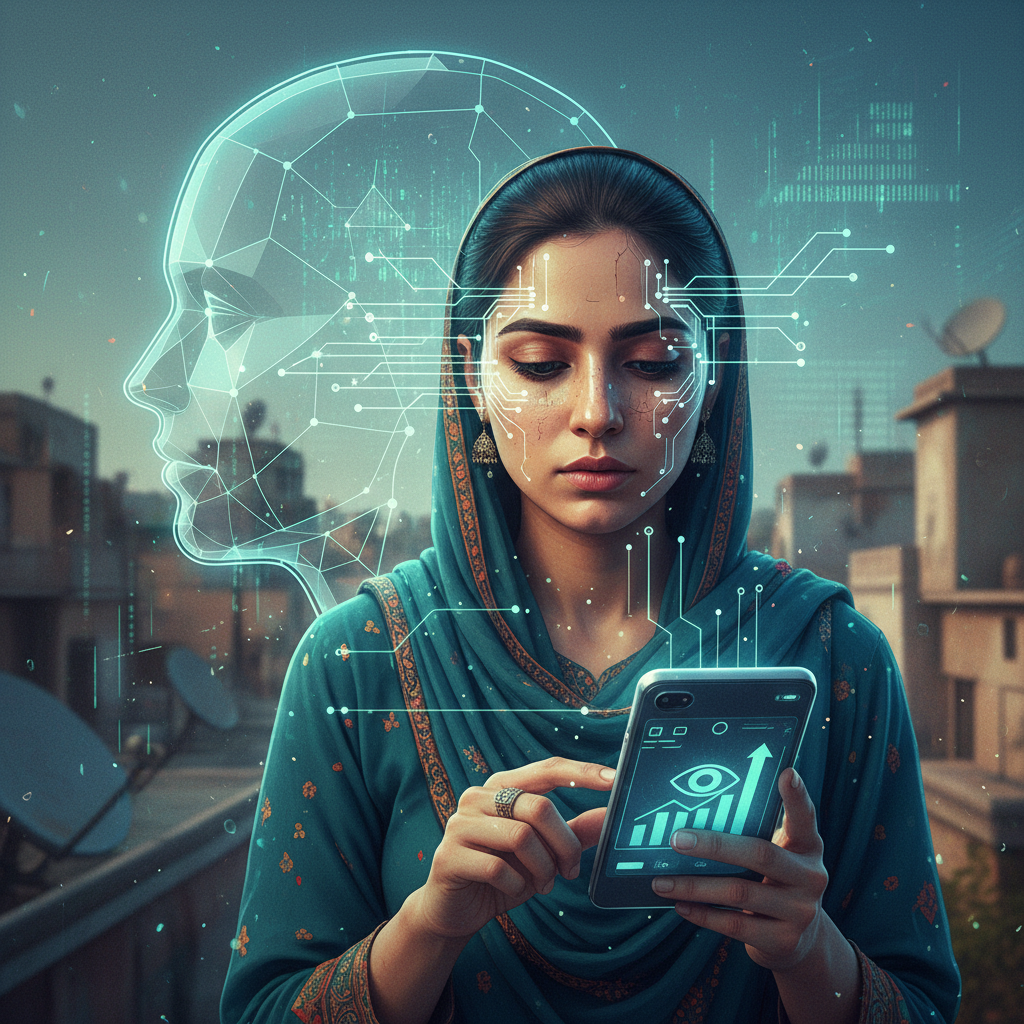

Let's be honest, the tech world loves a good crisis, especially one it can monetize. From the 'data deluge' to the 'compute crunch,' every few years, Silicon Valley conjures a new dragon for us to slay, usually with their latest product as the shining sword. But this time, it feels different. The AI energy crisis, this insatiable hunger of data centers for electricity, isn't some abstract future threat. It's here, it's now, and frankly, it’s terrifying, especially for a densely populated, energy-dependent nation like South Korea.
Everyone's wrong about this if they think we can just keep building bigger models without consequence. The numbers are stark, almost cartoonish in their scale. Reports suggest that by 2030, AI data centers could consume as much electricity as entire countries. Think about that: a few thousand square meters of server racks demanding the same power as a nation of millions. One estimate from a recent MIT Technology Review analysis projected that training a single large language model like OpenAI's GPT 4.5 Turbo, or whatever comes next, can consume enough energy to power a small town for a year. This isn't just about the environment, though that's a massive concern. This is about grid stability, national security, and the very cost of living.
Here in Seoul, where every square meter is precious and energy efficiency is a national obsession, the implications are particularly acute. We're a manufacturing powerhouse, a digital hub, and our energy demands are already substantial. The idea that our carefully balanced grid could be thrown into disarray by the computational whims of a few tech giants is, to put it mildly, infuriating. "We cannot simply allow the global race for AI supremacy to destabilize our national energy infrastructure," stated Dr. Park Ji-Hoon, Director of Energy Policy at the Korea Institute of Energy Research, during a recent press briefing. "Our priority must be securing stable power for our citizens and industries, not just for the training of the next chatbot."
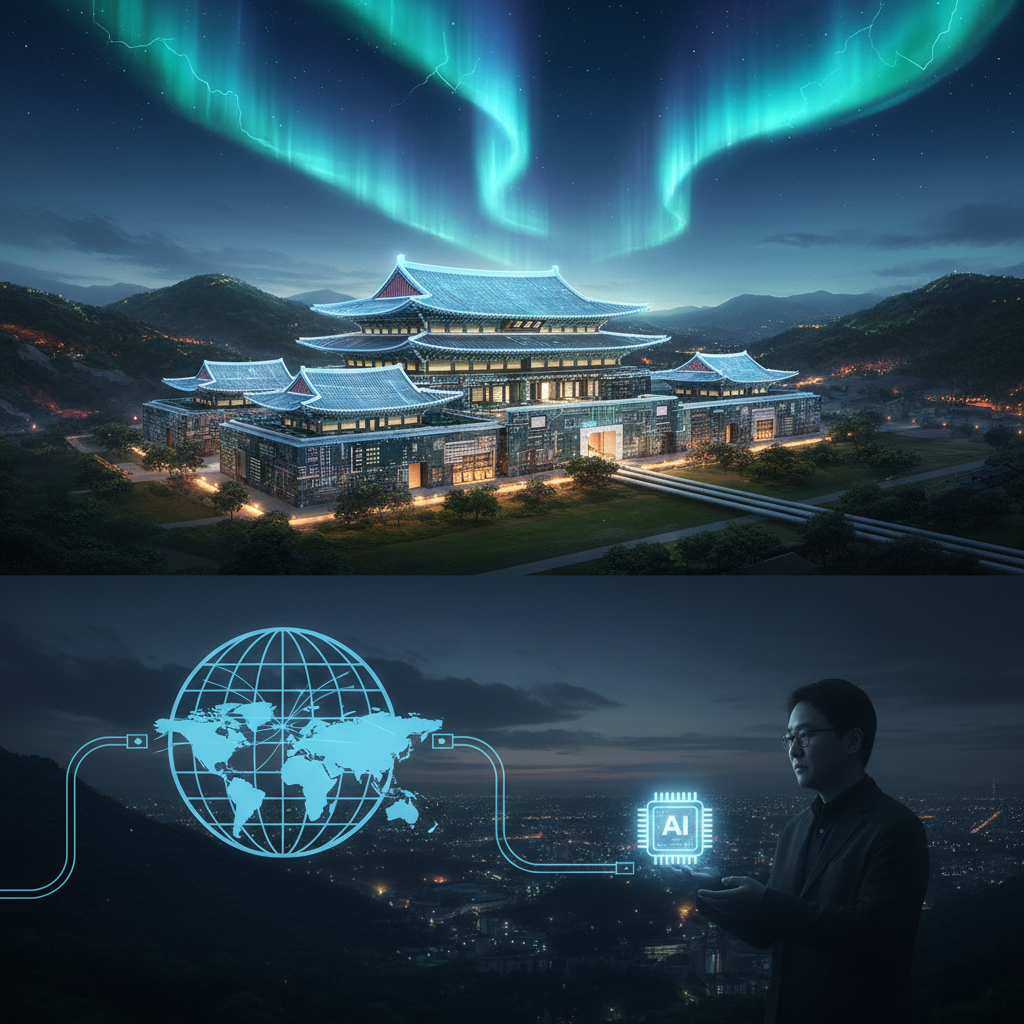
The demand for NVIDIA's H100 and upcoming B200 GPUs is fueling this fire. Jensen Huang, NVIDIA's CEO, has built an empire on the back of these power-hungry processors. They are the picks and shovels of the AI gold rush, and every major player from Microsoft to Google to Meta is buying them by the truckload. Each new generation promises more performance, but also, inevitably, more power consumption. It's a vicious cycle. The more powerful the chips, the more complex the models, the more data they consume, and the more electricity they burn. It’s like building a digital Gyeongbokgung palace, but instead of traditional craftsmanship, it's powered by an ever-expanding, invisible power plant.
Consider the practicalities. South Korea, like many nations, relies heavily on a mix of nuclear, coal, and increasingly, renewables. Integrating massive, unpredictable spikes in demand from AI data centers into this delicate balance is a monumental task. "The investment required to upgrade our transmission and distribution networks to handle this kind of load is astronomical," explained Kim Min-Joon, CEO of K-Power Grid Solutions, a leading energy infrastructure firm. "We are talking about trillions of won in infrastructure upgrades, and the question is, who pays? Is it the tech companies whose profits soar, or the everyday Korean consumer through higher electricity bills?"
This isn't just a Korean problem, of course. Countries across Asia and the world are grappling with it. Singapore, a regional data center hub, has already imposed moratoriums on new data center construction due to energy concerns. Ireland, another popular location for tech giants, faces similar dilemmas. The narrative that AI is a purely 'clean' or 'digital' industry is a dangerous myth. Its physical footprint, its demand for rare earth minerals, and its astronomical energy consumption are very real, very dirty problems.
What are the solutions? Some point to more efficient algorithms, others to better data center cooling technologies. There's talk of locating data centers in areas with abundant renewable energy, like Iceland's geothermal fields. But let's be realistic. The sheer scale of the current AI boom means these incremental improvements might not be enough. We need a fundamental shift in how we approach AI development.
Perhaps the focus needs to move from simply building the largest, most generalized models to developing smaller, more specialized, and energy-efficient AI. Do we really need every single application to be powered by a trillion-parameter behemoth? Or can we achieve 80 percent of the utility with 10 percent of the energy cost? This is where the K-wave is coming for AI too, with a focus on practical, efficient applications rather than just raw computational power. Korean startups and research institutions are increasingly exploring 'edge AI' and 'tiny AI' solutions, bringing intelligence closer to the user and reducing the need for massive, centralized data centers.
"The current trajectory is unsustainable," asserted Professor Lee Eun-Kyung, a prominent AI ethicist at Kaist, South Korea's leading science and technology university. "We need a global dialogue, not just among tech CEOs, but involving governments, energy experts, and civil society, to establish ethical guidelines for AI's energy footprint. Otherwise, we risk solving one problem, like generating hyper-realistic cat videos, while creating a far greater one, like widespread power outages." She makes a compelling point, one that many in the industry seem eager to ignore.
The irony is not lost on me. We're building these incredibly intelligent machines, yet we seem incapable of intelligently managing their most basic requirement: power. The glittering promises of AI, from medical breakthroughs to personalized education, feel hollow if they come at the cost of a stable, affordable energy supply for the masses. It's time to pull our heads out of the cloud and look at the very real, very physical consequences of our digital ambitions. The future of AI, and indeed our planet, depends on it. For more insights into the broader implications of AI's energy demands, you might find this Reuters article insightful. We need to demand transparency from these companies about their energy usage, and we need to push for innovation that prioritizes efficiency as much as, if not more than, raw power. The lights are on for now, but for how much longer? The question hangs heavy in the air, much like the hum of a thousand servers. You can also read more about this topic on The Verge's AI section.