The scent of cherry blossoms in April always brings a sense of renewal, a quiet promise of what is to come. This year, however, the air in Tokyo feels charged with more than just spring's gentle breeze. There is a hum, a subtle vibration from the digital world, hinting at monumental shifts. We are standing at a crossroads, not just as Japan, but as a global community, contemplating the very fabric of our technological future. And at the heart of this contemplation, for many, is the rise of Mistral AI, Europe's answer to the giants of Silicon Valley, and the profound implications of its sovereign AI movement.
For years, the narrative of artificial intelligence has been dominated by a handful of American titans: OpenAI, Google, Microsoft, Meta. Their innovations have been breathtaking, reshaping industries and daily lives at an astonishing pace. Yet, beneath the surface of this rapid progress, a quiet unease has grown, particularly in nations like Japan and across Europe. It is the concern over data ownership, algorithmic transparency, and the concentration of immense power in a few hands. This is where Mistral AI, a French startup, steps onto the global stage, not just as another AI company, but as a champion of 'sovereign AI', the idea that nations and regions should control their own AI infrastructure, data, and models.
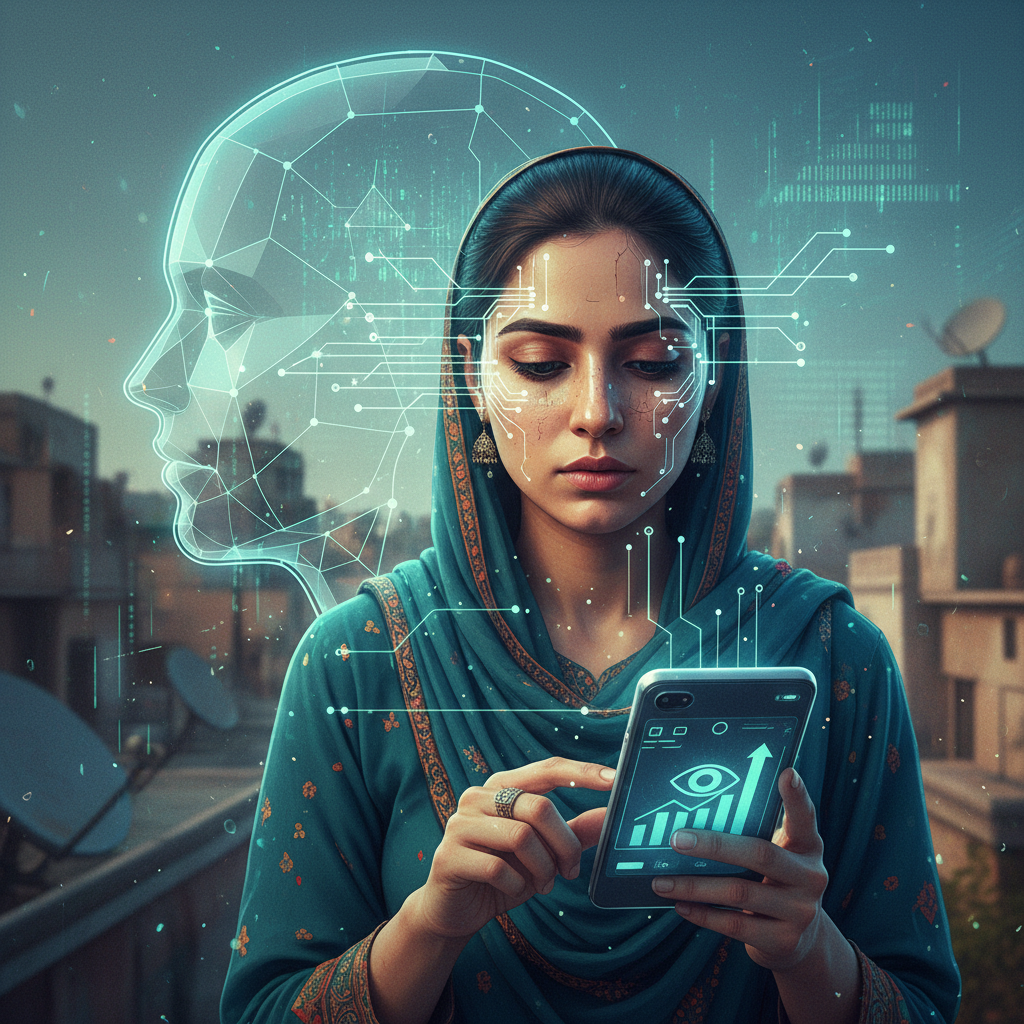
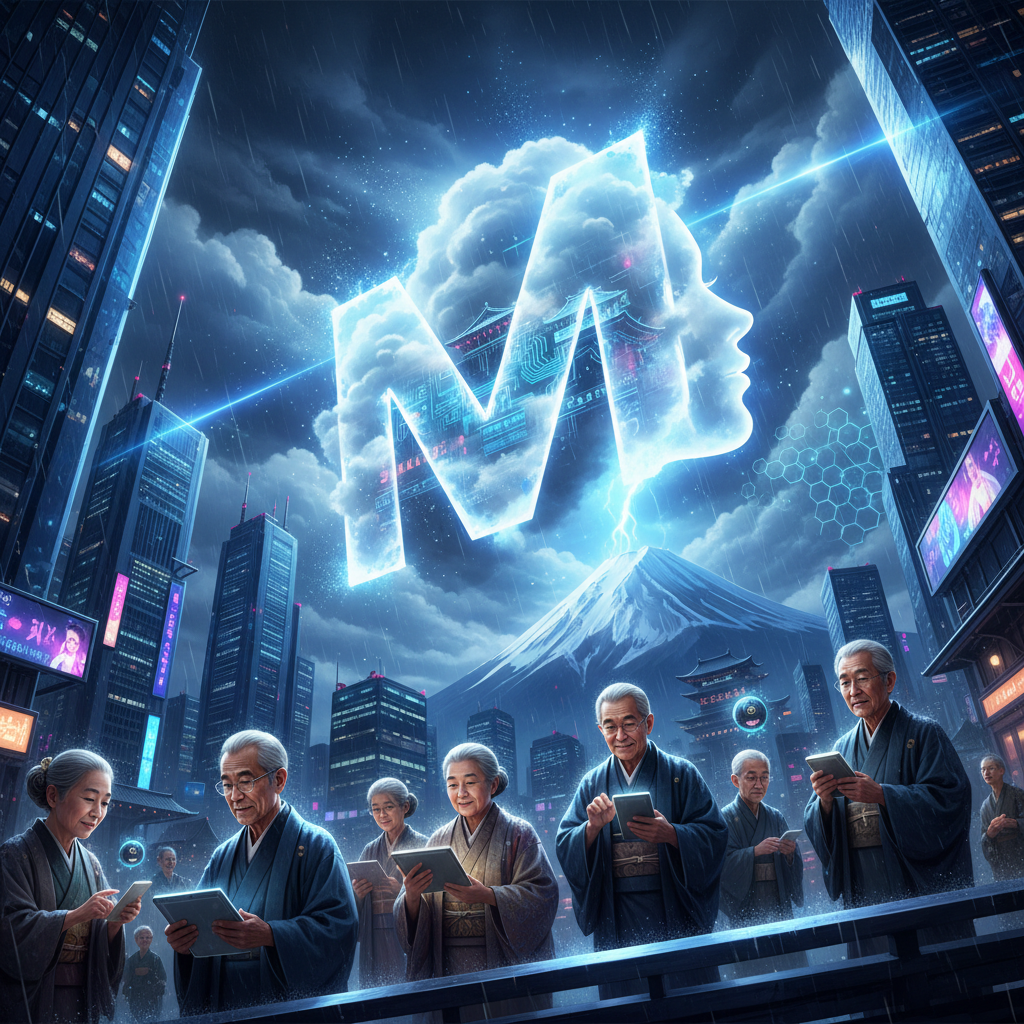
Imagine Japan in 2036. The bustling streets of Shibuya still pulse with energy, but the quiet corners of our society, particularly those inhabited by our revered elders, have undergone a profound transformation. Loneliness, a silent epidemic in our rapidly aging society, is being gently alleviated by companion AI systems. These are not just chatbots; they are sophisticated, culturally attuned digital entities, deeply integrated with local knowledge and values. When an elderly person in Kyoto asks about the best way to prepare matcha, the AI companion doesn't just offer a generic recipe; it might recall a regional tea ceremony tradition, perhaps even referencing a local artisan's technique. This level of nuanced understanding, this deep respect for local context, is the promise of sovereign AI.
How do we get there from today, April 2026? The journey begins with a fundamental shift in how we approach AI development and deployment. Mistral AI's open source approach, contrasting with the more closed ecosystems of some competitors, is a critical enabler. By making their foundational models accessible, they empower local developers, researchers, and even government bodies to build upon them, customizing them for specific national or regional needs. This is not about reinventing the wheel, but about owning the steering wheel, so to speak. Instead of relying solely on models trained predominantly on Western datasets and cultural norms, Japan can cultivate its own AI, imbued with our unique linguistic subtleties, social customs, and ethical considerations.
Key milestones for this vision include the establishment of national or regional AI data centers, powered by advanced NVIDIA GPUs, but managed under strict local governance. We will see the emergence of 'Japan-tuned' large language models, perhaps even a 'Kansai-ben' or 'Tohoku-ben' specific AI, developed collaboratively by universities like the University of Tokyo and Kyoto University, alongside innovative startups. By 2028, I foresee a significant portion, perhaps 40%, of critical public sector AI applications in Japan, from disaster prediction to public health advisories, running on sovereign AI models. This ensures that sensitive data remains within our borders and that the algorithms serving our citizens are transparent and accountable to our laws.
"The human side of the machine is often overlooked in the rush for innovation," observed Dr. Hiroshi Tanaka, Director of the National Institute of Advanced Industrial Science and Technology, during a recent symposium in Osaka. "Mistral AI's philosophy resonates deeply with our own values of harmony and community. It allows us to build AI that truly serves our people, not just a global market." His words echoed a sentiment I have heard often in my travels across Japan, a desire for technology that integrates seamlessly with our way of life, rather than imposing an external one.
In a quiet Tokyo lab, I recently met with Ms. Akari Sato, a young AI ethicist leading a project on elder care companions. She whispered something that changed my perspective. "We are not just building algorithms; we are crafting digital omiyage for our future, gifts that carry our culture and care." Her team is exploring how Mistral's open models can be fine-tuned with vast datasets of Japanese literature, historical records, and even local dialect patterns, creating AI companions that truly understand and respond with cultural sensitivity. This level of localization is incredibly difficult with proprietary, black-box models.
Who wins and who loses in this unfolding scenario? Nations and regions that embrace sovereign AI, like Japan and many European countries, stand to gain immense strategic advantages. They will foster local innovation, create new tech jobs, and build resilience against geopolitical shifts. Their citizens will benefit from AI systems that are more trustworthy, culturally relevant, and privacy-preserving. Local businesses, particularly small and medium enterprises, will find it easier to adopt AI solutions tailored to their specific needs, without being locked into expensive, one-size-fits-all platforms from overseas tech giants. We might see a resurgence of regional tech hubs, moving beyond the traditional concentration in Silicon Valley.
Conversely, those who cling solely to the existing centralized model, or who fail to invest in their own sovereign AI capabilities, risk falling behind. They may find themselves perpetually dependent on external powers for critical infrastructure, potentially compromising national security, economic competitiveness, and cultural distinctiveness. The global tech giants, while still dominant, will face increased competition and pressure to adapt their offerings, perhaps by licensing their models more openly or by partnering more deeply with national entities. This is not about isolation, but about diversification and empowerment.
Consider the economic implications. A report by the Japan Research Institute suggests that by 2030, a robust sovereign AI ecosystem could add an additional 1.5% to Japan's GDP, creating over 500,000 new jobs in AI development, data management, and specialized application deployment. This is a significant boost for an economy grappling with demographic challenges. The ability to innovate locally, to train models on proprietary industrial data without fear of leakage to foreign competitors, provides a powerful competitive edge for Japanese industries, from advanced manufacturing to healthcare. Reuters has reported extensively on the growing global appetite for such localized, secure AI solutions.
"The era of 'one AI to rule them all' is fading," stated Dr. Kenjiro Hayashi, a leading economist at Keio University. "What Mistral AI offers is a blueprint for distributed intelligence, where each nation can cultivate its own digital garden, rich with local flavors and resilient against global shocks." His words resonate with Japan's historical emphasis on self-reliance and meticulous craftsmanship, now applied to the digital realm.
What should readers do now? For individuals, it is crucial to understand the implications of data sovereignty and to advocate for policies that protect digital rights and promote local AI development. For businesses, exploring open source AI models, investing in local talent, and considering partnerships with companies like Mistral AI, or even Japanese startups building on their frameworks, is a wise strategic move. For policymakers, the time to act is now, by investing in robust data infrastructure, fostering AI education, and creating regulatory frameworks that encourage innovation while safeguarding national interests.
The future is not a predetermined path, but a tapestry woven by our choices today. The rise of Mistral AI and the sovereign AI movement represent a powerful thread in this tapestry, offering nations like Japan the chance to weave a future that is technologically advanced, culturally rich, and deeply human. As the cherry blossoms fall and new leaves unfurl, I feel a renewed sense of hope for our digital tomorrow, one where our machines truly understand and reflect the heart of our society. For more insights into the broader landscape of AI development and its societal impact, I often turn to Wired's AI section for thought-provoking analyses. And for the latest in AI research, MIT Technology Review remains an invaluable resource.