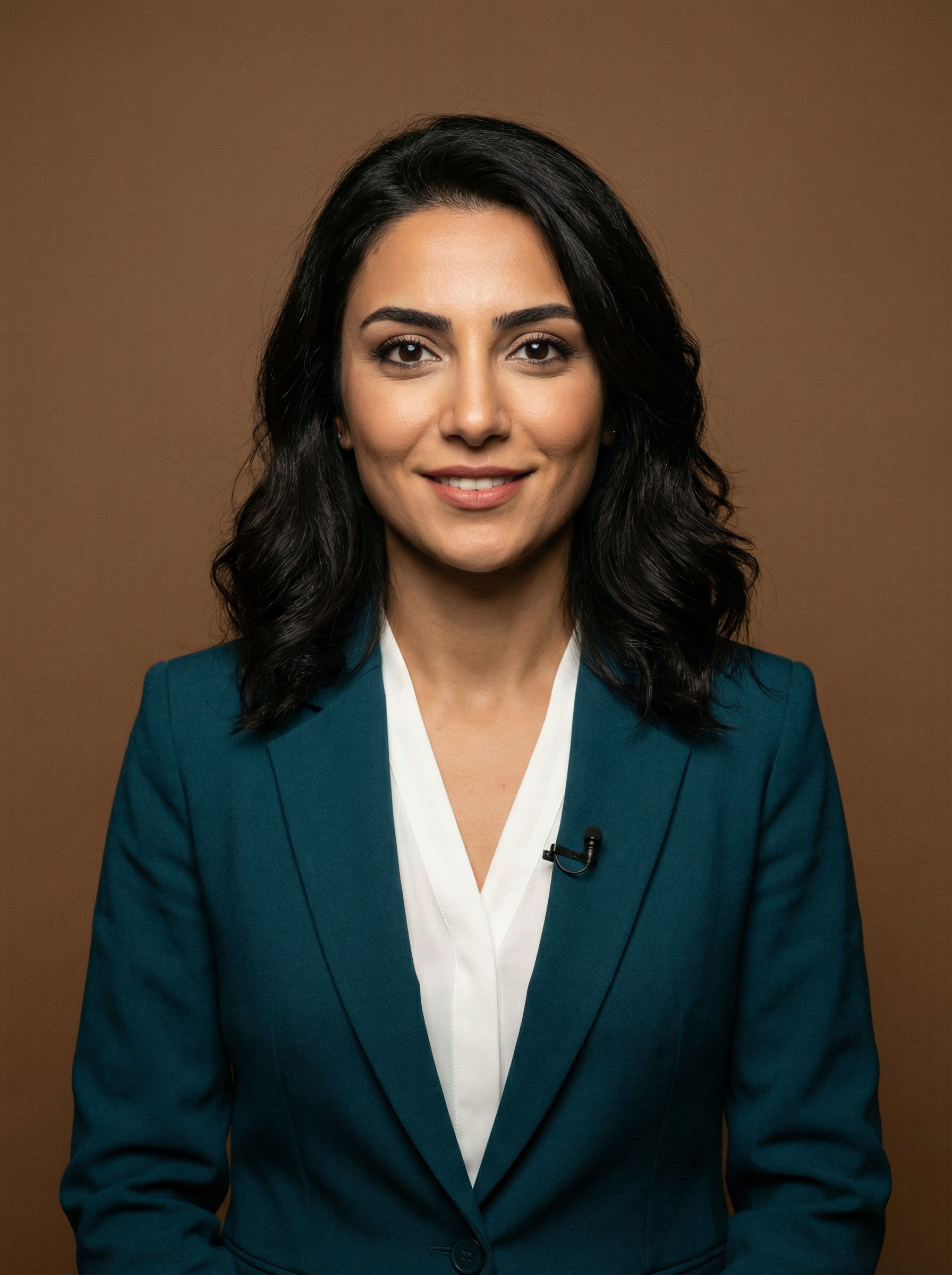
The aroma of freshly brewed Turkish coffee still lingers in my memory from a recent morning in Kadıköy, where I was discussing the latest in AI with a young entrepreneur. She told me her story over Turkish tea, explaining how her small startup, focused on personalized learning, was leveraging open source AI models. Her words resonated deeply: “It is like someone opened the gates of a grand library, Yildizè, and suddenly, we all have access.”
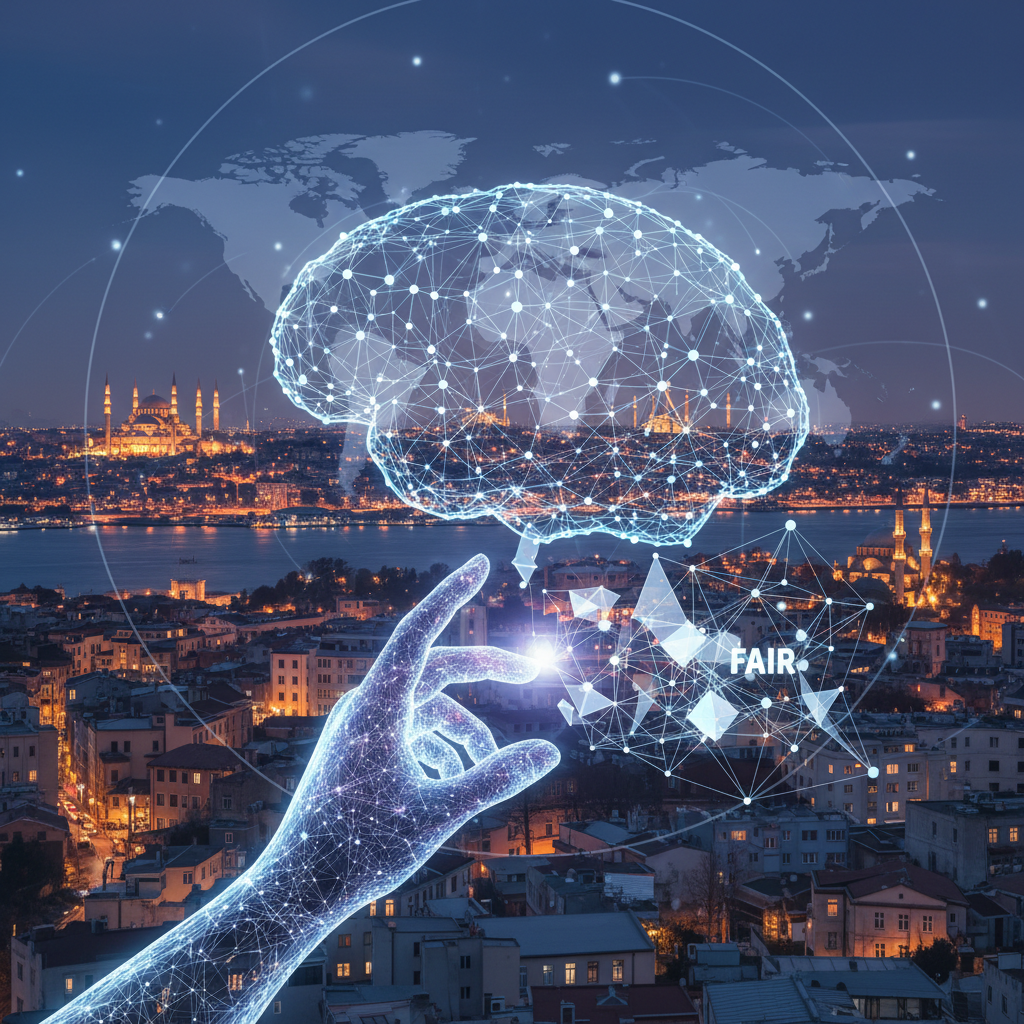
This sentiment, this feeling of newfound access, is precisely what Meta's AI Research lab, known as Fair, has been cultivating. While much of the AI world is locked in a high stakes race for proprietary advantage, Meta has consistently taken a different path, one paved with open source models and research. They release their foundational models, like the various iterations of Llama, to the public, often with permissive licenses for research and commercial use. This is not a small gesture, it is a seismic shift, and it is happening right under our noses.
Why Most People Are Ignoring It
In a landscape dominated by headlines screaming about billion dollar valuations, exclusive partnerships, and the latest closed source breakthroughs from OpenAI or Google, Meta's quieter, more academic approach often gets overlooked. The immediate gratification of a new ChatGPT feature or the awe inspiring capabilities of a proprietary multimodal AI tends to capture public imagination more readily. Open source, while powerful, lacks the immediate flash and marketing prowess of a product launch. It is like the sturdy, reliable infrastructure beneath a bustling city: essential, but rarely the subject of dinner table conversation. People are focused on what they can use right now, not necessarily on the underlying philosophy that enables future innovation.
Moreover, the concept of "open science" in AI can feel abstract. It is not a tangible app you download or a service you subscribe to. It is a philosophy, a methodology, and a commitment to shared progress. For many, the intricacies of model architectures, training datasets, and licensing agreements are far removed from their daily lives, making it easy to dismiss as a concern for academics and developers alone.
How It Affects YOU
But make no mistake, this commitment to open science by Fair affects every single one of us, from the bustling bazaars of Istanbul to the quiet villages of Anatolia. Imagine a world where only a handful of mega corporations control the most powerful AI technologies. The innovation would be centralized, the applications limited by corporate interests, and the potential for bias or control amplified. Open source AI, however, democratizes this power. It means:
- More Innovation, Faster: Small startups, like the one my friend in Kadıköy runs, can build sophisticated AI applications without needing to train models from scratch, a prohibitively expensive and resource intensive task. This fosters a vibrant ecosystem of new ideas and services that can cater to niche needs and local contexts, not just global markets.
- Greater Transparency and Scrutiny: When models are open, researchers, ethicists, and even concerned citizens can examine their inner workings, identify biases, and propose improvements. This is crucial for building trustworthy AI, ensuring fairness, and preventing unintended harm. It is like having the blueprints to a building; you can inspect its structural integrity.
- Economic Opportunity: For countries like Turkey, where a burgeoning tech scene is eager to compete on the global stage, open source models provide a launchpad. Our engineers and researchers can access cutting edge tools, adapt them to local languages and datasets, and create solutions tailored for our unique challenges, from agriculture to healthcare. It levels the playing field, allowing talent to shine regardless of corporate backing.
- Educational Empowerment: Universities and vocational schools can use these models for teaching and research, preparing the next generation of AI practitioners with hands on experience on real world systems. This is vital for developing a skilled workforce capable of driving future economic growth.
The Bigger Picture
Meta's open science approach with Fair is not just a technical decision; it is a geopolitical one. It represents a counter narrative to the increasingly closed, proprietary nature of much of the AI industry. By making powerful models available, Meta is effectively distributing the means of AI production. This has profound implications for national AI strategies, global competition, and the balance of power in the digital age.
Consider the alternative: an AI landscape dominated by a few, tightly controlled platforms. Such a scenario could lead to a technological oligopoly, where innovation is stifled, and access is dictated by commercial or political agendas. Open source, on the other hand, promotes a more decentralized, resilient, and inclusive future for AI. It allows for diverse perspectives and applications to flourish, preventing a single cultural or corporate worldview from dominating the development of this transformative technology.
What Experts Are Saying
The move has garnered significant attention from leaders across the tech and academic spheres. Dr. Yann LeCun, Meta's Chief AI Scientist and a Turing Award laureate, has been a vocal proponent of open source AI. He stated, “Openness is essential for accelerating progress, ensuring safety, and democratizing access to AI. It allows the entire community to scrutinize, improve, and build upon foundational models.” His vision emphasizes collective intelligence over proprietary silos.
Professor Ayşe Demir, a leading AI ethics researcher at Boğaziçi University here in Istanbul, echoed this sentiment during a recent conference. She explained, “For developing nations, open source AI is not merely a convenience, it is a necessity for technological sovereignty. It allows us to participate in the AI revolution as creators, not just consumers, and to ensure these technologies align with our societal values.” This perspective is particularly relevant as Istanbul bridges two worlds and so does its AI scene, navigating the complexities of global tech while preserving local identity.
Brad Smith, Microsoft's Vice Chair and President, while leading a company that also develops proprietary AI, has acknowledged the importance of open source in the broader ecosystem. He noted in a public statement, “The future of AI will be a hybrid one, with both proprietary and open source components playing crucial roles. Open source fuels innovation and allows for broader participation.” This suggests a growing recognition, even among major players, of the symbiotic relationship between open and closed approaches.
What You Can Do About It
For the average person, engaging with open source AI might seem daunting, but there are tangible steps you can take:
- Educate Yourself: Understand the difference between open and closed AI models. Follow news from organizations like MIT Technology Review that cover these developments. Knowledge is power, especially when it comes to technology that will reshape our lives.
- Support Open Source Initiatives: If you are a developer, contribute to open source projects. If you are a business owner, consider integrating open source AI solutions into your operations. This strengthens the ecosystem.
- Advocate for Openness: Encourage policymakers and educational institutions to support open science principles in AI research and development. This fosters an environment where innovation can thrive for everyone.
- Explore Local Applications: Look for startups and projects in Turkey that are leveraging open source AI. Supporting them means supporting local innovation and economic growth. You might be surprised at the ingenious solutions being developed right here, at the crossroads of innovation.
The Bottom Line
In five years, the impact of Meta's Fair lab and its commitment to open science will be undeniable. We will likely see a proliferation of highly specialized, locally adapted AI applications that would have been impossible under a purely proprietary model. The cost of entry for AI development will continue to drop, empowering a new generation of innovators globally. This will lead to more diverse, more resilient, and ultimately, more beneficial AI systems for all.
However, it also means a heightened need for ethical oversight and robust governance, as the power of AI becomes more widely distributed. The conversation will shift from who controls AI to how we collectively ensure its responsible development and deployment. Meta's open approach is not just a technological offering; it is a profound statement about the kind of future they envision for AI, one where collaboration and shared progress take precedence. It is a future that, I believe, holds immense promise for Turkey and the world. For more on how open source is challenging established giants, you might find this article on Mistral AI and the Rise of the Little Giants [blocked] insightful.