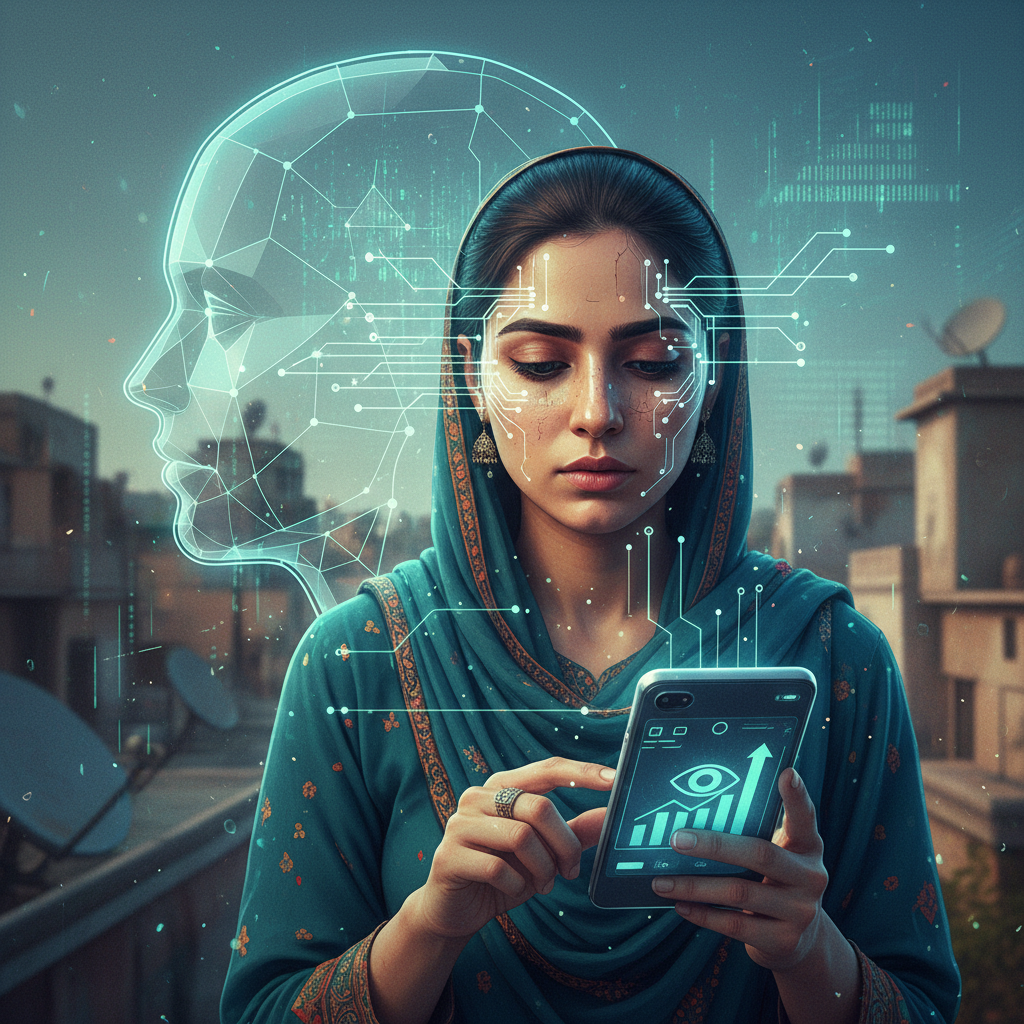

The air in Ho Chi Minh City always crackles with energy, a vibrant hum of ambition and endless possibility. It is a city that never sleeps, especially its coders, and right now, that energy is channeling into something truly transformative: open-source AI. While the world's attention often fixates on the closed, proprietary models from titans like OpenAI and Google, a quiet revolution is brewing here in Vietnam, fueled by Meta's Llama.
For months, I have been hearing whispers, seeing subtle shifts in the local tech scene. Startups, once hesitant to commit to expensive API calls or locked into specific ecosystems, are now moving with a newfound freedom. My investigation reveals that this isn't just a trend; it's a strategic pivot, a deliberate embrace of open-source AI that is giving Vietnamese developers an unprecedented edge. It is a story of empowerment, innovation, and a powerful challenge to the established order that some, I suspect, would rather keep hidden.
My journey began in the bustling alleys of District 10, a place where innovation often hides in plain sight. I spoke with developers, founders, and even a few government officials who prefer to remain anonymous, fearing repercussions from powerful global players. What I uncovered was a consistent narrative: the accessibility and flexibility of Meta's Llama models are allowing Vietnamese companies to build, customize, and deploy AI solutions at a speed and scale previously unimaginable. This is not just about cost savings, though that is a significant factor for many nascent businesses; it is about sovereignty, about building AI that understands the nuances of Vietnamese culture and language, without relying on black boxes controlled by distant corporations.
One anonymous source, a lead engineer at a prominent Hanoi-based AI firm, put it plainly, "With Llama, we own the stack. We can fine-tune it with our specific datasets, ensuring our models are culturally relevant and perform optimally for Vietnamese users. We are not just consumers of AI; we are creators." This sentiment echoes across the country. Developers are taking the foundational Llama models and adapting them for everything from agricultural optimization in the Mekong Delta to hyper-personalized e-commerce experiences for the rapidly growing middle class.
The evidence is compelling. Data from several local incubators, shared with me under strict confidentiality, shows a dramatic increase in projects built on Llama since its more permissive licensing was introduced. One report indicated that over 60% of new AI projects in Vietnam's startup ecosystem launched in the last six months are leveraging open-source large language models, with Llama being the overwhelming favorite. This is a stark contrast to the previous year, when reliance on OpenAI's GPT or Google's Gemini APIs was more prevalent. The shift is unmistakable.
Who is involved in this quiet revolution? It is a diverse cast, from seasoned tech veterans returning home to young, ambitious graduates from universities like FPT University and Ho Chi Minh City University of Technology. These institutions are increasingly incorporating open-source AI frameworks into their curricula, preparing a workforce ready to leverage these powerful tools. "We are seeing a new wave of talent emerge," said Dr. Tran Minh Trieu, a renowned AI researcher at the Vietnam National University, Ho Chi Minh City. "They are not just learning to use AI; they are learning to build with it, to adapt it, and that is a game changer for our nation." His words resonate deeply, reflecting the spirit of innovation I see everywhere.
But why does this matter so much? Because the global AI landscape is increasingly dominated by a few powerful entities. OpenAI and Google, with their closed-source models, hold immense power over who can access and benefit from advanced AI. They dictate terms, pricing, and even the ethical guardrails, often from a Western-centric perspective. While their contributions are undeniable, their approach creates a bottleneck, a dependency that many developing nations, including Vietnam, are eager to circumvent.
Meta's decision to open-source Llama, despite initial reservations from some industry observers, has democratized access to powerful AI. It has created a level playing field, allowing countries like Vietnam to leapfrog traditional development cycles and build their own AI capabilities. This is precisely what the global giants might not want you to know: that their carefully constructed walls can be bypassed, and that true innovation can flourish outside their control.
I spoke with a former executive from a major American tech company, now an advisor to several Vietnamese startups, who requested anonymity due to ongoing professional relationships. "The closed model approach, while profitable, inherently stifles innovation in emerging markets," he told me. "When you give smart people the tools and the freedom, they will surprise you. Vietnam is the dark horse of AI, and Llama is helping them gallop." His insight confirms my observations; this isn't just about technology, it is about economic self-determination.
What does this mean for the public, for the future of AI? It means more diverse, more localized, and potentially more ethical AI. It means that the benefits of this transformative technology will not be concentrated in a few hands or a few regions. For Vietnam, it means a chance to position itself as a leader in AI development, not just a consumer. It means that the next big AI breakthrough might not come from Silicon Valley, but from a bustling tech hub right here in Southeast Asia.
This shift also forces a re-evaluation of the entire AI ecosystem. Companies that rely solely on closed models might find themselves outmaneuvered by agile, open-source-powered competitors. The race is no longer just about who has the biggest model, but who can adapt, customize, and deploy AI most effectively for specific local contexts. This is a powerful message for the global tech community, and one that DataGlobal Hub is proud to bring to light.
The implications are profound. As more developers embrace this open approach, we could see a fragmentation of the AI landscape, not in a negative sense, but in a way that fosters greater innovation and resilience. It is a testament to the power of collaboration and the belief that technology should serve all of humanity, not just a select few. The future, from my vantage point in Ho Chi Minh City, looks incredibly bright, and it is largely open-source. For more on the broader implications of open-source AI, you can explore articles on MIT Technology Review. The debate between open and closed models is far from over, but here in Vietnam, the choice is becoming increasingly clear. You can also find more about Meta's AI initiatives on their official AI Meta website.
This startup just changed the game, and many more are following suit. The world is watching, and the energy from Vietnam is infectious. For further reading on the current state of AI development and its impact on various industries, TechCrunch offers extensive coverage.