CONAKRY, GUINEA – April 22, 2026 – The winds of change, often heralded by technological advancements, are now sweeping through the hallowed halls of learning in Guinea. In a move that signals a profound commitment to educational reform, the Ministry of Technical Education, Vocational Training, and Employment has officially launched a pilot program integrating Artificial Intelligence (AI) tools into select secondary schools across Conakry.
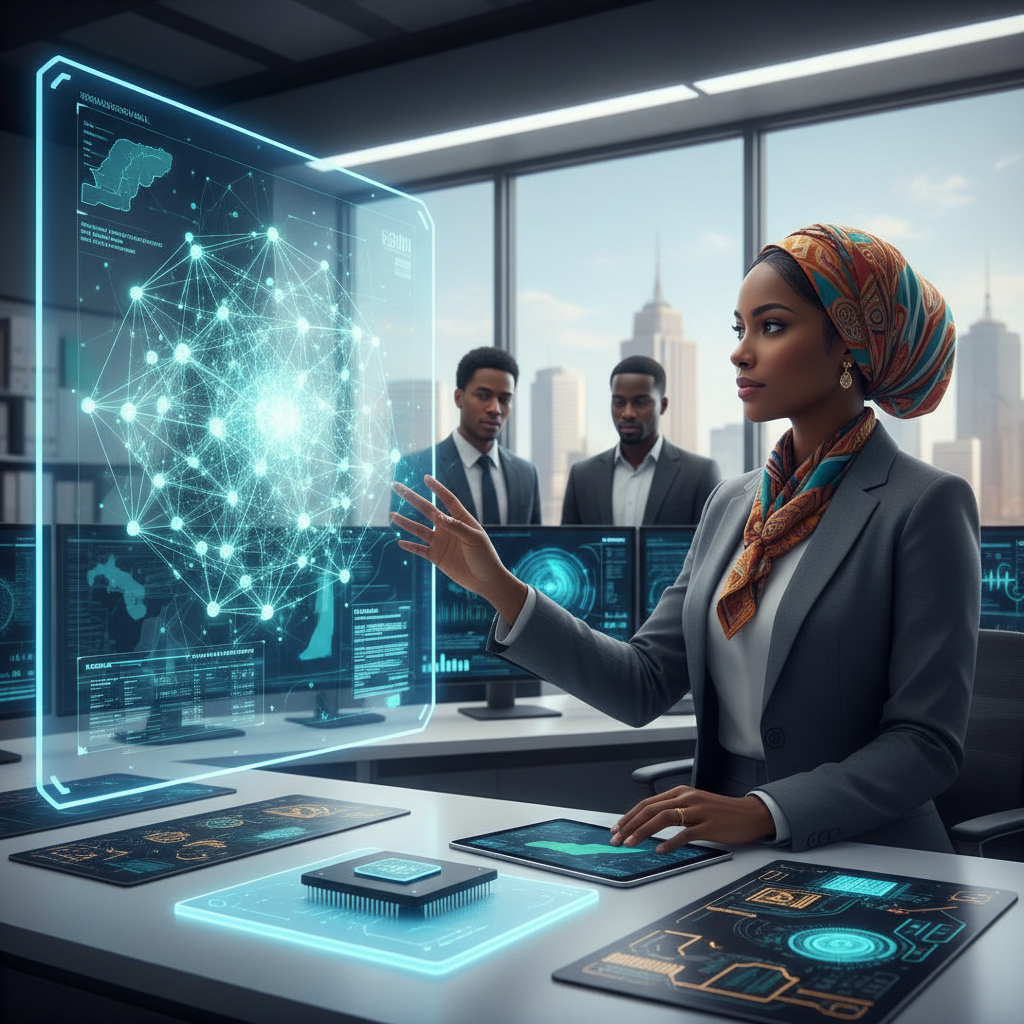
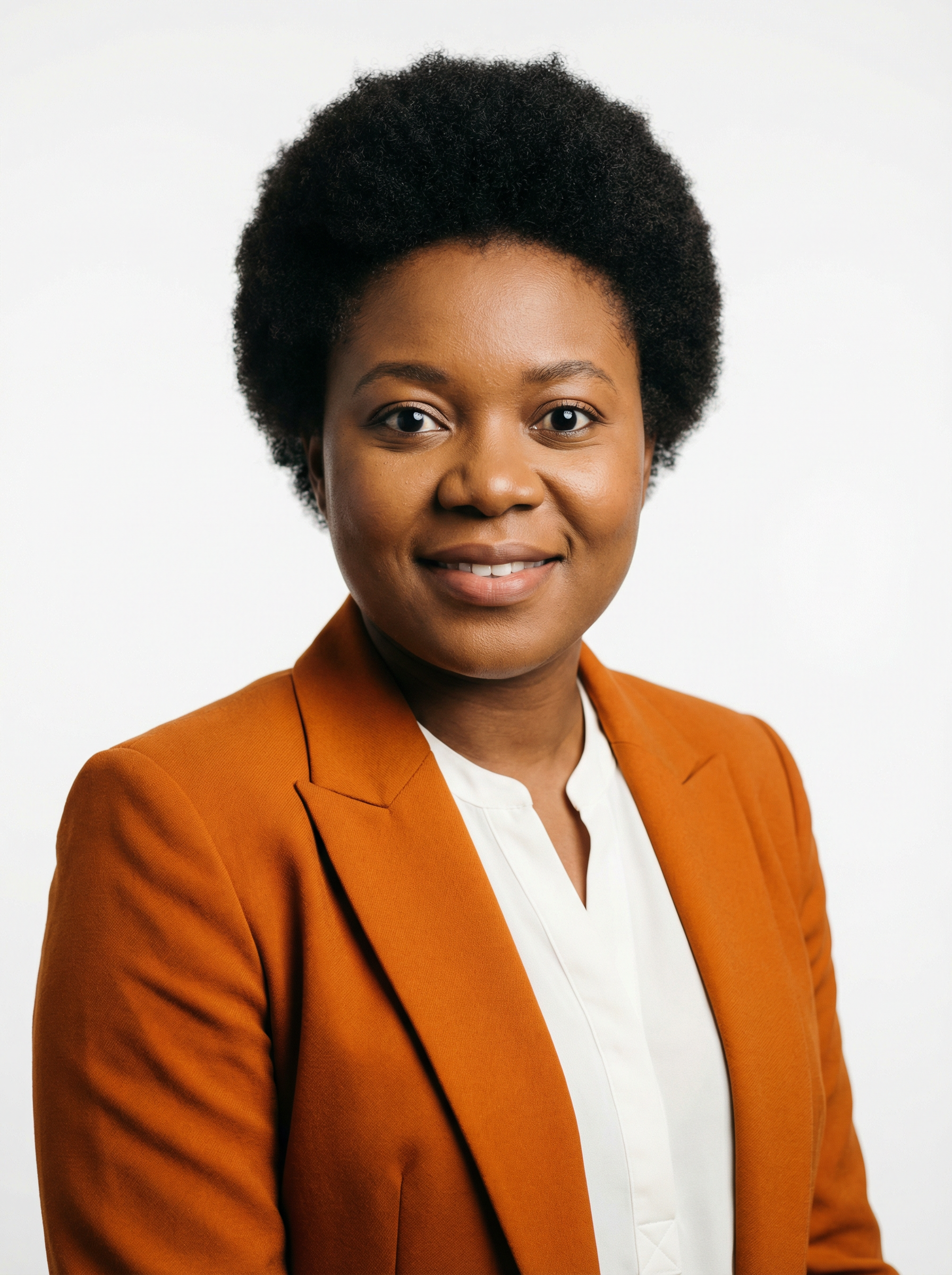
This groundbreaking initiative, dubbed 'Digital N'Gara' (meaning 'Digital Future' in Susu), seeks to leverage AI for personalized learning, automated grading, and access to vast educational resources, particularly in underserved communities. "Our children, the denmisê of Guinea, deserve the best tools to compete on the global stage," declared Minister Dr. Djibril Diallo during the launch ceremony at Lycée Donka. "AI is not a luxury; it is a necessity for bridging the learning gaps exacerbated by decades of underinvestment and the recent health crises."
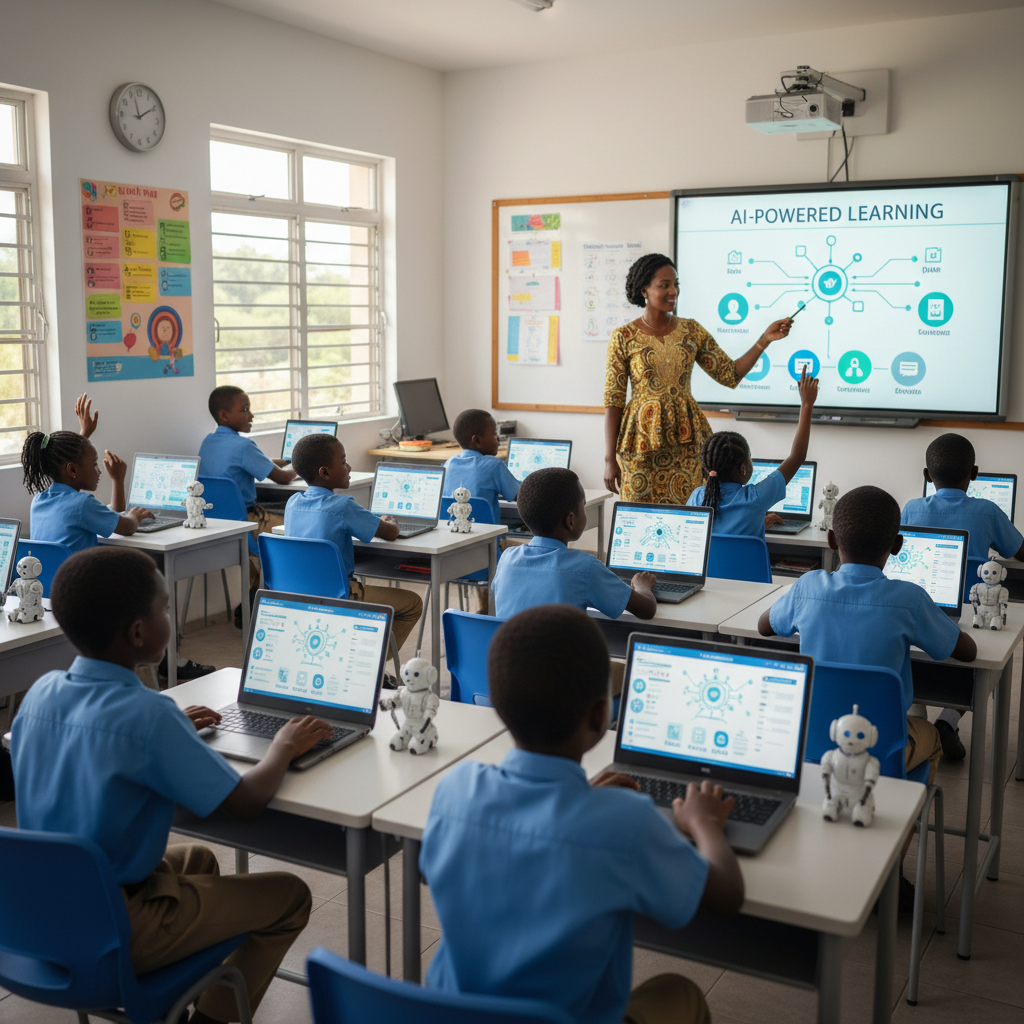
The pilot program, developed in partnership with the Guinean National Institute of Research and Documentation (INRD) and supported by a consortium of international partners, focuses on subjects like mathematics, science, and English. Students are provided with tablets pre-loaded with AI-powered adaptive learning platforms that adjust content difficulty based on individual progress, much like a dedicated marabout guiding a young scholar through complex texts.
Professor Fatoumata Camara, a renowned education technologist at the Gamal Abdel Nasser University of Conakry, expressed cautious optimism. "This is a significant step, a true kélè (battle) against educational disparities. However, the success hinges on robust infrastructure – reliable electricity, internet connectivity, and continuous teacher training. We must ensure that this technology serves to empower, not to further marginalize those without access to digital literacy." Professor Camara emphasized the need for culturally relevant content, ensuring the AI platforms understand the nuances of local dialects and learning styles.
Teachers participating in the pilot have undergone intensive training. Mamadou Bah, a mathematics teacher at Lycée 2 Octobre, shared his initial impressions: "The AI system helps me identify students who are struggling with specific concepts much faster. It's like having an extra pair of eyes, allowing me to focus on individualized support. It's a new way of teaching, a fôli (revolution) for our classrooms, but we are ready to embrace it for our denbaya (community)."
The 'Digital N'Gara' program is slated for a six-month evaluation period, after which the Ministry plans to scale up the initiative nationwide, potentially reaching rural schools where access to qualified teachers and resources remains a significant challenge. The hope is that AI can become a powerful ally in Guinea's quest for a more educated and digitally literate populace, transforming the educational landscape for generations to come.