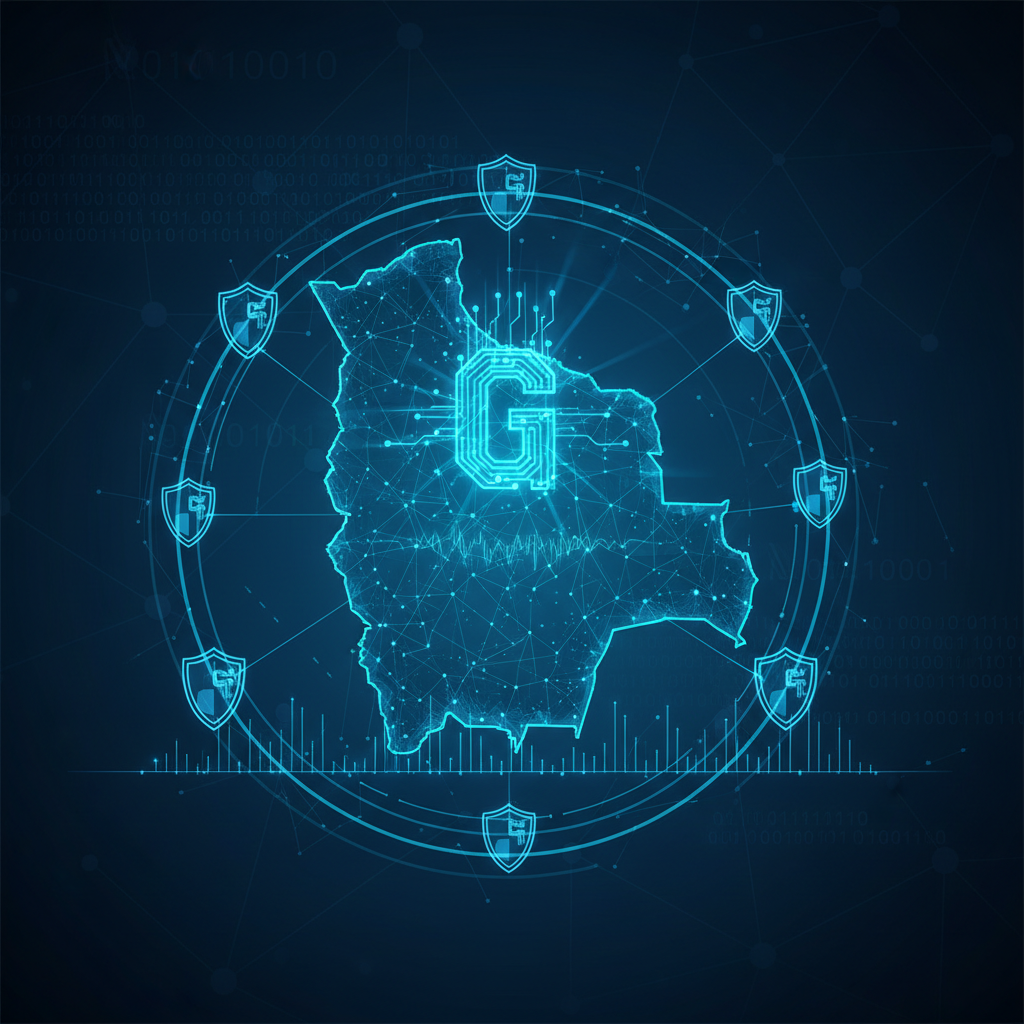
Is artificial intelligence, specifically its application in real-time cybersecurity threat detection across enterprise networks, a revolutionary shield or merely an expensive illusion? This is a question that resonates particularly deeply in places like Bolivia, where technological adoption often grapples with infrastructure limitations and unique geopolitical considerations. The global cybersecurity landscape is increasingly fraught, with sophisticated attacks becoming the norm, not the exception. In response, major tech players are heavily investing in AI to automate and accelerate threat identification. But can these advanced systems genuinely protect critical infrastructure and data in environments far removed from Silicon Valley's pristine data centers?
Historically, cybersecurity has been a reactive discipline. Firewalls, antivirus software, and intrusion detection systems functioned largely based on known signatures and rules. An attack would occur, be analyzed, and then defenses would be updated to prevent future similar incidents. This approach, while foundational, proved increasingly inadequate against zero-day exploits and polymorphic malware that constantly mutated to evade detection. The sheer volume of network traffic and the sophistication of modern threats quickly overwhelmed human analysts and traditional rule-based systems. This vulnerability created a clear imperative for a new paradigm.
Fast forward to today, and the narrative has shifted dramatically towards AI and machine learning. Companies like Google, Microsoft, and IBM are at the forefront, integrating AI into their security offerings. Google's Chronicle Security Operations, for instance, leverages AI to analyze petabytes of security telemetry in milliseconds, identifying anomalies and potential threats that would be invisible to human eyes or slower systems. Microsoft's Security Copilot, announced last year, aims to empower security analysts with generative AI capabilities, allowing them to query threats in natural language and receive actionable insights. The market reflects this shift. According to a recent report by Reuters, the global AI in cybersecurity market is projected to reach over $60 billion by 2028, growing at a compound annual growth rate exceeding 20 percent. This growth is fueled by a recognized need for proactive, adaptive defenses.
Proponents argue that AI's ability to process vast datasets, learn from patterns, and predict future attacks is a game-changer. "AI is not just augmenting our security teams, it is fundamentally transforming how we defend against threats," stated C.J. Moses, Chief Information Security Officer at Amazon Web Services, in a recent industry conference. "The speed and scale at which AI can operate are simply beyond human capacity, allowing us to detect and respond to threats in real-time, often before they can cause significant damage." This sentiment is echoed by many in the industry, who see AI as the only viable path forward against an ever-escalating threat landscape.
However, the reality on the ground, particularly in regions like ours, presents a more nuanced picture. While the capabilities of AI-powered systems are impressive, their effective deployment requires significant investment in infrastructure, skilled personnel, and a robust data ecosystem. Bolivia's challenges require Bolivian solutions, and importing a one-size-fits-all cybersecurity framework from a global tech giant might not always be the most practical or cost-effective strategy. Our national institutions, from state-owned enterprises to financial services, are increasingly digitized, yet the underlying network infrastructure can be inconsistent, and the pool of highly specialized AI security engineers remains limited. The altitude of innovation, if you will, is not just about the technical prowess of the AI itself, but about its integration into existing, often complex, operational realities.
Consider the practicalities. Implementing a sophisticated AI-driven security platform often means integrating with existing legacy systems, which can be a monumental task. Data privacy and sovereignty are also paramount concerns. For a nation like Bolivia, entrusting critical national security data to cloud-based AI systems hosted in foreign jurisdictions raises legitimate questions about control and oversight. "While the technology is powerful, we must ensure that the solutions we adopt are not only effective but also aligned with our national interests and regulatory frameworks," noted Dr. Ana María Flores, a leading cybersecurity expert at the Universidad Mayor de San Andrés in La Paz. "The cost of these advanced systems, both in terms of licensing and the specialized talent required to manage them, can be prohibitive for many organizations here." This highlights a critical economic barrier that often goes unaddressed in the glossy presentations from global tech firms.
Furthermore, AI is not infallible. It relies on the quality and completeness of the data it is trained on. Biases in training data can lead to blind spots, allowing novel or cleverly disguised attacks to slip through. Adversarial AI, where attackers intentionally craft inputs to fool AI detection systems, is also an emerging threat. The notion of a fully autonomous AI security system, while appealing, remains largely theoretical. Human oversight, interpretation, and intervention are still crucial. Let's talk about what actually works at 4,000 meters, not just what looks good on a white paper. This means solutions that are resilient, adaptable, and can function effectively even with less-than-perfect connectivity or fewer dedicated experts.
Despite these challenges, the trend towards AI in cybersecurity is undeniably the new normal, not a passing fad. The sheer volume and complexity of modern cyber threats necessitate automated, intelligent defenses. However, its implementation must be pragmatic and tailored to local contexts. For Bolivia, this means prioritizing solutions that offer robust protection without demanding an overhaul of existing infrastructure, focusing on skill development for local talent, and advocating for data sovereignty. Partnerships with global tech companies, such as those offering Google's advanced threat intelligence or Microsoft's security tools, can be invaluable, but they must be structured to empower local capabilities and ensure long-term sustainability. The goal should be to leverage AI as a tool for empowerment, not as a dependency. Our digital future depends on a balanced approach, one that embraces innovation while remaining firmly grounded in our unique realities.