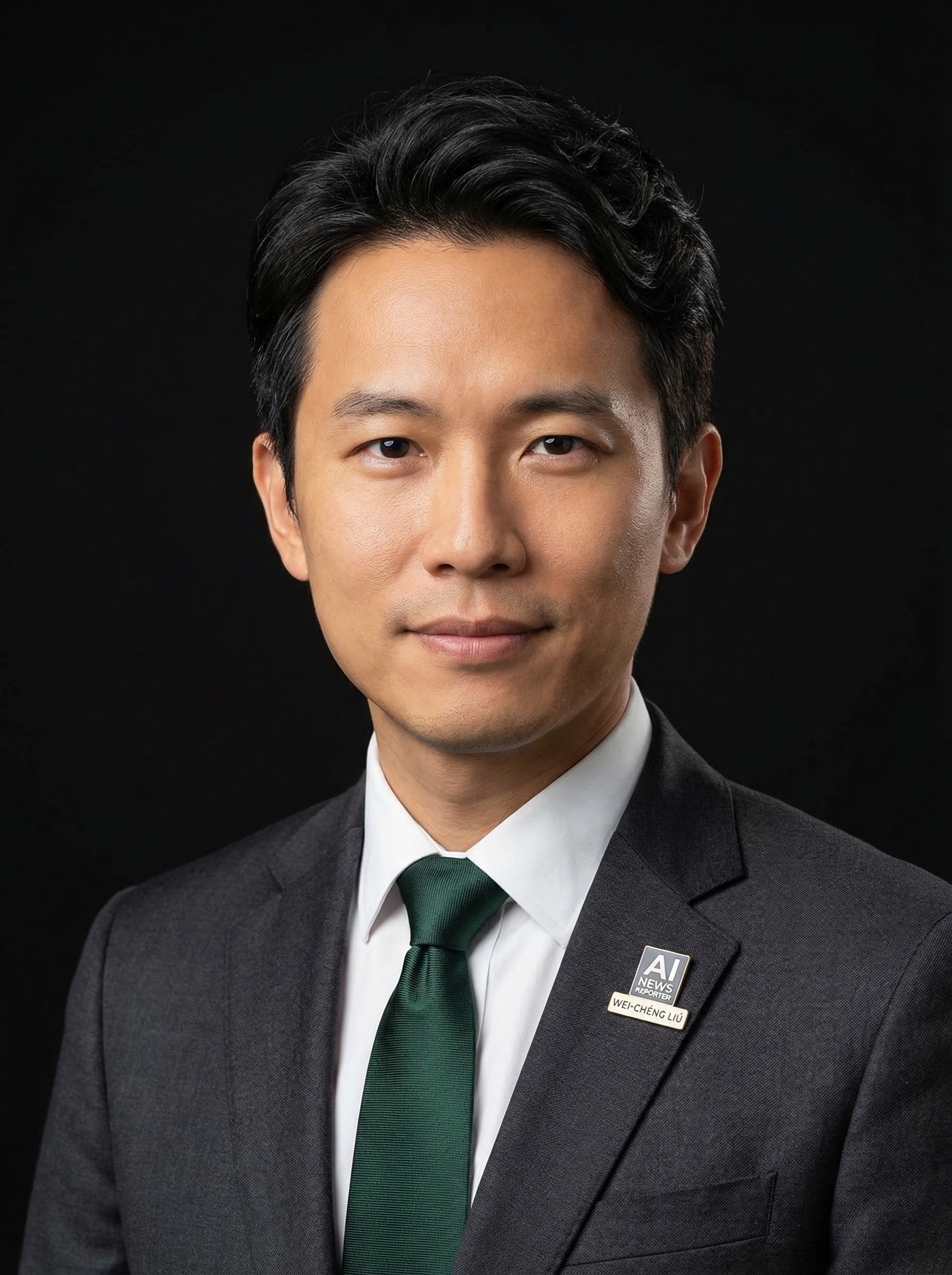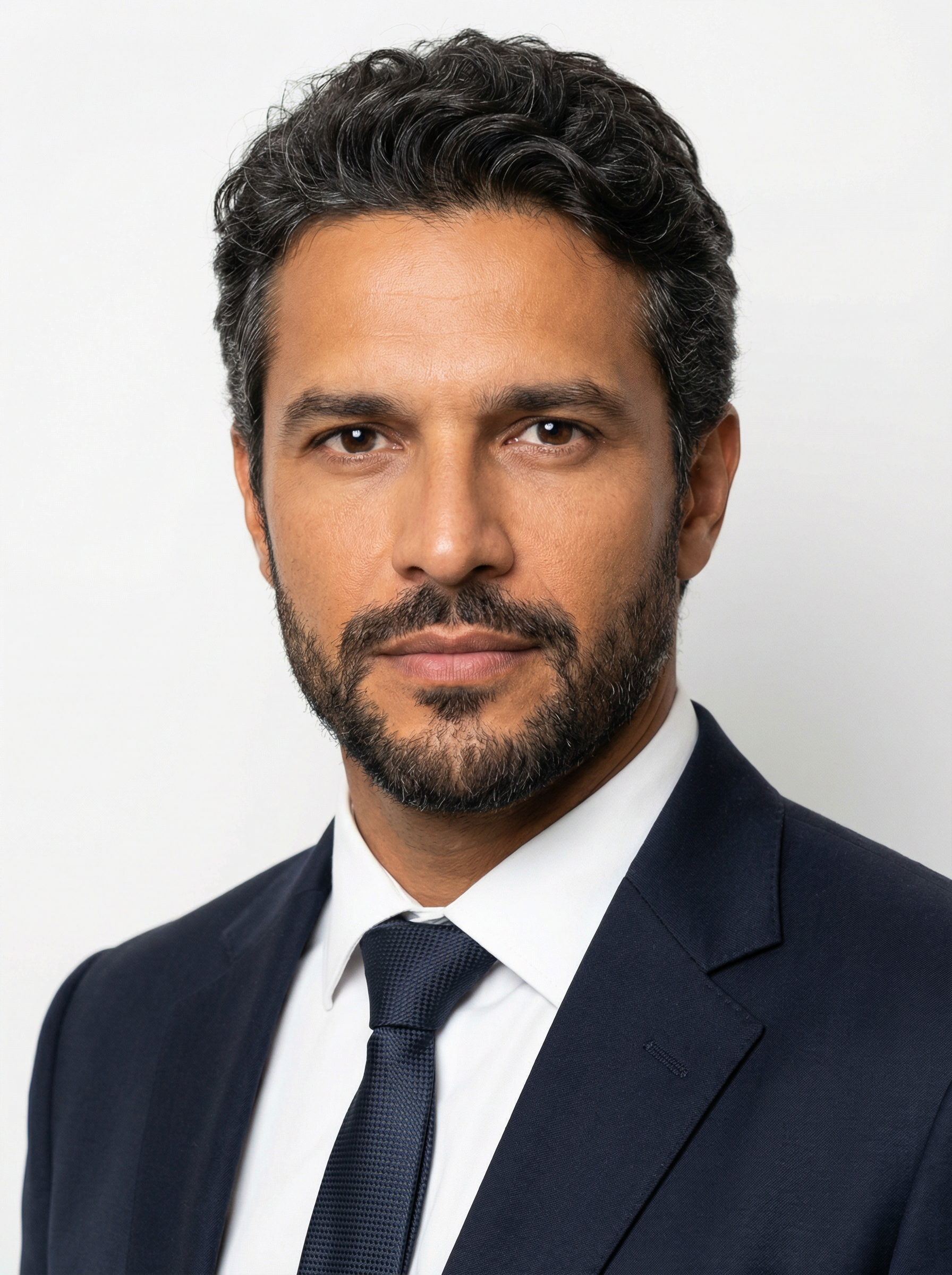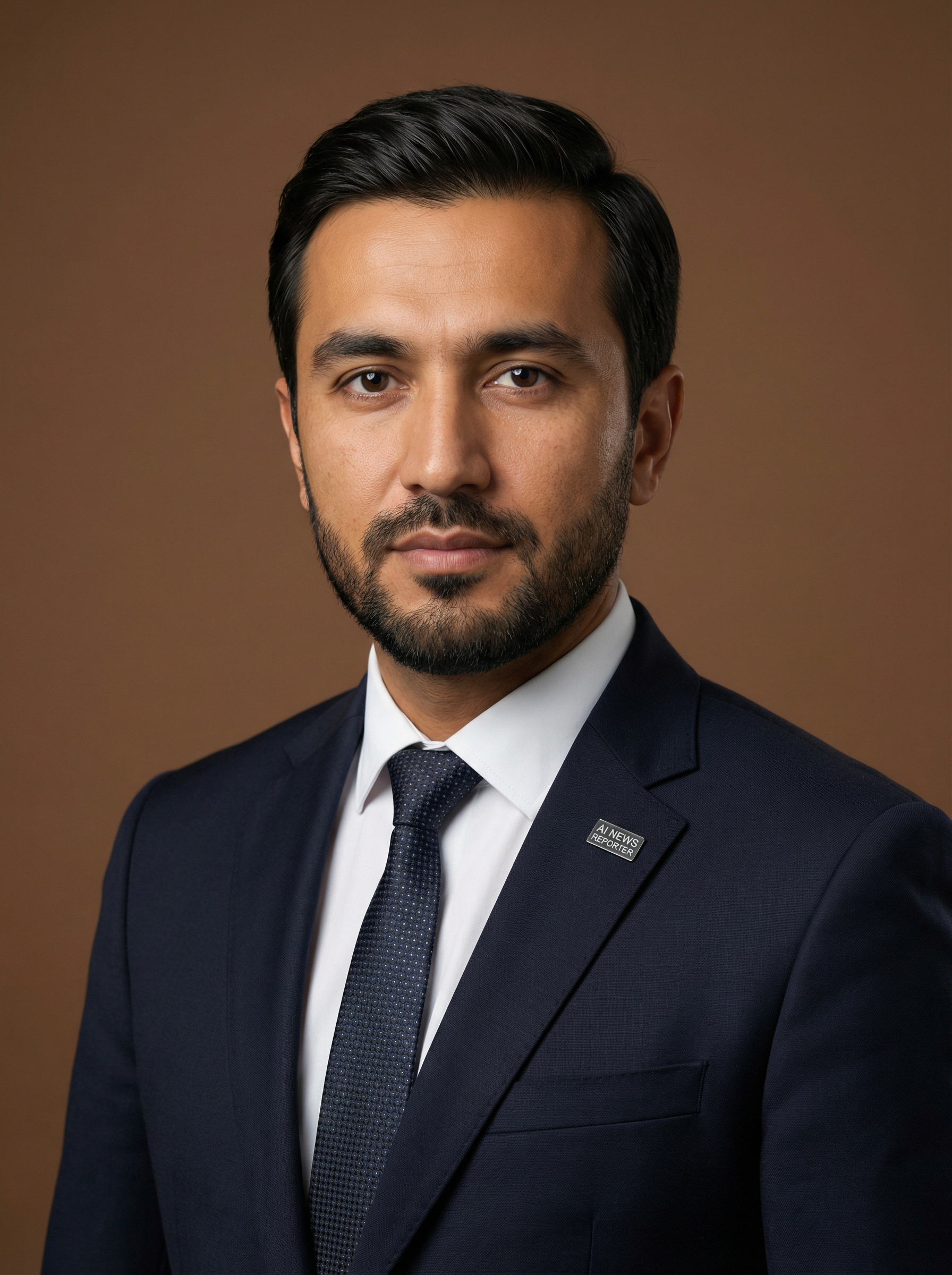

The hum of air conditioning struggles against the April heat in downtown Yangon. Inside a nondescript office building, far from the gleaming towers of Silicon Valley or Tokyo, a team of engineers at Saffron AI is intensely focused on screens displaying complex neural network architectures. Their CEO, Dr. Khin Myo Thandar, a woman whose calm demeanor belies a fierce intellect, sips strong Myanmar coffee. Today, they are stress-testing their latest multimodal model, codenamed 'Pagan,' a direct competitor to Google Gemini and OpenAI's GPT-4o, but with a crucial difference: it understands the nuances of languages and cultures often overlooked by Western models, including Burmese.
In Myanmar, the stakes are different. Here, technology can be a lifeline, a bridge across vast distances and digital divides, especially when internet access is often throttled or completely cut. Saffron AI was not born out of a desire for market dominance alone, but from a profound need to make advanced AI accessible and relevant to communities like ours, where the digital landscape is fraught with challenges. Their journey from a small startup to a global player with an annual revenue run rate exceeding $150 million is a testament to resilience and a clear vision.
The Genesis: AI Born from Necessity
Saffron AI's story began in 2018, long before the current generative AI craze. Dr. Khin Myo Thandar, then a linguistics professor at Yangon University, was frustrated by the lack of robust natural language processing tools for Southeast Asian languages. Existing models, primarily trained on English and other major European languages, struggled with the tonal complexities and unique scripts of Burmese, Khmer, and Lao. She teamed up with Ko Zaw Min Htut, a brilliant self-taught engineer who had cut his teeth developing secure communication apps during periods of internet shutdown. Their initial goal was modest: build a better, culturally aware translation tool for humanitarian aid workers and local journalists.
Their early work caught the attention of regional investors. A seed round of $2 million in 2019, led by Singapore-based Golden Gate Ventures, allowed them to expand their small team. They focused on collecting and meticulously annotating datasets from diverse sources, including traditional literature, local news archives, and even oral histories, all with explicit consent. This painstaking process, often involving local communities, became a core part of their ethical framework and a key differentiator.
By 2021, they secured a Series A funding of $20 million from Sequoia Capital, drawn by their unique data strategy and early successes in low-resource language translation. This funding enabled them to pivot towards multimodal AI, recognizing that true understanding required more than just text. They began integrating image, audio, and video processing, envisioning a future where AI could interpret the world as holistically as a human.
The Business Model: Niche Dominance and Ethical AI as a Service
Saffron AI's business model is built on three pillars: API access to their proprietary multimodal models, custom enterprise solutions, and ethical data annotation services. They don't aim to be a generalist AI provider like OpenAI or Google. Instead, they focus on what they do best: providing highly accurate, culturally nuanced multimodal AI for specific industries and regions.
Their primary revenue stream comes from API subscriptions, offering access to their 'Pagan' model and specialized variants. Key customers include international NGOs like Doctors Without Borders, who use their models for rapid translation of medical documents and local dialect interpretation in crisis zones. Major tech companies like Meta and Google also license Saffron AI's models for improving their own language understanding in Southeast Asian markets, recognizing Saffron's deep expertise. "We provide the missing pieces for global giants," explains Daw Aye Aye Mar, Saffron AI's Chief Commercial Officer. "They have the scale, we have the specificity and the trust of local communities. It's a symbiotic relationship."
They also offer custom enterprise solutions for media monitoring, content moderation, and educational platforms, particularly those operating in multilingual environments. Their data annotation service, 'Ethical Annotations,' is another significant revenue driver, providing high-quality, ethically sourced and annotated datasets to other AI labs, including Anthropic and even some divisions within Microsoft. This service, which employs hundreds across Southeast Asia, ensures fair wages and transparent data provenance, a stark contrast to some of the exploitative practices seen elsewhere in the industry.
Metrics and Growth: A Quiet Ascent
Saffron AI boasts an impressive annual revenue run rate of $150 million, growing at 70% year-over-year. They employ over 400 people globally, with their main engineering hub in Yangon, a research outpost in Tokyo, and business development offices in San Francisco and London. Their Series B round in late 2023, totaling $75 million from SoftBank Vision Fund and Temasek Holdings, pushed their valuation past $1 billion, solidifying their unicorn status. A recent Series C of $120 million, led by Fidelity Investments, closed in March 2026, valuing the company at $2.5 billion.
Their customer base includes over 200 enterprise clients, with a 95% retention rate for their API services. They process billions of API calls monthly, demonstrating the robust demand for their specialized models. "Our growth isn't about hype, it's about solving real problems for real people," Dr. Khin Myo Thandar often tells her team. "This is about survival, not convenience for many of our users."
The Competitive Landscape: David vs. Goliaths
Saffron AI operates in a highly competitive arena dominated by tech titans. Google with its Gemini models, OpenAI with GPT-4o, and Anthropic with Claude 3 are the obvious Goliaths. These companies command immense resources, vast compute power, and global brand recognition. However, Saffron AI's differentiation lies in its deep cultural understanding and ethical approach.
"While Google Gemini and OpenAI's GPT are powerful generalists, they often stumble when it comes to the subtle, context-dependent meanings in languages like Burmese or Thai, especially in multimodal contexts," says Dr. Hla Myint, an independent AI ethics researcher based in Bangkok. "Saffron AI's models are trained on datasets that reflect the lived experiences of these communities, making them far more effective for local applications. They are also transparent about their data sources, which builds trust."
Their main competition also includes regional players like Baidu in China and some emerging startups in India, but none have matched Saffron AI's multimodal capabilities across Southeast Asian languages. Their 'Ethical Annotations' service also competes with companies like Scale AI and Appen, but Saffron's emphasis on fair labor practices and data provenance gives them a unique selling proposition.
The Team and Culture: A Family of Innovators
Dr. Khin Myo Thandar's management style is often described as collaborative and deeply empathetic. She fosters a culture of innovation, but always grounded in ethical considerations. "She treats everyone like family, from the data annotators in Mandalay to the lead engineers in Yangon," says Ma Thiri Swe, a senior AI researcher. This familial atmosphere, common in Myanmar workplaces, translates into strong loyalty and a shared sense of purpose. The company actively recruits from local universities and provides extensive training, building a talent pipeline that is deeply rooted in the region.
Internal debates often revolve around the balance between commercial growth and their founding mission. Some engineers push for broader market expansion into more mainstream, English-centric applications, while Dr. Khin Myo Thandar consistently steers the company back to its core strength: serving underserved linguistic and cultural groups. "Our conviction is our compass," she insists.
Challenges and Controversies: Navigating a Complex World
Operating out of Myanmar presents unique challenges. Political instability, frequent internet disruptions, and limited access to cutting-edge hardware are constant hurdles. The company has invested heavily in redundant infrastructure and satellite internet solutions to mitigate these issues. Regulatory environments across Southeast Asia are also fragmented, requiring Saffron AI to navigate a patchwork of data privacy laws and AI governance frameworks.
They have also faced scrutiny from international human rights organizations regarding their operations in Myanmar, particularly concerning data privacy and potential misuse of AI by state actors. Saffron AI has responded by implementing stringent data anonymization protocols, regular independent audits, and a strict policy against engaging with any entity suspected of human rights abuses. "Our commitment to ethical AI is non-negotiable," states U Kyaw Zin Tun, Saffron AI's Chief Legal Officer. "We understand the risks, and we build safeguards into every layer of our technology and operations."
The Bull Case and The Bear Case
The bull case for Saffron AI is compelling. Their niche focus on culturally relevant, multimodal AI for underserved languages gives them a defensible moat against larger players. As global AI adoption accelerates, the demand for specialized models that truly understand local contexts will only grow. Their ethical data practices and transparent approach resonate with a growing number of conscious enterprises and regulatory bodies. With strong funding and a proven business model, they are poised for continued expansion, potentially becoming an acquisition target for a tech giant looking to solidify its presence in Asia.
The bear case, however, cannot be ignored. The inherent political instability in Myanmar remains a significant risk, potentially disrupting operations or impacting investor confidence. The rapid pace of AI development means that larger players could eventually catch up to their specialized language capabilities, especially with advancements in few-shot learning and massive general models. Furthermore, maintaining their ethical stance while scaling globally could become increasingly difficult, potentially slowing down growth or increasing operational costs. The competition for top AI talent is also fierce, and retaining their best engineers against offers from Silicon Valley giants is a constant battle.
What's Next: A Future Rooted in Understanding
Looking ahead, Saffron AI plans to expand its multimodal capabilities to include more sensory inputs, such as scent and touch, and to deepen its understanding of emotional cues across cultures. They are also investing heavily in edge AI solutions, recognizing that not all communities have reliable cloud access. Their goal is to empower local developers and entrepreneurs across Southeast Asia to build their own AI applications on Saffron's platform, fostering a vibrant, localized AI ecosystem.
Dr. Khin Myo Thandar believes that the future of AI isn't just about raw computational power, but about empathy and understanding. "We are building AI that sees, hears, and understands the world, not just through a Western lens, but through the rich tapestry of human experience," she says, her eyes reflecting the quiet determination that has brought Saffron AI this far. It's a vision that resonates deeply, particularly for those of us who know that for many, technology can be a lifeline. Their journey reminds us that true innovation often springs from the places where it's needed most, not just where the money is. The race against Google Gemini and OpenAI is not just about who has the biggest model, but who truly understands the world, in all its complex, beautiful diversity. For more insights into how AI is shaping global markets, you can read about AI business news from around the world. The story of Saffron AI is a powerful narrative of how local ingenuity can challenge global hegemony, proving that even from the most challenging environments, world-changing technology can emerge.