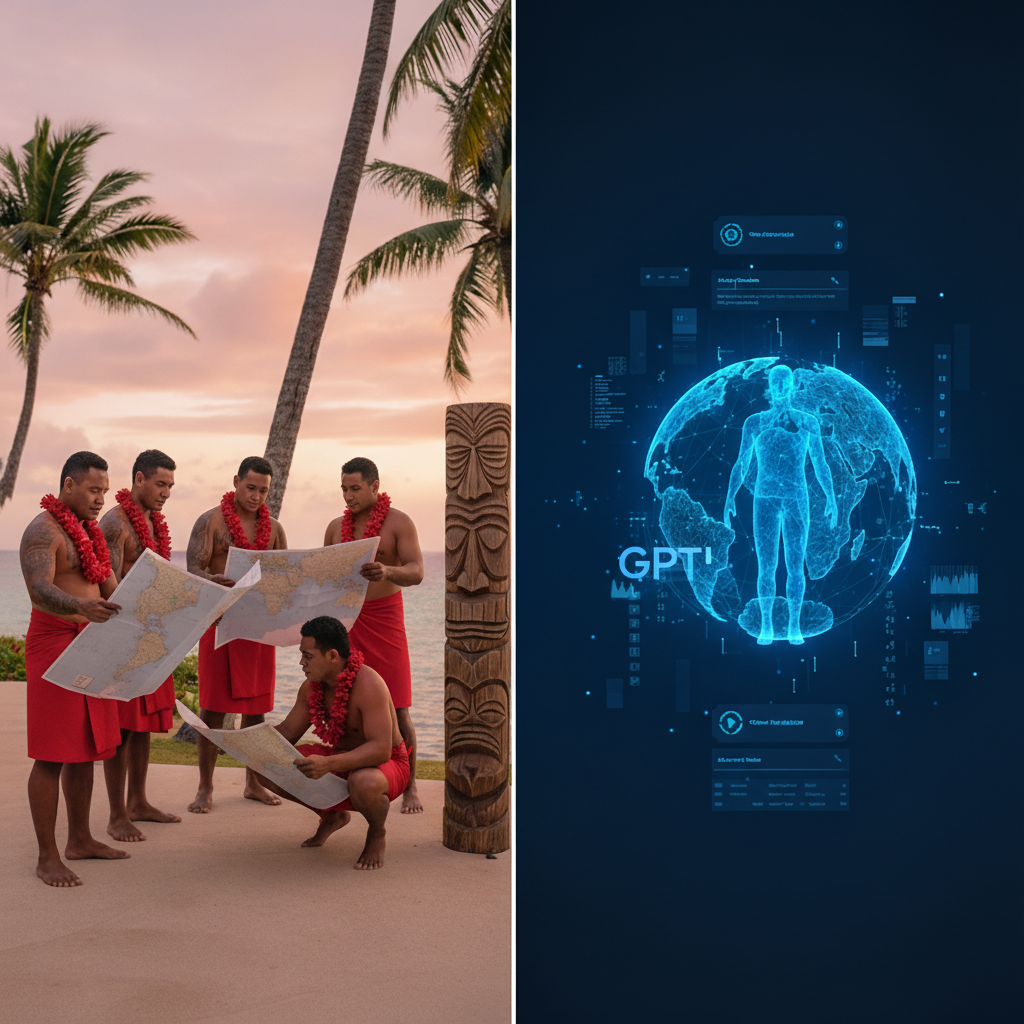
The morning sun, warm and golden, paints the lagoon outside my window in Papeete. Here, in French Polynesia, life often moves to the gentle cadence of the ocean, a rhythm that has shaped our stories and knowledge for generations. But lately, a different kind of wave has been making ripples, not just in our schools but across the entire Pacific: the surge of artificial intelligence, particularly AI chatbots like Google Gemini and OpenAI's GPT models.
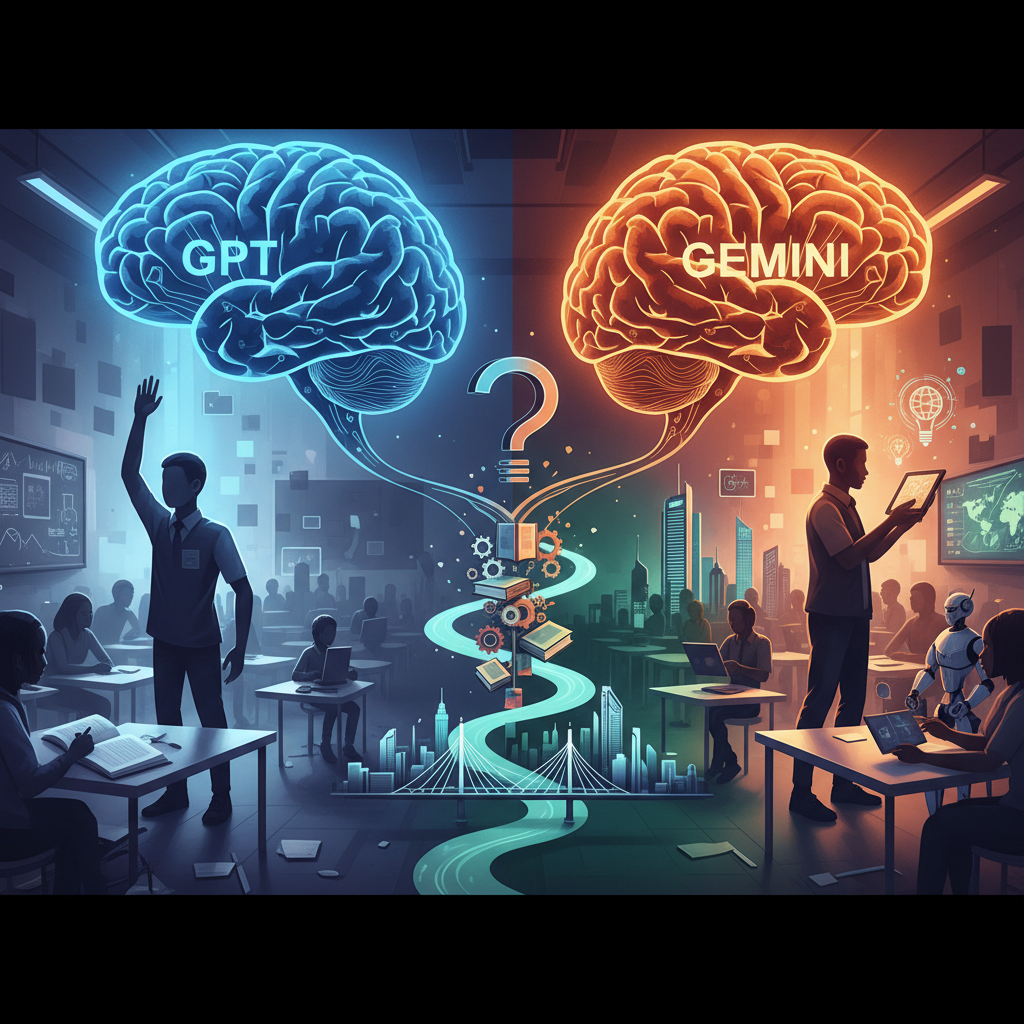
It feels like just yesterday these tools were a curiosity, a whisper in the tech world. Now, they are in our classrooms, on our students' phones, and in the hands of our educators. The question echoing through school halls from Tahiti to Tuamotu is a complex one: are these AI chatbots a 'cheating crisis' waiting to unravel academic integrity, or do they represent an 'educational revolution' that could empower our next generation in ways we haven't even imagined?
For many, the initial reaction was fear. Teachers worried about students submitting AI-generated essays, bypassing the critical thinking process that is the bedrock of learning. In a place where oral traditions and personal narratives hold such deep cultural significance, the idea of a machine writing a student's story feels almost sacrilegious. "We've always taught our children to speak from the heart, to connect with their ancestors' knowledge," shared Madame Hina, a veteran history teacher at Lycée Paul Gauguin, when we spoke last week. "How can a machine truly understand the nuance of our re’o tahiti or the spirit of our mana?"
This sentiment is not unique to our islands. Globally, educators grappled with the same anxieties when ChatGPT first burst onto the scene. Reports from the United States and Europe detailed a surge in academic dishonesty, prompting some institutions to ban AI tools outright. Major universities, including the University of Sydney in Australia, initially considered strict prohibitions, fearing a collapse of traditional assessment methods. However, as the initial shock wore off, a more nuanced perspective began to emerge.
Dr. David Kellermann, a senior lecturer at the University of New South Wales, has been a vocal proponent of integrating AI into education. He famously allowed students to use ChatGPT in his engineering courses, seeing it as a tool for learning, not just for cheating. "We need to teach students how to use these tools responsibly and ethically, just as we teach them how to use a calculator or the internet," Dr. Kellermann stated in a recent interview with an Australian publication. "Banning them is like banning the printing press because it might lead to misinformation. It's a futile effort and deprives students of essential future skills."
Indeed, the conversation has shifted dramatically since late 2022. What was once seen as a threat is now increasingly viewed as a powerful assistant. Companies like OpenAI and Google have been rapidly evolving their models, with Gemini 1.5 Pro and GPT-4o offering advanced capabilities that go far beyond simple text generation. These models can summarize complex texts, brainstorm ideas, translate languages, and even help with coding. For students in French Polynesia, where access to specialized resources or even fluent English speakers can sometimes be limited, these tools could be transformative.
Consider the challenge of learning a new language. While nothing replaces immersion, an AI tutor could offer personalized practice, instant feedback, and explanations in a student's native tongue. For our students grappling with French or English, this could be a game-changer. Or imagine a student researching the impact of climate change on coral reefs, a topic profoundly relevant to our islands. An AI could help them sift through vast amounts of scientific literature, identify key arguments, and even help structure their research paper. This is not about replacing critical thinking, but augmenting it.
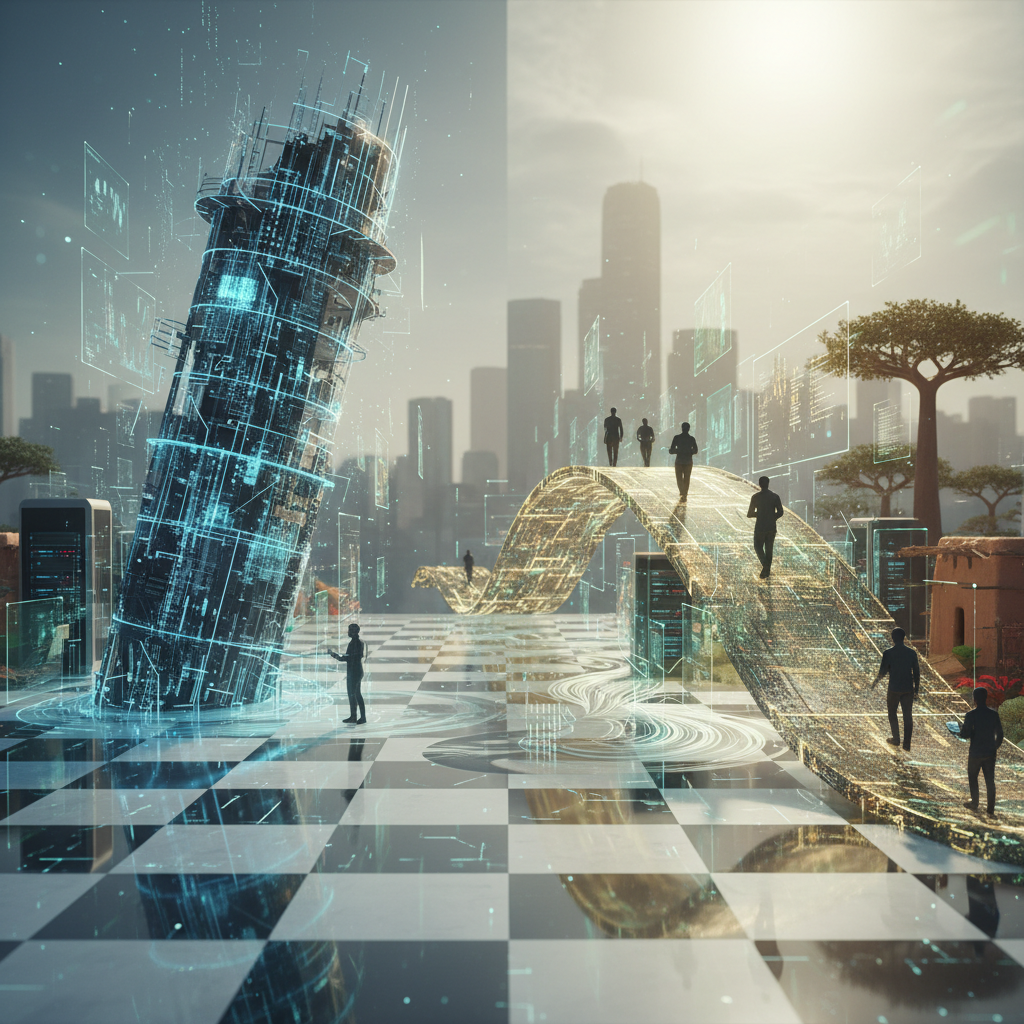
In the Pacific, technology takes a different form. It is often about connection, about bridging distances, and about preserving what is precious. The ocean connects us and so does AI, offering new ways to share our culture and learn from the world. For instance, imagine an AI trained on vast archives of Polynesian history, oral traditions, and traditional knowledge. Such a tool, carefully curated and ethically developed, could become a powerful resource for cultural preservation, making our rich heritage accessible to younger generations in new and engaging ways. It could help translate ancient chants, explain the symbolism of our tatau, or narrate the voyages of our ancestors.
However, this potential comes with significant caveats. The data these AI models are trained on largely reflects the dominant cultures of the internet, which are often Western. This raises concerns about cultural bias and the potential for these tools to perpetuate stereotypes or misrepresent our unique perspectives. As Dr. Alistair Knott, a researcher in AI ethics at the University of Otago in New Zealand, often highlights, "The algorithms reflect the data they are fed. If that data lacks diverse voices, then the AI will lack diverse understanding. For indigenous cultures, this is a critical concern that demands proactive engagement, not passive acceptance."
This means that as we embrace AI in our schools, we must also be active participants in shaping its development and application. We need to ensure that our local knowledge, our fenua stories, and our unique ways of knowing are represented in the datasets that train these global models. This isn't just about consuming technology; it's about co-creating it, ensuring it serves our values and strengthens our cultural identity.
Some local initiatives are already exploring this path. The University of French Polynesia, for example, is reportedly collaborating with regional tech startups to develop AI applications specifically tailored for Pacific contexts, focusing on language learning and environmental monitoring. While still in early stages, these efforts underscore a growing understanding that AI must be localized to be truly beneficial.
The shift in perspective from banning to integrating AI is gaining momentum globally. A recent report by MIT Technology Review highlighted how schools are now focusing on AI literacy, teaching students not just how to use these tools, but how to critically evaluate their output, understand their limitations, and recognize potential biases. This approach transforms the 'cheating crisis' into an opportunity for deeper learning about information literacy and ethical technology use.
For our students in French Polynesia, who are growing up in a world increasingly shaped by digital forces, understanding AI is no longer optional. It is a fundamental skill for their future. The challenge for our educators and policymakers is to harness the revolutionary potential of these tools while safeguarding our cultural integrity and fostering genuine intellectual curiosity. It requires thoughtful integration, ongoing dialogue, and a commitment to ensuring that AI serves the unique needs and aspirations of our Pacific communities.
The tide is turning. The initial fear is giving way to cautious optimism and proactive engagement. The question is no longer if AI will be in our classrooms, but how we will guide its integration to enrich, rather than diminish, the rich tapestry of learning and culture that defines our islands. It is a journey, much like a long canoe voyage, that requires careful navigation, respect for tradition, and an open heart to the possibilities of the horizon. We are not just adopting technology here, we are adapting it, weaving it into the fabric of our lives, much like the intricate patterns of our Tifaifai quilts. This is our way. This is the Pacific way. For more insights into how AI is transforming education worldwide, you can explore resources like The Verge's AI section or TechCrunch's AI category.
OpenAI's Enterprise Gambit: Will ChatGPT Truly Elevate Mexico's Workforce or Just Deepen the Digital Divide? [blocked] The global conversation around AI in education and workforce development is clearly a shared one.