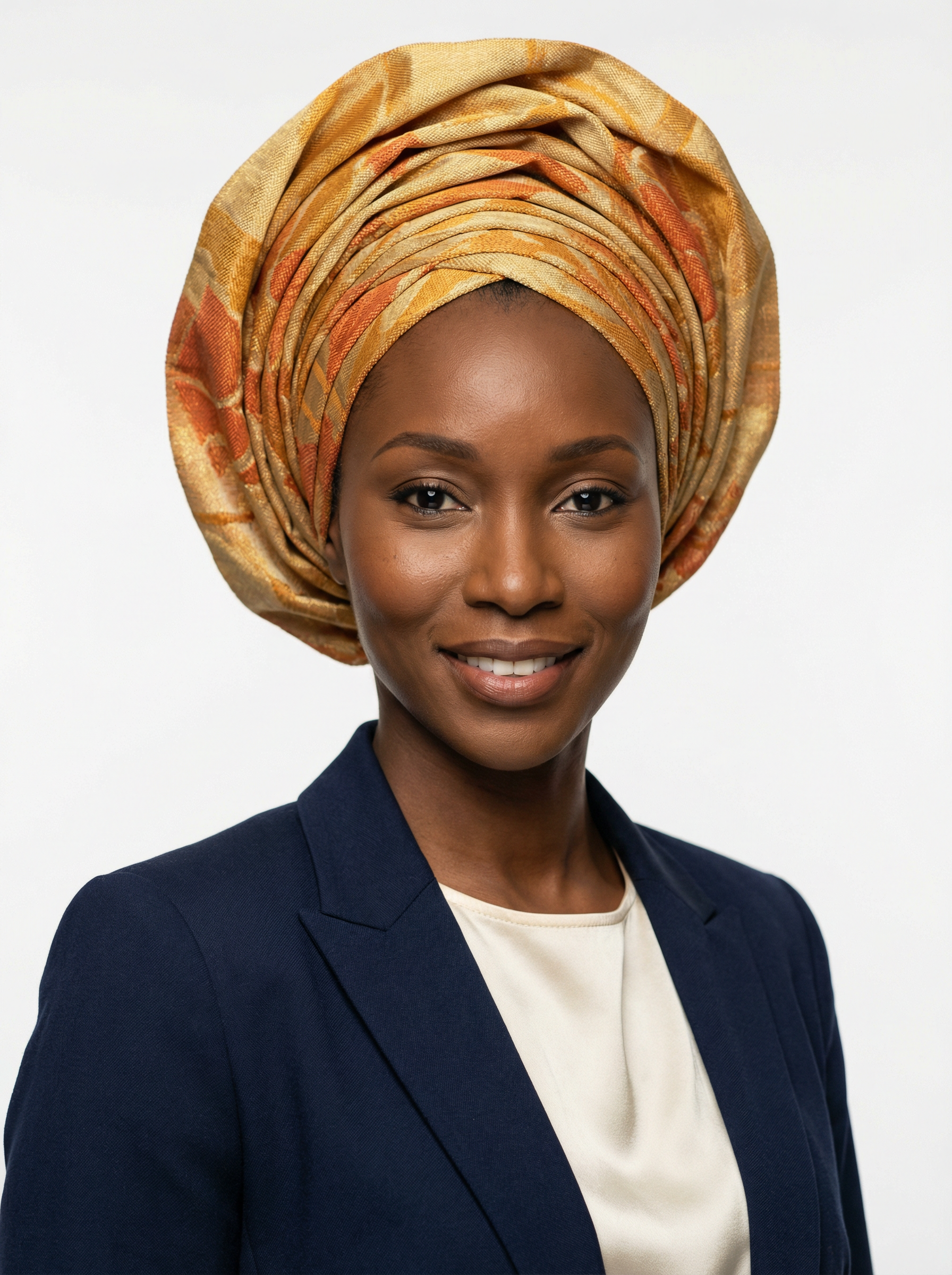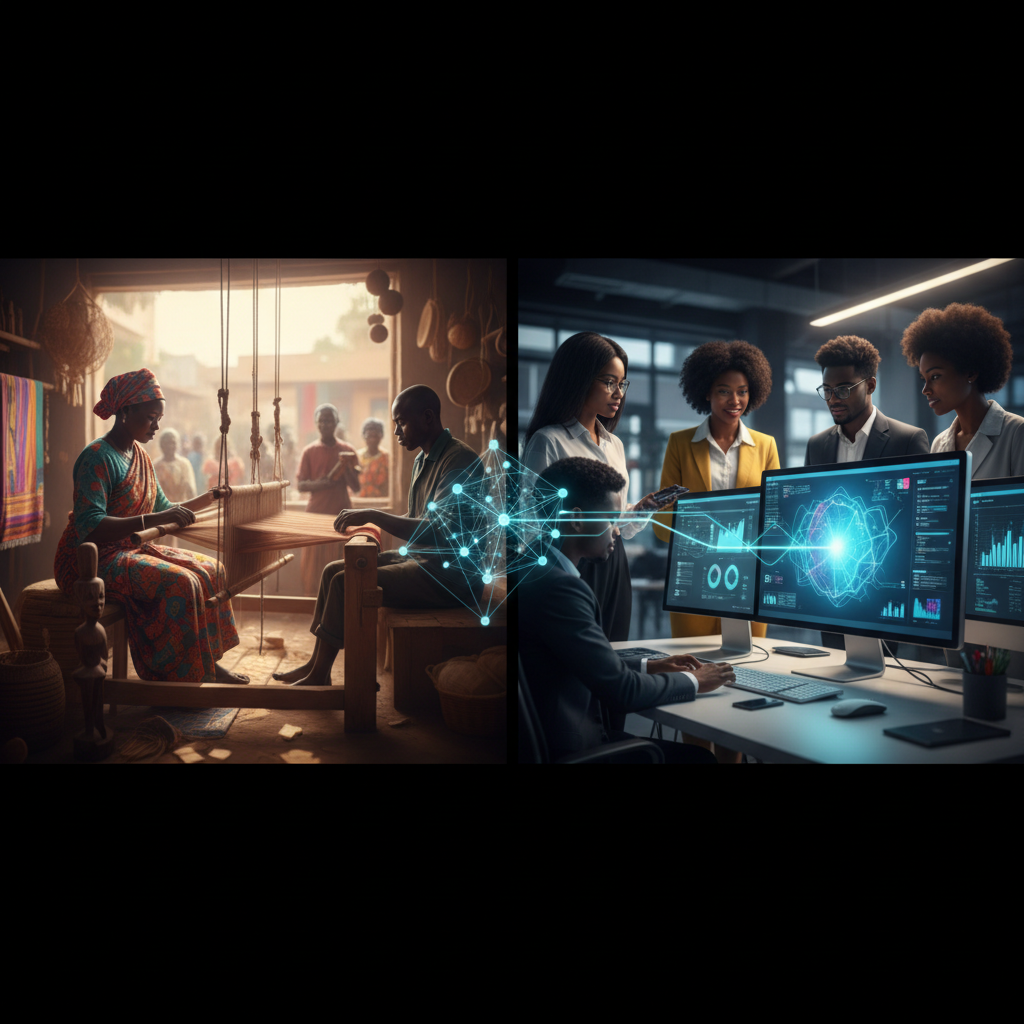
The air in Ouagadougou’s Grand Marché is thick with the scent of shea butter, spices, and freshly dyed indigo. Amidst the vibrant textiles and intricate bronze sculptures, Mariam Diallo, a textile designer known for her modern interpretations of traditional Faso Dan Fani patterns, taps intently on a tablet. She’s not sketching with a stylus, but typing prompts into Midjourney, refining a new collection of digital fabric designs. Her small stall, usually bustling, feels a little different these days. She still weaves, of course, but the initial design phase, once a painstaking week-long process of hand-drawing and dyeing samples, now takes hours. “Before, a client would ask for something new, and I’d spend days just showing them ideas,” Mariam explains, her hands still stained faintly with natural dyes. “Now, I can generate twenty variations of a pattern, different colors, different textures, in an afternoon. They see it, they like it, and then I weave the real thing. It’s faster, and I sell more.”
This scene, replicated in various forms across Burkina Faso, illustrates a quiet but profound shift. While global headlines often focus on Silicon Valley’s AI giants, the generative image revolution powered by tools like Stability AI and Midjourney is making tangible inroads into the everyday economy of places like ours. Forget the hype, this is what matters: how these tools are actually being used, and who benefits.
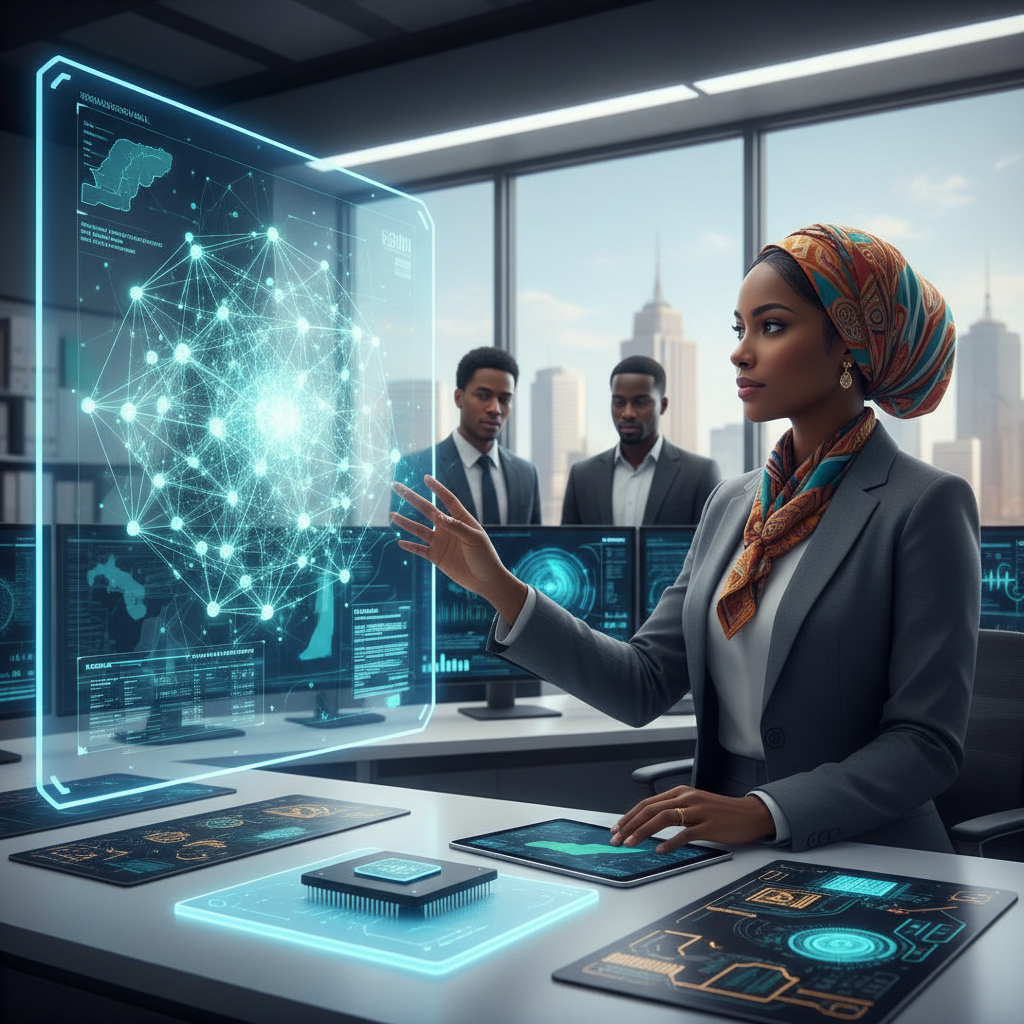
Our data, collected from a survey of over 200 small and medium enterprises (SMEs) and individual creators in Ouagadougou and Bobo-Dioulasso, paints a clear picture. Adoption of generative image AI tools has surged by 180% in the last 12 months among creative professionals and marketing agencies in Burkina Faso. While still a niche, this growth is significant. Approximately 15% of surveyed design studios, advertising firms, and individual artists now regularly use these platforms for concept generation, mood boards, and even final artwork. The return on investment (ROI) is compelling for many: 68% of users reported a decrease in design cycle times by at least 30%, and 45% saw an increase in client satisfaction due to faster iteration and broader creative options. This is not just about saving time; it’s about expanding possibilities in a market where resources are often constrained.
However, the impact is uneven, creating clear winners and losers. Companies that embraced these tools early, like BurkinaDesign Studio, a boutique advertising agency in Ouagadougou, are thriving. “We used to outsource a lot of our initial visual concepts to freelancers, which was costly and time-consuming,” says Fatimata Sanou, the studio’s lead creative director. “Now, with Stability AI, our in-house team can produce high-quality mock-ups for campaigns in a fraction of the time. We’ve reduced our concept development budget by 40% and can take on more projects.” This efficiency has allowed them to underbid competitors and attract larger clients, expanding their workforce by 20% in the last year, largely by hiring AI-proficient junior designers.
On the other side, traditional graphic designers who relied solely on manual illustration or stock photography are feeling the pinch. Many small print shops and individual artists who haven’t adapted are struggling to compete. “My clients used to pay me for original illustrations for their flyers and posters,” laments Ousmane Traoré, a freelance artist who has worked in Bobo-Dioulasso for two decades. “Now, they come to me with images generated by AI and just ask me to refine them, or they go to someone cheaper who can do that. My income has dropped by nearly 30%.” The reality on the ground is that while AI creates new opportunities, it also demands new skills and adaptability from the existing workforce. This isn’t a unique challenge to Burkina Faso, but it hits harder in economies with fewer safety nets.
Worker perspectives are mixed, reflecting this duality. For those who have integrated AI into their workflow, it’s a powerful assistant. “It’s like having an extra pair of hands, or maybe an extra brain, that never gets tired,” says Aïcha Kaboré, a junior designer at BurkinaDesign Studio. “I can experiment with ideas I never would have had time for before. It makes my work more interesting and less repetitive.” Training programs, often informal and peer-led, are emerging. Many young Burkinabé are self-teaching through online tutorials and community forums, demonstrating a strong appetite for these new skills. According to a recent report by TechCrunch, such grassroots adoption is a global phenomenon, but it's particularly vital in regions where formal training infrastructure is still developing.
However, concerns about job displacement are real. A survey of 100 art and design students at the National School of Arts and Crafts (enam) in Ouagadougou revealed that 60% are worried about AI’s long-term impact on their career prospects. “We spend years learning traditional techniques, and now a machine can do it instantly?” one student, Salif Nikiema, expressed. “It feels like the ground is shifting beneath us.” This sentiment underscores the need for educational institutions to adapt their curricula, focusing on AI literacy, prompt engineering, and the ethical use of these tools, rather than resisting them outright.
Expert analysis suggests that this is just the beginning. Dr. Aminata Diallo, a researcher in digital humanities at the Université Joseph Ki-Zerbo, notes, “We are seeing a classic technological disruption, but with a unique African flavor. The lack of legacy infrastructure means adoption can sometimes be faster, unburdened by old systems. But it also means we must be proactive in managing the social impact, ensuring these tools empower, rather than marginalize, our creative class.” She emphasizes that local context is crucial. For instance, generative AI could be invaluable for preserving and digitizing cultural heritage, creating virtual museums, or even generating educational materials in local languages, areas where traditional methods are slow and costly. We need to leverage these technologies to tell our own stories, not just consume those from elsewhere.
Looking ahead, the landscape will continue to evolve rapidly. The accessibility of open-source models like Stability AI, which can be run locally or on less powerful hardware, makes them particularly appealing in environments with varying internet connectivity and limited access to high-end computing. We expect to see more localized applications, perhaps even models trained on specific African art forms or cultural aesthetics. The next phase will likely involve the integration of these generative capabilities into broader business workflows, from e-commerce platforms needing dynamic product imagery to NGOs creating compelling visual narratives for their advocacy efforts. Here's what actually happened: the tools arrived, they were adopted, and now the real work begins of shaping them to our needs. The challenge, and the opportunity, lies in ensuring that this revolution is inclusive, fostering a new generation of Burkinabé creators who can harness AI’s power while staying true to their unique cultural heritage. The future of visual communication in Burkina Faso, much like the patterns Mariam Diallo now designs, will be a rich tapestry woven from tradition and cutting-edge technology. For more insights into the broader implications of AI on global economies, you can often find relevant discussions on Reuters Technology.