The dust of Kabul often obscures the vibrant spirit of its people, a spirit of resilience and ingenuity that thrives even amidst profound challenges. It is from this very crucible that AdlTech, a pioneering AI startup, has emerged, not merely as a technological venture but as a beacon of justice in the global conversation surrounding algorithmic bias in hiring. In a landscape increasingly dominated by tech giants like Microsoft and Google, AdlTech offers a compelling, human-centric alternative, reminding us that behind every algorithm is a human story.
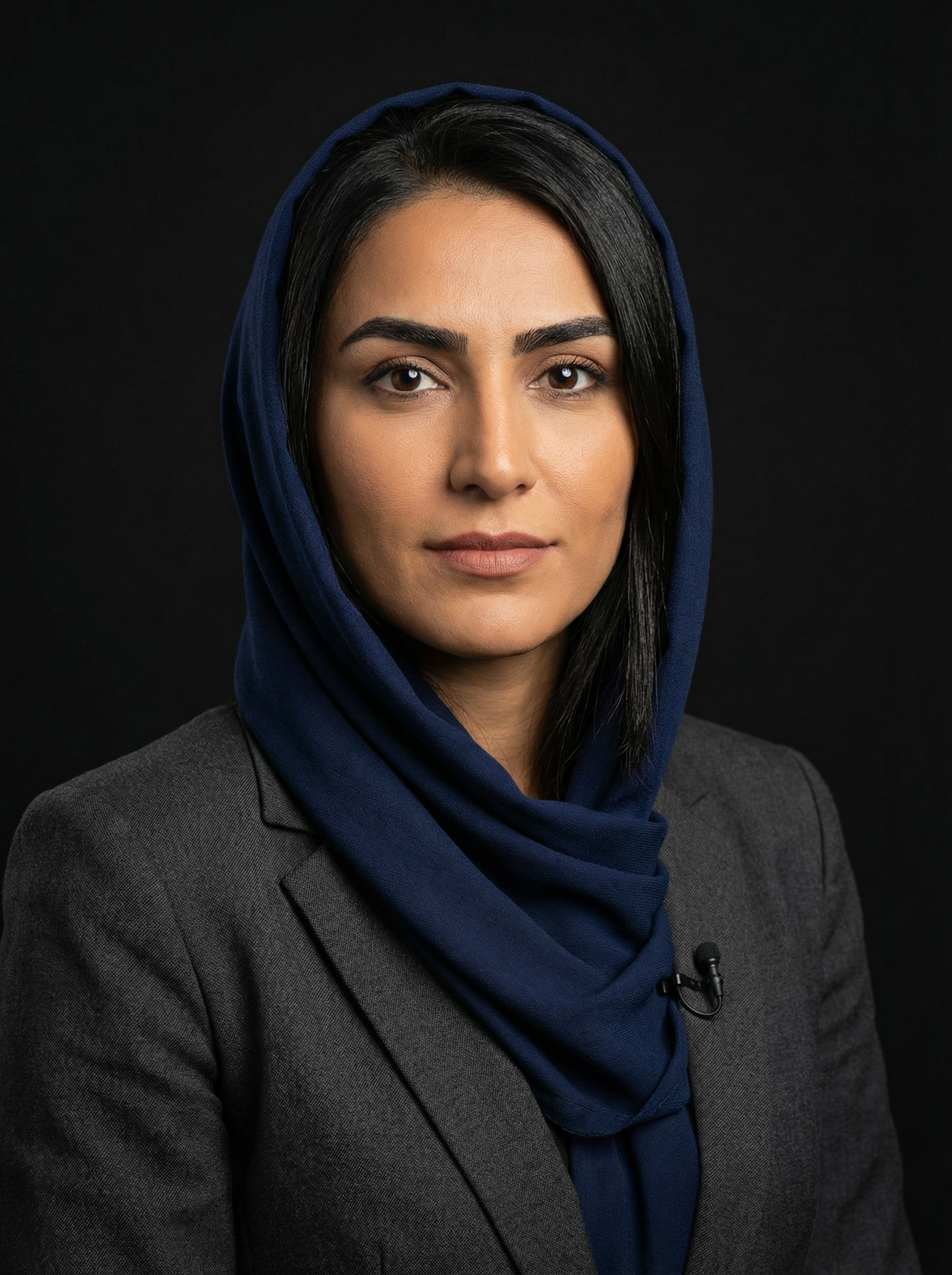
Dr. Laila Nazari, AdlTech's visionary founder and CEO, embodies this resilience. Her journey began not in the gleaming corridors of Silicon Valley, but in the bustling, often chaotic, streets of Kabul. A computer science graduate from Kabul University, Laila witnessed firsthand the systemic barriers that prevented talented individuals, especially women, from accessing opportunities. "I saw brilliant minds, particularly women who had overcome immense obstacles to gain an education, being overlooked," Dr. Nazari recounted during a recent virtual interview. "Their resumes, often lacking traditional 'corporate' experience due to our unique circumstances, were simply filtered out by automated systems designed for different contexts. It was heartbreaking, and it ignited a fire within me." This was her 'aha moment,' a realization that the very technology meant to streamline processes was, in fact, perpetuating and even amplifying existing inequalities.
The problem AdlTech addresses is pervasive: algorithmic bias in hiring. As companies worldwide increasingly rely on AI tools to sift through countless applications, the inherent biases embedded in these algorithms, often trained on historical, skewed data, lead to discriminatory outcomes. Women, minorities, and individuals from non-traditional backgrounds are disproportionately affected. In Afghanistan, where educational and professional paths can be fragmented by conflict and cultural norms, the impact is even more severe. A system that prioritizes a continuous, linear career progression, for instance, might inadvertently penalize a woman who paused her career to raise a family or an individual whose education was interrupted by displacement. The European Union's proposed AI Act and growing litigation in the United States against companies for discriminatory AI hiring practices, such as those involving Amazon's earlier biased recruiting tool, underscore the urgency of this issue globally. Even Mr. Satya Nadella, CEO of Microsoft, has spoken about the critical need for responsible AI development, yet the practical solutions for diverse, non-Western contexts remain scarce.
AdlTech's solution, named 'AdlScan' (Adl meaning justice in Dari and Arabic), is a multi-layered AI platform designed to detect and mitigate bias in recruitment. Unlike conventional systems that often rely on keyword matching and historical data patterns, AdlScan employs a sophisticated blend of natural language processing (NLP), explainable AI (XAI), and a unique 'contextual fairness engine.' This engine is trained not just on broad datasets, but also on culturally nuanced information, allowing it to understand and value diverse experiences. For example, it can recognize the leadership skills developed by organizing community aid in a conflict zone, rather than solely prioritizing experience in a multinational corporation. "We've built a system that asks not just 'what did they do,' but 'what does that truly signify in their lived reality?'" Dr. Nazari explained. "It's about translating diverse human experiences into valuable professional attributes, rather than penalizing deviation from a narrow norm." The platform also provides detailed explanations for its recommendations, allowing human recruiters to understand the reasoning and intervene if necessary, fostering transparency and accountability.
AdlTech's technology stands out through its emphasis on 'adaptive fairness metrics.' Traditional AI fairness metrics often focus on statistical parity across predefined groups, which can still overlook subtle biases or fail to account for intersectionality. AdlScan, however, dynamically adjusts its fairness parameters based on the specific job role, industry, and even regional context. It uses a feedback loop mechanism where human recruiters can flag potentially biased outcomes, allowing the AI to learn and refine its understanding of fairness over time. This iterative learning process, coupled with a commitment to privacy-preserving techniques, ensures that candidate data is handled with the utmost care.
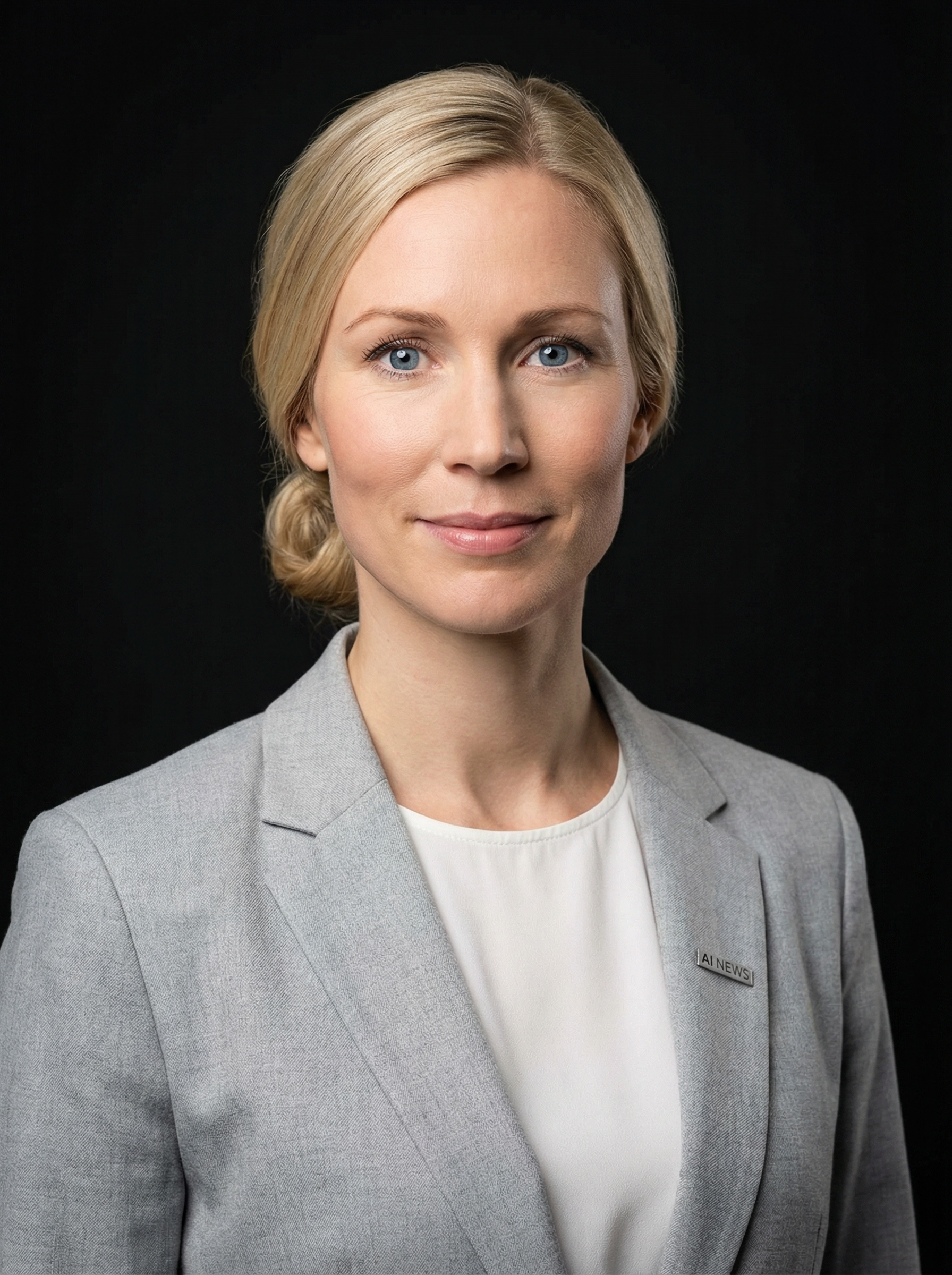
The market opportunity for AdlTech is substantial and rapidly expanding. The global AI in recruitment market is projected to reach over $5 billion by 2027, driven by increasing regulatory scrutiny and a growing corporate desire for diverse talent pools. Companies are facing significant legal and reputational risks associated with biased hiring. A 2025 report by Reuters Technology indicated that over 70% of large enterprises are concerned about AI bias in their HR processes. AdlTech, with its specialized focus on contextual fairness and its ability to operate effectively in diverse cultural environments, is uniquely positioned to capture a significant share of this market, particularly among international organizations, NGOs, and companies operating in emerging economies. "Our initial focus is on organizations working within Afghanistan and the broader Central Asian region, where the need for context-aware hiring is paramount," said Mr. Karimullah Safi, AdlTech's Chief Operating Officer. "But the principles of contextual fairness are universal. We are already seeing strong interest from European and North American companies seeking to diversify their global talent pipelines."
The competitive landscape is crowded, with major players like Workday, SAP, and even Google's hiring solutions incorporating AI. However, most of these solutions are built on models and datasets primarily reflecting Western corporate structures. Startups like HireVue have faced scrutiny over their AI assessment tools, highlighting the challenges of achieving true fairness. AdlTech differentiates itself by its foundational commitment to equity, its culturally sensitive algorithms, and its explainable AI approach. "Many solutions today are retrofitting fairness onto existing biased systems," noted Dr. Zahra Ahmadi, a leading AI ethics researcher at the Afghanistan Center for AI Studies. "AdlTech, however, has embedded fairness into its core architecture from day one. This is not just a feature; it is their fundamental operating principle." Their unique origin story also lends them credibility and a deeper understanding of the challenges faced by underrepresented talent.
AdlTech recently closed a seed funding round of $2.5 million, led by a consortium of impact investors and a prominent venture capital firm with a focus on emerging markets. This capital will be used to scale their engineering team, expand their contextual fairness datasets, and accelerate their market penetration. Their immediate goal is to partner with several large international organizations operating in Afghanistan to demonstrate the tangible benefits of AdlScan in real-world scenarios. They also plan to develop specialized modules for specific industries, such as humanitarian aid and education, where diverse skill sets are often overlooked by conventional hiring tools.
Technology should serve the most vulnerable, and AdlTech is a powerful testament to this conviction. In a world where algorithms increasingly shape our destinies, the work of Dr. Laila Nazari and her team is not merely about optimizing recruitment; this is about dignity, about ensuring that talent is recognized regardless of its packaging, and that opportunities are truly accessible to all. As AdlTech continues its journey, it offers a hopeful vision: that the future of AI can be built on principles of justice, inclusion, and a profound understanding of the diverse human experience. Their story is a powerful reminder that innovation for global good can blossom even in the most challenging soils, proving that the pursuit of fairness is a universal endeavor. For more insights into the ethical implications of AI, consider exploring resources like Wired's AI coverage.

To understand more about how global AI regulations are shaping the tech landscape, you might find this article on AI governance [blocked] insightful.