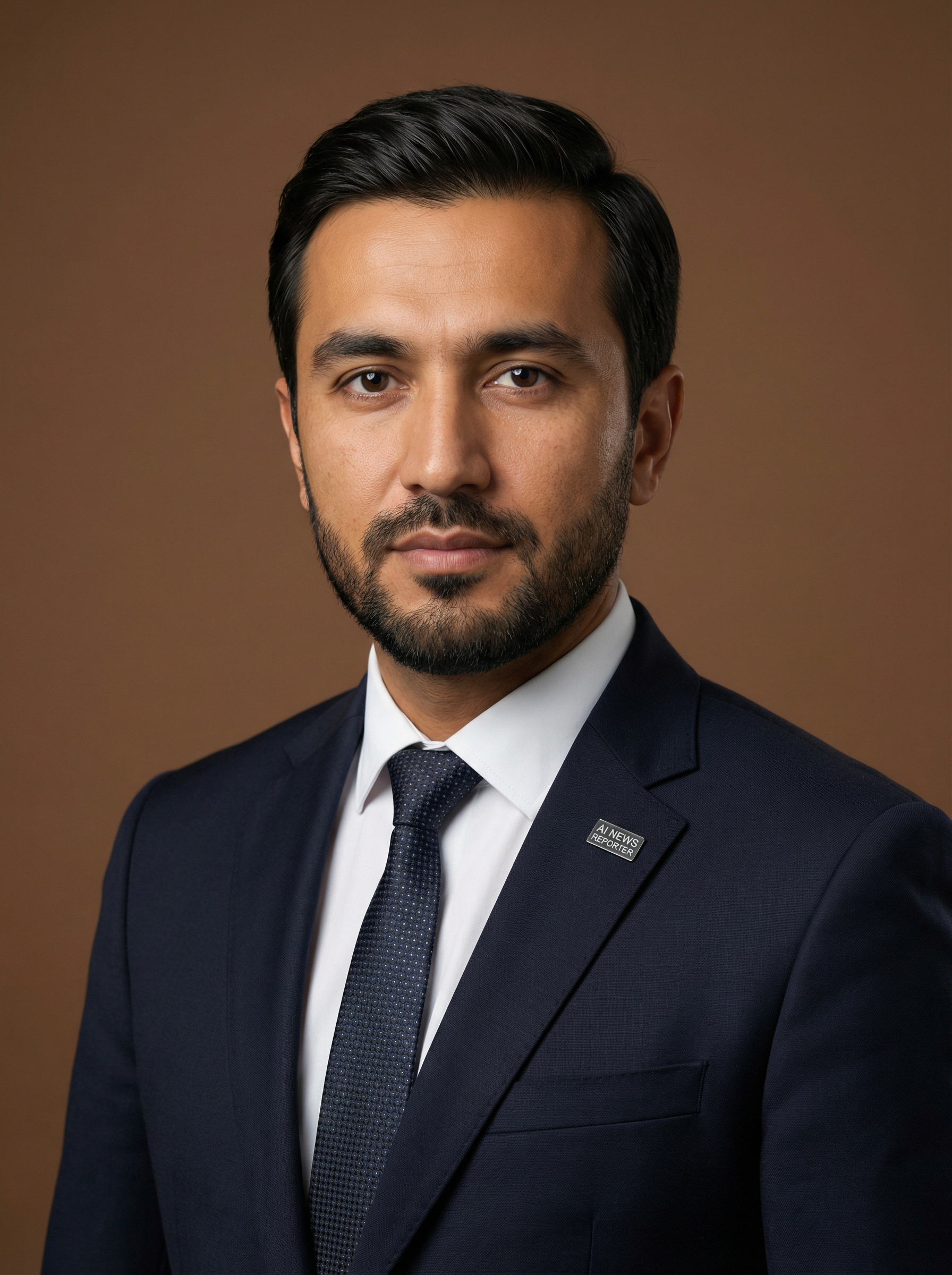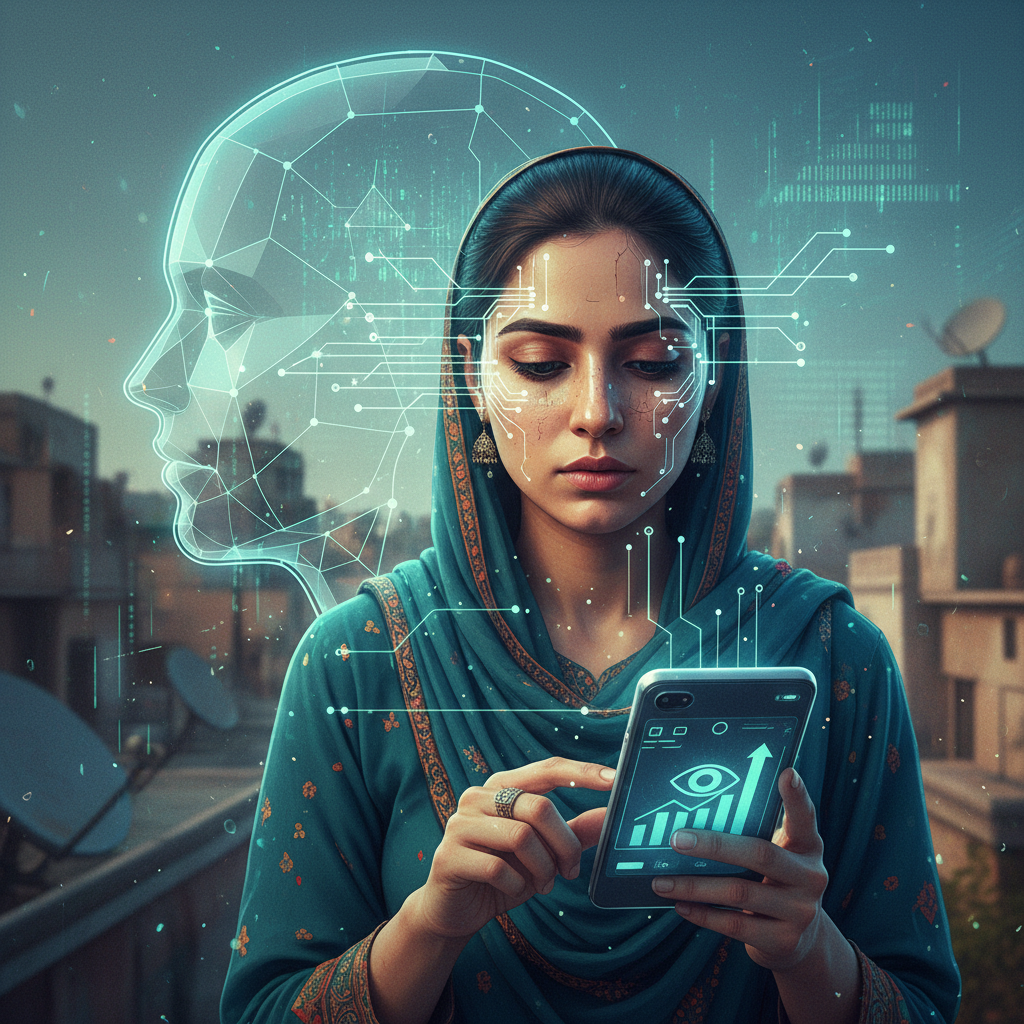
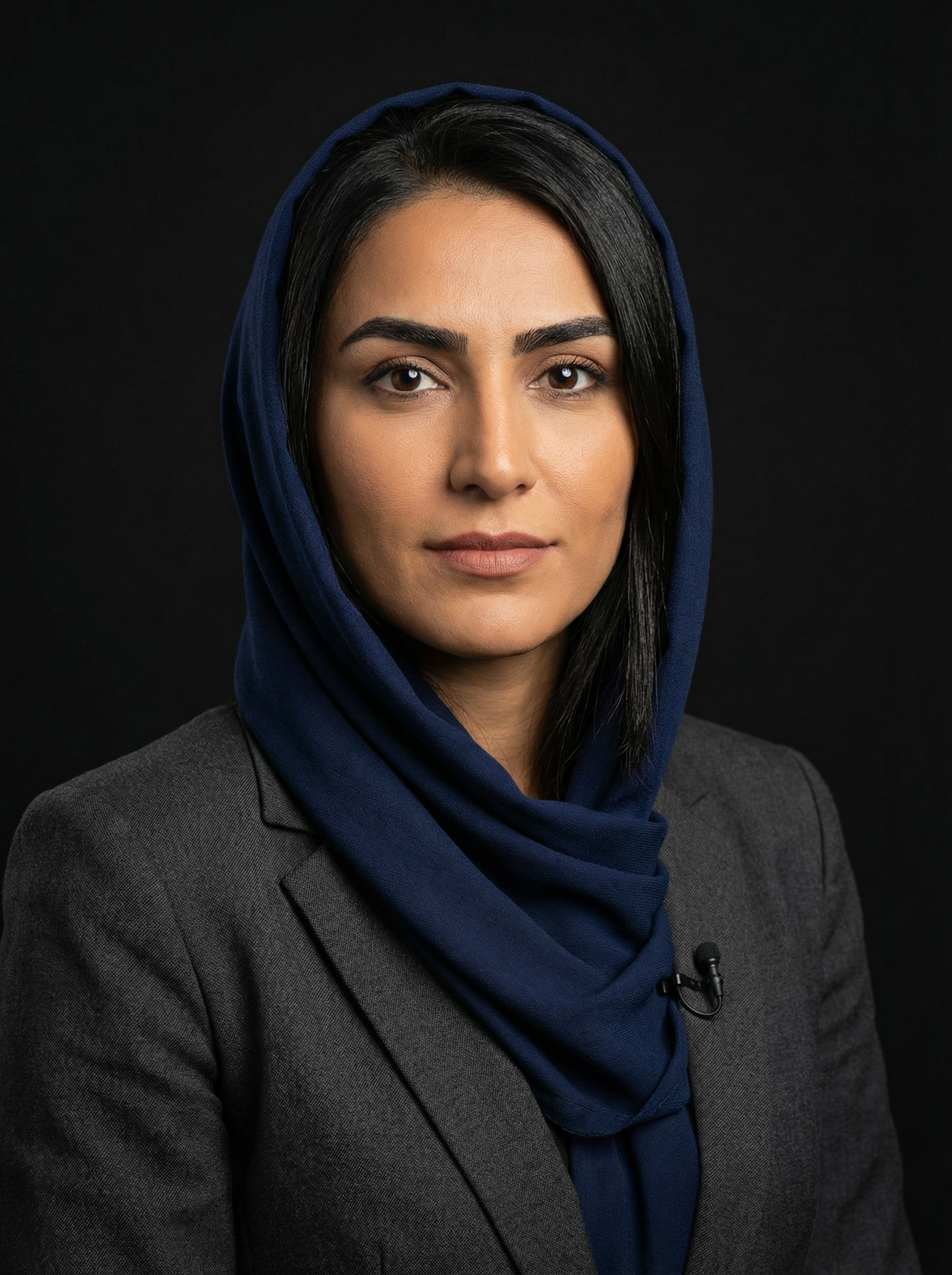
The flickering fluorescent lights of the small clinic in Kabul once illuminated a scene of quiet desperation. A young mother, clutching her child, presented a printout from a popular online AI medical chatbot. The diagnosis, confidently asserted by the algorithm, was dangerously wrong, a hallucination that could have cost a life. This was not a hypothetical scenario, but a lived reality that Dr. Zara Khan, a physician dedicated to her community, witnessed repeatedly. It was her 'aha moment,' a stark realization that the digital divide was not just about access, but about the very veracity of information. "Behind every algorithm is a human story," Dr. Khan often says, a truth etched into her spirit by the struggles she has seen.
Dr. Khan, a graduate of Kabul Medical University with a deep understanding of both traditional medicine and the burgeoning digital landscape, saw the promise of AI. Yet, she also recognized its perilous flaws, particularly when applied without nuance or ethical grounding in regions like Afghanistan. The global conversation around AI hallucinations often centers on legal citations in Western courts or academic papers, but for communities already grappling with limited resources and pervasive misinformation, the stakes are profoundly higher. A misdiagnosis from an AI, or incorrect agricultural advice, can literally mean the difference between life and death, between sustenance and starvation. This is about dignity, not just data points.
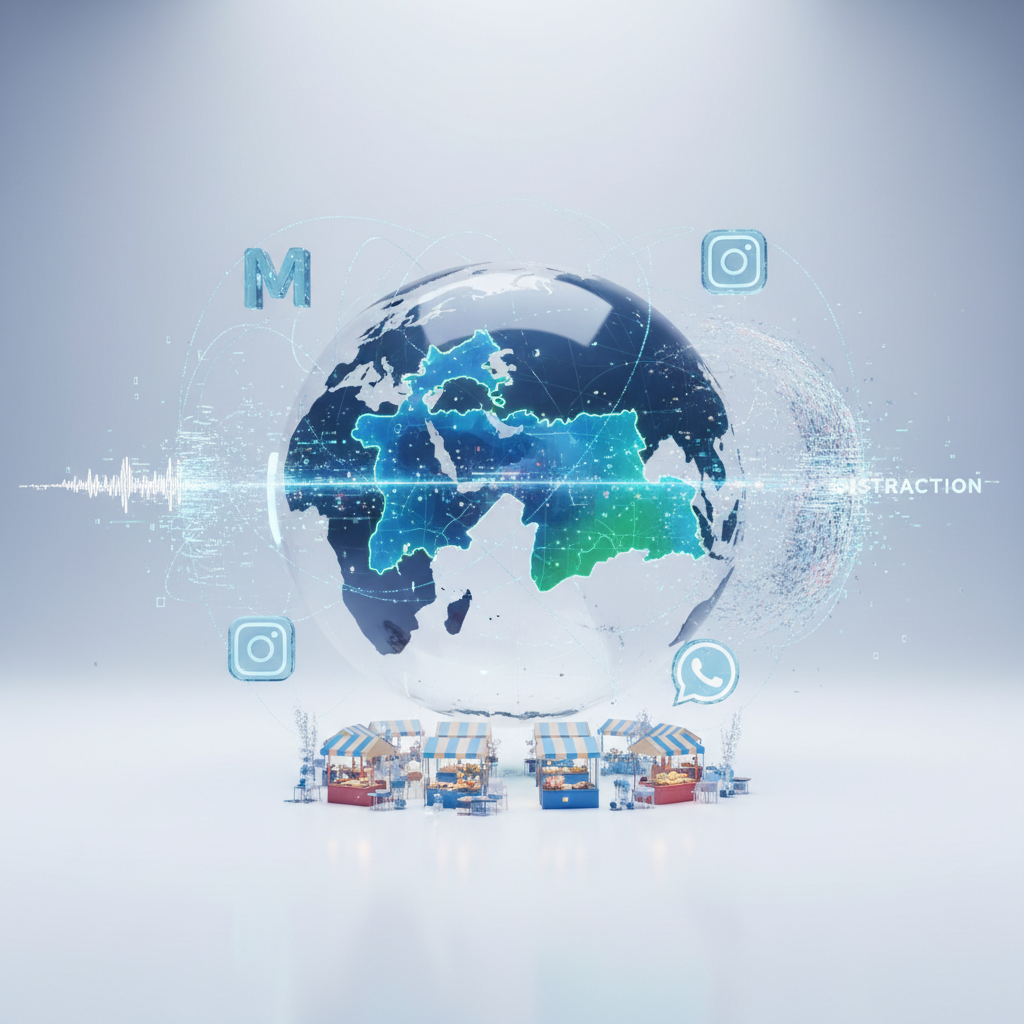
Thus, Haqiqat AI, meaning 'Haqiqat' meaning 'truth' in Dari, was born. Dr. Khan's vision was clear: to build an AI platform that prioritizes accuracy, cultural context, and verifiable data, specifically for regions where such resources are scarce and the consequences of error are dire. She assembled a small but dedicated team, a mix of local data scientists, linguists fluent in Dari and Pashto, and medical professionals. Their mission is to inoculate critical information streams against the insidious spread of AI-generated falsehoods.
The Problem They Are Solving: A Crisis of Trust and Truth
Mainstream AI models, such as those from OpenAI or Google's Gemini, are trained on vast datasets predominantly reflecting Western perspectives and information. When tasked with providing medical advice, legal interpretations, or even educational content in contexts far removed from their training data, these models frequently 'hallucinate,' generating plausible but entirely false information. In Afghanistan, where internet access can be unreliable and expert human resources are stretched thin, people often turn to readily available digital tools for answers. The consequences range from misinformed health decisions to the spread of dangerous misinformation, further destabilizing already fragile communities.