
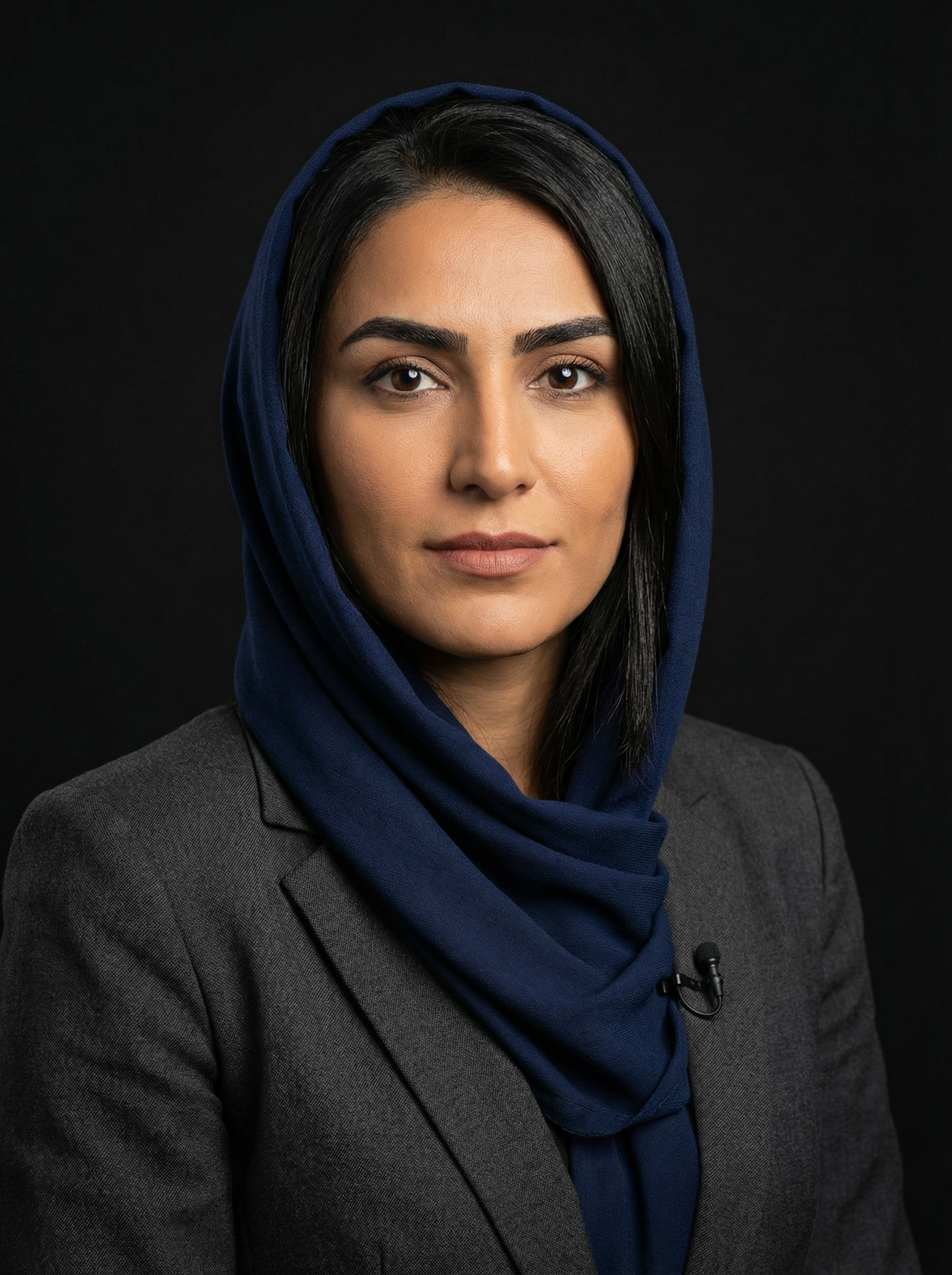
The global technology landscape often speaks in hushed tones of enterprise adoption rates, productivity gains, and return on investment. In the bustling digital corridors of New York or London, the integration of Microsoft Copilot across Office 365 is hailed as a transformative leap, an intelligent assistant poised to redefine work. Yet, from my vantage point in Kabul, these conversations, while important, feel distant, almost ethereal. Here, the very foundations of digital access remain a daily struggle, and the promise of AI, while captivating, must first contend with realities far removed from corporate quarterly reports.
Microsoft, under the astute leadership of Satya Nadella, has positioned Copilot as a ubiquitous AI companion, seamlessly woven into the fabric of Word, Excel, PowerPoint, Outlook, and Teams. The vision is clear: to augment human potential, automate mundane tasks, and unlock new levels of creativity and efficiency. Recent reports from major financial publications, including Bloomberg Technology, highlight an accelerating enterprise adoption curve in developed markets, with early adopters reporting significant time savings and improved document quality. Analysts project that by the end of 2026, over 40% of Fortune 500 companies will have deployed Copilot in some capacity, a testament to its perceived value.
However, behind every algorithm is a human story, and in Afghanistan, that story is complex, often challenging, and deeply rooted in a quest for basic human dignity. While multinational corporations celebrate a 15% increase in document drafting speed thanks to Copilot, many Afghan educators and small business owners are still grappling with intermittent internet access, unreliable electricity, and the prohibitive cost of licensed software. The very infrastructure required to leverage such advanced tools is, for many, a luxury.
I recently spoke with Dr. Zahra Ahmadi, a professor of computer science at Kabul University, a woman whose resilience and intellect shine even in the most trying circumstances. “The concept of an AI assistant like Copilot is revolutionary for education and administration,” she told me, her voice resonating with a quiet determination. “Imagine our students, if they had access, using it to refine their research papers, or our administrators managing complex records. But we must ask, revolutionary for whom? The digital divide here is not just a gap, it is a chasm. Before we speak of enterprise adoption, we must speak of equitable access to the internet, to devices, to basic digital literacy.” Dr. Ahmadi’s perspective underscores a critical truth: technology, no matter how advanced, cannot fulfill its promise if it remains inaccessible to those who could benefit most.
The global narrative around AI often overlooks regions where the challenges are not about optimizing existing workflows but about establishing any workflow at all. In Afghanistan, the few organizations and businesses that do possess the resources to consider tools like Copilot face additional hurdles. Data privacy and security, for instance, become paramount concerns in a landscape where digital infrastructure is vulnerable and trust is fragile. The cost of Microsoft 365 subscriptions, compounded by the premium for Copilot access, places it far beyond the reach of local non-governmental organizations or nascent startups struggling to survive.
Consider the example of the Afghan Women’s Digital Literacy Project, a small but impactful initiative I have followed closely. Their mission is to teach basic computer skills and internet usage to women in underserved communities. Their tools are often refurbished laptops, and their internet connection is shared among dozens. When I asked their founder, Ms. Laila Khan, about Copilot, she offered a poignant insight. “We are teaching women how to send an email, how to search for information online. The idea of an AI writing their reports seems like something from another planet,” she explained, a wry smile touching her lips. “Our focus is on empowerment through fundamental skills. This is about dignity, about giving women a voice and a means to connect. If Microsoft truly wants to make an impact here, they must consider how their innovations can be scaled down, made affordable, and adapted to our unique context, not just for large enterprises but for the grassroots.”
Indeed, the conversation around enterprise adoption rates, while crucial for Microsoft's market strategy, must be broadened to include the needs of developing nations. While companies like OpenAI and Google push the boundaries of large language models and generative AI, the practical application in places like Afghanistan requires a different lens. Technology should serve the most vulnerable, not just the most affluent. This means not only ensuring access to the underlying technology but also developing localized content, culturally relevant training, and pricing models that reflect economic realities.
There is a glimmer of hope, however. Organizations like the Aga Khan Development Network are exploring how AI tools, perhaps even simplified versions of Copilot’s capabilities, could assist in humanitarian efforts, from data analysis for disaster relief to streamlining communication in remote areas. Such initiatives, often in partnership with global tech giants, could pave the way for more inclusive AI adoption. “We are actively seeking ways to leverage AI for social good,” stated Mr. Karimullah Safi, a program manager for a local development agency. “Imagine an AI assistant that could translate complex medical documents into Dari or Pashto instantly, or help local businesses draft proposals for international grants. The potential is immense, but it requires a conscious effort from companies like Microsoft to tailor their offerings beyond the typical enterprise customer.”
The path forward is not simple. It demands a re-evaluation of what “enterprise adoption” truly means in a global context. It means moving beyond the Silicon Valley echo chamber and engaging with communities where the challenges are not just technological but existential. For Microsoft and other tech leaders, the question is not merely how many corporations will integrate Copilot, but how many lives it can genuinely improve, especially in regions like Afghanistan, where every tool, every piece of knowledge, every connection, holds the promise of a better future. The true measure of AI’s success will not be found solely in stock market valuations, but in its ability to uplift, empower, and include those who have historically been left behind. The world watches, and waits, for this more equitable vision to take shape. For further insights into the global AI landscape, one might consult TechCrunch for startup and industry news. While the topic of Microsoft Copilot's integration across Office 365 and its enterprise adoption rates is not directly covered in the article, the broader implications of AI in developing nations are often discussed in pieces such as Beyond the Trillion Dollar Hype: Can NVIDIA's AI Bridge Myanmar's Digital Divide, Mr. Huang? [blocked], which explores similar themes of digital equity and access.