
The air in Harare always hums with a certain energy, a blend of resilience and relentless innovation. You feel it in the bustling markets, hear it in the vibrant music, and increasingly, you see it in the quiet determination of our young tech minds. For too long, we in Africa have been consumers of technology, not creators. But that narrative, my friends, is changing, and it's changing fast, especially when it comes to artificial intelligence.
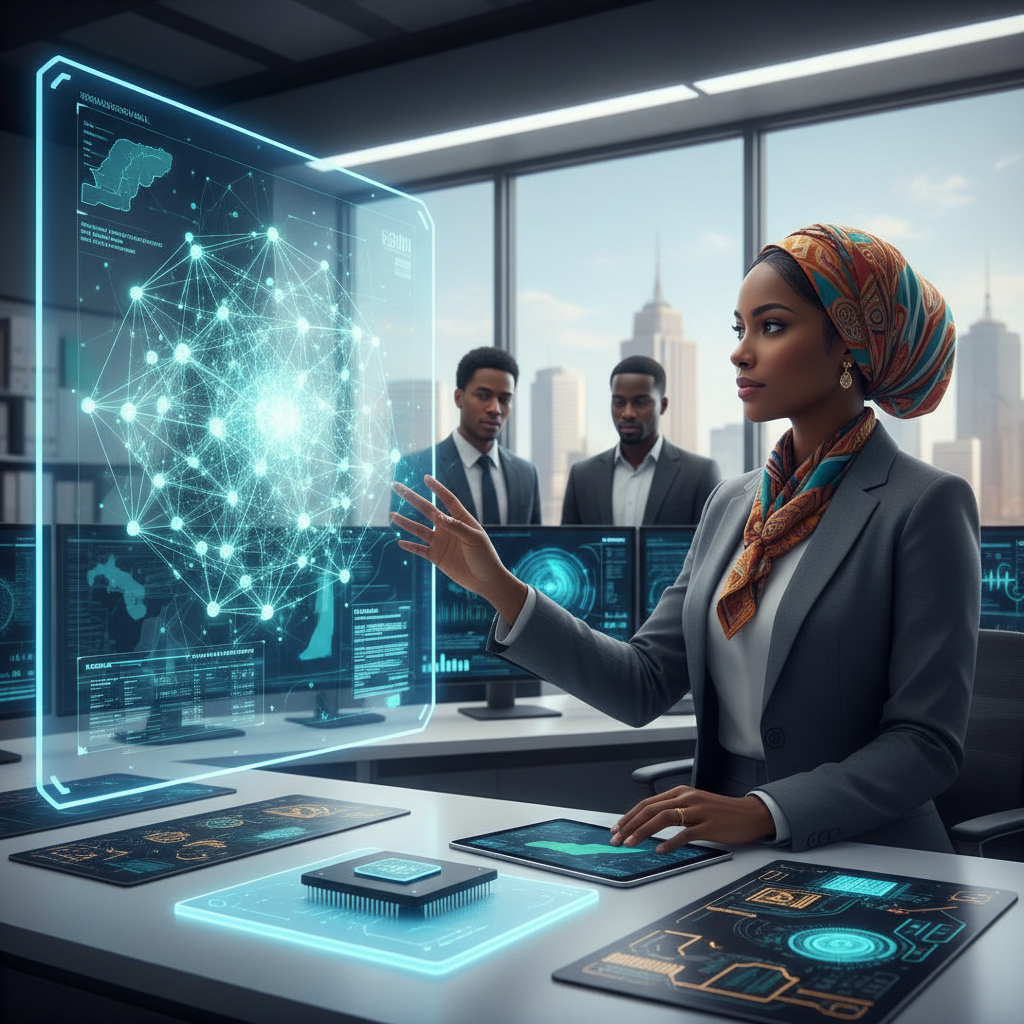
Today, everyone is talking about 'Sovereign AI'. It sounds fancy, doesn't it? Like something out of a spy novel. But strip away the jargon, and what you have is a profound shift: nations are waking up to the idea that their digital future cannot be entirely outsourced. They are realizing that relying solely on models trained on Western data, reflecting Western biases, and controlled by foreign entities, is not just suboptimal; it's a strategic vulnerability. This isn't just about having an AI model; it's about owning the very brains of our digital future.
Think about it. If all the powerful AI models, the ones that will soon run everything from our healthcare systems to our agricultural planning, are developed and controlled by companies thousands of miles away, what does that mean for our data? For our cultural nuances? For our very sovereignty? It means we're building our future on someone else's foundation, and that, to me, feels like building a beautiful Shona sculpture on sand. It won't stand the test of time.
This isn't a uniquely Zimbabwean or even African concern, mind you. From Europe to Asia, governments are pouring billions into developing their own large language models and AI infrastructure. France's Mistral AI, for example, recently secured a hefty funding round, reportedly valuing it at over $6 billion, with a clear mandate to offer a European alternative to OpenAI's GPT or Google's Gemini. The European Union has been vocal about its desire for digital autonomy, and sovereign AI is a huge part of that vision. They want models trained on European languages and cultural contexts, governed by European laws, not just whatever Silicon Valley decides is best. It's a matter of national pride, yes, but more importantly, it's a matter of national security and economic resilience.
In our own backyard, the conversation is gaining momentum. I recently spoke with Dr. Nqobizitha Dube, a prominent Zimbabwean AI researcher based at the National University of Science and Technology in Bulawayo. He put it plainly,