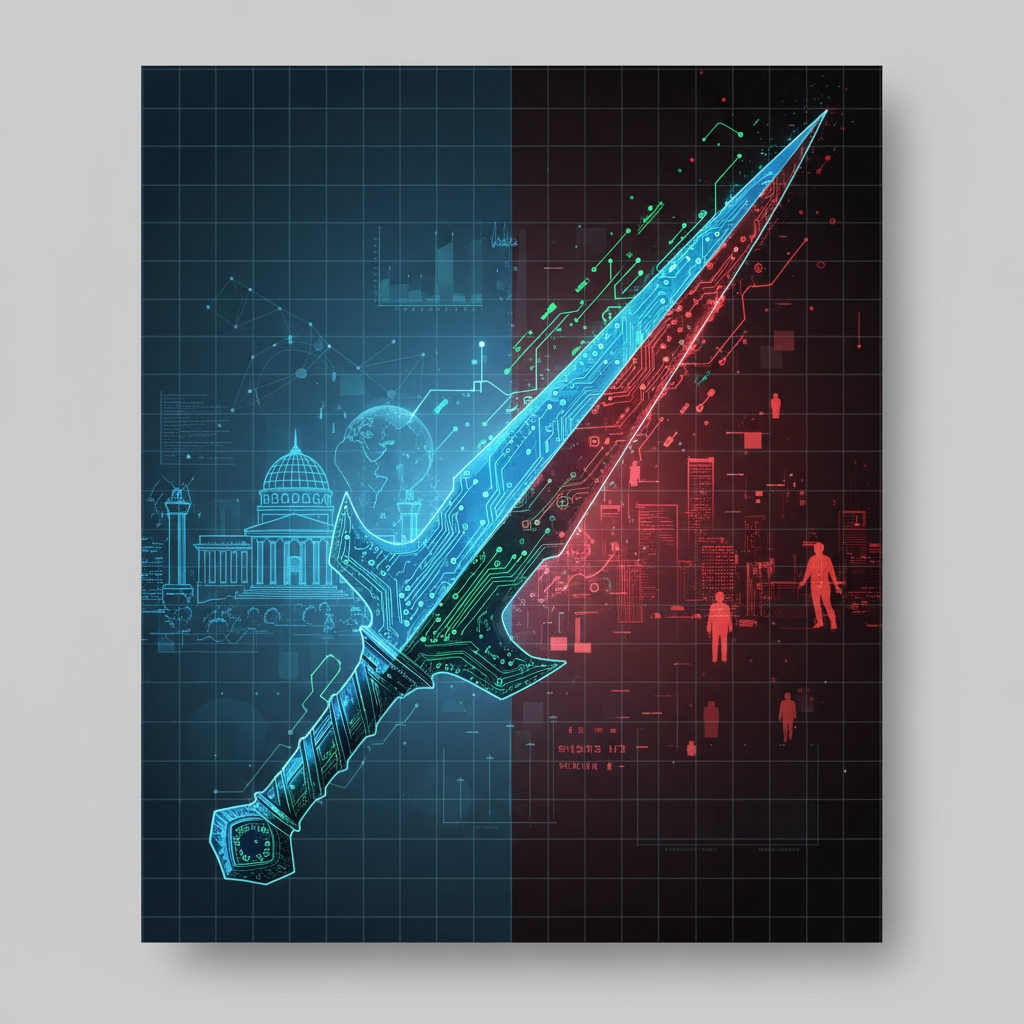

Chắc chắn rồi, my friends, the future is not just coming, it is already here, humming with the electric energy of artificial intelligence! And here in Vietnam, from the bustling streets of Ho Chi Minh City to the serene rice paddies, we are not just watching this revolution unfold; we are very much a part of it. Today, I want to talk about something truly fascinating, something that touches the very soul of creativity and commerce: who owns what an AI creates? It is a question that is sparking debates in boardrooms and art studios alike, and trust me, the answers will reshape our world in the next 5 to 10 years.
Imagine this future, just five years from now, in April 2031. Nguyễn Thị Lan, a brilliant young artist in Hanoi, uploads a prompt to her personal AI assistant, 'Sáng Tạo' (Vietnamese for 'Creativity'). Sáng Tạo, powered by a localized version of a large model like Google's Gemini, instantly generates a stunning áo dài design, blending traditional Đông Sơn patterns with futuristic holographic elements. Lan then uses this design to create a digital collection, which sells out in minutes on a global metaverse platform. Now, here is the million-dollar question: who owns the copyright to that áo dài? Is it Lan, the prompt engineer? Is it the developers of Sáng Tạo, or Google, the original model creator? Or perhaps, is it Sáng Tạo itself, recognized as a co-creator under a new legal framework?
This is not science fiction, my friends. This is the very real scenario we are hurtling towards. The traditional intellectual property laws, built for a world of human creators, are straining under the weight of generative AI. We are seeing a surge in AI-generated content, from captivating short films to intricate architectural blueprints. The sheer volume and speed of creation are mind-boggling. According to a recent report from TechCrunch, investments in generative AI startups surged by over 400% in 2025 alone, indicating the explosive growth of this sector.
So, how do we get there from today? The journey is complex, but the path is becoming clearer. Right now, many jurisdictions default to human authorship, meaning the person who 'prompts' the AI is often considered the author. However, this is a temporary fix. As AI models become more autonomous and their creative contributions more significant, this stance becomes untenable. We are already seeing legal challenges emerging globally. Just last year, a prominent case involving an AI-generated novel in the US saw the court grapple with the definition of 'author' in the digital age. This push and pull will continue, forcing governments to act.
Key Milestones on the Horizon:
-
2027: The First AI-Specific Copyright Legislation: I predict that by 2027, a major economic bloc, perhaps the European Union or a forward-thinking Asian nation like South Korea, will pass the first comprehensive legislation specifically addressing AI-generated intellectual property. This will likely introduce a tiered system, distinguishing between AI-assisted human creativity and purely AI-driven output. It might even propose a new category of 'AI-derived works' with a shorter protection period or a different ownership structure.
-
2028: The Rise of AI 'Co-Authorship' Agreements: Large AI developers like OpenAI, Anthropic, and Google will start offering explicit 'co-authorship' or 'licensing' agreements for commercial use of their models' output. This means if you use Gemini to create a marketing campaign, you might pay a royalty not just for the model's usage, but also a small percentage of the revenue generated by the AI-created content. This will be a significant revenue stream for these tech giants, and a new cost for businesses.
-
2029: Vietnam's 'Digital Artisan' Framework: This is where Vietnam, my beloved country, truly shines. I believe our government, known for its pragmatic approach and rapid adoption of technology, will introduce a pioneering 'Digital Artisan' framework. This framework will recognize the unique blend of human intent and AI execution, perhaps granting a special class of intellectual property rights that acknowledges both the human prompt engineer and the AI system's contribution. It will be a testament to our ability to blend tradition with innovation, much like our vibrant street food scene that constantly reinvents itself. This startup just changed the game for many local artists.
-
2030: Blockchain for Provenance and Attribution: The sheer volume of AI-generated content will necessitate robust systems for tracking provenance. Blockchain technology will become indispensable. Every AI-generated asset, from a song to a piece of code, will carry an immutable digital signature detailing its creation lineage: who prompted it, which AI model was used, and when. Companies like NVIDIA, with their focus on secure AI infrastructure, will play a huge role in developing these standards. This will be crucial for enforcing copyright and ensuring fair compensation.
Who Wins and Who Loses?
This transformation will create new winners and losers. The winners will be:
- Prompt Engineers and AI Artists: Those who master the art of communicating with AI, guiding its creative output, will become highly sought-after. Their ability to articulate vision and refine AI suggestions will be invaluable.
- AI Model Developers: Companies like OpenAI, Google, and Meta will gain immense power and wealth as their models become the bedrock of creative industries. Their licensing fees and co-authorship agreements will be significant.
- Legal Tech Firms: New legal platforms specializing in AI intellectual property, leveraging AI itself to track usage and enforce rights, will emerge as vital players.
- Vietnam's Creative Economy: With a clear, progressive framework, Vietnam could become a global hub for AI-assisted creative industries, attracting talent and investment. Ho Chi Minh City never sleeps, especially its coders, and they are ready for this challenge.
However, there will also be losers:
- Traditional Artists and Creators (initially): Those who resist adapting to AI tools or whose work is easily replicated by AI at a fraction of the cost may struggle to compete. They will need to find new niches or integrate AI into their workflows.
- Legacy IP Law Firms: Firms unwilling to specialize in AI IP will find themselves increasingly irrelevant as the legal landscape shifts dramatically.
- Content Mills and Low-Value Creation: Tasks that involve repetitive or formulaic content creation will be almost entirely automated, displacing many workers.
What Readers Should Do Now:
My advice to you, my dear readers, is to embrace this change, not fear it. Start experimenting with generative AI tools today. Understand their capabilities and limitations. If you are a creator, think about how AI can augment your creativity, not replace it. If you are a business leader, begin formulating your internal policies for AI-generated content and consult with legal experts who are tracking these developments. According to MIT Technology Review, proactive engagement with AI ethics and legal frameworks is crucial for future business success.
For policymakers, the time to act is now. Vietnam is the dark horse of AI, and we have a unique opportunity to lead by example, crafting intellectual property laws that are fair, forward-looking, and foster innovation. We need to protect human creativity while also recognizing the incredible potential of our AI partners. We must strike a balance that encourages innovation without stifling human ingenuity, ensuring that the fruits of this new creative era benefit all of humanity, not just a select few. The future of creation is being written right now, and I, Ngo Thi Huừngé, am so excited to see the beautiful, complex story unfold.