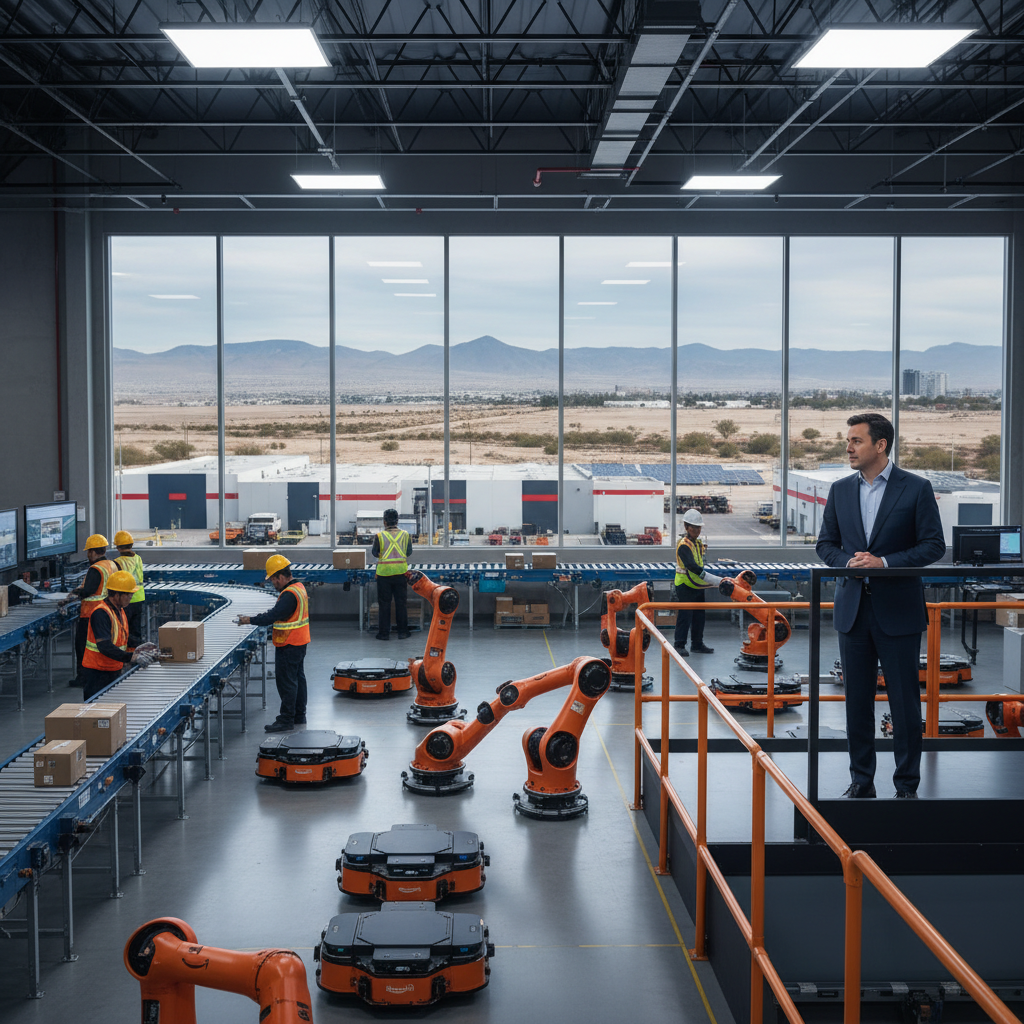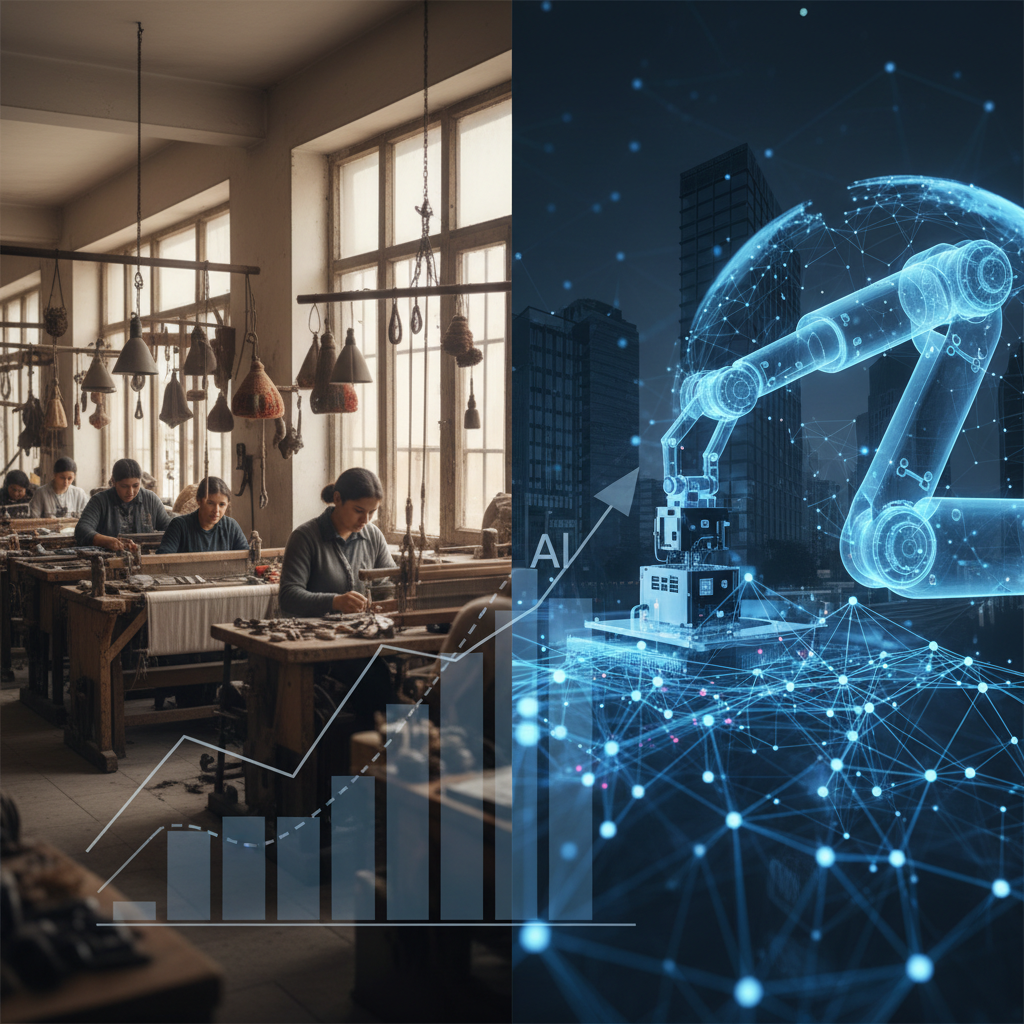

The rhythmic clang of metal on metal, the hum of machinery, and the scent of lubricants are familiar companions in the industrial zones outside Dushanbe. For decades, these sounds have defined production here, a testament to human effort and traditional methods. Yet, a new, quieter force is beginning to assert itself: artificial intelligence. It is not the flashy, headline-grabbing AI of Silicon Valley, but a pragmatic, purpose-built intelligence aimed at solving real-world manufacturing challenges in a nation often overlooked by global tech narratives.
I recently visited a textile factory in the Sughd region, a facility that, until recently, relied on decades-old equipment and manual inspection. Today, optical sensors linked to a machine learning system scrutinize fabric for defects with an accuracy that human eyes cannot match over long shifts. This is not a futuristic vision; it is happening now. The reality in Central Asia is different from the headlines, and here, AI is not a luxury, it is a tool for survival and competitiveness.
According to a 2024 report by the World Bank, industrial output in Tajikistan has seen modest but consistent growth, averaging around 7% annually over the past five years. However, productivity per worker remains significantly lower than in developed economies. This is where AI, particularly in manufacturing applications like predictive maintenance, quality control, and the nascent concept of smart factories, offers a compelling proposition. These technologies promise to optimize operations, reduce waste, and improve product quality, all crucial for an economy seeking to diversify beyond raw materials.
Data from a recent survey by the Tajik Ministry of Industry and New Technologies, conducted in late 2025, indicates that approximately 12% of large manufacturing enterprises in Tajikistan have begun piloting AI solutions. This figure, while seemingly small, represents a significant shift from negligible adoption just three years prior. The primary drivers are clear: a desire to reduce operational costs and enhance product consistency for export markets. For instance, a cement plant near Khujand implemented a predictive maintenance system for its rotary kilns, reportedly reducing unscheduled downtime by 20% in its first year, translating to substantial savings in repair costs and lost production.
Predictive maintenance, often powered by machine learning algorithms analyzing sensor data from machinery, allows companies to anticipate equipment failures before they occur. This proactive approach minimizes costly breakdowns and extends the lifespan of critical assets. For factories operating with aging infrastructure, as many do in Tajikistan, this technology offers a lifeline. "Our machinery is robust, but not new," explained Mr. Rustam Safarov, Director of Operations at a major aluminum processing plant in Tursunzoda. "Previously, we relied on scheduled maintenance, which often meant replacing parts too early or too late. With the new system, we are replacing components precisely when needed, saving both time and materials. It is a game changer for our bottom line." This sentiment echoes a broader trend; a 2025 analysis by McKinsey Global Institute suggested that predictive maintenance alone could reduce maintenance costs by 10-40% across various industries globally, a figure that resonates strongly in cost-sensitive markets like ours.
Quality control is another area where AI is making tangible inroads. Traditional manual inspection methods are prone to human error, especially during repetitive tasks. Computer vision systems, trained on vast datasets of acceptable and defective products, can perform inspections with higher speed and accuracy. In the aforementioned textile factory, for example, the AI system now identifies subtle weaving flaws that previously might have gone unnoticed, leading to improved product grades and fewer rejected batches. This directly impacts their ability to meet stringent international quality standards, opening doors to more lucrative export opportunities.
However, the path to widespread adoption is not without its challenges. The initial investment in AI hardware and software, coupled with the need for specialized technical expertise, presents a significant barrier for many smaller and medium-sized enterprises. Furthermore, the digital infrastructure, particularly reliable high-speed internet connectivity outside major urban centers, remains a work in progress. "We recognize the potential of these technologies," stated Dr. Firuza Karimova, a leading economist at the National Academy of Sciences of Tajikistan. "However, for many of our local businesses, the immediate concern is often access to stable electricity and basic digital literacy, not advanced algorithms. We must build the foundation first." Her perspective highlights a crucial point: Tajikistan's challenges require Tajik solutions, which often means adapting global technologies to local realities rather than simply importing them wholesale.
Worker perspectives also vary. In factories where AI has been implemented, there is often an initial apprehension about job displacement. However, many early adopters report a shift in roles rather than outright elimination. Employees previously engaged in repetitive inspection tasks are being retrained for roles in data monitoring, system oversight, or more complex assembly work. "I used to spend my entire day looking for tiny defects," shared Ms. Gulchehra Saidova, a veteran quality inspector at the textile plant. "Now, the machine does the tedious work, and I manage the system, analyze reports, and troubleshoot. My job feels more valuable, more engaging." This transformation underscores a critical aspect of AI adoption: it is not just about technology, but about human capital development.
Looking ahead, the concept of 'smart factories', fully integrated production environments where AI orchestrates everything from supply chain logistics to robotic assembly, remains largely aspirational for most of Tajikistan. Yet, modular adoption of AI components is paving the way. Companies like Siemens and Rockwell Automation, while not having a massive direct presence, are seeing their industrial automation solutions, often incorporating AI capabilities, gradually implemented through local integrators. These integrations are typically focused on specific pain points rather than wholesale overhauls. For example, a food processing plant might use AI to optimize ingredient mixing ratios or monitor fermentation processes, significantly reducing waste and improving consistency.
The government, through initiatives like the 'Digital Tajikistan 2030' strategy, is actively promoting digital transformation, including support for industrial AI. Subsidies for technology acquisition and training programs for skilled labor are slowly emerging. This institutional backing is vital, as the journey from traditional manufacturing to AI-augmented production is a long one, requiring sustained effort and investment. As I observe the quiet hum of the new AI-driven systems in operation, it is clear that while the global tech giants like Google and Microsoft are pushing the boundaries of generative AI, the true impact for many nations like Tajikistan will be found in the practical, data-driven applications that enhance efficiency and competitiveness in fundamental industries. Let's talk about what actually works, and for Tajikistan's manufacturing sector, that is increasingly becoming the intelligent augmentation of existing processes, step by careful step. The future of industry here will not be a sudden revolution, but a thoughtful evolution, guided by pragmatic innovation and a clear understanding of local needs and capabilities. For more insights into how AI is shaping industries globally, consider resources like MIT Technology Review. The journey is complex, but the destination, a more productive and resilient economy, is well worth the effort. For further reading on enterprise AI trends, TechCrunch offers frequent updates. The transformation is not just about machines; it is about empowering people and processes to achieve more with less. This is the essence of progress in our corner of the world.