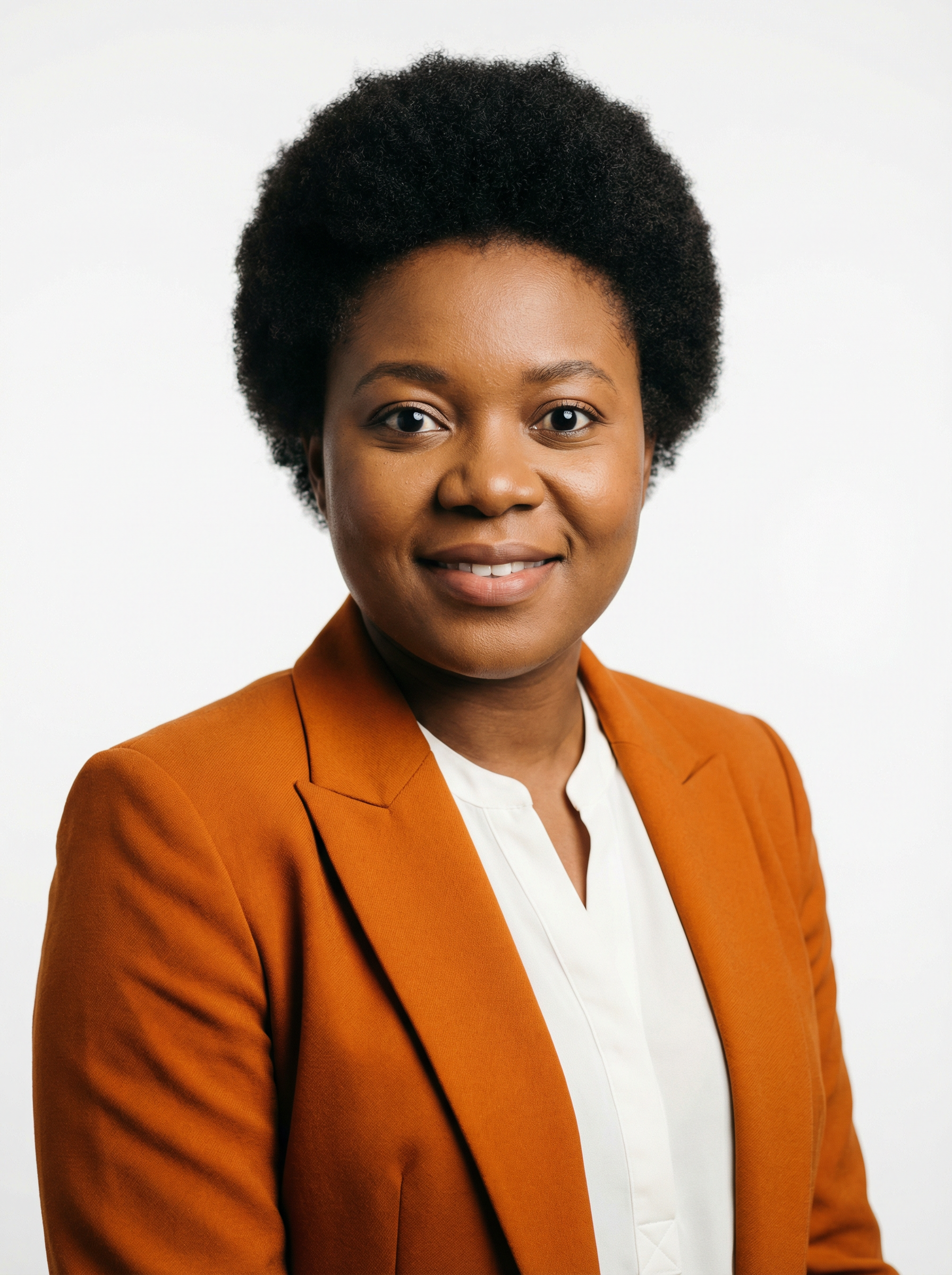
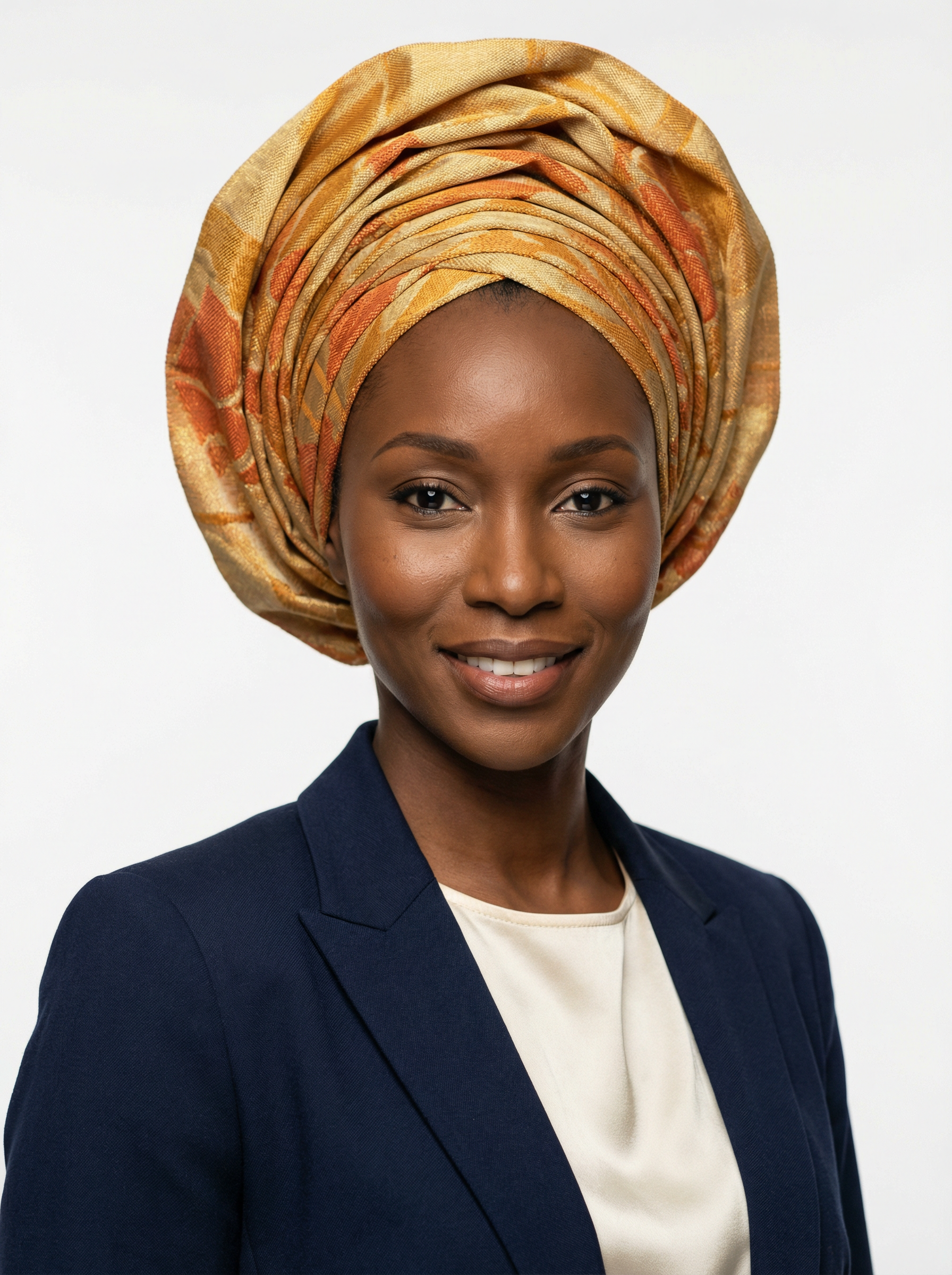
The sun was just beginning to dip below the horizon, painting the Dakar sky in hues of orange and purple, a sight that always reminds me of the vibrant patterns of our local fabrics. I was sitting in a bustling café, the aroma of café Touba filling the air, waiting for Dr. Aïcha Diop. When she arrived, her smile was as bright as the setting sun, her eyes full of a quiet determination. Dr. Diop is not your typical tech CEO; she carries the wisdom of a griot, but her vision reaches beyond our earthly bounds, into the cosmos itself.
Her company, Teranga Space, is making waves in the highly competitive arena of AI in space exploration. While giants like SpaceX and NASA dominate headlines with Mars missions, Teranga Space is carving out its niche by focusing on the unsung heroes of space: satellites. They are using advanced AI to optimize satellite operations, extend their lifespans, and, crucially, manage the growing problem of space debris. "Nit nitay garabam, people are the remedy for people," she told me, a Wolof proverb that perfectly encapsulates her philosophy, even when applied to machines orbiting hundreds of kilometers above us.
The Company Today: A Glimpse into the Future
Imagine a control room, not in Houston or Silicon Valley, but right here in Dakar, buzzing with activity. That is the heart of Teranga Space. Their AI systems, named after constellations visible from the Southern Hemisphere, are constantly analyzing telemetry data from hundreds of satellites. These aren't just any satellites; they belong to a diverse clientele, from global telecommunication providers like Intelsat to climate monitoring agencies and even aspiring space nations in Africa. Their proprietary AI, 'Sirius,' predicts potential malfunctions with astonishing accuracy, sometimes days or weeks before human operators would detect them. This predictive maintenance extends satellite operational life by an average of 15-20%, a significant saving for any client.
The Origin Story: From Earth Observation to Orbit Optimization
Dr. Diop's journey began not in aerospace engineering, but in environmental science. After earning her PhD from the University Cheikh Anta Diop in Dakar and working with the MIT Technology Review on remote sensing projects, she saw a glaring inefficiency. "We were using satellite data to track desertification and illegal fishing, but the satellites themselves were often underutilized or failed prematurely," she explained. "It was like having a powerful tam-tam drum, but only playing a few notes." She realized the real problem wasn't just collecting data, but managing the complex, expensive assets that collected it.
In 2018, with a small team of engineers and data scientists, she founded Teranga Space. Their early focus was on Earth observation satellites, applying machine learning to optimize their imaging schedules and power consumption. Their breakthrough came in 2020 when they secured a Series A funding round of $15 million, led by Andreessen Horowitz, with participation from local Senegalese investors like the Teyliom Group. This allowed them to expand their R&D into orbital mechanics and predictive analytics for satellite longevity.
The Business Model: Making Space Sustainable
Teranga Space operates on a Software-as-a-Service (SaaS) model, offering tiered subscriptions for their AI-powered satellite management platform. Their core offerings include:
- Predictive Maintenance: Using AI to anticipate and prevent satellite failures, reducing costly downtime and extending operational life.
- Orbital Optimization: AI algorithms fine-tune satellite trajectories, minimizing fuel consumption and avoiding potential collisions, especially crucial in increasingly crowded low-Earth orbit.
- Space Debris Mitigation: A growing concern, their AI identifies and tracks debris, helping clients plan maneuvers to avoid impacts and even suggesting optimal de-orbiting strategies for end-of-life satellites.
Their annual revenue run rate currently sits at an impressive $120 million, with a projected 35% growth for the current fiscal year. They boast over 200 employees across their main offices in Dakar, San Francisco, London, and Tokyo, a testament to their global reach and diverse talent pool. Key customers include European Space Agency (ESA) for debris tracking, OneWeb for constellation management, and even Google's Project Loon (before its pivot) for optimizing stratospheric balloon operations. "Their eyes lit up when they told me about the impact their AI had on reducing fuel costs for a major geostationary satellite operator," Dr. Diop recalled, a flicker of pride in her own eyes.
Competitive Landscape: Navigating the Cosmos
The space tech sector is booming, with competitors ranging from established aerospace giants like Lockheed Martin and Boeing, who are developing their own in-house AI capabilities, to nimble startups like LeoLabs, which specializes in space situational awareness. Teranga Space differentiates itself through its deep specialization in AI-driven predictive maintenance and orbital optimization, offering a more holistic and proactive approach than many rivals. "While others focus on tracking, we focus on preventing and optimizing," explained Mamadou Fall, Teranga Space's Chief Technology Officer, whom I spoke with via video call from their San Francisco office. "Our algorithms are trained on a unique, vast dataset of satellite operational histories, giving us an edge."
Their Series B funding of $50 million came from Sequoia Capital and a consortium of African sovereign wealth funds, followed by a Series C of $100 million from SoftBank Vision Fund, validating their unique position in the market.
The Team and Culture: A Family of Stargazers
Dr. Diop's management style is often described as teranga, the Senegalese concept of hospitality and warmth. She fosters a collaborative environment where ideas are encouraged, and failures are seen as learning opportunities. "We are a family, a ndaje of minds, working towards a common goal," she said. This philosophy has attracted top talent globally, including Dr. Lena Khan, a renowned astrophysicist from NASA's Jet Propulsion Laboratory, who joined as Head of Research last year. "Coming to Teranga Space felt like coming home," Dr. Khan shared. "The blend of cutting-edge AI with a truly human-centered mission is rare and inspiring."
However, scaling a global company from a base in West Africa comes with its own set of challenges. Navigating different regulatory environments, ensuring robust internet infrastructure, and attracting specialized talent to Dakar are ongoing efforts. "Sometimes, the biggest challenge isn't the code, but the logistics," Dr. Diop admitted with a wry smile. "But we believe in building capacity here, in Senegal, proving that innovation knows no geographical bounds."
Challenges and Controversies: The Shadow of the Stars
Despite its successes, Teranga Space faces scrutiny. The increasing militarization of space means that any technology optimizing satellite operations could potentially be misused. Dr. Diop is acutely aware of this. "We have a strict ethical framework," she asserted. "Our AI is designed for peaceful, sustainable space utilization. We do not engage with clients involved in offensive space capabilities." This stance has, at times, meant turning down lucrative contracts, a decision that has sparked internal debates about growth versus ethics.
Furthermore, the sheer volume of data required to train their advanced AI models raises privacy and data sovereignty concerns, particularly for clients in sensitive sectors. Teranga Space addresses this by implementing robust encryption and data anonymization protocols, and by offering on-premise solutions for clients with stringent data security requirements.
The Bull Case and The Bear Case: What the Analysts Say
Industry analysts are largely bullish on Teranga Space. "Their focus on satellite longevity and debris mitigation positions them perfectly for the next decade of space expansion," commented Dr. Benjamin Carter, a senior analyst at SpaceTech Insights. "As more mega-constellations like Starlink and Kuiper launch, the need for efficient, AI-driven management will only skyrocket. Teranga Space is well ahead of the curve." He projects their revenue could exceed $500 million within five years, citing their strong intellectual property and diverse customer base.
However, the bear case highlights the intense competition and the high capital expenditure required for continuous R&D in space tech. "The barrier to entry for truly innovative solutions is incredibly high," warned Ms. Chloe Dubois, an independent aerospace consultant. "While Teranga Space has a strong lead, a major player like Google or Amazon could pivot their AI resources and quickly catch up, potentially commoditizing some of Teranga's core offerings." The regulatory landscape for space debris is also evolving, and new international treaties could impact their business model.
What's Next: Reaching for New Horizons
Teranga Space is not resting on its laurels. Their next big project involves using AI to design more resilient and autonomous satellites, capable of self-repair and adaptive mission planning. They are also exploring partnerships with universities in Senegal and across Africa to build a pipeline of local talent, ensuring that the benefits of this space revolution are felt right here on Earth. This is a story about people, not algorithms, about how human ingenuity, guided by a deep sense of responsibility, can push the boundaries of what is possible.
As I left the café, the stars were beginning to pepper the now-dark sky, each one a distant reminder of the vastness that Dr. Diop and her team are helping us navigate. It made me think of another Wolof saying, "Ku bëgg xam fu dëgg nekk, seetal sa bopp, if you want to know where truth lies, look within yourself." For Teranga Space, the truth of their success lies not just in their technology, but in the human spirit that drives them to make space a more accessible and sustainable frontier for all. Their journey reminds us that the future of space exploration is not just about rockets and robots; it is about the dreams and determination of people, wherever they may call home. For more insights into the evolving space economy, you can check out Bloomberg Technology.