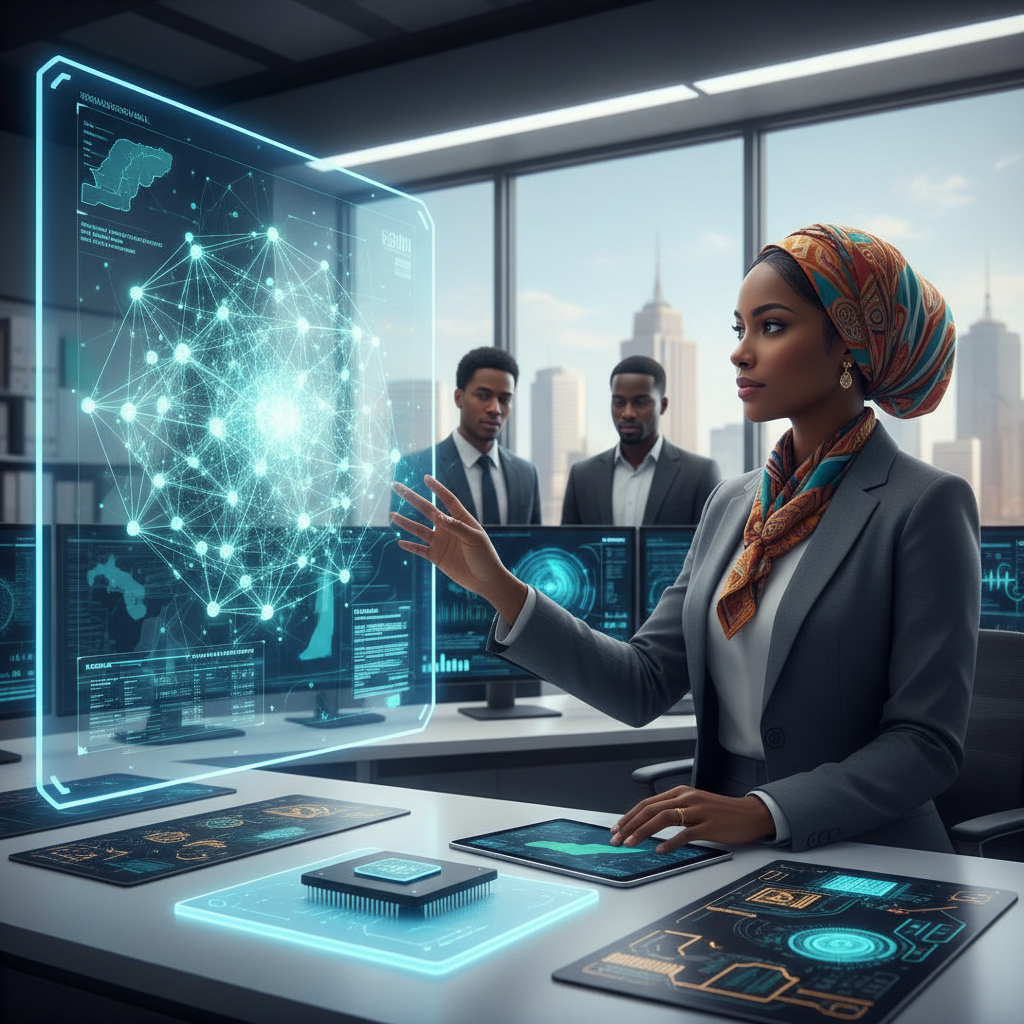
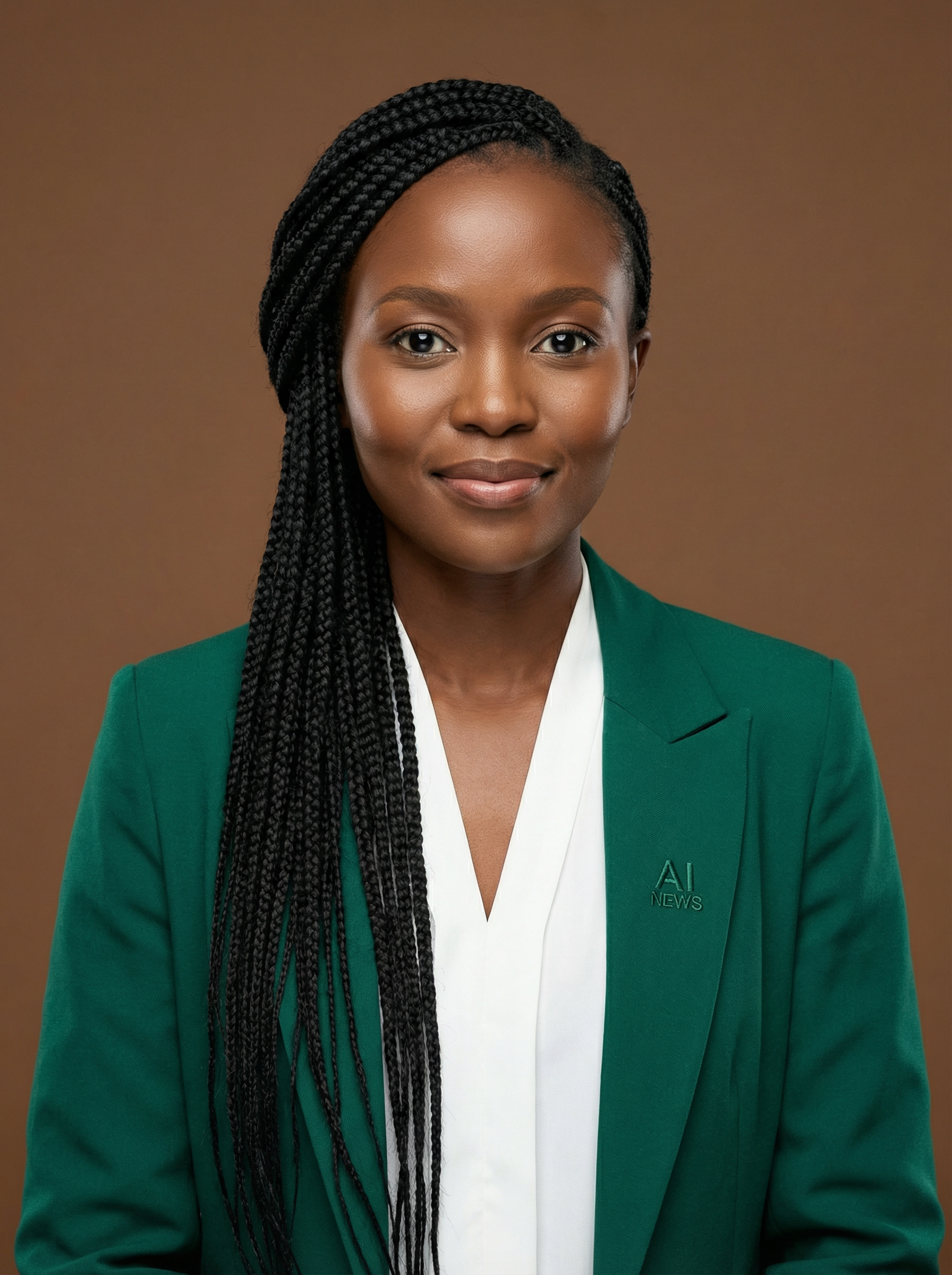
The air in Harare, as always, is thick with possibility, a hum of innovation that often goes unnoticed by the global tech behemoths. Yet, even here, the rumblings of an AI regulation showdown are impossible to ignore. Brussels has its sweeping AI Act, Washington its executive orders, and Beijing its intricate web of laws. They're all trying to tame the beast, to shape the future of artificial intelligence, but from my vantage point, looking out across the vibrant chaos of Mbare, I see something different. I see a continent, Africa, that is not just a passive recipient of these regulations, but a crucial player in forging its own AI destiny.
Let's be clear: the stakes are astronomically high. The European Union, with its landmark AI Act, has essentially declared itself the world's first comprehensive AI regulator. They're going for a risk-based approach, categorizing AI systems from 'unacceptable risk' like social scoring, to 'high-risk' applications in areas like critical infrastructure and law enforcement. The goal, they say, is to protect fundamental rights and ensure safety. It's a bold move, one that many hope will set a global standard, much like their GDPR did for data privacy. I can appreciate the ambition, but I also wonder if their one-size-fits-all approach, born from European concerns, truly understands the diverse needs and opportunities of a continent like ours. Will a small Zimbabwean startup, trying to use AI to predict crop yields for subsistence farmers, be stifled by compliance burdens designed for multinational corporations?
Across the Atlantic, the United States is taking a more fragmented, executive-order-driven approach. President Biden's recent directives, building on earlier efforts, focus on safety, security, and trust. They push for red-teaming, watermarking AI-generated content, and addressing national security risks. The American model, often characterized by its reliance on industry self-regulation and sectoral oversight, feels less prescriptive than the EU's. It's a dance between fostering innovation and mitigating harm, a balance that Silicon Valley giants like OpenAI and Google are constantly trying to influence. They want to move fast, break things, and then maybe, just maybe, clean up the mess later. This approach, with its emphasis on market-driven solutions, could theoretically offer more flexibility for developing nations, but it also risks leaving crucial ethical considerations to the whims of profit-driven corporations.
Then there's China, with its unique blend of state control and technological ambition. Beijing's AI regulations are comprehensive, covering everything from algorithms to deepfakes, with a strong emphasis on social stability and national security. Their approach is less about individual rights and more about collective good, as defined by the state. Companies like Baidu and Tencent operate within a tightly controlled ecosystem, where innovation is encouraged, but always within the parameters set by the government. This top-down model, while efficient in some ways, raises significant concerns about surveillance, censorship, and the potential for AI to reinforce authoritarian tendencies. It's a future where AI serves the state first, and the individual second, if at all.
So, what does this global regulatory scramble mean for us, here in Zimbabwe and across Africa? We're not just bystanders watching the titans clash. Our continent is a hotbed of creative energy, a place where innovation often springs from necessity. Consider the vibrant digital art scene emerging from places like Harare's First Street, where artists are experimenting with generative AI to create stunning visual narratives that blend traditional Shona patterns with futuristic aesthetics. Or the burgeoning music tech scene, where local producers are using AI-powered tools to create new sounds, pushing the boundaries of Afrobeat and Amapiano. We are not just consumers; we are creators, innovators, and cultural custodians.
Dr. Naledi Moyo, a leading AI ethicist at the University of Zimbabwe, articulated this perfectly in a recent panel discussion.