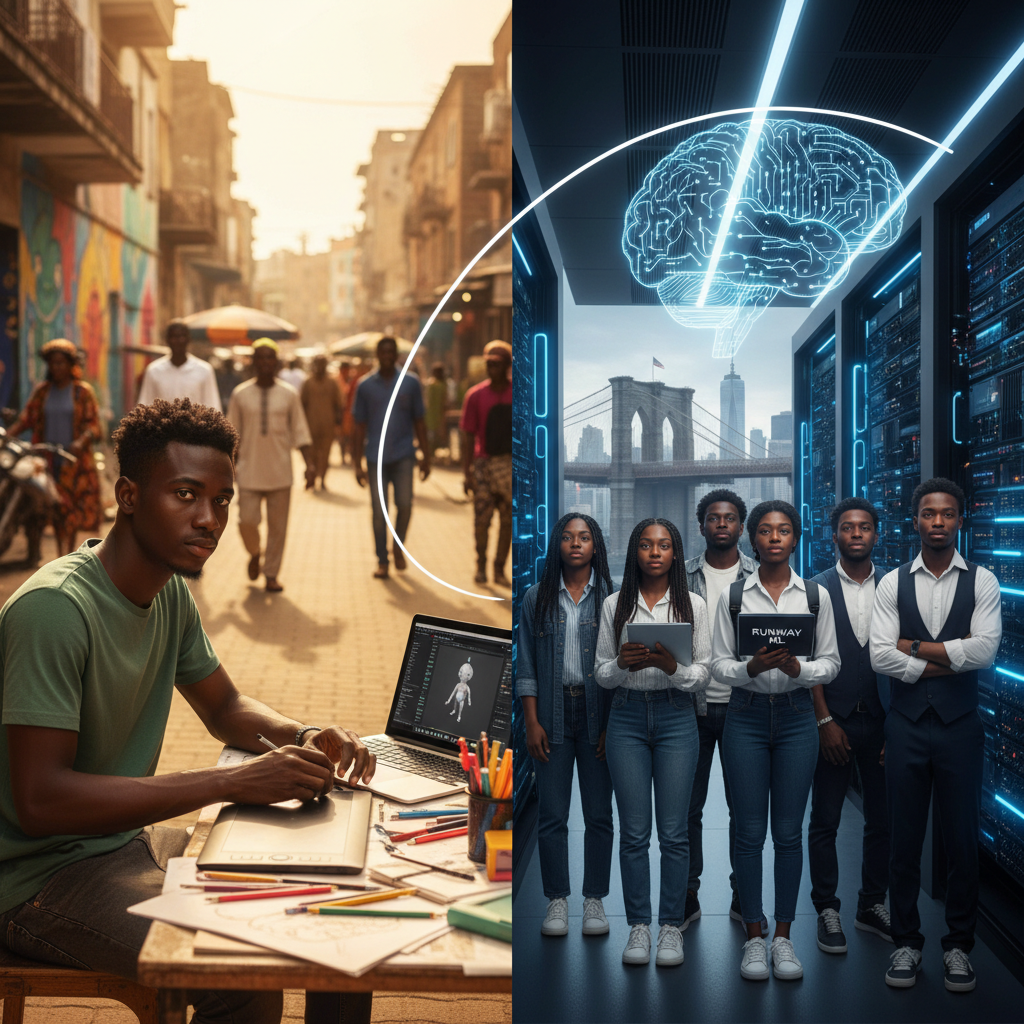
The flickering lights of Hollywood, once a distant dream for many African filmmakers, now seem both closer and more complex, thanks to the relentless march of artificial intelligence. At the heart of this transformation lies Runway ML, a company that began its journey far from the glitz of Los Angeles, in the gritty, innovative ecosystem of Brooklyn. Its evolution from a promising startup to an essential tool in major studio pipelines is a narrative of technological triumph, yet for nations like Senegal, it presents a dual challenge: immense opportunity coupled with the looming specter of digital dependency.
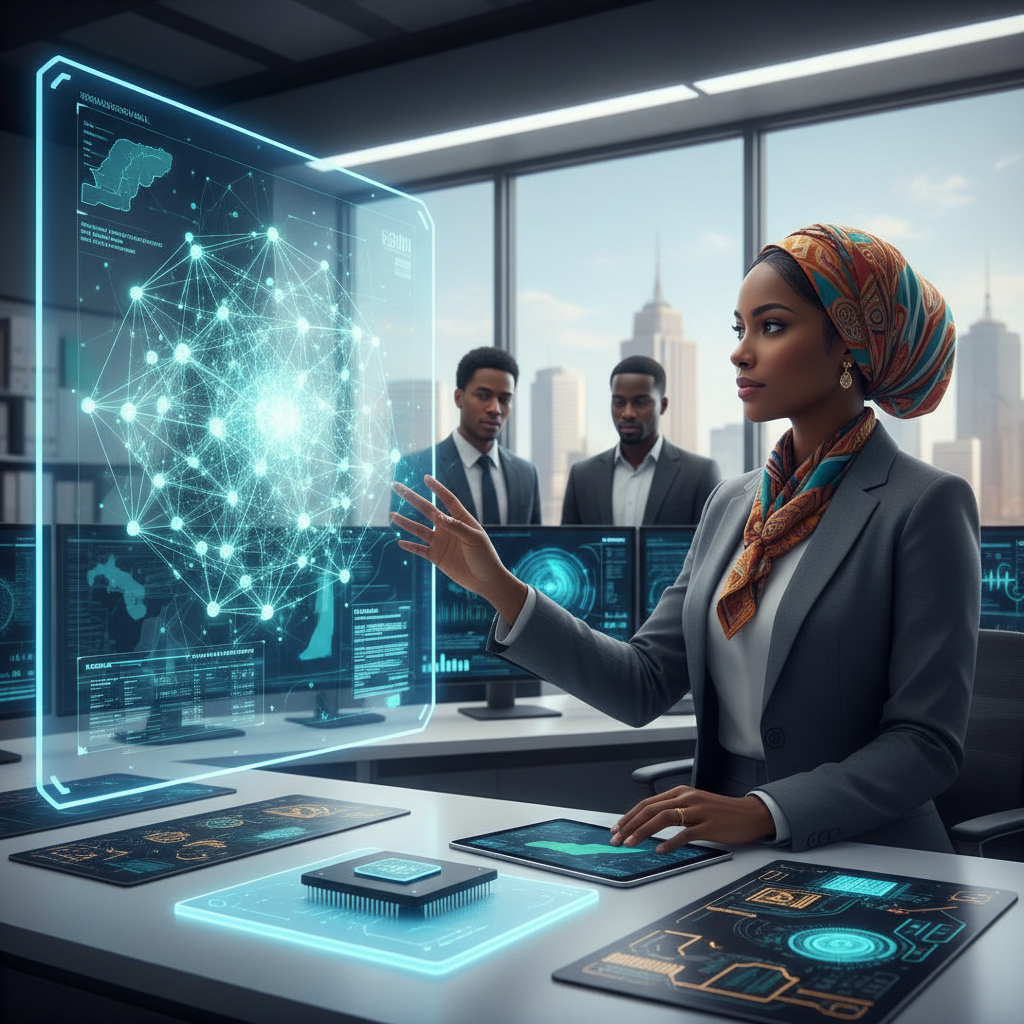
My investigations into the burgeoning AI landscape across Africa consistently reveal a pattern: external innovation often dictates internal adoption, and the terms of engagement are rarely set on our continent. Runway ML, with its suite of generative AI tools for video editing, visual effects, and content creation, has democratized access to capabilities once reserved for high-budget productions. This is not merely an incremental improvement; it is a paradigm shift. Films that once required months of post-production and armies of VFX artists can now see their visions realized in a fraction of the time and cost, sometimes by a single creative with a powerful laptop and an internet connection. This efficiency is intoxicating, particularly for emerging markets where resources are often constrained.
Consider the burgeoning animation scene in Senegal, a sector ripe with talent but often hampered by financial limitations and access to cutting-edge software. Studios in Dakar, like Pictoon or Karoninka, have long grappled with the high barriers to entry in global content creation. The promise of Runway ML is that it could empower these studios to compete on a more level playing field, allowing them to produce high-quality visual content without the prohibitive overheads. "We have stories to tell, rich narratives rooted in our culture and history," explains Fatou Sow, a lead animator at a small Dakar studio. "Tools like Runway ML could be a game-changer, allowing us to focus on the artistry rather than the technical bottlenecks. It means our epics, our folklore, can finally reach a global audience with the visual polish they deserve." Her sentiment echoes across the continent, a hopeful whisper against the roar of global tech giants.
However, the narrative is not entirely one of unbridled optimism. The rapid adoption of such powerful, proprietary tools also raises uncomfortable questions about digital sovereignty and the potential for a new form of technological colonialism. As Runway ML embeds itself deeper into the global creative infrastructure, what happens when African creators become entirely reliant on platforms whose algorithms are trained on datasets predominantly reflecting Western aesthetics and narratives? My sources tell me that this is a growing concern among policymakers in the Ministry of Culture and Communication here in Senegal. There is a palpable tension between embracing innovation and safeguarding cultural integrity.
The documents reveal that major Hollywood studios, including those behind recent blockbuster franchises, have significantly integrated Runway ML into their workflows. Reports from industry publications like TechCrunch frequently highlight how these tools are accelerating production schedules and reducing costs, leading to a surge in AI-assisted content. This trend is undeniable. For instance, a recent analysis by a leading film industry consultancy estimated that AI tools, with Runway ML often cited as a primary example, contributed to a 15% reduction in post-production budgets for certain film categories in 2025, a figure projected to rise further in 2026. This financial incentive is a powerful driver of adoption.
Yet, the cost of this efficiency for African nations extends beyond mere subscription fees. It includes the potential for skill atrophy in traditional animation and VFX techniques, as well as the risk of losing unique artistic voices to the homogenizing influence of algorithms. "We must be vigilant," states Professor Ousmane Diallo, a digital ethics researcher at Cheikh Anta Diop University in Dakar. "While these tools offer incredible power, we must ensure they serve our creative vision, not dictate it. Training our own AI models on African art, music, and storytelling is paramount to preserving our cultural distinctiveness in this new digital age." Professor Diallo's words carry weight, reflecting a broader African concern about maintaining identity in a globalized, algorithm-driven world.
The geopolitical implications are also significant. As major tech players like Google, OpenAI, and Meta pour billions into generative AI research, the race to dominate this space is intensifying. Runway ML, while independent, operates within this larger ecosystem, often leveraging foundational models developed by these giants. This interconnectedness means that shifts in global AI policy, data governance, or even geopolitical tensions between major powers could have ripple effects on creative industries in Senegal and beyond. The ability to access and utilize these tools is not just a commercial matter; it is increasingly a matter of strategic national interest.
Furthermore, the sheer computational power required to run and develop advanced AI video models necessitates access to high-end infrastructure, primarily GPUs from companies like NVIDIA. For many African nations, this infrastructure remains a significant bottleneck. While initiatives like the Amazon's Bedrock Arrives in West Africa: Can Mali's Infrastructure Handle the AI Ambition? [blocked] article highlight efforts to bring cloud AI closer to the continent, the digital divide persists. Without robust, affordable internet and computing resources, the promise of Runway ML remains largely theoretical for many aspiring creators in rural Senegal, much like a beautiful griot's tale told to an empty village square.
Runway ML's journey from a Brooklyn startup to Hollywood's darling is a testament to the transformative power of AI. It has undeniably lowered the technical bar for high-quality video production, opening doors for countless creatives globally. However, for Senegal and other African nations, this technological leap demands careful navigation. It is not enough to simply adopt these tools; we must understand their underlying mechanics, critically assess their cultural implications, and strategically invest in our own digital infrastructure and AI research capabilities. Only then can we ensure that the stories of Africa, told by Africans, continue to resonate authentically in a world increasingly shaped by algorithms. This is just the tip of the iceberg, and the path forward requires both innovation and unwavering cultural self-determination.