
The morning sun was already beating down on Braamfontein, painting the graffiti art on the walls with a golden glow. Taxis zipped past, their hooters adding to the city's symphony, as young students spilled out of the University of the Witwatersrand gates, clutching their laptops and dreams. I saw a young woman, perhaps in her early twenties, sitting on a bench, her eyes glued to a screen, a half-eaten vetkoek beside her. She was coding, I could tell, her fingers flying across the keyboard, lost in a world of logic and algorithms. Her ambition, her drive, it reminded me of the immense, untapped potential bubbling across our continent.
This scene, so familiar in Johannesburg, is exactly what comes to mind when I hear news like Poolside AI's recent $500 million funding round. Half a billion dollars, just to build coding-specific foundation models. Let that sink in. This isn't just another Silicon Valley venture capital headline, my friends. This is a seismic shift, a tremor that will reverberate from the bustling tech hubs of Cape Town and Nairobi to the quiet, dusty villages where a single smartphone is a lifeline to the world. The question for us, for Africa, is how we will harness this power, and more importantly, who will truly benefit.
A Future Forged in Code: 2031 and Beyond
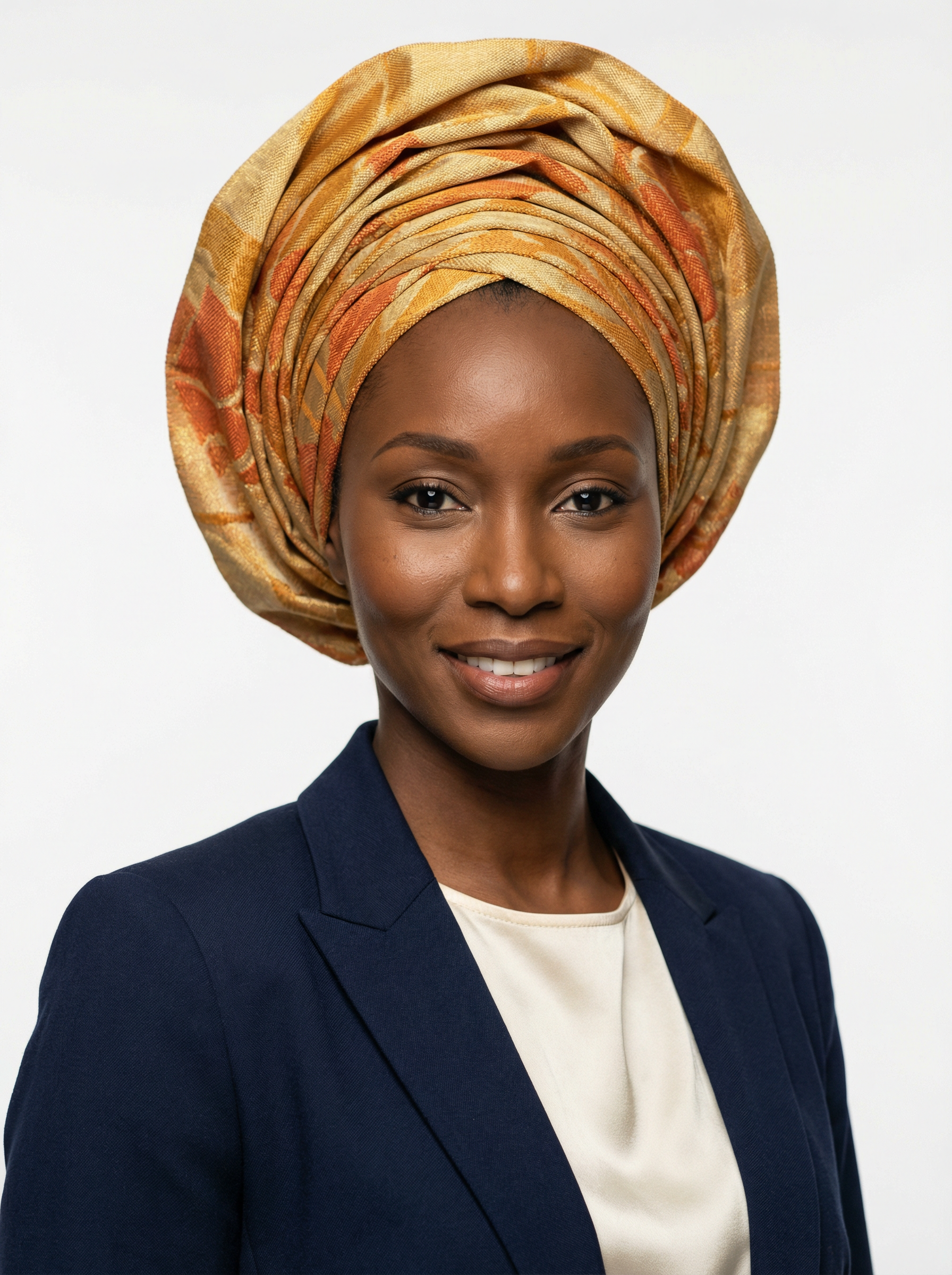
Imagine, if you will, April 2031. The young woman from Braamfontein, let's call her Thandi, is no longer a student. She's the CEO of a thriving software development firm based in Accra, Ghana, with satellite offices in Kigali and Johannesburg. Her company, 'Ubuntu Code Solutions,' specializes in building bespoke AI-powered applications for local businesses, from agricultural tech platforms that predict crop yields to fintech solutions that provide micro-loans to rural entrepreneurs.
Thandi's team, comprising developers from across the continent, doesn't spend weeks debugging complex code or wrestling with obscure programming languages. Instead, they leverage advanced AI coding assistants, powered by models like those pioneered by Poolside AI. These AI partners understand context, suggest optimal solutions, and even write entire modules of code based on high-level natural language prompts. A junior developer, with a solid understanding of logic and problem-solving, can now achieve the output of a senior engineer from a decade ago. This isn't about replacing humans, it's about augmenting them, democratizing access to high-level software development skills.
In this future, the digital divide, while not entirely eradicated, has significantly narrowed. The barrier to entry for creating sophisticated software has lowered dramatically. Small and medium enterprises (SMEs) in Africa, traditionally underserved by expensive, custom software, now have access to affordable, tailored solutions. Governments, too, benefit, with AI-assisted development of public services, from smart city infrastructure to efficient healthcare management systems. "The impact on our GDP alone has been staggering," says Dr. Naledi Mokoena, Director of Digital Transformation for the African Union, speaking from her office in Addis Ababa in my imagined 2031. "Our projections show a 15% increase in tech-driven economic growth across the continent, directly attributable to the widespread adoption of AI-assisted coding tools. It's like giving every aspiring builder a team of master craftsmen." MIT Technology Review has been tracking this trend, highlighting the potential for emerging economies.
How We Get There: Milestones and Momentum
Getting to Thandi's 2031 isn't a given. It requires deliberate action and strategic investment. Here's how I see the path unfolding over the next 5-10 years:
2026-2027: The Early Adopters and the Skill Gap. Poolside AI, along with competitors like Google's Gemini Code Assistant and Microsoft's Copilot, will refine their models. Initial adoption will be concentrated in established tech hubs. The key challenge will be training developers, particularly in Africa, not just to use these tools, but to understand the underlying logic and to prompt them effectively. Local bootcamps and universities will need to rapidly integrate AI-assisted coding into their curricula. "We're seeing a massive demand for 'AI prompt engineering for developers' courses," notes Professor Jabu Nkosi, Head of Computer Science at the University of Cape Town. "The skills needed are shifting from pure syntax mastery to architectural design and intelligent collaboration with AI systems."
2028-2029: Localization and Specialization. This is where Africa's unique needs come into play. Generic coding models won't cut it. We'll see African startups and research institutions, perhaps in partnership with global players, begin to fine-tune these foundation models with African datasets and use cases. Imagine models trained on Amharic, Zulu, or Swahili code comments, or optimized for developing mobile-first applications that can run on low-bandwidth networks. This is the moment where we move from being consumers of technology to co-creators. "The real power of these models will only be unlocked when they speak our languages, understand our contexts, and solve our problems," says Aisha Khan, founder of 'AfriCode AI,' a Nairobi-based startup focused on ethical AI development. "That means investing in local data sovereignty and model fine-tuning."
2030-2031: Widespread Impact and Ethical Governance. By this point, AI-assisted coding will be mainstream. The focus will shift to ensuring equitable access and preventing new forms of digital colonialism. Robust regulatory frameworks, perhaps inspired by the African Union's own AI strategy, will be crucial to ensure fairness, transparency, and accountability. This includes addressing issues of bias in the models, intellectual property rights for AI-generated code, and the responsible use of these powerful tools.
Who Wins and Who Loses?
Winners:
- African Developers: Empowered to build faster, innovate more, and compete on a global scale. The sheer volume of code that can be produced by a smaller team will be transformative.
- African Startups and SMEs: Lower development costs and faster time-to-market for innovative solutions tailored to local needs.
- Education and Training Institutions: Those that adapt quickly to integrate AI tools into their teaching will thrive, producing a new generation of highly skilled tech professionals.
- The Global Tech Ecosystem: A more diverse and innovative pool of developers and solutions will emerge, enriching the entire industry.
Losers (or those who need to adapt quickly):
- Developers Resistant to AI Adoption: Those who refuse to integrate AI tools into their workflow risk being left behind by more efficient peers.
- Traditional Software Development Firms: Companies that don't embrace AI-assisted coding will struggle to compete on speed and cost.
- Countries Without Digital Infrastructure: Nations lacking reliable internet access and affordable computing resources will find the digital divide widening further, unable to participate in this new coding paradigm. This is the thing nobody's talking about enough, the foundational infrastructure needed for true equity. The Verge has covered the global infrastructure challenges extensively.
What Readers Should Do Now
For those of us in Africa, and indeed for anyone who believes in a more equitable future, the time to act is now. Governments must prioritize digital infrastructure and invest in digital literacy programs that go beyond basic computer skills. Educational institutions need to overhaul their curricula to prepare students for a world where humans and AI collaborate intimately in the coding process. Entrepreneurs should explore how these new models can solve local problems, not just replicate Western solutions.
And for the global tech giants, for Poolside AI, for OpenAI, for Google, for Microsoft: remember Ubuntu. Remember that our humanity is intertwined. The immense power you are building must serve all of humanity, not just a privileged few. Invest in localized training, support open-source initiatives tailored for emerging markets, and collaborate with African researchers to ensure these models are built with our diverse contexts in mind. Because when Thandi from Braamfontein thrives, all of us, globally, are richer for it. This isn't just a tech story because it's a justice story, and the future of code, like the future of our world, depends on how we choose to write it together.
For more on the ethical implications of AI development, consider exploring recent discussions on AI ethics and bias [blocked].