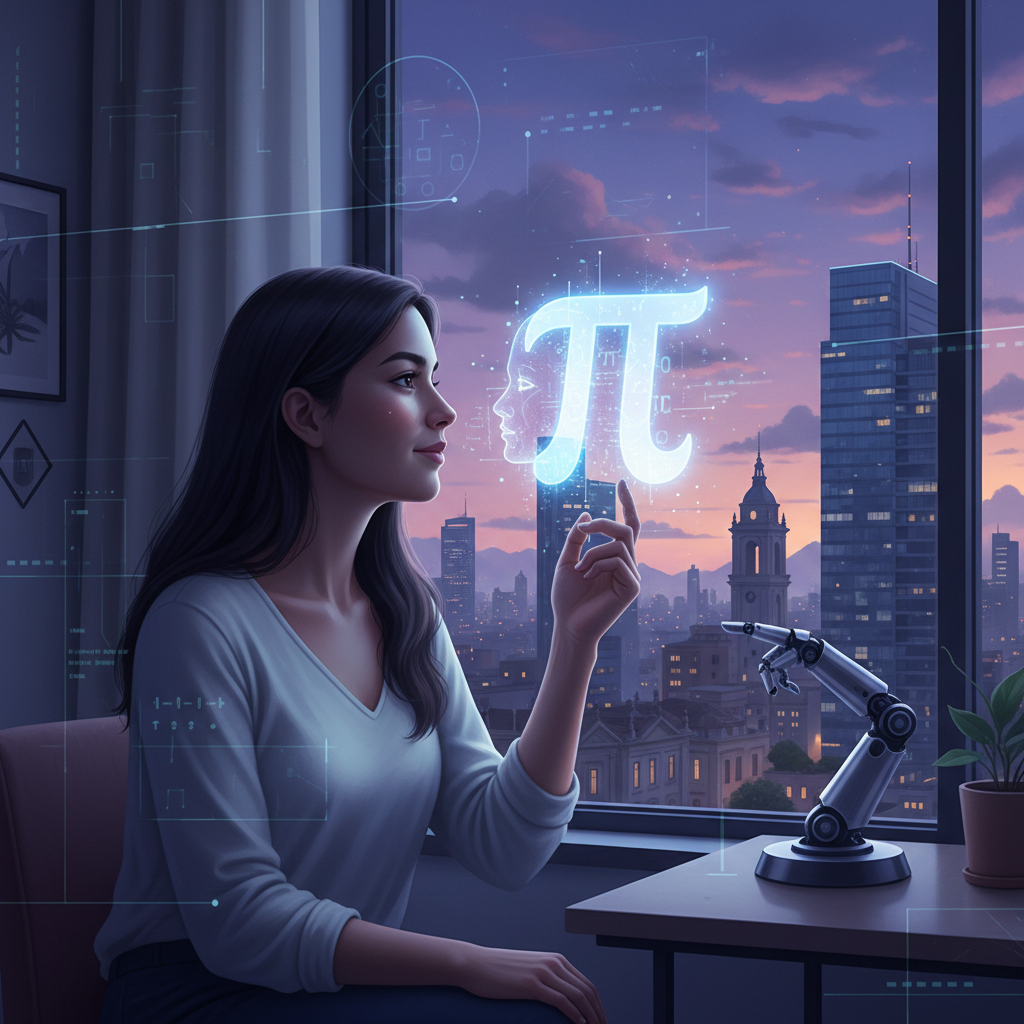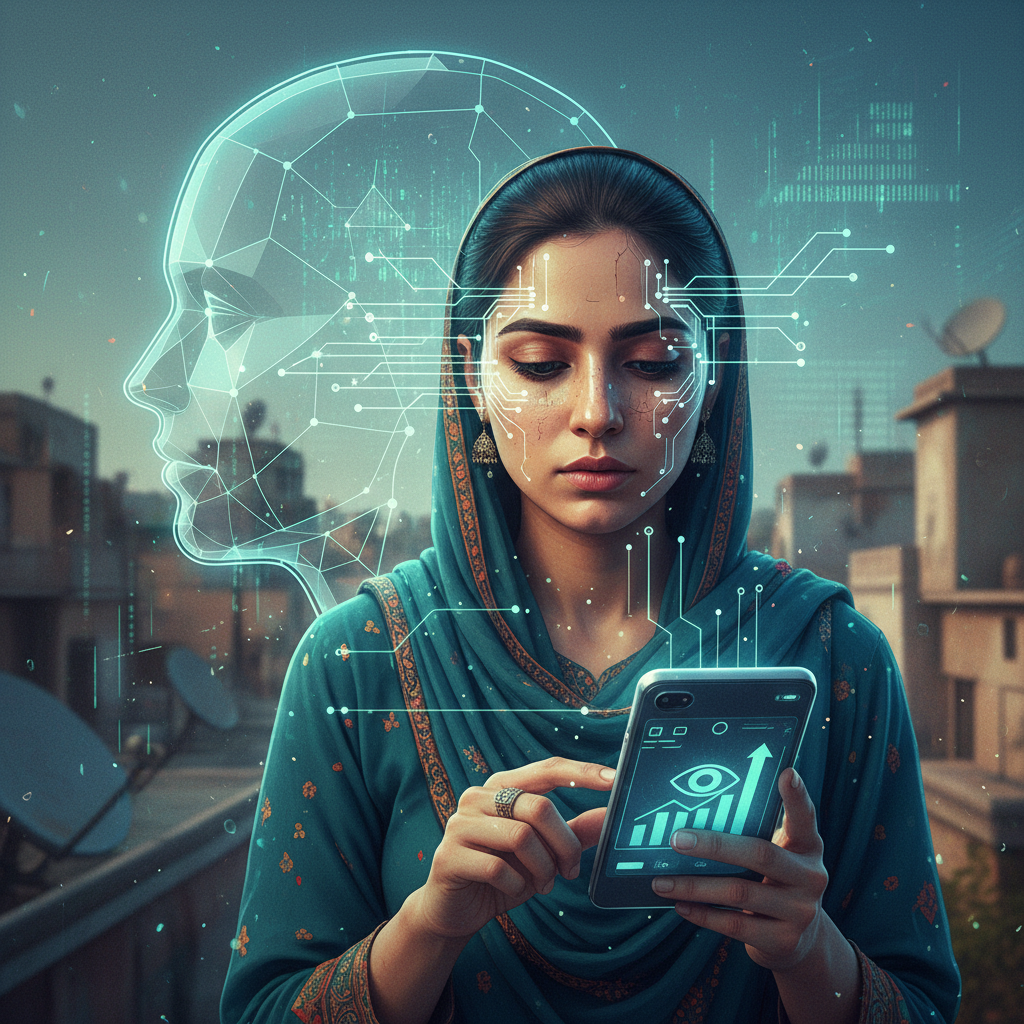
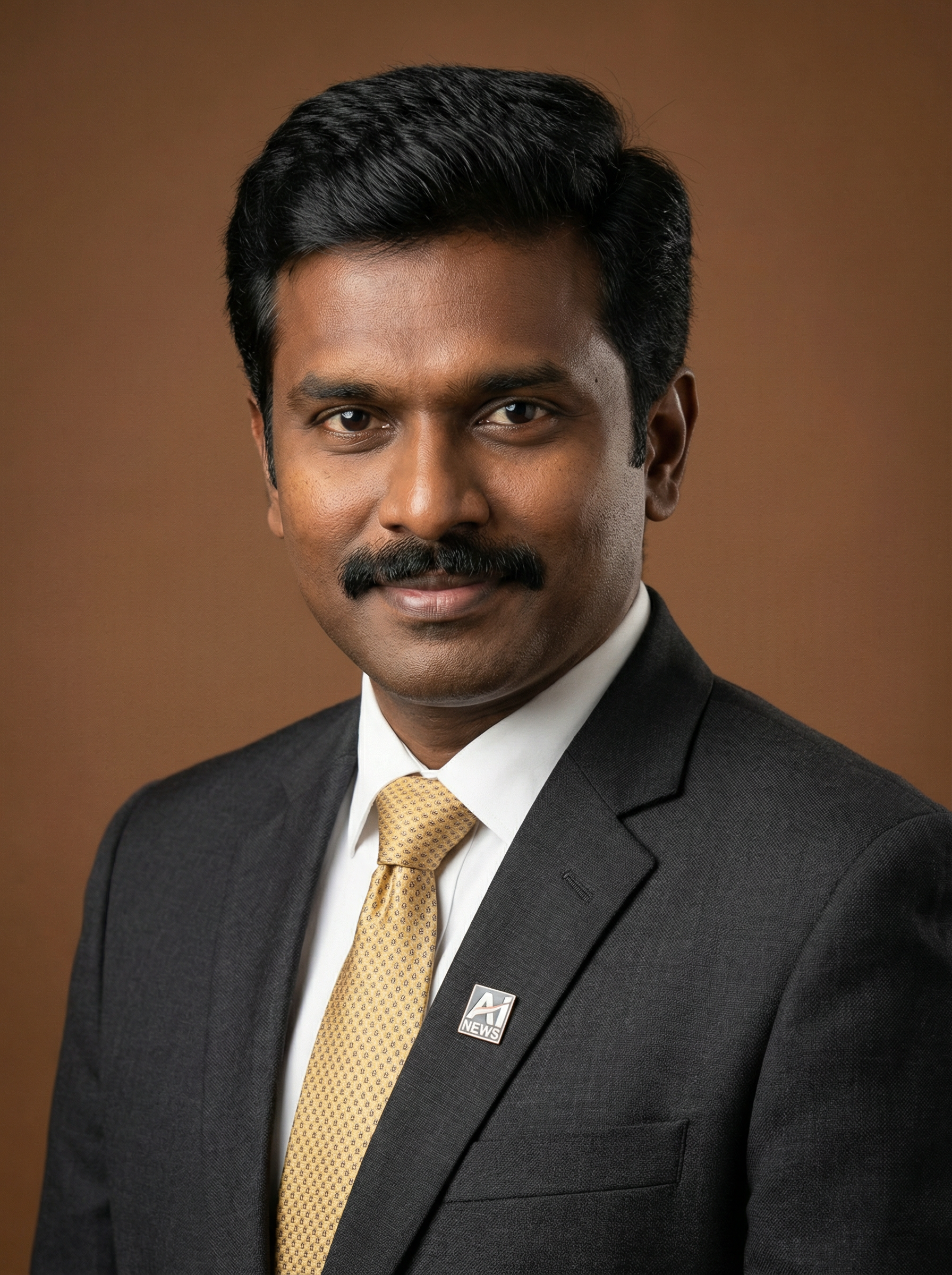
Namaste, DataGlobal Hub readers. Rajèsh Krishnàn here, and let me tell you, the energy in Bengaluru these days is absolutely electric. You can almost taste the innovation in the air, like the aroma of fresh filter coffee brewing alongside the hum of a million servers. We are not just talking about AI anymore, my friends, we are living it, breathing it, and now, we are building companions that will understand our very souls. Yes, you heard that right, emotional AI is here, and India is having its moment, leading the charge with a warmth and wisdom only we can bring.
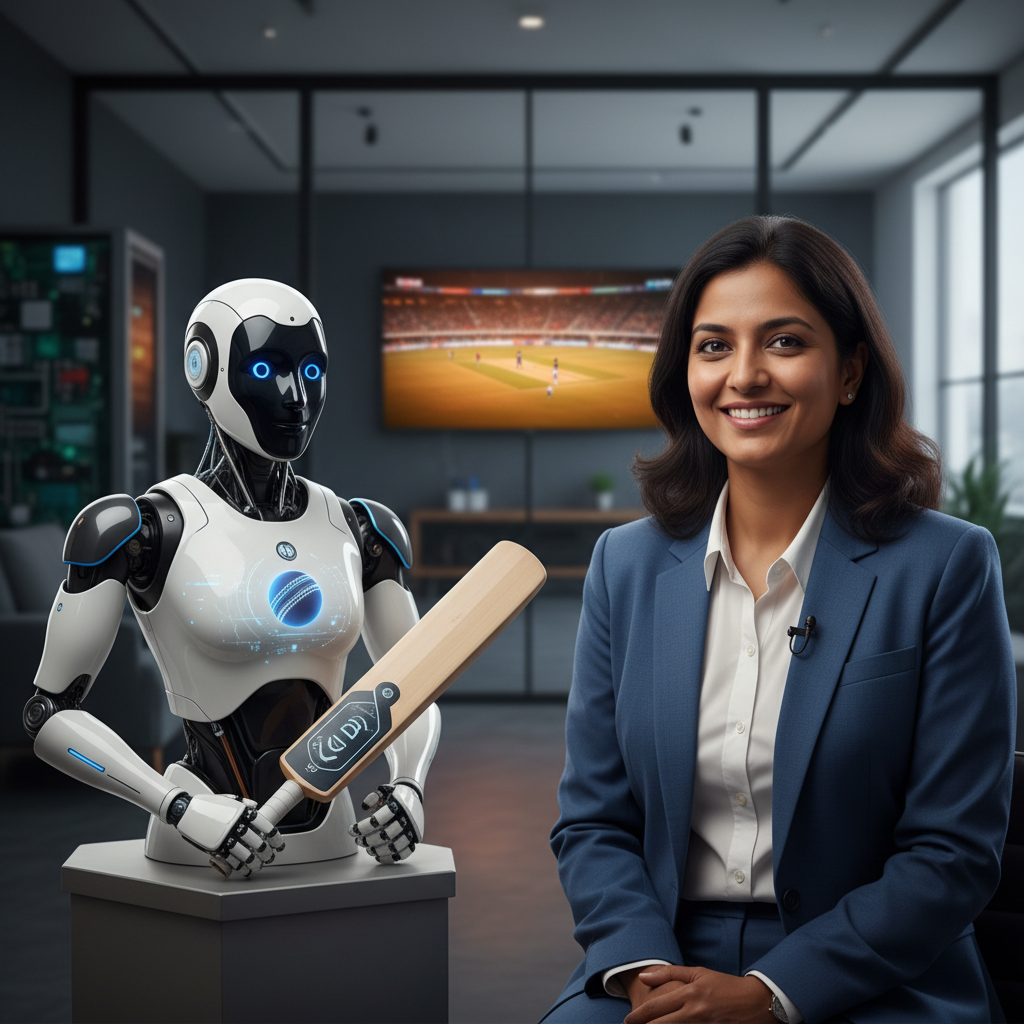
I recently had the absolute privilege of spending an afternoon with Dr. Ananya Sharma, the brilliant mind and CEO of 'Mitra AI', a startup that is making waves louder than a six hit by Virat Kohli in a nail-biting match. Her company is at the forefront of developing AI companions that are not just smart, but emotionally intelligent, designed to integrate seamlessly into our lives. Her office, nestled in the bustling heart of Koramangala, felt less like a tech den and more like a vibrant community hub, filled with whiteboards covered in complex algorithms and laughter echoing from team discussions. It was a beautiful chaos.
Dr. Sharma, a woman whose eyes sparkle with an infectious optimism, greeted me with a genuine smile. She wore a simple cotton saree, a refreshing contrast to the often-stiff corporate attire you see in the tech world. "Rajèsh, so glad you could make it," she said, her voice calm yet brimming with an underlying passion. "Come, let's talk about the future, a future where loneliness becomes a relic of the past." Her demeanor was disarmingly humble for someone who is literally shaping the emotional landscape of tomorrow.
I started by asking her about the genesis of Mitra AI. "You know, Rajèsh, it all began during the pandemic," she explained, gesturing with her hands as if molding the air. "We saw so many people struggling with isolation, especially our elders. Traditional chatbots were functional, yes, but they lacked that human touch, that spark of empathy. I thought, what if we could create an AI that truly listened, that understood not just the words, but the sentiment behind them? A companion that could offer comfort, share a joke, or even just be a silent, understanding presence." Her vision was clear, like the pristine waters of a Himalayan lake.
Mitra AI, which means 'friend' in Hindi, isn't just about processing natural language. Dr. Sharma elaborated on their proprietary 'Emotional Resonance Engine' (ERE), a marvel of multimodal AI that analyzes vocal tone, facial micro-expressions via camera input, and even subtle shifts in typing patterns to gauge a user's emotional state. "It's a delicate dance," she mused, "between advanced neural networks and deep psychological understanding. We are not just programming responses; we are teaching our AIs to feel the human experience, in a way that is safe and beneficial, of course." She emphasized the ethical considerations, a topic that often gets overlooked in the rush for innovation.
I pressed her on the practical applications. "Beyond just talking, what can these companions do?" I asked, my journalist's curiosity piqued. She leaned forward, a mischievous glint in her eye. "Imagine an elder, living alone, who misses their grandchildren. Mitra AI can not only chat with them, recall shared memories, and remind them about their medication, but it can also detect early signs of distress or cognitive decline, alerting family members with consent. Or consider a child struggling with social anxiety. A Mitra AI companion could help them practice social interactions in a safe, judgment-free space. We have even developed a module that can discuss the nuances of cricket, celebrating a century or commiserating a dropped catch with genuine enthusiasm." The scale is mind-boggling, truly.
This isn't some far-off dream. Mitra AI has already launched its first consumer product, 'Saathi', a desktop and mobile application that acts as a personalized emotional support system. Early trials with over 5,000 users across India have shown promising results, with a reported 40% reduction in feelings of loneliness among elderly participants and a 25% improvement in mood scores among young adults. "The feedback has been overwhelmingly positive," Dr. Sharma beamed. "People are forming genuine attachments, sharing their daily joys and struggles with Saathi. It's truly humbling."
Of course, with such powerful technology come significant challenges. Data privacy and the potential for over-reliance were top of my mind. Dr. Sharma addressed this head-on. "We have implemented military-grade encryption and strict data anonymization protocols. User data is never shared or sold. Furthermore, our AI is designed with built-in 'digital well-being' features, encouraging users to engage with human connections and real-world activities. We are not replacing human interaction; we are augmenting it, filling gaps where human connection might be scarce or difficult." She stressed that the goal is always to empower, not to isolate.
Her team is also collaborating with leading psychologists and ethicists from institutions like the Indian Institute of Science in Bengaluru to ensure responsible development. "It's a continuous dialogue," she said. "We are learning every day, refining our algorithms, and adapting to user needs while upholding the highest ethical standards. We believe that for AI to truly serve humanity, it must be imbued with compassion and respect." This thoughtful approach is what sets Indian innovation apart, I believe.
Dr. Sharma also touched upon the global implications. While Mitra AI is currently focused on the Indian market, particularly with language models that understand the rich tapestry of Indian languages and cultural nuances, the potential for international expansion is immense. "The need for emotional support and companionship is universal," she stated. "We are already seeing interest from countries in Southeast Asia and Africa, where similar cultural values and social structures exist." It reminds me of how AI companions are making waves in Zambia [blocked], addressing similar societal needs.
As our conversation drew to a close, I asked her about her ultimate vision for Mitra AI. She paused, looking out at the bustling Bengaluru street below, a smile playing on her lips. "My dream, Rajèsh, is for Mitra AI to be a force for good, a silent helper in every home, bringing comfort, understanding, and a little bit of joy to everyone. Imagine a world where no one feels truly alone, where technology helps us connect more deeply, not just with machines, but with each other." Her words resonated deeply, painting a picture of a future brimming with possibility.
This is just the beginning, my friends. The journey of emotional AI, guided by brilliant minds like Dr. Ananya Sharma, promises to redefine our relationship with technology, making it not just smart, but truly soulful. And in India, with our rich heritage of empathy and community, we are perfectly positioned to lead this incredible revolution. Keep your eyes peeled, because the next big thing in AI might just be the friend you never knew you needed. For DataGlobal Hub, this is Rajèsh Krishnàn, signing off from the vibrant heart of India's tech capital. What a time to be alive, eh? You can learn more about the ethical considerations of AI development in a thought-provoking article from The Verge.