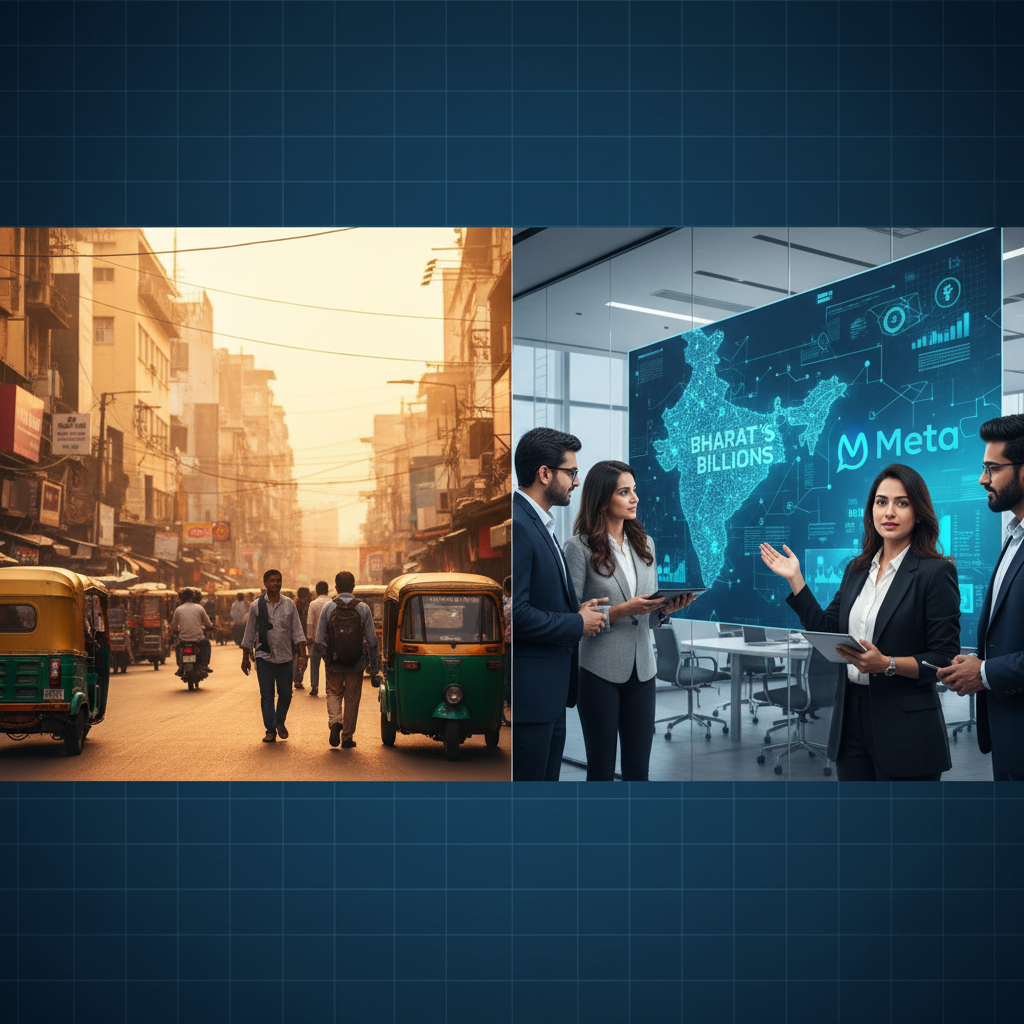

The air in Bangalore's Electronic City crackles with a familiar energy, a symphony of ambition and innovation. Inside the bustling office of DigiConnect Solutions, a mid-sized IT services firm, Priya Sharma, their Head of Client Engagement, is beaming. She's just closed a crucial deal with a major textile exporter, all thanks to a little AI magic brewing right inside her WhatsApp Business account. Just a year ago, this would have involved endless emails, follow-up calls, and mountains of paperwork. Today, it was a seamless, AI-guided conversation.
“It’s like having a super-efficient personal assistant for every client query, 24/7,” Priya tells me, her eyes sparkling. “Our new AI assistant, powered by Meta’s Llama 3 model integrated directly into WhatsApp, handled the initial qualification, answered FAQs about our service packages, and even scheduled the demo call for me. I just swooped in for the final handshake. This is not just efficiency, this is a game-changer for our sales cycle.”
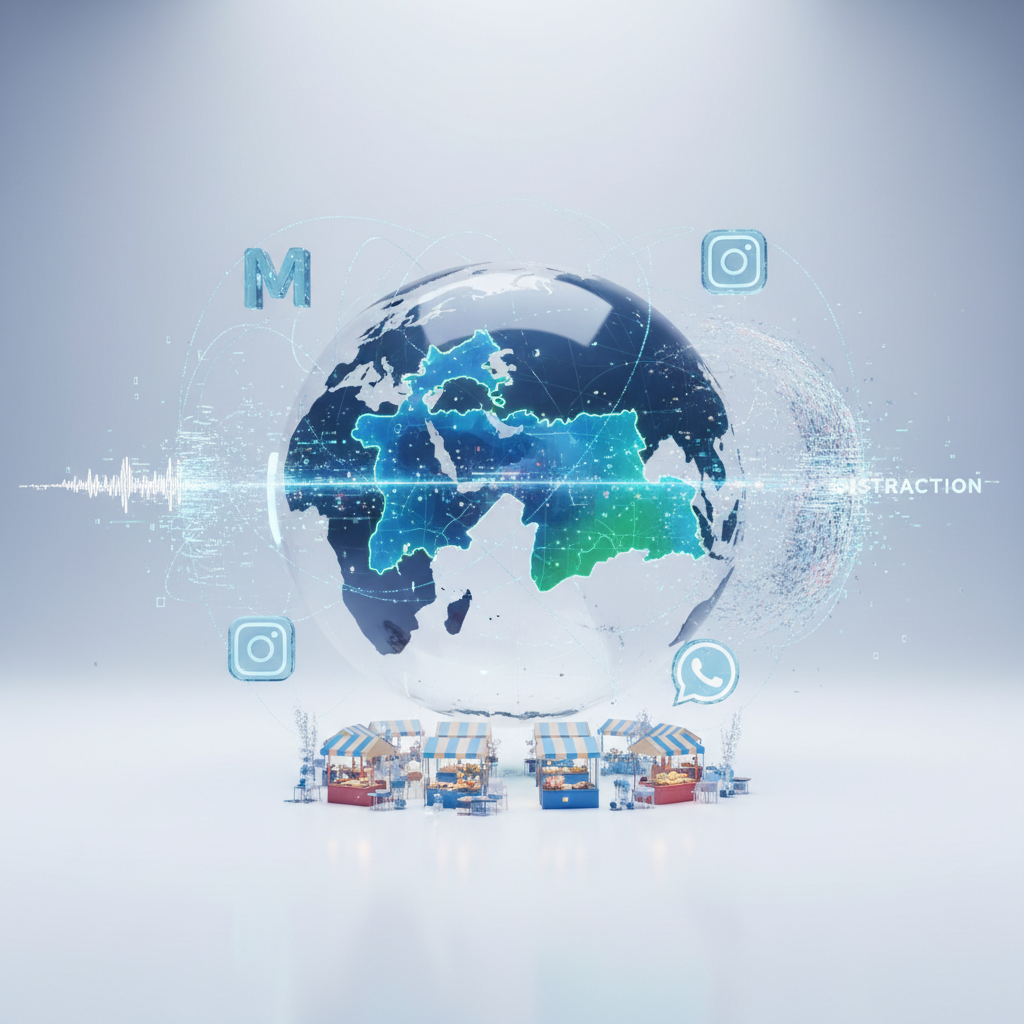
Priya’s experience is not an isolated incident, my friends. It’s a microcosm of a colossal shift sweeping across India’s vibrant business landscape. Meta, with its omnipresent platforms WhatsApp and Instagram, has quietly, yet powerfully, embedded advanced AI features that are fundamentally reshaping how billions communicate, and crucially, how millions of businesses operate in our diverse nation. India is having its moment, and Meta’s AI is a big part of the soundtrack.
Let’s talk numbers, because the scale is mind-boggling. A recent report by the Indian Chamber of Commerce and Industry (icci) indicates that over 70% of small and medium enterprises (SMEs) in India are now actively using WhatsApp Business API features, with a staggering 45% reporting significant adoption of the new AI-powered assistants and automation tools introduced by Meta in late 2025. For Instagram, the AI-driven content creation and audience engagement tools have seen a 30% uptake among Indian brands, leading to a reported 15-20% increase in customer interactions and a 10% boost in conversion rates for those leveraging these capabilities.
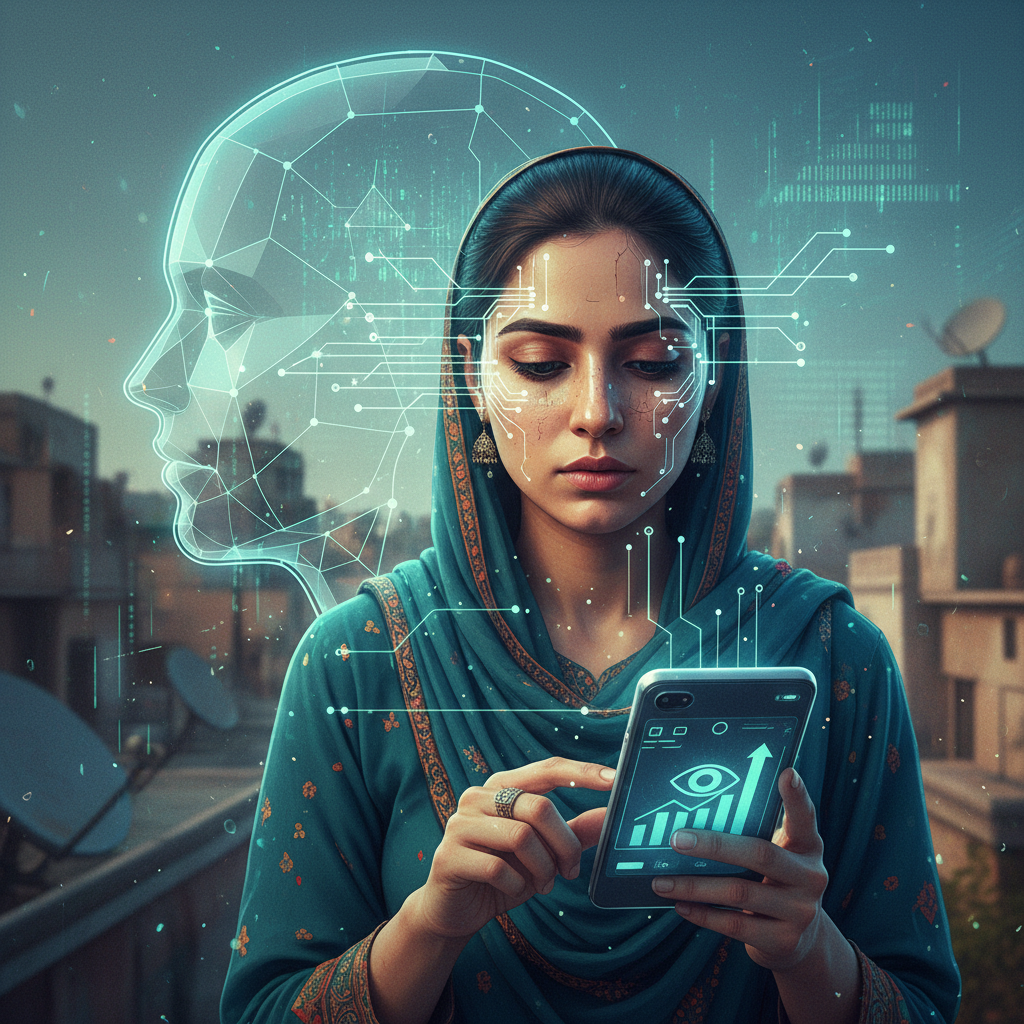
Think about that for a moment. This isn't just about chatbots answering simple questions. We're talking about AI that can understand nuanced queries in multiple Indian languages, personalize product recommendations based on chat history, manage order tracking, and even generate marketing copy for Instagram posts. It’s like giving every street-side vendor and every booming startup the power of a multinational corporation’s customer service department, all within the apps they already use every day.
So, who are the winners and losers in this exhilarating new era? The clear winners are the agile, digitally-savvy businesses, especially SMEs, who are quick to embrace these tools. Take ‘Bharat Handicrafts’, a Jaipur-based artisan collective. Their Instagram presence, once a static catalog, now uses AI to suggest trending product combinations, generate engaging captions, and even respond to customer inquiries about custom designs. “Earlier, we spent hours just replying to DMs,” says Rohan Mehra, Bharat Handicrafts’ founder. “Now, the AI handles the routine stuff, freeing us to focus on crafting and fulfilling orders. Our sales have jumped 25% in six months.”
On the flip side, businesses clinging to traditional communication channels or those slow to adapt to these AI integrations risk being left behind. Imagine a cricket match where one team has advanced analytics and predictive AI guiding their strategy, while the other is still relying on gut feeling. The outcome is pretty clear, isn't it? Companies that view AI as a cost center rather than a strategic advantage are already feeling the pinch, reporting declining customer engagement and slower response times compared to their AI-enabled competitors.
Beyond the businesses, let’s talk about the workers. The initial fear, as always with new technology, was job displacement. However, what we are seeing in India is more of a job transformation. Customer service representatives, for instance, are evolving from simply answering calls to becoming AI trainers and supervisors. “My role has shifted,” explains Anjali Singh, a customer support executive at a major e-commerce firm in Gurugram. “The AI handles the repetitive queries, allowing me to focus on complex issues, build deeper customer relationships, and even contribute to improving the AI’s responses. It’s more stimulating, more strategic work.” Her company, ‘E-Kart India’, reports a 40% reduction in average handling time for routine customer queries, allowing their human agents to tackle 25% more complex cases per day.
This upskilling is critical. Institutions like the National Skill Development Corporation are collaborating with tech giants to offer AI literacy programs. “We are seeing an unprecedented demand for training in AI prompt engineering and AI model supervision,” states Dr. Suresh Kumar, Director of the Indian Institute of Technology Madras’s AI Research Center. “The goal is not to replace human intelligence, but to augment it, creating a workforce that can effectively collaborate with AI. This is just the beginning of a massive reskilling wave.” You can read more about the broader impact of AI on the workforce on TechCrunch.
Experts are weighing in with cautious optimism. “Meta’s strategy of embedding powerful AI directly into platforms that billions already use daily, especially in markets like India, is brilliant,” says Dr. Kavita Rao, a leading AI ethicist and professor at the Indian School of Business. “It democratizes access to advanced AI tools for businesses of all sizes. The challenge now lies in ensuring responsible deployment, data privacy, and preventing algorithmic bias, particularly given India’s linguistic and cultural diversity.” She emphasizes that while the tools are powerful, the human element of oversight and ethical consideration remains paramount. For more on ethical AI, check out Wired.
What’s coming next? Hold onto your hats, because the pace is only accelerating. We can expect even more sophisticated AI capabilities, such as proactive customer outreach based on predictive analytics, hyper-personalized marketing campaigns that adapt in real-time, and even AI-driven supply chain optimizations all managed through these familiar interfaces. Imagine WhatsApp AI not just answering about your order, but predicting your next purchase and offering a tailor-made discount before you even think of it. Meta’s CEO, Mark Zuckerberg, has been vocal about his vision for AI agents seamlessly integrated into all Meta products, and India, with its massive user base and entrepreneurial spirit, is proving to be a fertile ground for this vision.
This isn't just about technology; it's about empowerment. It’s about giving a small business in a remote village the same digital firepower as a Mumbai conglomerate. It’s about transforming routine tasks into opportunities for human creativity and strategic thinking. The digital India dream is evolving, and with Meta’s AI leading the charge, the future of business communication, and indeed, the future of work, looks brighter and more exciting than ever before. This is just the beginning, my friends, and I for one, cannot wait to see what unfolds next.