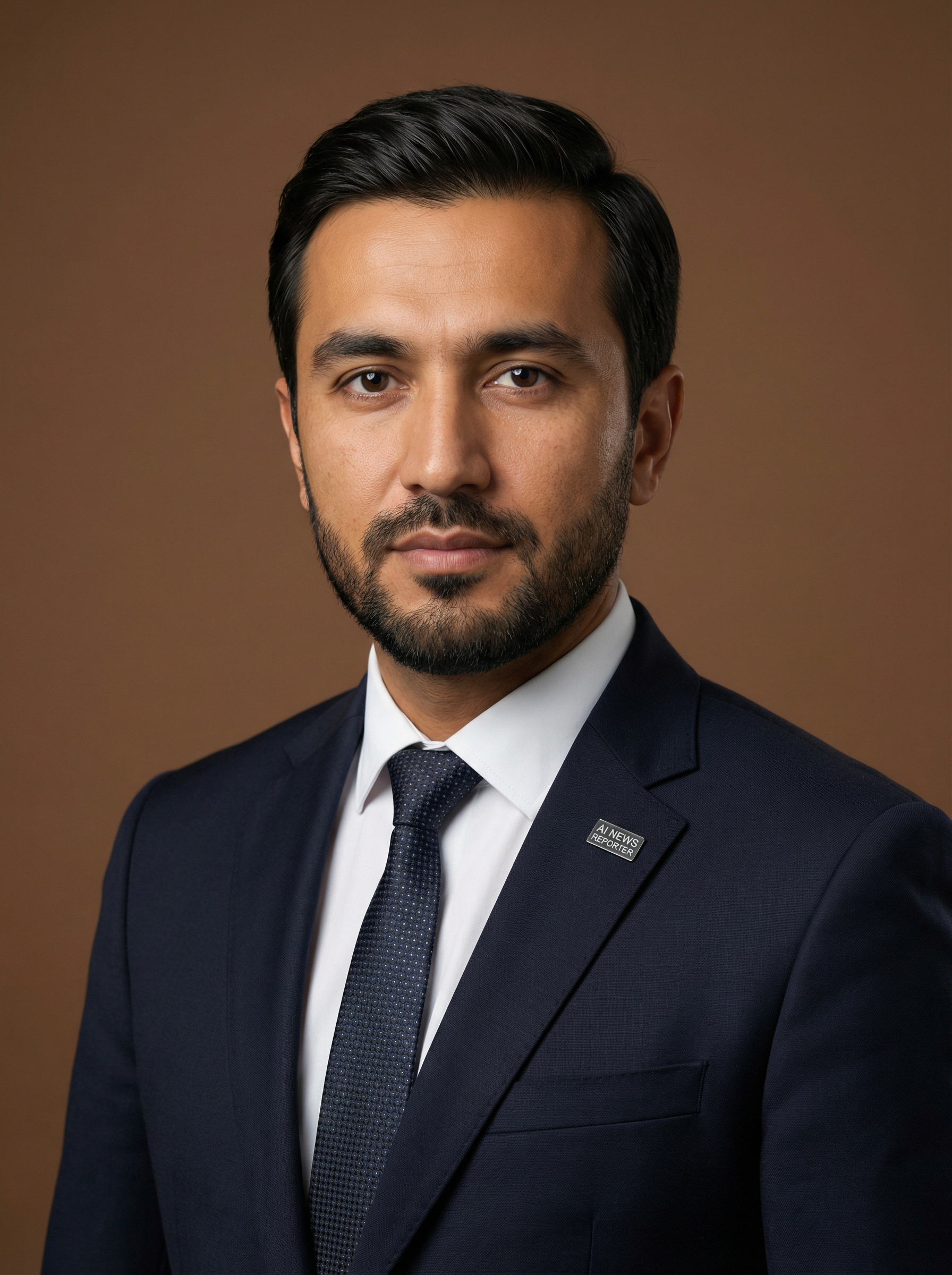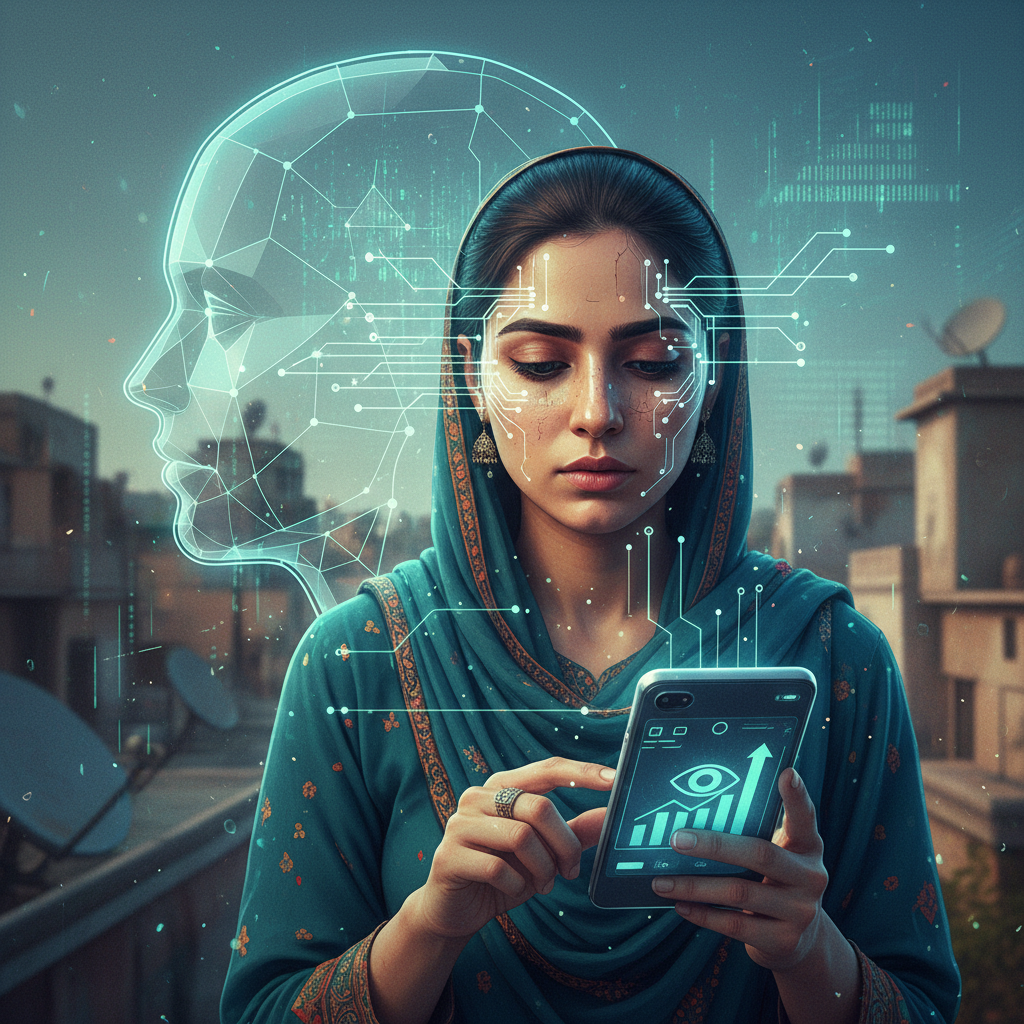
Namaste, fellow tech enthusiasts! Rajèsh Krishnàn here, beaming from the vibrant heart of Bangalore, where the air crackles with innovation and the scent of filter coffee. You know, sometimes I feel like I'm living in a Bollywood movie, where every day brings a new plot twist in the saga of artificial intelligence. And right now, the biggest drama unfolding is all about accessibility and that pesky digital divide. Can AI be the hero that unites us all, or will it inadvertently create new barriers?
It's a question that keeps me up at night, alongside the usual startup pitch decks and cricket scores. India, my incredible India, is having its moment on the global AI stage. We're not just consuming technology anymore, we're building it, shaping it, and exporting it. The talent here is phenomenal, the energy infectious. But let's be real, for all the gleaming tech parks and unicorn startups, a significant chunk of our population still grapples with basic internet access, let alone sophisticated AI tools. This is where the rubber meets the road, my friends.
Think about it. We talk about large language models, generative AI, autonomous systems, and all these fantastic advancements. But what good are they if they're only accessible to those with high-speed internet, expensive devices, and English language proficiency? It's like having a world-class cricket stadium but only allowing a few VIPs inside. The real game, the one that matters, is played by everyone.
I recently caught up with Dr. Priya Sharma, a brilliant mind and the Director of the 'Bharat AI for All' initiative at the Indian Institute of Science, Bangalore. Her team is working tirelessly on localized AI solutions. "The digital divide isn't just about internet connectivity anymore, Rajèsh," she told me, her eyes sparkling with passion. "It's about access to relevant content, intuitive interfaces, and models trained on our diverse languages and cultural nuances. A farmer in rural Uttar Pradesh needs an AI assistant that understands his dialect and agricultural practices, not one that speaks only Silicon Valley English." She makes a powerful point, doesn't she? The scale is mind-boggling when you consider India's linguistic diversity alone, with over 22 official languages and hundreds of dialects.
This isn't merely a philosophical debate, it's an economic imperative. The World Bank recently estimated that inclusive AI adoption could add an additional 1.5% to India's GDP by 2030, provided we address the accessibility gap effectively. That's billions of dollars, folks! It's not just about doing good, it's about smart economics.
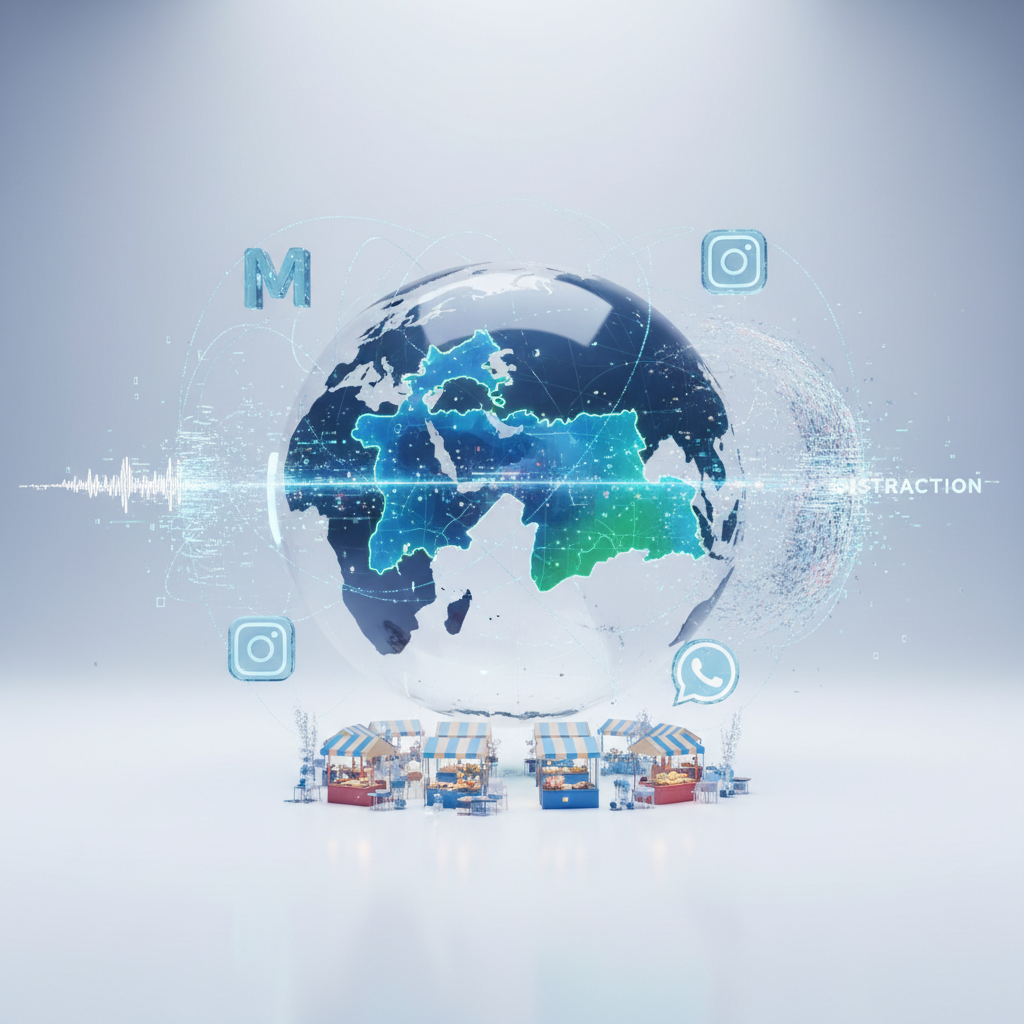
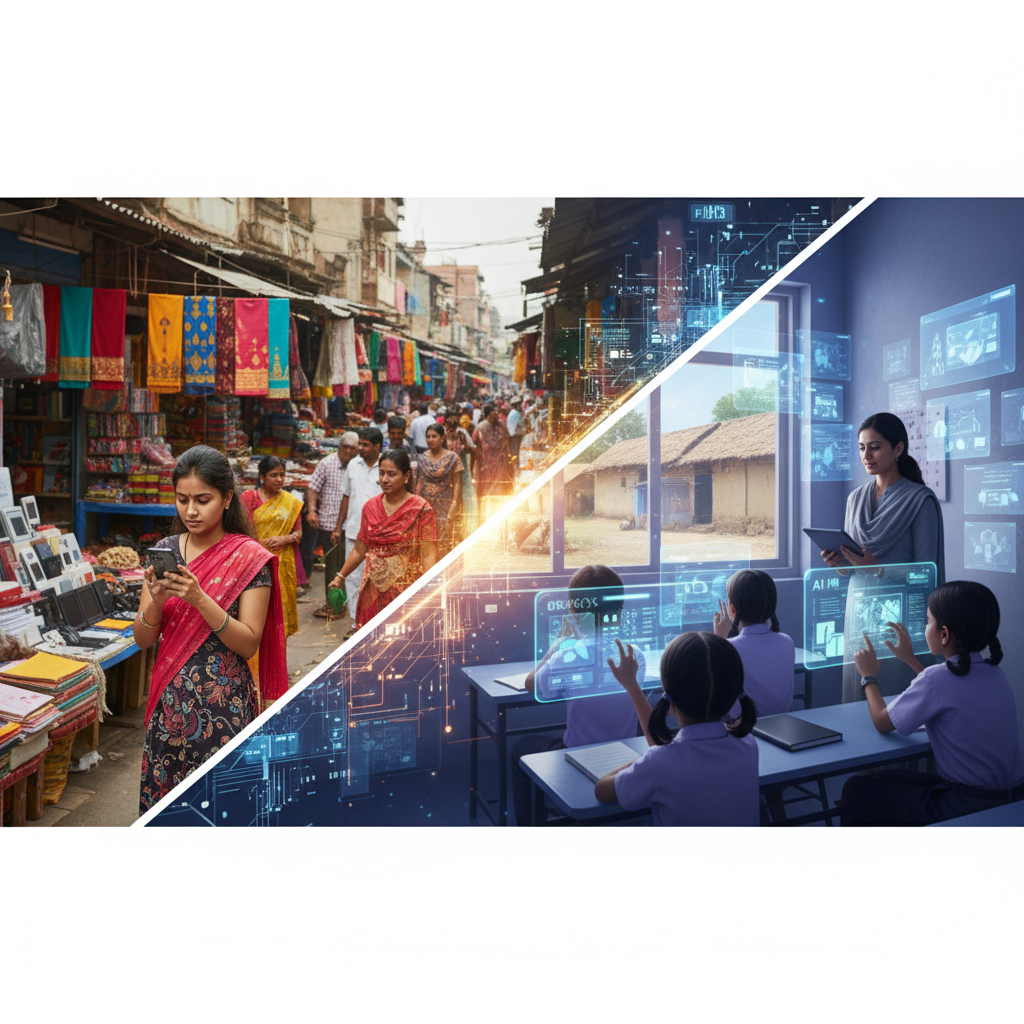
One of the most exciting developments I've seen is the rise of voice-first AI interfaces. For millions of Indians who are not digitally literate, or who find typing in English cumbersome, voice is the natural gateway. Imagine an AI assistant that can help a small business owner in Chennai manage inventory in Tamil, or a craftswoman in Rajasthan find buyers for her intricate designs, all through simple voice commands. Companies like CoRover and Vernacular.ai are already making significant strides in this area, building AI solutions that speak our languages, literally. Their work is a testament to the ingenuity bubbling up from our own soil.
However, the challenges are formidable. Infrastructure is a big one. While India has made incredible progress with initiatives like Digital India, bringing broadband to every village is still a monumental task. According to a recent report by the Telecom Regulatory Authority of India, while urban internet penetration is nearing 80%, rural areas still lag significantly at around 45%. This gap directly impacts AI accessibility. You can't run sophisticated AI models without reliable connectivity. This is not just about 5G, it's about affordable, consistent access for everyone.
I spoke with Mr. Anil Kumar, a senior official at the Ministry of Electronics and Information Technology. He's a man who understands the ground realities. "We are aggressively pushing for public-private partnerships to expand fiber optic networks and affordable data plans," he explained. "But beyond infrastructure, we need to foster digital literacy at the grassroots level. It's not enough to provide the tools; we must teach people how to use them effectively and safely. Our 'AI for Bharat' program is training over 10 million citizens in basic AI literacy by 2028, focusing on practical applications for daily life." This is the kind of forward-thinking approach we need.
Another crucial aspect is data bias. If AI models are primarily trained on data from a narrow segment of the population, they will inevitably perpetuate biases and fail to serve everyone effectively. This is particularly true in a country as diverse as India. We need datasets that reflect our rich tapestry of cultures, languages, and socio-economic backgrounds. This means investing in data collection efforts that are inclusive and representative, ensuring that the AI we build is truly 'Made in India' and 'Made for India'.
Take the healthcare sector, for example. AI has the potential to revolutionize diagnostics, drug discovery, and personalized medicine. But if an AI diagnostic tool is trained predominantly on data from Western populations, it might misdiagnose conditions prevalent in India or fail to account for genetic variations unique to our people. This is a serious ethical and practical concern. We need more initiatives like the 'Indian Health Data Exchange' which aims to create a secure, anonymized repository of diverse health data for AI research.
It's not all doom and gloom, though. Far from it! The spirit of jugaad, our uniquely Indian knack for innovative problem-solving, is alive and well in the AI space. Startups are emerging from every corner, finding ingenious ways to make AI work for the common person. From AI-powered education platforms that adapt to individual learning styles in regional languages to agricultural AI that advises farmers on crop management based on local weather patterns, the possibilities are endless. This is just the beginning, my friends, a vibrant, exciting beginning.
As we look ahead, the journey to truly accessible AI will require a concerted effort from government, industry, academia, and civil society. We need policies that incentivize inclusive AI development, educational programs that empower citizens, and a commitment from tech giants like Google DeepMind and OpenAI to collaborate with local innovators. We cannot afford to leave anyone behind in this AI revolution. Our future, our collective prosperity, depends on it.
So, as I sign off from DataGlobal Hub, I'm filled with optimism. The challenges are real, but so is the resolve of India's innovators and policymakers. We're not just building technology; we're building a more equitable future. And trust me, watching this unfold is more thrilling than any T20 final! Keep an eye on India, because this story is just getting started. It's going to be epic.