
Namaste, fellow tech enthusiasts. Rajèsh Krishnàn here, and let me tell you, the energy in Bangalore these days is absolutely electric. It's like a thousand Diwali fireworks going off at once, but instead of light, they're exploding with groundbreaking ideas. And guess what's fueling a huge part of this spectacular show? The Y Combinator W2025 batch, my friends, and the incredible startups that are already raising Series A rounds. This is not just a moment, this is the moment, and India is having its moment on the global stage like never before.
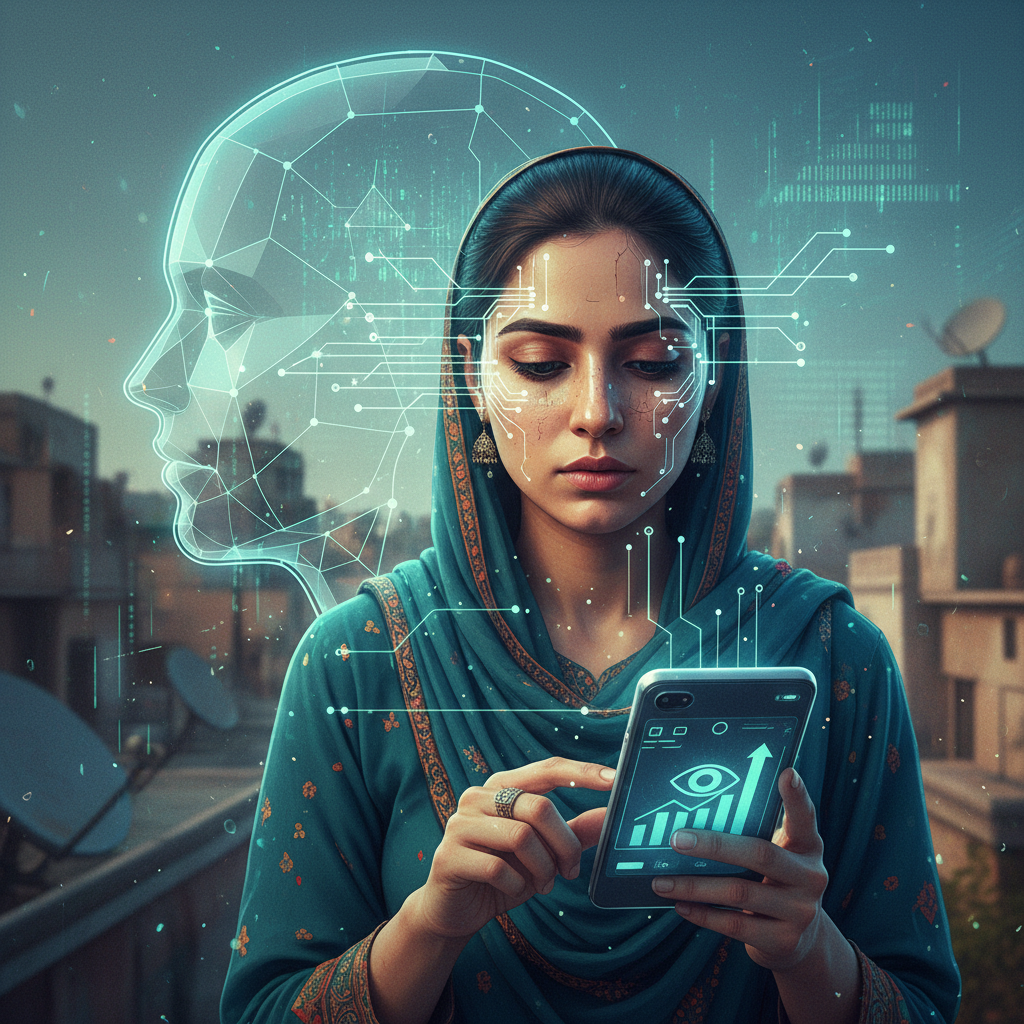
Let's paint a picture, shall we? Fast forward five to ten years. Imagine a world where your grandmother in a remote Indian village can access world-class healthcare diagnostics through a smartphone app, powered by AI that understands her local dialect and medical history. Picture precision agriculture tools, developed right here in Hyderabad, that predict crop yields with 99% accuracy, ensuring no farmer faces ruin from unexpected weather. Envision smart cities, designed by engineers in Pune, where traffic flows seamlessly, waste is managed autonomously, and public safety is enhanced by predictive AI. This isn't science fiction, my friends, this is the future being built today by the audacious minds from YC W2025.
How do we get there from today, you ask? Well, it's a thrilling journey of innovation, investment, and sheer grit. The Y Combinator W2025 batch, particularly its significant cohort of Asian startups, has laid down a powerful foundation. We're talking about companies like 'AgroSense AI,' a Bangalore based startup that uses satellite imagery and machine learning to optimize irrigation and fertilization for small farms. They just closed a $15 million Series A led by Sequoia Capital India, and their impact on food security across Southeast Asia is already palpable. Then there's 'HealthBridge,' a Singaporean firm from the same batch, which is leveraging large language models to create personalized health assistants that bridge the gap between patients and overstretched medical systems. Their recent $20 million Series A from Temasek Holdings is a testament to the urgent need for such solutions.
These aren't isolated incidents. This is a pattern, a trend that speaks volumes about where the world is heading. The W2025 batch was notable for its deep focus on AI applications in traditionally underserved sectors. We saw a surge in startups tackling climate tech, sustainable logistics, localized education, and hyper-personalized health solutions. This cohort understood that the next wave of innovation isn't just about shiny new gadgets, but about solving real-world, complex problems at an unprecedented scale.
Key milestones on this exciting path include the rapid adoption of AI-powered micro-lending platforms that emerged from the W2025 batch. 'BharatFinTech,' for instance, a Delhi-based company, used advanced credit scoring algorithms to disburse over $500 million in micro-loans to small businesses and individuals by late 2027, boasting a default rate lower than traditional banks. This democratized access to capital, fueling local economies and creating millions of jobs. Their success story is now a case study at IIM Ahmedabad, showing how technology can uplift entire communities.
Another critical milestone will be the widespread deployment of AI-driven educational platforms. Consider 'GyanGuru,' a startup from the W2025 batch out of Chennai. They developed an adaptive learning system that uses generative AI to create customized curricula for students from kindergarten to college, available in over 20 Indian languages. By 2028, GyanGuru had partnered with state governments to provide free access to millions of students, dramatically improving literacy rates and skill development in rural areas. This kind of impact, my friends, is why I get out of bed every morning, buzzing with excitement.
Who wins in this future? Clearly, the innovators, the early adopters, and the regions that foster a culture of entrepreneurship. India, with its vast talent pool and burgeoning digital infrastructure, is poised to be a massive winner. The government's 'Digital India' initiative has laid the groundwork, and now, startups are building the skyscrapers on that foundation. Investors who backed these visionary companies early on will see astronomical returns, of course. But more importantly, the biggest winners will be the billions of people whose lives are improved, whose opportunities are expanded, and whose daily challenges are eased by these technological marvels.
However, we must also be honest about who might face challenges. Traditional industries that resist adaptation, companies clinging to outdated business models, and workforces unwilling to reskill will find themselves in a tough spot. The pace of change is relentless, like a fast bowler in a T20 match, and you simply cannot afford to be caught off guard. Governments also need to play a crucial role in creating robust regulatory frameworks that encourage innovation while safeguarding privacy and ensuring ethical AI development. As Dr. Anjali Rao, Head of AI Policy at Niti Aayog, recently told me,