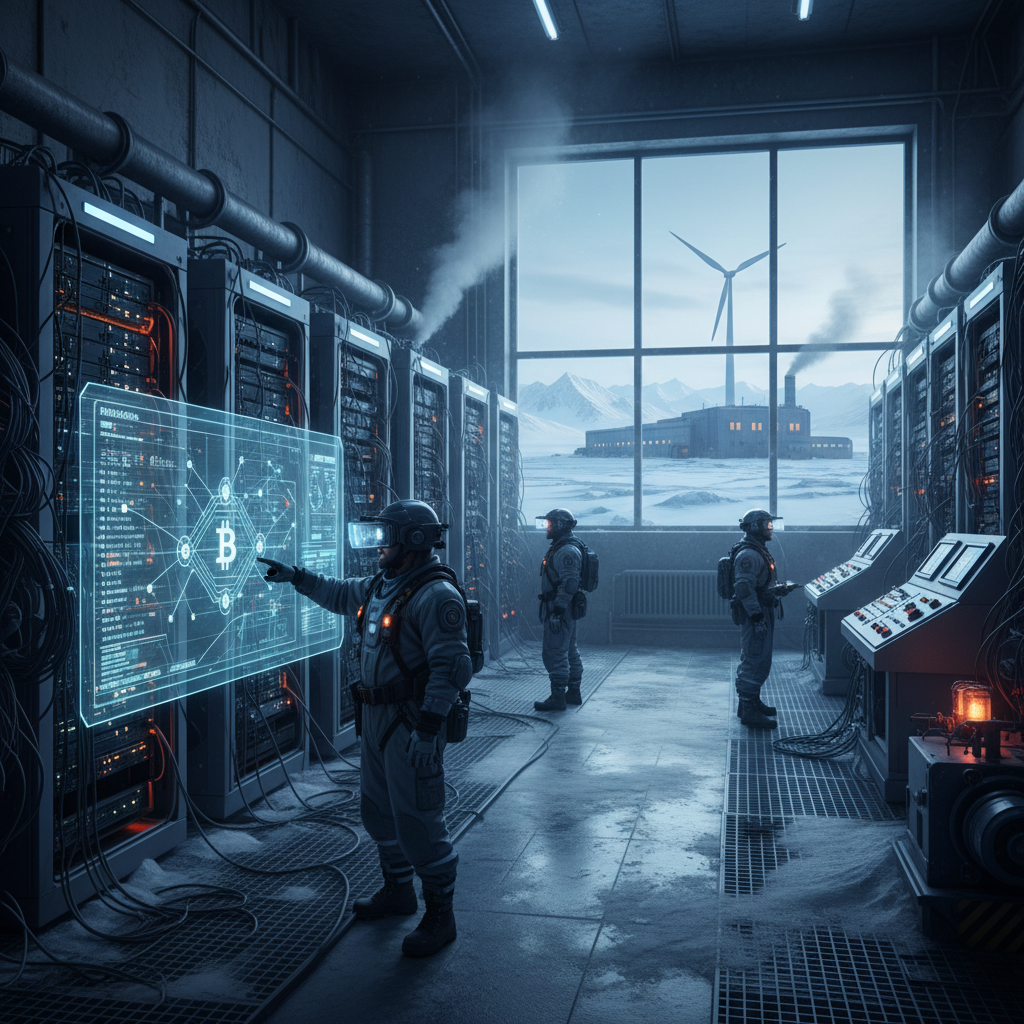

The vast, frozen expanse of Russia, a land historically defined by its immense natural wealth, is now quietly undergoing a profound digital transformation. Beneath the permafrost and within the ancient rock formations, the extraction of minerals and energy resources has always been a cornerstone of the nation's economic power. Today, however, this traditional industry is being reshaped by the invisible hand of artificial intelligence, a development accelerated by geopolitical realities and the relentless pursuit of efficiency.
For years, the Russian mining sector, dominated by behemoths like Norilsk Nickel, Alrosa, and Gazprom Neft, operated with a blend of robust Soviet-era engineering and incremental technological upgrades. The advent of sophisticated AI algorithms, coupled with advanced sensor technology and data analytics, has introduced a new paradigm. This shift is not merely about marginal gains; it represents a fundamental re-evaluation of how Russia explores, extracts, and manages its most valuable assets, particularly as Western sanctions continue to bite.
My investigations reveal a complex interplay of necessity and innovation. With access to Western technology restricted, Russian companies have been compelled to foster domestic AI development or seek partnerships with nations less inclined to impose sanctions. This has led to a fascinating, if sometimes opaque, ecosystem of local startups and state-backed initiatives.
One of the most significant applications of AI lies in geological exploration. The sheer scale and remoteness of Russia's resource-rich territories, from the Kola Peninsula to Eastern Siberia, have always presented formidable challenges. Traditional seismic surveys and core sampling are costly, time-consuming, and often yield incomplete data. AI, particularly machine learning algorithms, is changing this dramatically. Companies are now deploying AI to analyze vast datasets, including satellite imagery, historical geological records, and geophysical measurements, to identify promising new deposits with unprecedented accuracy. This predictive capability reduces the need for extensive, expensive drilling, thereby cutting costs and accelerating discovery timelines.
“We are seeing a revolution in subsurface intelligence,” stated Dr. Anatoly Lebedev, a leading geophysicist at the Moscow Institute of Physics and Technology, in a recent industry conference. “AI models can discern patterns that human geologists might miss, leading us to deposits that were previously considered uneconomical or too difficult to locate. This is particularly crucial for our Arctic projects, where every exploration dollar must be spent with maximum efficiency.”
Beyond exploration, AI is proving indispensable in optimizing extraction processes. In open-pit mines, autonomous haul trucks and drills, guided by AI, are becoming more common. These systems optimize routes, minimize fuel consumption, and operate continuously, often in hazardous conditions unsuitable for human workers. In underground operations, AI-powered ventilation systems adapt in real-time to air quality and temperature fluctuations, ensuring worker safety and energy efficiency. Predictive maintenance algorithms analyze sensor data from heavy machinery, anticipating failures before they occur, thereby reducing costly downtime and extending equipment lifespan. This is a critical advantage for companies struggling to import replacement parts due to sanctions.
Norilsk Nickel, one of the world's largest producers of palladium and high-grade nickel, has been a quiet pioneer in this space. While specific details are often guarded, my sources in the tech sector confirm their extensive use of AI for process optimization in their vast Arctic operations. The harsh climate and remote locations make human intervention difficult and expensive, pushing the company towards automation and AI-driven solutions. Their investments in digital twins and advanced analytics for their mining and metallurgical complexes are reportedly substantial, aiming to increase recovery rates and reduce environmental impact.
Safety, a perennial concern in the mining industry, is another area where AI is making significant inroads. From smart cameras that detect unsafe worker behavior or unauthorized access to hazardous zones, to drones equipped with thermal imaging and gas sensors that monitor structural integrity and detect potential hazards in real-time, AI is creating safer working environments. Wearable sensors for miners can track vital signs and detect falls or exposure to dangerous gases, instantly alerting emergency services. This proactive approach to safety is not just about compliance; it is about preserving human life, a value that resonates deeply within Russian society, especially given the historical risks associated with mining.
The Kremlin's digital strategy reveals a clear directive: technological sovereignty. This means developing domestic solutions and reducing reliance on foreign technology, particularly in strategic sectors like natural resources. This imperative has spurred significant state investment in AI research and development, often channeled through institutions like Sberbank and Rostec, which are themselves deeply involved in various aspects of the digital economy. The goal is not just to adapt foreign technologies, but to create indigenous ones that can compete on a global scale.
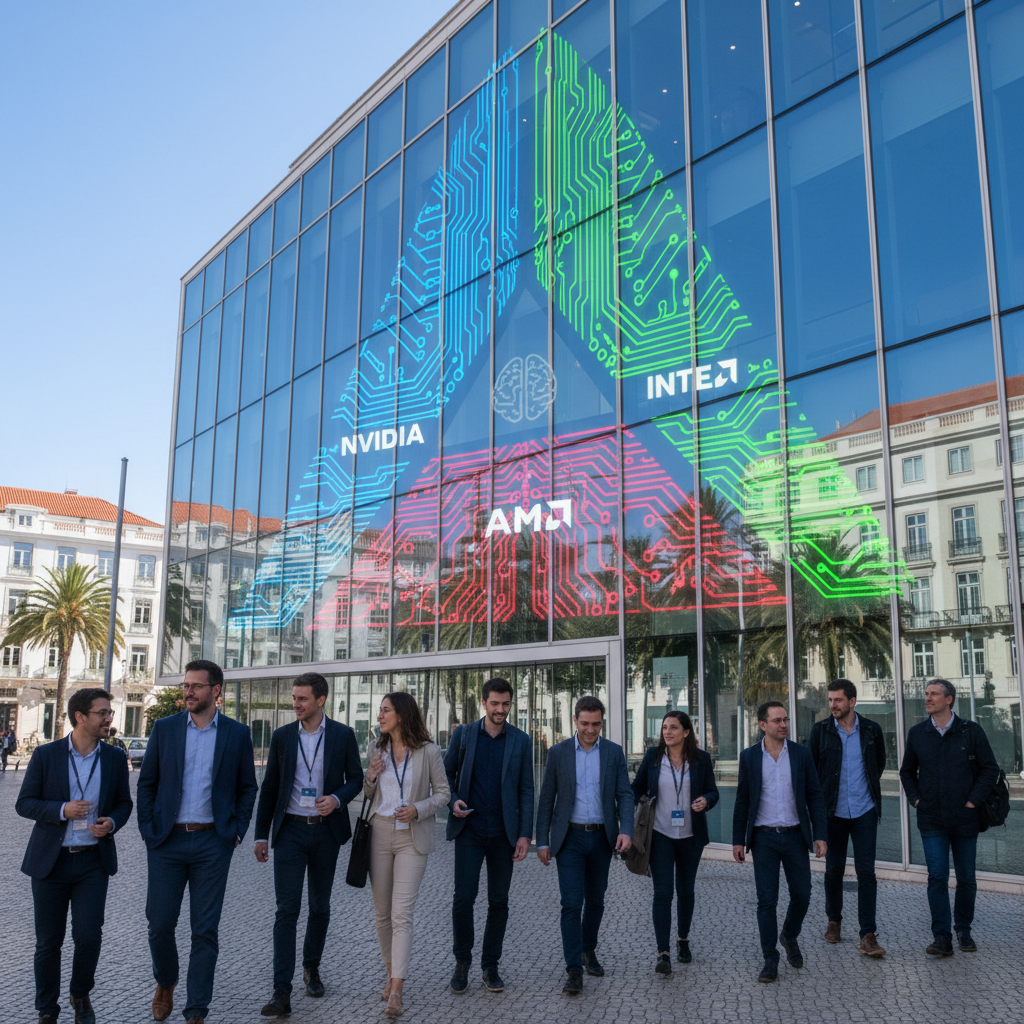
However, challenges remain formidable. The brain drain, a persistent issue in Russia's tech sector, continues to impact the availability of top-tier AI talent. While universities are increasing their output of AI specialists, retaining them within the country, particularly when global tech giants offer lucrative opportunities abroad, is an ongoing struggle. Furthermore, the sanctions regime complicates access to cutting-edge hardware, particularly high-performance GPUs from companies like NVIDIA, which are crucial for training complex AI models. This has led to innovative workarounds, including the development of domestic chip alternatives and increased cooperation with partners in Asia.
“The current geopolitical climate has forced us to innovate faster and more independently than ever before,” remarked Dr. Elena Petrova, a senior analyst at the Skolkovo Institute of Science and Technology, during a recent online panel discussion. “While challenging, it has also fostered a unique ecosystem of domestic AI solutions tailored to our specific industrial needs and environmental conditions. This is not just about survival, it is about building a new foundation for our technological future.” MIT Technology Review has also highlighted the global trend of nations seeking digital sovereignty.
The implications of this AI integration extend beyond mere operational efficiency. Moscow's AI ambitions tell a bigger story about its long-term economic resilience and strategic autonomy. By leveraging AI to unlock new deposits, optimize existing operations, and enhance safety, Russia aims to maintain its position as a global powerhouse in natural resources, even in the face of international pressure. The digital transformation of its mining sector is a testament to the nation's adaptability and its unwavering commitment to harnessing technology for strategic advantage.
As the world watches, the quiet revolution unfolding in Russia's mines serves as a powerful reminder that innovation, much like geological forces, can carve new paths even through the most unyielding landscapes. The digital gold rush in the permafrost is not just about minerals; it is about the future of a nation adapting to a new global order. For further insights into the broader impact of AI on global business, one might consult resources such as Bloomberg Technology.
This intricate dance between resource wealth, technological advancement, and geopolitical maneuvering will undoubtedly continue to shape Russia's trajectory for decades to come. The evidence suggests that AI, far from being a luxury, has become an indispensable tool in the nation's strategic arsenal, ensuring that the bedrock of its economy remains firm, even as the global landscape shifts beneath its feet.